
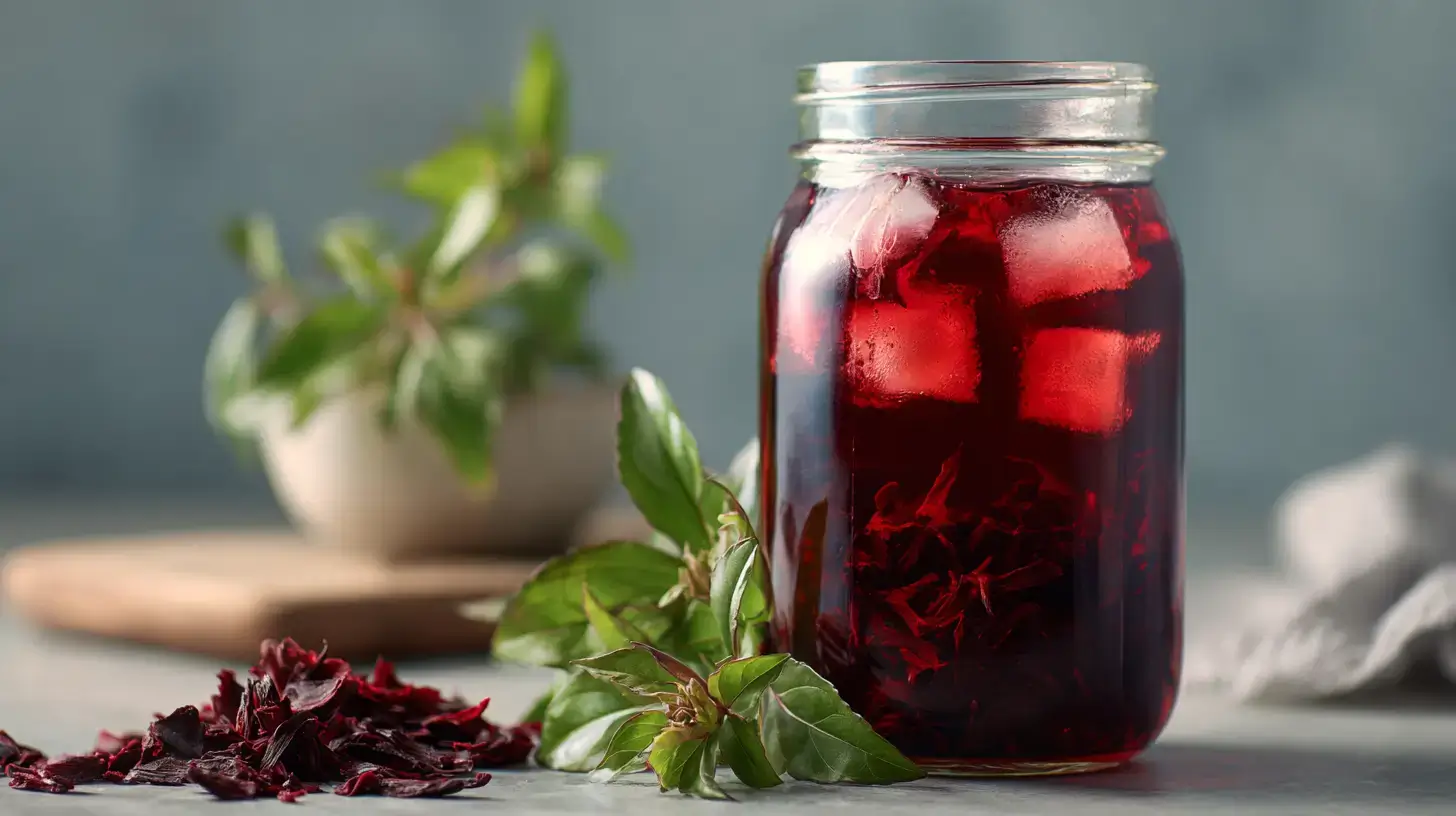
Cold brew herbal tea recipes are a simple and refreshing way to enjoy herbal infusions without using heat. Instead of pouring boiling water over herbs or flowers, cold brew uses time and cold water to gently extract flavor. As a result, the taste is often smoother, lighter, and especially pleasant when served iced.
In this article, you’ll discover what cold brew herbal tea is, why so many people enjoy it, and which herbs work best for cold infusion. We’ll also walk through easy cold brew herbal tea recipes you can prepare at home, step-by-step preparation tips, and simple ideas for serving iced herbal tea. Finally, you’ll find practical storage advice and clear answers to common questions beginners often ask.
Whether you’re new to herbal infusions or just looking for fresh cold brew herbal tea recipes to enjoy during warm days, this guide will help you get started with confidence and ease.
What Is Cold Brew Herbal Tea?
Cold brew herbal tea recipes are based on a simple idea: steeping herbs or flowers in cold water over time instead of using hot water. This slow process allows flavors to develop gently, creating a light and refreshing drink that’s easy to enjoy at any time of day.
Simple definition of cold brew herbal tea
Cold brew herbal tea is an herbal infusion made by soaking dried or fresh herbs in cold or room-temperature water. Unlike traditional tea, there’s no boiling, no kettle, and no rush. You simply combine water and herbs, then let time do the work.
Because no heat is involved, the final drink often tastes softer and less intense, which many people find more pleasant, especially when served iced.
What “cold infusion” really means
A cold infusion means extracting flavor slowly. Instead of heat speeding things up, cold water draws out the natural aromas and subtle notes from herbs and flowers over several hours. Most cold brew herbal tea recipes steep anywhere from 4 to 12 hours, usually in the refrigerator.
This method is popular for homemade iced herbal tea because it’s hands-off, forgiving, and easy to repeat. You can prepare it overnight and enjoy it the next day without any extra steps.
Difference between cold brew and hot herbal tea
The main difference between cold brew and hot herbal tea is the brewing method, not the ingredients. Hot infusions use boiling water and short steeping times, while cold brew relies on longer steeping with cold water.
As a result, cold brew herbal tea often has a smoother taste and less bitterness. It’s also naturally chilled, making it ideal for warm weather or anyone looking for refreshing cold brew herbal tea recipes that fit easily into a daily routine.
Why People Choose Cold Brew Herbal Tea
Cold brew herbal tea has become a favorite for many people who enjoy simple, refreshing drinks made at home. Beyond the easy preparation, cold brew herbal tea recipes fit naturally into everyday routines, especially during warmer months.
A smoother and lighter taste
One of the main reasons people choose cold brew herbal tea is the flavor. Because the herbs are infused slowly in cold water, the taste is often softer and more balanced. Many find that cold brew herbal tea recipes produce fewer sharp or overpowering notes compared to hot infusions.
This gentle flavor makes iced herbal tea easy to sip on its own, without needing sweeteners or added ingredients.
A refreshing iced drink for warm days
Cold brew herbal tea is naturally served cold, which makes it especially appealing during hot weather. Instead of waiting for hot tea to cool down, cold brew is ready straight from the refrigerator.
Whether enjoyed over ice or chilled on its own, cold brew herbal tea recipes offer a refreshing alternative to sugary drinks and store-bought beverages.
An easy, no-heat preparation method
Another reason people love cold brew herbal tea is its simplicity. There’s no stove, kettle, or special equipment required. You only need water, herbs, and a container.
Once prepared, the tea steeps quietly in the fridge while you go about your day. This hands-off approach makes cold brew herbal tea recipes perfect for beginners and anyone looking for an effortless way to enjoy herbal infusions.
Best Herbs and Flowers for Cold Brew Herbal Tea
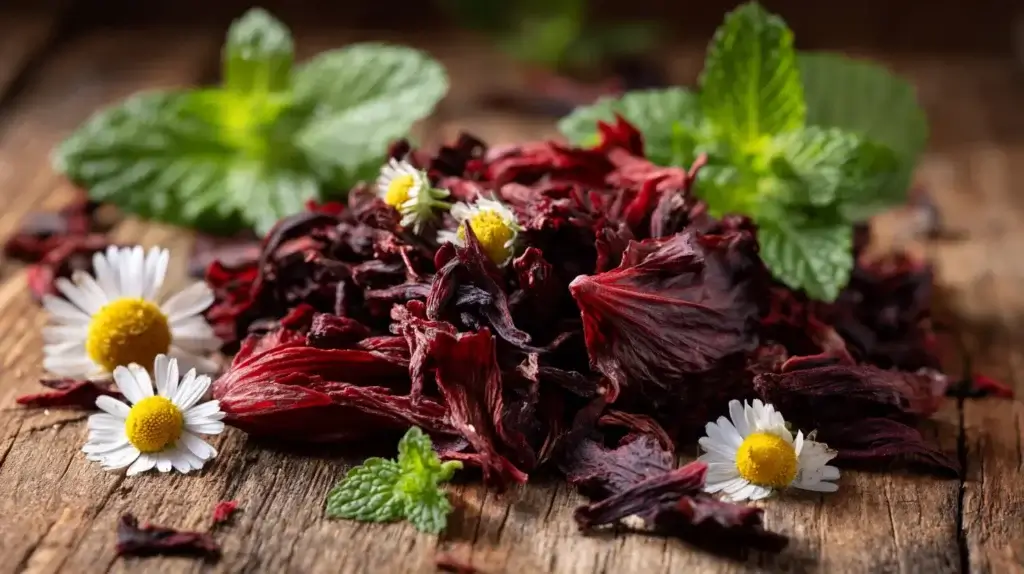
Choosing the right ingredients is key to making enjoyable cold brew herbal tea recipes. Not all herbs behave the same in cold water, but many flowers and leaves infuse beautifully when given enough time. The options below are popular because they offer clear flavors, pleasant aromas, and reliable results.
Hibiscus: colorful and tangy cold brew herbal tea
Hibiscus is one of the most popular choices for cold brew herbal tea recipes. Its deep red color looks striking in a glass, and its naturally tart flavor makes it especially refreshing when served cold.
Because hibiscus infuses well without heat, it’s ideal for cold brewing. If you want to learn more about this ingredient, hibiscus tea is one of the best starting points for bold and vibrant iced herbal infusions.
Mint leaves for fresh iced herbal tea
Mint is another excellent herb for cold brew. It releases its fresh, cooling aroma easily in cold water, making it perfect for simple and refreshing iced herbal tea recipes.
You can use fresh or dried mint leaves, depending on what you have on hand. Mint also works well on its own or combined with other herbs for a more layered flavor.
Chamomile for a mild and floral cold infusion
Chamomile brings a soft, floral note to cold brew herbal tea. Its gentle taste makes it a good option for people who prefer lighter iced drinks without strong flavors.
When cold brewed, chamomile develops a smooth and delicate profile that’s easy to enjoy plain or over ice.
Lemon balm and other gentle herbs to try
Lemon balm is known for its subtle citrus-like aroma, which comes through nicely in cold brew herbal tea recipes. It adds a light, clean flavor that pairs well with mint or chamomile.
Other gentle herbs, such as lavender in small amounts or simple herbal blends, can also be used for cold infusion. The key is to start simple and adjust combinations based on taste.
Easy Cold Brew Herbal Tea Recipes to Try at Home
Once you’ve chosen your herbs, it’s time to try a few simple combinations. These cold brew herbal tea recipes are easy to prepare, beginner-friendly, and designed for everyday enjoyment. Each recipe follows the same basic idea: herbs, cold water, time, and patience.
Hibiscus cold brew herbal tea recipe
Hibiscus is a classic choice for cold brewing because it releases color and flavor easily. To prepare this recipe, add dried hibiscus flowers to a glass jar filled with cold water. After several hours in the refrigerator, the infusion develops a bright color and a crisp, tangy taste.
Serve it chilled or over ice for a refreshing iced herbal tea that stands well on its own.
Mint cold brew herbal tea recipe
For a clean and cooling drink, mint cold brew herbal tea is hard to beat. Simply add fresh or dried mint leaves to cold water and let them steep slowly. The result is a light and aromatic iced herbal tea with a naturally fresh flavor.
This recipe is especially popular for warm afternoons and casual sipping.
Chamomile cold brew herbal tea recipe
Chamomile works beautifully in cold brew herbal tea recipes when you want something mild and floral. Add chamomile flowers to cold water and allow enough time for the gentle flavors to develop.
Once strained, this cold brew herbal tea can be enjoyed plain or served over ice for a soft and smooth drink.
Mixed herbal cold brew tea ideas
If you enjoy experimenting, mixed herbal cold brew tea is a great option. You can combine herbs like mint and lemon balm or chamomile with a small amount of hibiscus for color.
When mixing herbs, keep flavors simple and balanced. Cold brew herbal tea recipes are forgiving, so small adjustments help you discover combinations that match your taste.
How to Prepare Cold Brew Herbal Tea Step by Step
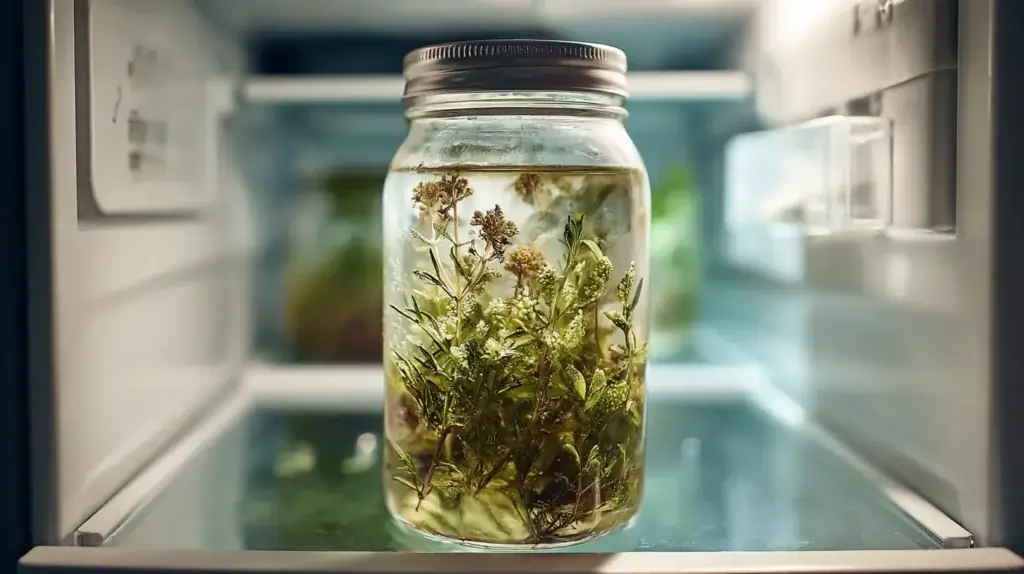
Preparing cold brew herbal tea is straightforward and doesn’t require special skills or equipment. By following a few simple steps, you can make cold brew herbal tea recipes that are consistent, flavorful, and easy to repeat at home.
Choosing cold water and clean containers
Start with fresh, cold drinking water. Filtered water is often preferred because it allows the natural flavors of the herbs to stand out more clearly.
Use a clean glass jar or pitcher with a lid. Glass is ideal for cold brew herbal tea recipes because it doesn’t absorb odors and lets you see the color of the infusion as it develops.
Cold brew steeping time for herbal tea
Steeping time is an important part of cold brew preparation. Most cold brew herbal tea recipes steep for about 4 to 12 hours, depending on the herbs used and how strong you like the flavor.
Placing the container in the refrigerator helps keep the infusion fresh while it steeps slowly. You can taste the tea partway through and decide when it’s ready.
Straining and filtering the infusion
Once the steeping time is complete, strain out the herbs using a fine mesh strainer or tea filter. This step ensures a clear and smooth iced herbal tea without leftover leaves or petals.
After straining, the cold brew herbal tea is ready to drink or store.
Storing cold brew herbal tea in the refrigerator
Cold brew herbal tea is best kept in the refrigerator. Store it in a sealed container to maintain freshness and flavor.
Most cold brew herbal tea recipes stay enjoyable for a short period when refrigerated, making it easy to prepare a batch ahead of time and enjoy it over several days.
Print
Cold Brew Herbal Tea Recipes: Easy and Refreshing Iced Infusions
Simple cold brew herbal tea recipes made with dried herbs or flowers and cold water. An easy way to prepare refreshing iced herbal infusions at home.
- Total Time: 5 minutes + 8 hours steeping
- Yield: 4 cups 1x
Ingredients
- 4 cups cold drinking water
- 2 tablespoons dried herbal tea (hibiscus, mint, chamomile, or a blend)
- Ice cubes (optional)
- Fresh fruit or herbs for garnish (optional)
Instructions
- Add the dried herbal tea to a clean glass jar or pitcher.
- Pour cold water over the herbs.
- Cover and place in the refrigerator.
- Let steep for 6 to 12 hours, depending on taste preference.
- Strain out the herbs using a fine mesh strainer.
- Serve chilled or over ice.
Notes
Glass containers work best for cold brew herbal tea. Steeping time can be adjusted for a lighter or stronger flavor. Start with single herbs before trying blends.
- Prep Time: 5 minutes
- Cook Time: 0 minutes
- Category: Herbal Teas
- Method: Cold Brew / Cold Infusion
- Cuisine: International
Nutrition
- Serving Size: 1 cup
- Calories: 0
- Sugar: 0 g
- Sodium: 0 mg
- Fat: 0 g
- Saturated Fat: 0 g
- Unsaturated Fat: 0 g
- Trans Fat: 0 g
- Carbohydrates: 0 g
- Fiber: 0 g
- Protein: 0 g
- Cholesterol: 0 mg
Keywords: cold brew herbal tea recipes, iced herbal tea, herbal cold brew tea, cold infusion herbal tea
How to Serve and Enjoy Iced Herbal Tea

Once your cold brew is ready, serving it is where cold brew herbal tea recipes really shine. Simple presentation and small additions can enhance the experience without changing the natural character of the tea.
Serving cold brew herbal tea with ice
The easiest way to enjoy cold brew herbal tea is to pour it over ice. Ice keeps the drink crisp and refreshing, especially on warm days.
If you want to avoid dilution, you can chill the tea well before serving or use larger ice cubes that melt more slowly.
Adding fruits, herbs, or citrus slices
Fresh fruits and herbs can add subtle aroma and visual appeal to iced herbal tea. Slices of lemon, orange, or berries pair nicely with many cold brew herbal tea recipes.
You can also garnish with fresh mint or lemon balm to echo the flavors already in the tea, keeping the drink balanced and simple.
Enjoying iced herbal tea plain and unsweetened
Many people enjoy cold brew herbal tea exactly as it is. Because the flavor is naturally smooth, there’s often no need for sweeteners or extra ingredients.
Drinking iced herbal tea plain allows you to appreciate the unique taste of each herb and makes cold brew herbal tea recipes an easy addition to daily routines.
Safety and Storage Tips for Cold Brew Herbal Tea
Cold brew herbal tea is easy to make, but a few basic precautions help ensure the final drink stays enjoyable. These simple tips focus on freshness, cleanliness, and flavor quality, keeping cold brew herbal tea recipes safe and pleasant to drink.
How long cold brew herbal tea stays fresh
Cold brew herbal tea is best enjoyed fresh. When stored in the refrigerator, most cold brew herbal tea recipes keep their flavor for a limited time. Over time, the taste may change, becoming dull or slightly off.
For the best experience, prepare amounts you can comfortably enjoy within a short period and always check the aroma and taste before serving.
Basic hygiene tips when preparing cold infusions
Clean tools and containers are essential when making cold brew herbal tea. Always wash jars, pitchers, strainers, and utensils before use.
Using clean hands and fresh water helps prevent unwanted flavors and keeps your iced herbal tea tasting clean and refreshing.
Signs that iced herbal tea should be discarded
If cold brew herbal tea develops an unusual smell, cloudy appearance, or unpleasant taste, it’s best to discard it. These signs usually indicate that the infusion is no longer at its best.
Trust your senses. When in doubt, starting a fresh batch of cold brew herbal tea recipes is always the safer and more enjoyable option.
Frequently Asked Questions About Cold Brew Herbal Tea
This section answers some of the most common questions people ask when trying cold brew herbal tea recipes for the first time. These clear, practical answers help beginners feel more confident and avoid confusion.
How long should herbal tea cold brew?
Most herbal teas cold brew well within 4 to 12 hours. Lighter herbs like chamomile or lemon balm often need less time, while stronger ingredients such as hibiscus may benefit from longer steeping. The best approach is to taste the tea during brewing and stop when the flavor feels right to you.
Can you cold brew any herbal tea?
Many herbal teas work well with cold brewing, especially flowers and soft leaves. However, not every herb produces the same result in cold water. Some may taste very mild, while others infuse more easily. Cold brew herbal tea recipes usually focus on herbs known for clear flavor and pleasant aroma when infused slowly.
Is cold brew herbal tea stronger than hot tea?
Cold brew herbal tea is not usually stronger than hot herbal tea. Instead, it tends to taste smoother and lighter. Hot water extracts flavors quickly and intensely, while cold brewing draws them out slowly, resulting in a more gentle iced herbal tea.
Final Thoughts on Cold Brew Herbal Tea Recipes
Cold brew herbal tea recipes offer a simple and enjoyable way to explore herbal infusions without complexity. With just water, herbs, and time, you can create refreshing iced drinks that fit naturally into everyday life.
Why cold brew herbal tea fits into a daily routine
Because cold brew requires no heat and very little effort, it’s easy to make it part of a regular routine. You can prepare a batch in advance, store it in the refrigerator, and enjoy it whenever you want a light and refreshing drink.
Cold brew herbal tea recipes are especially convenient during warm seasons, but they’re just as pleasant year-round when you want something gentle and homemade.
Simple ways to experiment with herbs and flavors
One of the joys of cold brew herbal tea is how flexible it is. You can start with single herbs and gradually explore simple blends as you become more comfortable. Small adjustments in steeping time or ingredient combinations can lead to new flavors without much risk.
If you’d like to understand the basics better before experimenting, this herbal teas guide explains the main types of herbal infusions and how to enjoy them safely.
Encouragement to try homemade iced herbal tea
Cold brew herbal tea recipes are approachable for beginners and rewarding for anyone who enjoys homemade drinks. There’s no need for special tools or complicated steps—just curiosity and a willingness to try.
By starting simple and paying attention to taste, you’ll quickly find cold brew herbal tea combinations that feel right for you and your daily rhythm.