
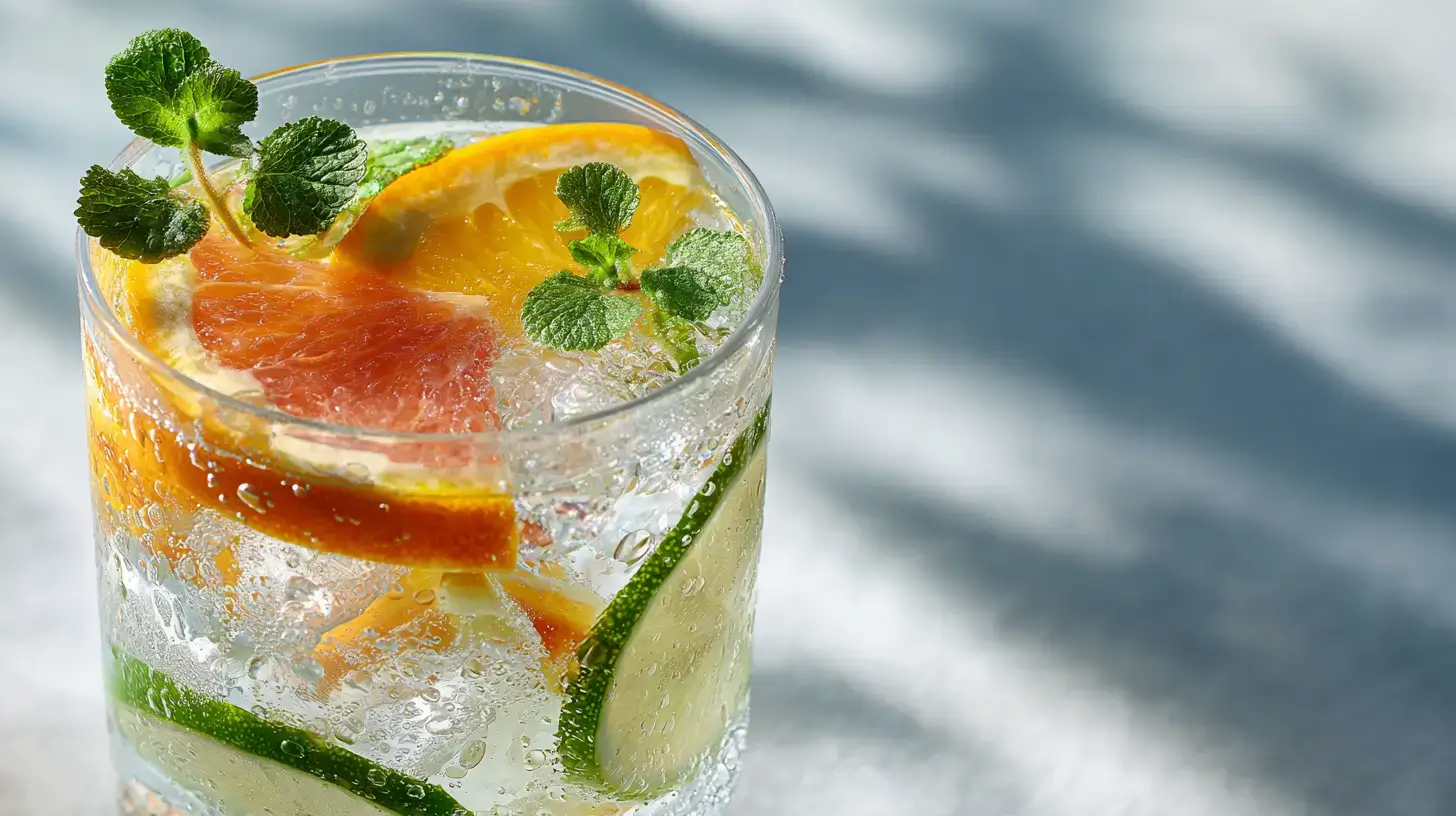
Functional mocktail recipes are becoming a go-to choice for people who want refreshing drinks without alcohol while still keeping a wellness-focused lifestyle. These non-alcoholic creations combine simple ingredients like herbal teas, citrus, sparkling water, and light botanicals to deliver flavor without relying on heavy sugar or artificial additives. They’re easy to make, enjoyable to drink, and flexible enough to fit into everyday routines.
Unlike traditional mocktails that often mimic cocktails with syrups and complex mixes, functional mocktail recipes focus on balance and simplicity. They’re designed for moments when you want something special in your glass, whether that’s at the end of the day, during social gatherings, or as a soda alternative during the week. At the same time, they stay firmly in the realm of lifestyle drinks, not medical or detox beverages.
In this article, you’ll discover what functional mocktails are, why people enjoy them, and which ingredients are commonly used. You’ll also find easy functional mocktail recipes you can try at home, step-by-step preparation tips, and practical advice on when to enjoy them. By the end, you’ll have a clear, approachable understanding of how functional mocktail recipes can fit naturally into a modern, alcohol-free wellness routine.
What Are Functional Mocktails?
Functional mocktail recipes are non-alcoholic drinks made with simple, natural ingredients and designed for everyday enjoyment. Instead of focusing on alcohol substitutes or overly sweet flavors, these drinks highlight freshness, balance, and ease. They’re often built around ingredients like herbal teas, citrus juice, sparkling water, and light botanicals, making them approachable for anyone looking to change up their drink routine.
At their core, functional mocktails are about how a drink fits into your lifestyle, not about promising results or making health claims. People choose them because they want something refreshing and intentional in their glass without alcohol or heavy mixers. As a result, functional mocktail recipes tend to be lighter, cleaner, and easier to prepare than traditional mocktails.
Functional Mocktails vs Traditional Mocktails
Traditional mocktails often aim to recreate classic cocktails. They may rely on syrups, layered flavors, and multiple sweeteners to imitate the taste and look of alcoholic drinks. While they can be fun for special occasions, they’re not always practical for regular use.
Functional mocktail recipes take a different approach. Instead of copying cocktails, they stand on their own. The focus is on simple combinations that taste good and feel appropriate for everyday moments. This makes them easier to repeat at home and more adaptable to different preferences.
Why the Word “Functional” Matters
In this context, “functional” doesn’t mean medicinal or therapeutic. It simply refers to drinks that serve a clear purpose in daily routines. That purpose might be replacing soda, offering an alcohol-free option at social events, or adding variety to evening drinks without feeling heavy.
Because of this mindset, functional mocktail recipes avoid exaggerated claims. They’re about enjoyment, balance, and habits. By keeping ingredients familiar and preparation straightforward, these drinks become something you can realistically make and enjoy again and again.
A Lifestyle-Friendly Way to Enjoy Non-Alcoholic Drinks
Functional mocktails fit naturally into modern wellness-focused lifestyles. They don’t require special equipment, rare ingredients, or advanced skills. Instead, they encourage a more mindful way of drinking—choosing flavor, freshness, and simplicity over excess.
As more people explore non-alcoholic options, functional mocktail recipes offer a practical and enjoyable solution. They prove that a drink doesn’t need alcohol to feel intentional, social, or satisfying.
Why People Choose Functional Mocktail Recipes
Functional mocktail recipes appeal to people who want flavorful drinks without alcohol and without relying on overly sweet beverages. As drinking habits evolve, more individuals are looking for options that feel intentional, social, and enjoyable while still fitting into everyday life. Functional mocktails answer that need by offering balance, simplicity, and flexibility.
A Refreshing Alternative to Sugary Drinks
Many store-bought beverages contain high levels of sugar or artificial flavoring. Functional mocktail recipes provide a lighter alternative by focusing on natural flavors from citrus, herbs, teas, and sparkling water. Because the ingredient lists are usually short, it’s easier to control sweetness and keep drinks refreshing rather than heavy.
This makes functional mocktails a popular option for people who want variety without turning to soda or overly processed drinks.
Enjoying Social Moments Without Alcohol
Social gatherings often revolve around drinks, but not everyone wants alcohol at every event. Functional mocktail recipes make it easy to participate without feeling left out. They look and feel special, yet they don’t rely on alcohol to create a sense of occasion.
Whether it’s a casual dinner, a weekend brunch, or an evening get-together, these drinks offer a comfortable and inclusive option.
Pleasure Without Feeling Restricted
One reason functional mocktails have gained attention is that they don’t feel like a compromise. Rather than “giving something up,” people enjoy them as a positive choice. The flavors are intentional, the presentation can be simple or elevated, and the experience still feels rewarding.
Because of this, functional mocktail recipes work well for both everyday routines and special moments.
Fitting Naturally Into Daily Wellness Routines
Functional mocktails are easy to repeat at home, which makes them practical for regular use. They don’t require special tools or complicated preparation, and ingredients are often already in the kitchen.
By focusing on habits instead of rules, functional mocktail recipes blend smoothly into daily life. They can be enjoyed in the evening, during work breaks, or as a go-to alcohol-free option during the week.
Common Ingredients Used in Functional Mocktail Recipes
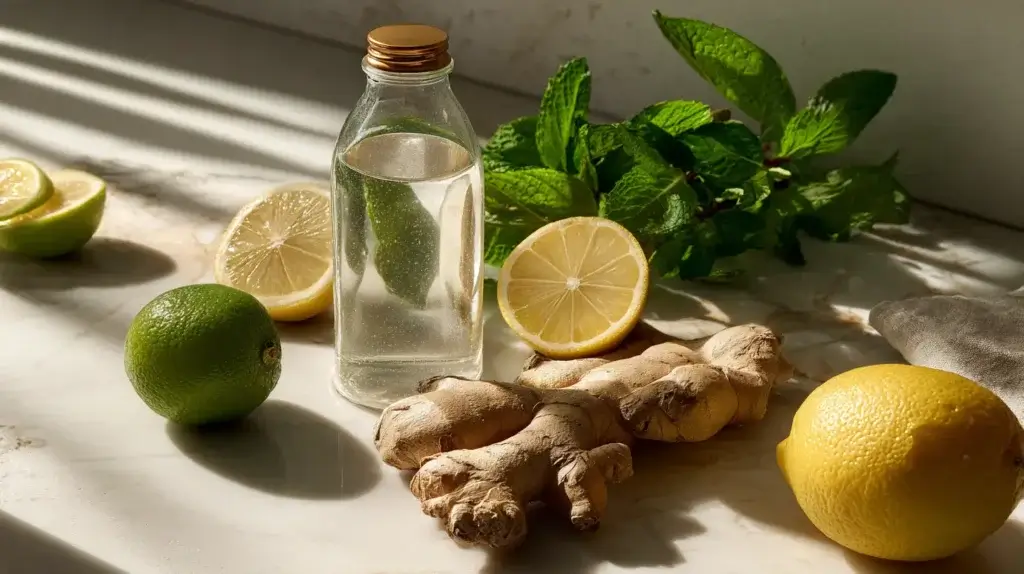
Functional mocktail recipes rely on a short list of familiar ingredients that are easy to find and simple to combine. Instead of complex syrups or artificial mixers, these drinks focus on clean flavors and light textures. The goal is to keep each mocktail refreshing, balanced, and suitable for regular enjoyment.
Herbal Teas as a Mocktail Base
Herbal teas are one of the most popular bases for functional mocktail recipes. They add flavor without heaviness and can be used hot or cold. Once brewed and cooled, herbal teas blend easily with citrus, sparkling water, or fresh herbs.
Popular choices include chamomile, hibiscus, mint, and rooibos. These teas bring natural color and aroma, which makes mocktails visually appealing without extra ingredients.
Citrus Fruits for Freshness and Balance
Citrus plays a key role in many functional mocktail recipes. Lemon, lime, orange, and grapefruit help brighten flavors and add a clean finish. Even a small amount of fresh citrus juice can lift the entire drink and prevent it from tasting flat.
Using freshly squeezed juice rather than bottled versions keeps flavors crisp and helps maintain a simple ingredient list.
Ginger and Light Spices for Flavor Depth
Ginger is commonly used in functional mocktail recipes because it adds warmth and contrast without overpowering the drink. Fresh ginger slices, ginger juice, or lightly infused ginger water can all work well.
Other light spices, such as cinnamon sticks or cardamom pods, are sometimes used in small amounts to add subtle depth. The key is restraint, allowing the drink to stay refreshing rather than intense.
Sparkling Water and Still Water Options
Water is the backbone of most functional mocktail recipes. Sparkling water adds texture and makes drinks feel more celebratory, while still water keeps things smooth and understated.
Many people alternate between the two depending on the occasion. Sparkling water works well for social moments, while still water-based mocktails are often preferred for everyday routines.
Botanical Ingredients in Wellness Drinks
Light botanical ingredients like fresh herbs, floral waters, or fruit peels are often used to enhance aroma and presentation. Mint, basil, rosemary, and edible flowers are common choices.
These elements don’t need to dominate the drink. In functional mocktail recipes, botanicals are used sparingly to support flavor rather than overwhelm it.
Easy Functional Mocktail Recipes to Try at Home
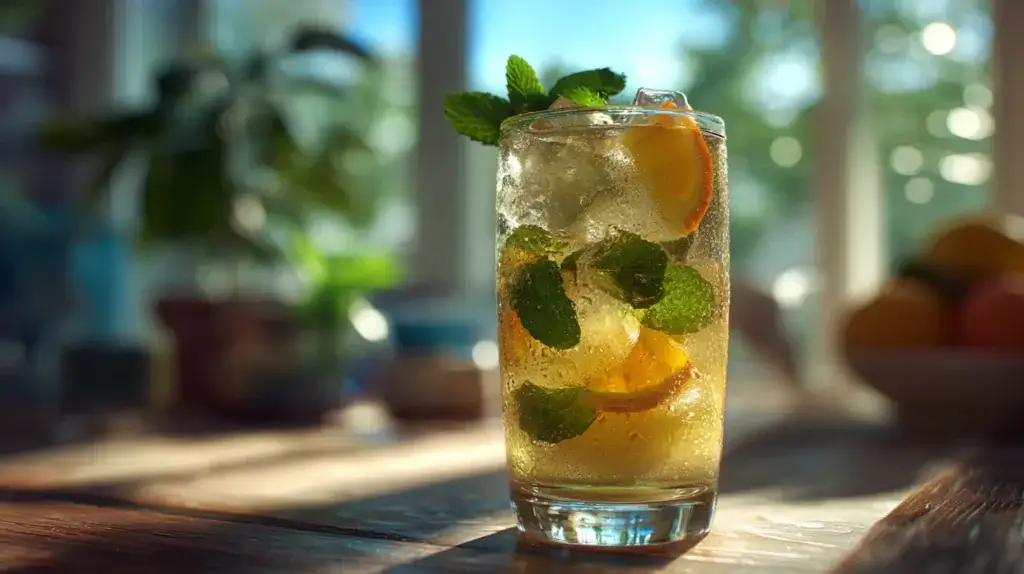
One of the biggest advantages of functional mocktail recipes is how easy they are to make at home. You don’t need special tools, hard-to-find ingredients, or complicated steps. With a few basics, you can create drinks that feel fresh, intentional, and enjoyable for everyday moments.
Below are simple functional mocktail ideas you can adapt based on what you already have in your kitchen.
Herbal Tea–Based Functional Mocktail
Start with a brewed herbal tea that has been cooled to room temperature. Chamomile, mint, or rooibos work especially well. Pour the tea over ice, add a splash of citrus juice, and top with sparkling water if desired. Garnish with a lemon slice or fresh herbs for a clean finish.
This type of mocktail is light, easy to repeat, and ideal for evenings when you want something calm and refreshing.
Citrus and Sparkling Water Mocktail
This is one of the simplest functional mocktail recipes. Combine fresh lemon or lime juice with sparkling water and ice. If you want a slightly softer flavor, add a small amount of orange juice. Stir gently and serve immediately.
Because it’s so straightforward, this mocktail is often used as an alternative to soda during the week.
Ginger Botanical Mocktail
For a ginger-based option, lightly infuse fresh ginger slices in warm water, then let it cool. Strain and pour over ice, add sparkling water, and finish with a squeeze of citrus. A sprig of mint or a thin slice of ginger makes a simple garnish.
This recipe shows how just one bold ingredient can carry a drink without needing extra sweeteners.
Hibiscus-Inspired Mocktail
Brew hibiscus tea and allow it to cool completely. Its natural color and tart flavor make it a favorite for functional mocktail recipes. Mix with still or sparkling water and a touch of citrus. Serve over ice for a visually striking but minimal drink.
Some functional mocktail recipes are inspired by gentle gut health drinks that focus on light and refreshing ingredients.
How to Prepare Functional Mocktails Step by Step
Functional mocktail recipes don’t require advanced techniques or professional tools. The preparation process is intentionally simple so these drinks can be made regularly without effort. By following a few basic steps, you can create mocktails that are consistent, balanced, and enjoyable every time.
Choose a Simple Liquid Base
Every functional mocktail starts with a base. This might be herbal tea, still water, sparkling water, or a combination of both. Choosing one main liquid helps keep flavors clean and prevents the drink from becoming too busy.
If you’re using tea, allow it to cool fully before mixing. This keeps ice from melting too quickly and diluting the drink.
Prepare Infusions or Flavor Bases
If your recipe includes ginger, herbs, or botanicals, it helps to prepare them first. Light infusions can be made by steeping ingredients briefly in warm water, then letting the mixture cool.
This step allows flavors to develop naturally without overpowering the drink. Functional mocktail recipes work best when each ingredient has space to shine.
Add Sparkling Water for Texture
Once your base is ready, add sparkling water if you want a more lively finish. Pour it gently to maintain carbonation and stir lightly. Sparkling water gives functional mocktails a celebratory feel, making them suitable for both casual and social settings.
If you prefer a calmer drink, still water works just as well.
Serve With Ice and Simple Garnishes
Ice helps keep functional mocktail recipes refreshing, especially when served in warm weather or at gatherings. Large ice cubes melt more slowly and help preserve flavor.
For garnishes, keep things minimal. A citrus slice, fresh herb sprig, or piece of ginger is usually enough. The goal is visual appeal without clutter.
Keep the Composition Light and Balanced
The most important step is knowing when to stop. Functional mocktail recipes are meant to be easy and repeatable. Too many ingredients can blur flavors and complicate preparation.
By sticking to a few well-chosen elements, you’ll create mocktails that feel intentional, refreshing, and suitable for everyday enjoyment.
Print
Functional Mocktail Recipes: Easy Non-Alcoholic Wellness Drinks
These functional mocktail recipes are simple, non-alcoholic wellness drinks made with fresh citrus, herbal tea, and sparkling water. They’re light, refreshing, and designed to fit easily into everyday routines without added complexity.
- Total Time: 10 minutes
- Yield: 1 serving 1x
Ingredients
- 1 cup brewed herbal tea (cooled)
- ½ cup sparkling water
- 1 tablespoon fresh lemon or lime juice
- Ice cubes
- Fresh herbs (mint or basil), for garnish
- Citrus slices, for garnish
Instructions
- Brew the herbal tea and allow it to cool completely.
- Fill a glass with ice cubes.
- Pour the cooled herbal tea over the ice.
- Add fresh citrus juice and stir gently.
- Top with sparkling water.
- Garnish with fresh herbs and a citrus slice.
- Serve immediately and enjoy.
Notes
Keep ingredient combinations simple for the best flavor balance. Sparkling water can be replaced with still water for a softer drink. Sweeteners are optional and should be used sparingly, if at all.
- Prep Time: 5 minutes
- Cook Time: 5 minutes
- Category: Beverage
- Method: Stirred
- Cuisine: International
Nutrition
- Serving Size: 1 glass
- Calories: 25
- Sugar: 3 g
- Sodium: 10 mg
- Fat: 0 g
- Saturated Fat: 0 g
- Unsaturated Fat: 0 g
- Trans Fat: 0 g
- Carbohydrates: 6 g
- Fiber: 0.5 g
- Protein: 0 g
- Cholesterol: 0 mg
Keywords: functional mocktail recipes, non-alcoholic wellness drinks, easy mocktails, alcohol-free drinks, wellness beverages
When to Enjoy Functional Mocktails
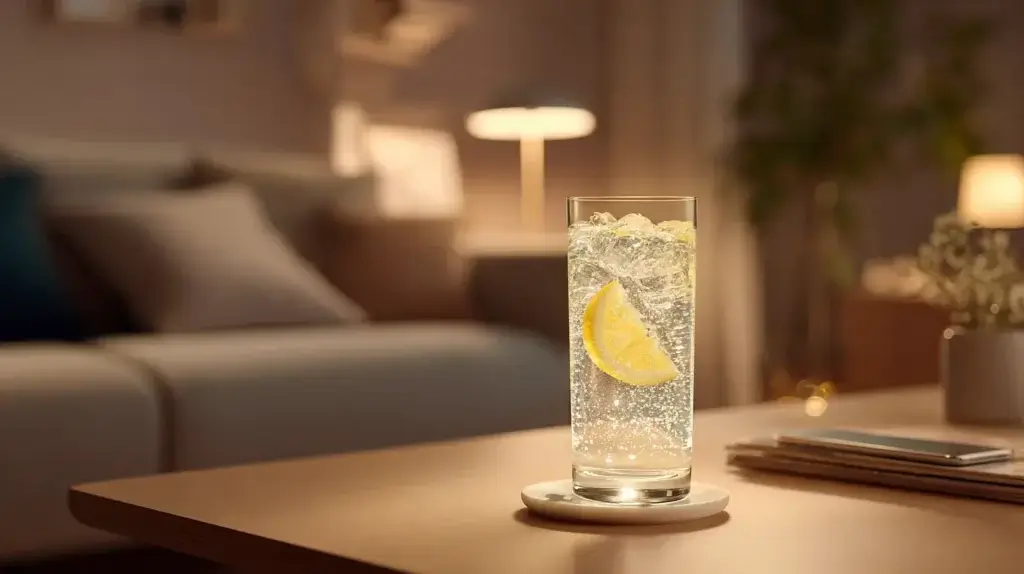
Functional mocktail recipes are flexible enough to fit into many moments throughout the day. Because they’re non-alcoholic and easy to prepare, they can be enjoyed without planning around special occasions. This versatility is one of the main reasons people keep coming back to them.
End-of-Day Relaxation Moments
Many people enjoy functional mocktails in the evening as a way to unwind without alcohol. A lightly flavored drink made with herbal tea or citrus can signal a transition from work to personal time. It feels intentional, yet stays simple enough to become a daily habit.
These moments don’t need to be elaborate. Even a single glass served over ice can feel like a small ritual at the end of the day.
Social Gatherings and Casual Events
Functional mocktail recipes work well in social settings where not everyone wants an alcoholic drink. They offer an option that looks thoughtful and inclusive without drawing attention to what’s missing.
At dinners, brunches, or casual get-togethers, mocktails made with sparkling water and fresh garnishes feel festive while staying approachable for all guests.
Alcohol-Free Alternatives During the Week
Many people prefer to save alcoholic drinks for specific occasions and keep weekdays lighter. Functional mocktail recipes make that choice easier by providing variety and flavor without feeling repetitive.
They’re often used as an alternative to soda or overly sweet drinks, especially during meals or evening downtime.
Inspired by Balanced Wellness Drink Habits
Some people look to existing wellness drink routines for inspiration when creating functional mocktails. You can also create functional mocktails using ingredients commonly found in adaptogenic drinks for balanced daily routines.
The key is intention rather than complexity. Functional mocktails fit best when they support habits that feel natural and enjoyable, not forced or restrictive.
Functional Mocktail Recipes vs Traditional Mocktails
Although functional mocktail recipes and traditional mocktails may look similar at first glance, their purpose and structure are quite different. Understanding this distinction helps explain why functional mocktails are often preferred for everyday routines rather than special occasions only.
Ingredient Simplicity Compared to Classic Mocktails
Traditional mocktails are often designed to replicate cocktails. They may include multiple syrups, juices, and layered flavors to mimic alcoholic drinks. While this can be fun, it also makes them more time-consuming and harder to repeat regularly.
Functional mocktail recipes take a simpler approach. They usually rely on a small number of ingredients that are easy to find and quick to prepare. This simplicity makes them more practical for daily use.
Lower Sugar, Cleaner Flavor Profiles
Many classic mocktails lean heavily on sweeteners to replace alcohol’s depth. As a result, they can sometimes taste more like dessert drinks than refreshing beverages.
Functional mocktail recipes aim for balance instead. Sweetness, if used at all, is minimal and often comes from fruit or naturally flavored bases. The result is a cleaner taste that feels lighter and more refreshing.
Everyday Enjoyment Over Indulgence
Traditional mocktails are often reserved for parties, celebrations, or special menus. Functional mocktails, on the other hand, are designed for everyday enjoyment. They fit easily into weeknight dinners, quiet evenings, or casual moments when you want something more interesting than water.
This shift in purpose makes functional mocktail recipes easier to incorporate into regular habits.
Why Functional Mocktails Feel More Versatile
Because they’re not tied to cocktail culture, functional mocktail recipes feel more adaptable. They can be adjusted based on mood, season, or available ingredients without losing their appeal.
That flexibility is what makes them a lasting option rather than a novelty. Functional mocktails aren’t about imitation—they’re about creating drinks that stand on their own.
Common Mistakes to Avoid When Making Functional Mocktail Recipes
Functional mocktail recipes are meant to be simple and enjoyable, but a few common mistakes can make them less appealing. Knowing what to avoid helps keep these drinks balanced, refreshing, and easy to repeat.
Using Too Many Ingredients at Once
One of the most frequent mistakes is adding too many elements to a single drink. While it can be tempting to combine several fruits, herbs, and spices, this often leads to muddled flavors.
Functional mocktail recipes work best when built around one or two main ingredients, supported by a clean base like water or herbal tea.
Overloading Drinks With Sweeteners
Another common issue is adding too much sweetness. Syrups, honey, or juices can quickly dominate the drink if used without restraint.
A small amount of citrus or naturally flavored tea is usually enough. Keeping sweetness low helps maintain the light, refreshing character that defines functional mocktails.
Confusing Mocktails With Detox or Therapeutic Drinks
Functional mocktails are not meant to replace specialized beverages or promise outcomes. Framing them as detox or treatment drinks can create unrealistic expectations and move away from their purpose.
They are lifestyle drinks designed for enjoyment, not solutions.
Forgetting About Balance and Simplicity
Even with good ingredients, a mocktail can feel off if balance is ignored. Too much acidity, too much spice, or too much carbonation can overwhelm the drink.
By tasting as you go and keeping recipes uncomplicated, functional mocktail recipes stay approachable and pleasant.
FAQs About Functional Mocktail Recipes
What is a functional mocktail?
A functional mocktail is a non-alcoholic drink made with simple, natural ingredients and designed to fit easily into everyday routines. It focuses on flavor, freshness, and mindful enjoyment rather than alcohol or heavy mixers.
Are functional mocktails healthy?
Functional mocktails can be a lighter alternative to sugary drinks when prepared with minimal sweeteners and fresh ingredients. They are commonly enjoyed as part of balanced lifestyle habits rather than for specific outcomes.
Can you drink functional mocktails every day?
Yes, many people enjoy functional mocktails daily as an alcohol-free option. When recipes stay simple and well-balanced, they can fit naturally into regular routines.
Ultra-Quick Summary
Functional mocktail recipes are easy, non-alcoholic wellness drinks made with simple ingredients like herbal teas, citrus, sparkling water, and light botanicals. They’re designed for everyday enjoyment, social moments, and alcohol-free routines—without medical claims or complexity.