

How much water do you need daily? It sounds like a simple question, yet the answer is far from straightforward. You’ve probably heard the classic advice to drink eight glasses a day, but then you’ll see calculators, charts, and experts all saying different things. No wonder so many people feel confused about how much water they really need to drink each day. Daily water needs are often discussed as part of broader wellness drink routines focused on hydration.
The truth is, daily water needs aren’t one-size-fits-all. Your age, body size, activity level, diet, climate, and even your overall health all play a role in determining how much water your body actually needs to function at its best. Drinking too little can leave you tired, foggy, and dehydrated, while drinking too much can also cause problems if electrolytes get out of balance. If you want a deeper look at hydration and mineral balance, you can learn more about hydration and electrolytes here.
In this article, we’ll break down how much water you really need per day using science-backed information, not myths. You’ll learn how hydration affects your body, how to tell if you’re drinking enough, and how to adjust your water intake based on your lifestyle. By the end, you’ll have a clear, realistic understanding of how much water you need daily—and how to make hydration work for you, not against you.
How Much Water Do You Need Daily? Understanding the Basics
Why water is essential for your body
Water makes up about 60% of the human body, so it’s no surprise that it plays a role in almost everything you do. From regulating body temperature to cushioning joints, water keeps your systems running smoothly. When you drink enough water daily, your blood circulates more efficiently, nutrients move where they’re needed, and waste products are flushed out more easily.
Because of this, how much water you need daily isn’t just about quenching thirst. It’s about supporting basic survival functions. Even mild dehydration can interfere with these processes, which is why consistent hydration matters more than occasional large intakes.
How hydration affects energy, digestion, and brain function
If you’ve ever felt tired or unfocused for no clear reason, dehydration might be the culprit. When your body doesn’t get enough water, blood volume can drop slightly, forcing your heart to work harder. As a result, you may feel sluggish or lightheaded.
Digestion is also closely tied to hydration. Water helps break down food, absorb nutrients, and prevent constipation. Without enough fluids, digestion slows down, which can lead to bloating or discomfort. At the same time, your brain is highly sensitive to fluid balance. Studies show that even a small drop in hydration can affect mood, concentration, and memory.
So when people ask how much water do you really need per day, the answer matters not just for physical health, but mental clarity too.
Common myths about daily water intake
One of the biggest myths is that everyone needs exactly eight glasses of water a day. While that guideline is easy to remember, it doesn’t reflect individual needs. Some people may need more, while others need less, depending on lifestyle and environment.
Another misconception is that only plain water counts. In reality, fluids from foods like fruits, vegetables, soups, and even beverages like tea contribute to daily hydration. That said, relying heavily on sugary or caffeinated drinks isn’t ideal.
Finally, thirst isn’t a perfect indicator. By the time you feel thirsty, you may already be mildly dehydrated. That’s why understanding how much water you need daily—and spreading it out over the day—is more effective than waiting for thirst alone.
How Much Water Do You Really Need Per Day? The Science Explained
Where the “8 glasses a day” rule comes from
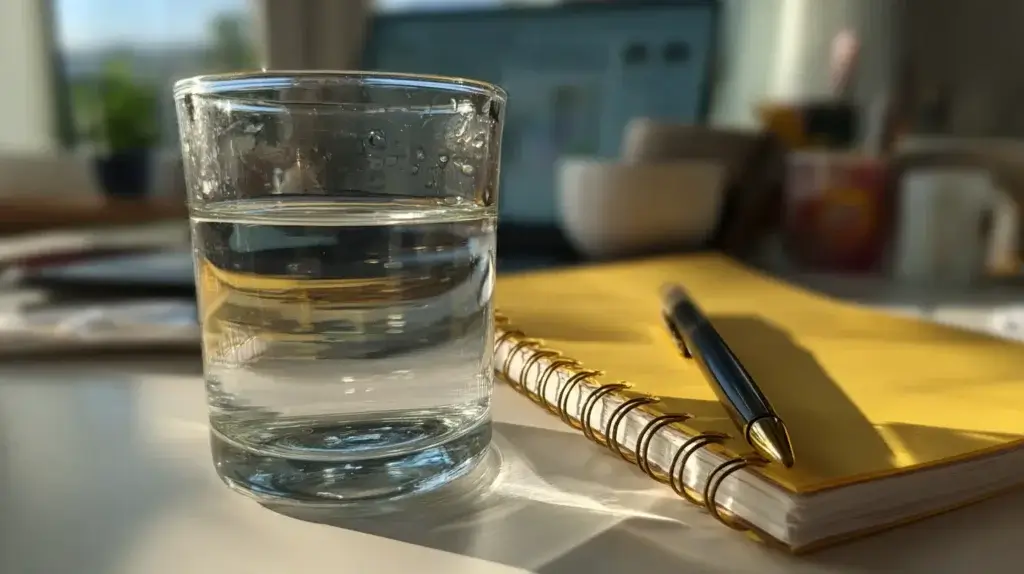
The idea that everyone should drink eight glasses of water a day has been around for decades. Interestingly, it didn’t come from solid science. It’s often traced back to early nutrition guidelines that suggested about 2.5 liters of water daily, but those same guidelines also noted that much of this water comes from food. Over time, that important detail was dropped, and the simplified “8×8 rule” stuck.
While this advice isn’t harmful for most people, it’s also not precise. Some people may need more than eight glasses, while others may function perfectly well with less. That’s why relying solely on this rule can be misleading when you’re trying to figure out how much water you really need per day.
What modern research says about daily water needs
Current research shows that daily water needs vary widely. Instead of a fixed number, scientists now focus on ranges influenced by body weight, metabolism, and daily habits. Many health organizations suggest average intakes, but they also emphasize flexibility.
For example, an active adult living in a hot climate will naturally need more water than someone who is sedentary in a cooler environment. Similarly, people who eat water-rich foods like fruits and vegetables may need less fluid from drinks. So when asking how much water do you need daily, the most accurate answer is: it depends.
Why one-size-fits-all hydration advice doesn’t work
Your body isn’t a measuring cup. It constantly adjusts fluid balance through thirst, urine output, and electrolyte levels. That’s why strict rules often fail. Drinking too little can lead to dehydration, but forcing excessive amounts can also dilute essential minerals.
A better approach is to treat hydration as a daily habit, not a fixed target. Pay attention to urine color, energy levels, and how you feel throughout the day. These cues are often more reliable than counting glasses.
Understanding the science behind hydration helps you move past myths and focus on what your body actually needs. In the next section, we’ll break down recommended water intake by age, gender, and lifestyle so you can personalize your daily water goals.
Recommended Water Intake by Age, Gender, and Lifestyle
How much water should an adult drink per day?
For most healthy adults, daily water needs fall within a broad range rather than a fixed number. On average, many experts suggest that adult men need more fluids than adult women due to higher body mass and muscle content. However, this doesn’t mean everyone should aim for the same ounces or liters.
When thinking about how much water do you need daily, a practical approach is to look at your body size, activity level, and how you feel throughout the day. An adult who moves frequently, exercises regularly, or works outdoors will naturally require more water than someone with a sedentary routine.
How much water should a woman drink a day?
Women generally need slightly less water than men, but the difference isn’t dramatic. Hormonal changes, pregnancy, and breastfeeding can significantly increase water needs. For example, pregnant or nursing women often require additional fluids to support both their own bodies and their babies.
Instead of focusing on a strict rule, women should pay attention to hydration signals like thirst, urine color, and energy levels. These signs offer better guidance than generic charts when deciding how much water you really need to drink each day.
Recommended water intake by age and body weight
Age plays a major role in hydration needs. Younger adults tend to have higher water requirements due to higher muscle mass and activity levels. Older adults, on the other hand, may feel less thirsty even when their bodies need fluids, which increases the risk of dehydration.
Body weight also matters. Larger bodies typically need more water to support circulation and temperature regulation. This is why some hydration guidelines use weight-based formulas rather than fixed daily amounts. While calculators can help, they should be used as a reference, not a rulebook.
Recommended water intake in litres vs ounces
You’ll often see water recommendations listed in liters or ounces, which can be confusing. In the U.S., ounces are more common, while liters are used internationally. What matters isn’t the unit, but consistency and daily habits.
Whether you track your intake in ounces, cups, or liters, the goal is to meet your body’s needs over the course of the day. Spreading your water intake evenly is usually more effective than drinking large amounts all at once.
Factors That Change How Much Water You Need Daily
Climate, temperature, and humidity
Where you live has a big impact on how much water you need daily. Hot and humid environments cause your body to sweat more as it tries to cool itself down. When that happens, you lose fluids faster, even if you’re not exercising. As a result, your daily water needs naturally increase.
Dry climates can be just as dehydrating. Because sweat evaporates quickly, you may not notice how much fluid you’re losing. That’s why people living in hot, dry, or tropical regions often need to drink more water than those in mild climates.
Physical activity and exercise level
The more you move, the more water your body needs. Exercise increases body temperature and leads to fluid loss through sweat. Even light activities like walking or housework can raise your hydration needs if done for long periods.
If you work out regularly or have a physically demanding job, drinking water only when you’re thirsty may not be enough. In these cases, planning your hydration before, during, and after activity helps maintain energy levels and prevent dehydration.
Diet, caffeine, alcohol, and sodium intake
What you eat and drink affects how much water you need daily. Diets high in protein, fiber, or salt can increase fluid requirements because your body uses more water to digest and process these nutrients. On the other hand, eating fruits and vegetables with high water content can reduce how much you need to drink.
Caffeine and alcohol are often labeled as dehydrating, but moderate intake doesn’t cancel out hydration completely. Still, excessive amounts can increase fluid loss, meaning you may need to drink extra water to stay balanced.
Health conditions and medications
Certain health conditions can significantly change your hydration needs. Fever, diarrhea, vomiting, and infections all increase fluid loss. Chronic conditions like diabetes or kidney issues may also require careful attention to daily water intake.
Some medications, including diuretics and blood pressure drugs, affect how your body handles fluids. If you’re managing a medical condition, it’s especially important to understand how much water you need daily and adjust accordingly, sometimes with guidance from a healthcare professional.
How to Drink Water Correctly in a Day
How much water should you drink at a time?
One common mistake people make is drinking too much water all at once. Your body absorbs water more efficiently when intake is spread out. Sipping steadily throughout the day helps maintain fluid balance and prevents the uncomfortable bloated feeling that can come from chugging large amounts.
A good rule of thumb is to drink a glass of water every 30–60 minutes while awake, adjusting based on activity and thirst. This approach supports hydration without overwhelming your system.
Best times of day to drink water
Timing matters more than most people realize. Drinking water shortly after waking up helps replace fluids lost overnight and kickstarts digestion. Having water before meals can support appetite control and digestion, while drinking after meals aids nutrient absorption.
During physical activity, small, frequent sips are more effective than large gulps. In the evening, it’s best to slow down your intake to avoid disrupting sleep with frequent bathroom trips.
Signs you’re drinking too fast or too little
Your body gives clear signals when hydration habits aren’t ideal. Drinking too fast may cause stomach discomfort, nausea, or bloating. On the other hand, drinking too little can lead to dry mouth, dark-colored urine, headaches, fatigue, and difficulty concentrating.
Monitoring urine color is one of the simplest ways to gauge hydration. Pale yellow usually indicates good hydration, while darker shades suggest you may need more fluids.
Using a how-much-water-to-drink-a-day calculator
Hydration calculators can be useful starting points, especially for beginners. These tools often factor in body weight, activity level, and climate to estimate daily water needs. However, they shouldn’t replace listening to your body.
Use calculators as guidance, then adjust based on how you feel, your energy levels, and daily routines. The goal isn’t perfection—it’s consistency.
How Much Water Is Too Much in a Day? Overhydration Explained
Can you drink too much water?
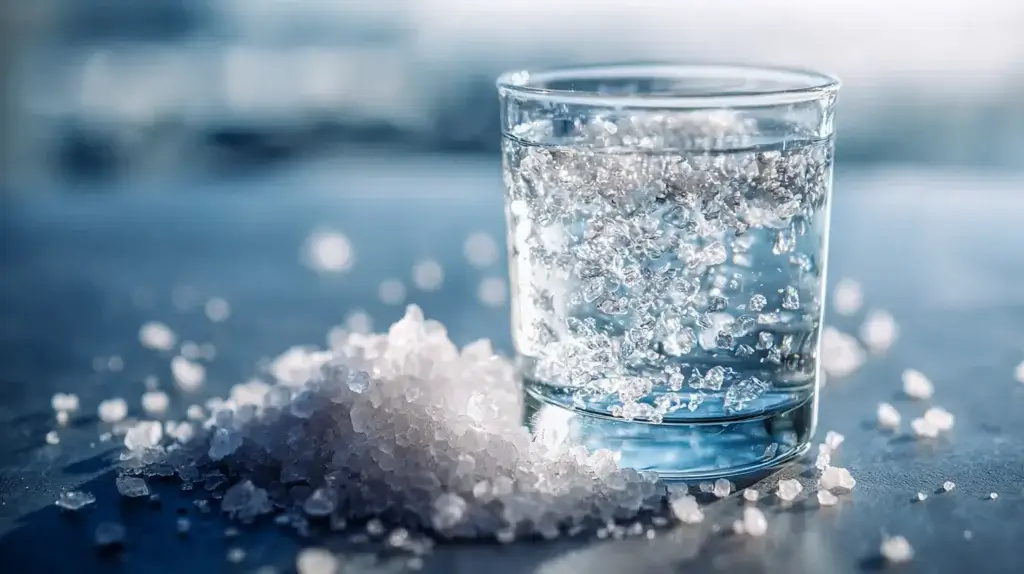
Yes, it is possible to drink too much water, even though it doesn’t happen as often as dehydration. Overhydration occurs when you consume more water than your kidneys can excrete in a reasonable amount of time. When this happens, the balance of electrolytes in your body—especially sodium—can become diluted.
This is why understanding how much water you need daily also means knowing your upper limits. More water isn’t always better, particularly if you’re drinking excessive amounts in a short period without replacing electrolytes.
Symptoms of overhydration and hyponatremia
Severe overhydration can lead to a condition called hyponatremia, where sodium levels in the blood drop too low. Early symptoms may include nausea, headache, bloating, and confusion. As the condition worsens, it can cause muscle cramps, weakness, and in extreme cases, seizures.
These symptoms often get mistaken for dehydration, which leads people to drink even more water—making the problem worse. That’s why balance is key when deciding how much water you really need to drink each day.
How to balance water with electrolytes
Water doesn’t work alone. Electrolytes like sodium, potassium, and magnesium help regulate fluid balance, nerve signals, and muscle function. When you sweat heavily or drink large amounts of water, you also lose electrolytes. Discover great ideas like this pink salt drink.
Balancing hydration means not just drinking water, but also replenishing minerals through food or electrolyte-rich drinks when needed. This is especially important for athletes, people in hot climates, or those following very low-sodium diets.
When increased water intake becomes dangerous
Drinking excessive water can become dangerous during endurance events, extreme workouts, or detox-style challenges that encourage constant water intake. Ignoring thirst cues and forcing fluids can overwhelm your body’s natural regulation system.
A safer approach is to drink consistently, pay attention to thirst, monitor urine color, and consider electrolytes when activity levels or heat increase. Knowing when to slow down is just as important as knowing when to drink more.
What Happens If You Don’t Drink Enough Water?
What happens if you only drink 16 oz of water a day?
Drinking only 16 ounces of water a day is far below what most bodies need to function properly. At that level, your body quickly enters a state of dehydration. Blood volume can drop, circulation becomes less efficient, and your organs don’t get the fluids they need to work smoothly.
As a result, you may feel tired, dizzy, or mentally foggy. Headaches, dry mouth, and dark urine are common signs. Over time, consistently low water intake can strain your kidneys and increase the risk of urinary tract issues.
Short-term vs long-term dehydration effects
Short-term dehydration often shows up as thirst, fatigue, dry skin, and reduced concentration. You might also notice muscle cramps or slower reaction times. These effects can happen even when dehydration is mild, which is why many people don’t immediately connect their symptoms to low fluid intake.
Long-term dehydration is more serious. It can contribute to kidney stones, digestive problems, chronic constipation, and poor temperature regulation. Over time, it may also affect heart health and overall physical performance. This is why understanding how much water you need daily is critical for long-term wellness. In some cases, people choose electrolyte drinks without sugar to support hydration.
How dehydration impacts digestion, skin, and mood
Your digestive system relies on water to break down food and move waste through the intestines. When you don’t drink enough, digestion slows down, often leading to bloating or constipation. Water also helps maintain the protective lining of the gut, which supports nutrient absorption.
Skin is another area that shows dehydration quickly. While water alone won’t fix all skin issues, not drinking enough can make skin appear dull, dry, or less elastic. Mood is affected too—studies link dehydration to irritability, anxiety, and reduced focus.
Warning signs you’re chronically dehydrated
Chronic dehydration doesn’t always feel dramatic. Many people live with it without realizing it. Common warning signs include frequent headaches, low energy, strong-smelling urine, dry lips, and feeling thirsty throughout the day.
If you regularly experience these symptoms, it may be a sign that your daily water intake isn’t meeting your body’s needs. Increasing fluids gradually and consistently can make a noticeable difference in how you feel.
Is 64 Oz of Water a Day Enough? Real-Life Hydration Examples
Is drinking 4 cups of water a day enough?
Four cups of water a day equals about 32 ounces, and for most adults, that’s simply not enough. While some hydration does come from food and other beverages, relying on just four cups of water usually leaves a gap between what your body needs and what it receives.
At this level, many people experience low energy, frequent thirst, and darker urine. Unless your diet is extremely high in water-rich foods and your activity level is very low, four cups of water a day is unlikely to support optimal hydration.
Comparing different daily water intake levels
Let’s look at how different intake levels affect the body:
- 32 oz (4 cups): Often leads to mild dehydration for most adults
- 64 oz (8 cups): Adequate for some people, but not all
- 80–100 oz: Commonly works well for active adults
- Over 120 oz: May be excessive unless paired with heavy activity and electrolyte intake
This comparison shows why asking how much water do you need daily doesn’t have a universal answer. What works for one person may leave another dehydrated.
How much water do you really need each day based on activity
Activity level is one of the biggest hydration variables. Someone with a desk job in a cool environment may feel fine at around 64 ounces per day. However, if you exercise, sweat heavily, or work outdoors, your needs can climb quickly.
For physically active people, hydration isn’t just about total ounces—it’s about timing and consistency. Drinking before activity, taking small sips during movement, and replenishing fluids afterward helps maintain performance and recovery.
Realistic hydration goals you can actually maintain
The best hydration goal is one you can stick to. Instead of forcing yourself to hit a specific number, focus on habits. Carrying a reusable bottle, drinking water with meals, and sipping regularly throughout the day makes hydration feel automatic rather than forced.
Aiming for pale yellow urine, steady energy levels, and minimal thirst is often more practical than chasing a fixed ounce count. When hydration fits naturally into your routine, it becomes sustainable.
FAQs About How Much Water You Really Need to Drink
How much water do you actually need a day?
How much water you actually need a day depends on several factors, including your body size, activity level, climate, and diet. There isn’t a single number that works for everyone. Most people do best when they drink consistently throughout the day and adjust based on thirst, urine color, and energy levels rather than forcing a fixed amount.
Is 64 oz of water a day enough?
For some people, 64 ounces of water a day is enough, especially if they’re sedentary and eat water-rich foods. However, many adults need more, particularly if they exercise, live in warm climates, or sweat frequently. If you’re often thirsty or fatigued at 64 ounces, your body may be asking for more fluids.
What happens if you only drink 16 oz of water a day?
Drinking only 16 ounces of water a day is not enough for most adults. At this level, dehydration can develop quickly, leading to fatigue, headaches, dizziness, and poor concentration. Over time, such low intake can strain your kidneys and negatively affect digestion, circulation, and overall health.
Is drinking 4 cups of water a day enough?
Four cups of water a day, which equals about 32 ounces, is usually insufficient for adults. While some hydration comes from food, this amount often falls short of daily needs. Many people drinking only four cups experience low energy, dark urine, and frequent thirst, all signs that more fluids are needed.
How much water should an adult drink per day?
An adult’s daily water needs vary, but most fall somewhere between moderate and higher intake depending on lifestyle. Active adults, larger individuals, and those in hot environments generally need more water. Instead of focusing on exact ounces, adults should aim for steady hydration throughout the day and listen to their body’s signals.
How much water is too much in a day?
Water becomes too much when intake overwhelms the body’s ability to maintain electrolyte balance. Drinking excessive amounts in a short time, especially without electrolytes, can lead to overhydration. Symptoms may include bloating, headaches, nausea, and confusion. Balance, not extremes, is the key to healthy hydration.
Finding the Right Daily Water Intake for Your Body
Listening to your body’s hydration signals
When it comes to hydration, your body is smarter than most rules and calculators. Thirst, urine color, energy levels, and how you feel throughout the day are all powerful indicators of whether you’re drinking enough. Instead of obsessing over exact ounces, pay attention to these signals and adjust your intake as needed.
Understanding how much water you need daily is really about awareness. On some days, you’ll need more—especially if you’re active, stressed, or exposed to heat. On quieter days, you may need less. Flexibility is what keeps hydration healthy and sustainable. For more practical hydration guidance, you can check out these hydration and electrolyte tips.
Creating a sustainable daily hydration routine
The best hydration routine is one you can maintain without effort. Simple habits like drinking water when you wake up, pairing fluids with meals, and keeping a bottle nearby make a big difference over time. Spreading your intake throughout the day is far more effective than drinking large amounts all at once.
Hydration isn’t about chasing a perfect number. It’s about consistency, balance, and understanding your body’s needs. When you approach it this way, staying hydrated becomes second nature—and your energy, focus, and overall health will thank you for it. If you’re looking for a simple way to support hydration and mineral balance, this pink salt drink recipe is a great place to start.