
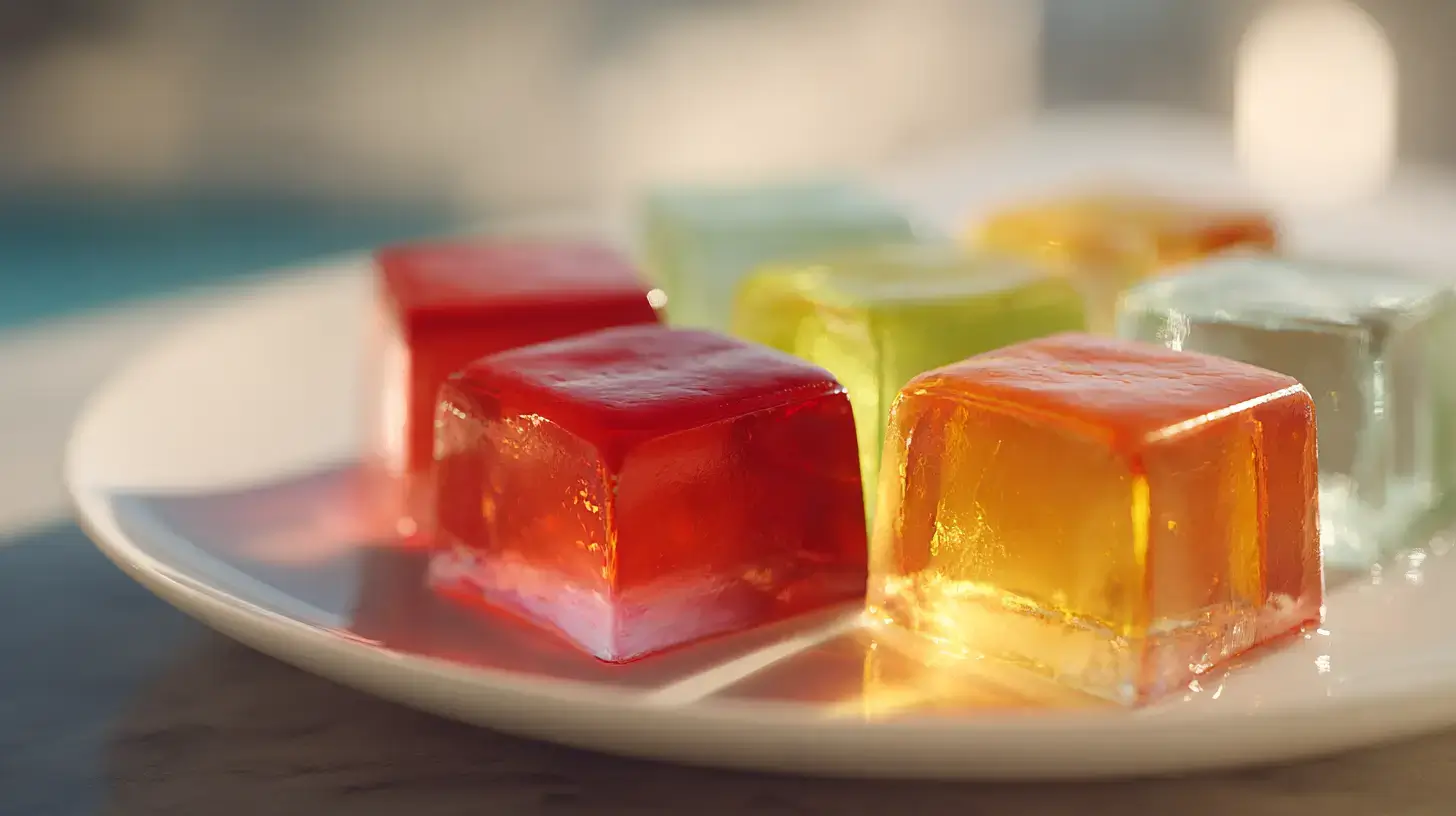
If you’ve ever started a weight-loss plan and felt your motivation disappear the moment a craving hits, you’re not alone. Most people don’t struggle with meals; they struggle with snacking. That’s exactly why this bariatric jello recipe for weight loss has become a quiet favorite among people who want something sweet, refreshing, and genuinely satisfying without ruining their calorie goals.
Instead of relying on sugary desserts or milky protein shakes, this recipe uses gelatin and a clear protein drink. The result is soft and cool, like classic jello, but with real protein that helps you feel full longer. It’s gentle on the stomach, easy to digest, and it won’t trigger that “I need more” feeling the way cookies or candy do. Many readers who already enjoy metabolism-friendly routines like the Costa Rican Tea for Weight Loss or the viral Pink Salt Trick for Weight Loss find this jello fits perfectly into their day because it’s simple and reliable.
You don’t have to be fresh out of surgery to enjoy it. While bariatric patients might recognize the gentle texture from early recovery diets, this version isn’t a hospital recipe—it’s a practical snack tool. Whether you’re trying to control evening cravings, stay full between meals, or just want something light you can prep ahead and keep in the fridge, this recipe was made to help you eat better without feeling restricted.
In the guide below, I’ll show you how to make bariatric jello step by step, when to eat it so it actually supports weight loss, flavor variations that keep things interesting, and a few mistakes to avoid so your jello turns out perfect every time.
What Is a Bariatric Jello Recipe for Weight Loss and How Does It Work?
How bariatric jello is different from regular jello
Regular jello is fun, sweet, and nostalgic, but it’s mostly sugar and colored water. It might satisfy a craving in the moment, yet it won’t do anything for your appetite an hour later. A bariatric jello recipe for weight loss works differently. Instead of empty calories, it’s made with a clear protein drink that gives your body a real nutritional payoff. You get a familiar soft texture, but with actual protein—something your stomach and muscles can use.
The goal isn’t to “cheat” or trick your body. It’s to give it a gentle, satisfying snack that fits into a busy day. Think of it as a tiny bridge between meals. It’s not heavy like cookies or muffins, and it doesn’t spike blood sugar the way candies or flavored yogurts can. You get bite-sized servings that help stop the urge to eat something high in calories.
Why high-protein jello has become popular in weight loss plans
Bariatric jello gained traction when busy people and post-surgery patients began sharing how it helped them stay on track during recovery. Over time, it spread to weight-loss communities because the principle makes sense: small, protein-first snacks reduce overeating later. Instead of reaching for chips or ice cream at night, you can grab two or three cubes that calm your appetite and offer hydration.
This approach works well for people who don’t enjoy protein bars, or who feel bloated after shakes. It also helps those who want something sweet but don’t want to open the door to emotional eating. The light texture doesn’t trigger the “I need more sugar” response, which makes it easier to walk away after a few bites.
The link between bariatric jello, appetite control, and portion awareness
Most weight-loss struggles aren’t about big meals. They happen in quiet moments: standing in front of the fridge, scrolling on the couch, or opening the pantry at 10 p.m. This is where bariatric jello can make a difference. It gives you something to reach for that satisfies the urge to eat, without telling your body to stay hungry.
Protein takes longer to digest, so you feel full for longer. Gelatin adds volume and texture, which sends a subtle “I’ve eaten something” message to your brain. That combination is powerful. You’re not trying to resist cravings through willpower—you’re giving your body what it needs so cravings calm down on their own.
Bariatric jello is not a miracle and it won’t melt fat. But when used consistently, it prevents overeating and helps you stay committed to your calorie targets in the simplest way possible: by making the hard moments less hard.
Benefits of Bariatric Jello for Weight Loss and Appetite Control
Satiety, fullness, and how gelatin affects hunger hormones
Most people underestimate how powerful “volume foods” can be for weight loss. Bariatric jello works because it combines two elements that change how the body responds to hunger: protein and water. When you eat a few cubes, you aren’t just taking in flavor—you’re giving your body signals that it has eaten something meaningful, without loading it with calories.
Protein slows gastric emptying, which is a gentle way of saying: food stays in your stomach a little longer. When digestion slows, the brain receives a “you’re satisfied” message sooner and for a longer period of time. This is especially useful if you tend to snack aimlessly or if you reach for something sweet after dinner. Instead of trying to fight the craving, you simply give your system the tools to quiet it.
Gelatin adds texture and volume. Even though it’s light, your mouth and stomach feel like they’ve consumed something. That sensation matters—a lot. Many dieters fail not because of hunger, but because they never feel like they “ate” anything. Bariatric jello bridges that gap. You’re not drinking a protein shake or chewing a protein bar; you’re taking small, soft bites that engage the senses.
Hydration, low calories, and blood sugar stability
Unlike desserts or snacks built around sugar, this jello delivers taste without pushing your metabolism into roller-coaster mode. Sugar-free gelatin keeps glucose levels stable, which means no energy crash, no post-snack regret, and fewer cravings later. The clear protein drink in the recipe also carries electrolytes and water, so every portion contributes to hydration.
This matters more than people realize. When the body is even slightly dehydrated, appetite signals become confusing. You might think you’re hungry when you’re actually thirsty. A recipe like this pushes hydration quietly in the background. One or two cubes help quench small cravings while giving your body the fluid it needs.
For many people in weight-loss routines, this combination feels refreshing and predictable. It becomes a staple because it doesn’t punish them with extra calories. Instead, it gives a short break from temptation and allows them to move on with the rest of their day.
Bariatric jello versus traditional desserts and snacks
The toughest challenge in weight management is replacing habits, not foods. If you’re used to closing the evening with cookies or a slice of something sweet, it’s going to be hard to suddenly switch to a salad. Bariatric jello works because it doesn’t force you into a completely different behavior—it simply changes the nutritional profile of the moment.
Regular jello is mainly sugar and flavoring. It tastes good, but it comes with a mental trigger: you’re eating dessert. That trigger can lead to more eating later, not less. Bariatric jello flips the script. You still get a pleasant flavor, but it’s built around protein and water rather than glucose. This makes it easier to enjoy a few cubes and stop there.
You’re not bargaining with yourself, you’re not “rewarding” yourself, and you’re not trying to fill emotional gaps with food. You’re simply choosing a snack that supports the way you want to live, rather than one that pulls you back into old patterns. Over time, that small decision becomes a habit—and habits, not single meals, are what move the scale.
Key Ingredients for a High-Protein Bariatric Jello Recipe
Choosing sugar-free gelatin and weight-loss-friendly flavors
When you’re building a snack that supports weight loss, every ingredient matters. The base of a bariatric jello recipe for weight loss is sugar-free gelatin. This is important because regular, store-brand gelatin is mostly sugar in disguise. A single packet may not seem like much, but added sugars compound quickly when cravings hit. Sugar-free gelatin gives you the familiar flavor and texture without the calorie spike that leads to overeating.
The flavor you choose can also influence your experience. Citrus flavors like lime or lemon tend to taste lighter and fresher, which makes them great for afternoon snacks or hot weather. Berry flavors feel slightly richer and often work better for those evening cravings where you want something sweet without the consequences. Peach, cherry, or tropical profiles can be comforting and easy to enjoy when you’re trying to replace an old dessert habit.
You don’t need to get fancy. Start with one flavor you enjoy and stick with it for a week. Once it becomes routine, add a second flavor to keep things interesting. The goal is not gourmet experimentation—it’s consistency.
Best clear protein drinks and protein powders for bariatric jello
The second pillar of the recipe is a clear protein drink. These are different from classic protein shakes. They’re thinner, lighter, and easier to digest. A scoop of milky protein can feel like a meal, but a clear protein adds nutrients without heaviness. When mixed into gelatin, it creates a snack that your stomach accepts easily.
For most people, ready-to-drink protein waters are the simplest option. You pour, mix, and chill. They usually contain between 15 and 20 grams of protein, which translates into several small, satisfying servings. This is a sweet spot for weight loss: not so much protein that it feels like a meal, but enough to quiet cravings.
Powders are an alternative, though they require a bit more attention. Clear whey isolate dissolves well and doesn’t add the chalky texture that traditional powders do. If you go this route, make sure the powder is designed to mix with water, not milk. Anything creamy or foamy will disrupt the texture and defeat the purpose of having a light snack.
Avoid blends that mention “milk protein,” “casein,” or “meal replacement.” They’re great for shakes or smoothies, but they’re too heavy for gelatin and can create bloating or digestive stress.
Optional add-ins for weight management
You don’t need extras to make this recipe work. However, once you’re comfortable with the foundation, a few small additions can enhance your results or keep things interesting.
A touch of lemon or orange extract can sharpen the flavor without adding calories. Electrolyte drops are useful if you sweat a lot, work long hours, or live in a warm climate. They help with hydration while keeping the sweetness in check. Unflavored collagen is another option some people enjoy. It doesn’t behave like protein powder, so it won’t turn the jello into a heavy block, but it can offer a mild protein bump and a smoother texture.
The important thing is to avoid add-ins that trigger hunger patterns. Chocolate syrups, whipped cream, fruit puree, or sugary toppings reset the snack into “dessert mode.” The moment your brain feels like it’s a treat, you’re more likely to want seconds. The healthier approach is to let the simplicity do the work. Cool, sweet, protein-rich cubes that are effortless to eat—nothing more.
Bariatric Jello Recipe for Weight Loss: Step-by-Step Instructions
Basic high-protein jello recipe (measurements, steps, and setting time)
This version is designed for everyday weight-loss routines. It’s simple, gentle, and fast to prepare. You can make it once and enjoy it over several days without thinking about snacks or portion sizes.
Ingredients
- 1 packet sugar-free gelatin (any flavor you like)
- 1 cup hot water, just off a boil
- 1 cup chilled clear protein drink
This ratio matters. Gelatin plus hot water allows crystals to dissolve fully, while the cold protein drink helps the jello set quickly and evenly. If you try to cheat this step, you’ll end up with a grainy or watery texture.
Instructions
- Dissolve the gelatin.
Sprinkle the gelatin into a bowl and pour the hot water over it. Stir slowly for 60 to 90 seconds. The mixture should look smooth and translucent. If you see grains, stop and keep stirring until they disappear. - Add the chilled protein.
Pour the cold protein drink into the bowl and mix gently. Fast stirring creates foam, and foam creates texture problems. Slow and calm is better.

- Pour and chill.
Transfer the liquid into silicone molds, snack cups, or a shallow dish you can cut later. Refrigerate for at least 4 hours. Overnight produces the most consistent texture. - Portion and enjoy.
Cut into small cubes or scoop with a spoon. Start with two or three cubes. That’s enough to quiet a craving or hold you until your next meal.
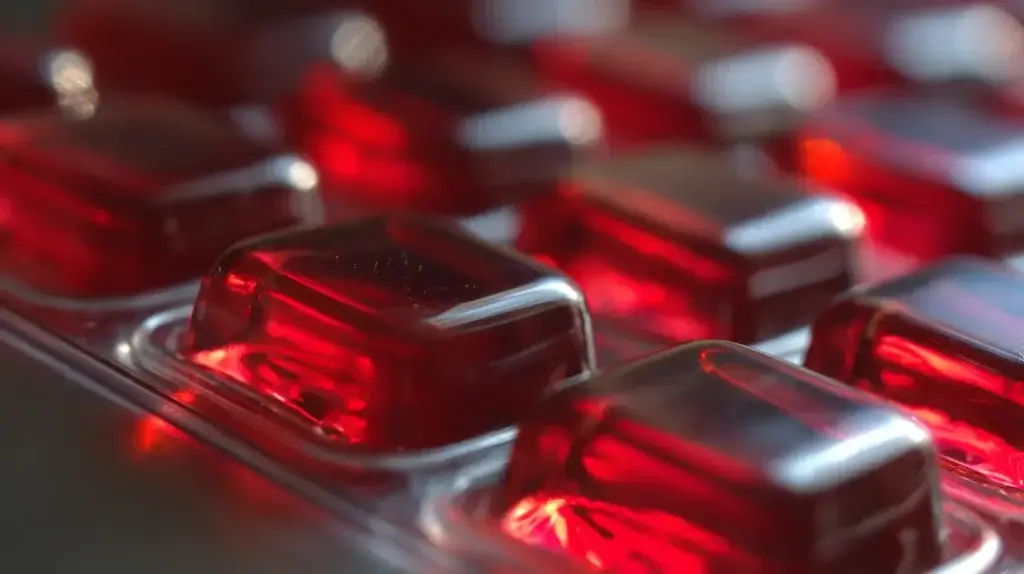
This method gives you a clean, high-protein snack that works with your goals instead of against them. You’re not thinking about dessert, and you’re not struggling with willpower. You’re simply using a tool.
Portion sizes for weight loss versus post-surgery recovery
Most people don’t realize that portions influence psychology as much as hunger. If you serve yourself a full bowl, your brain says “meal” and asks for more. If you serve small cubes, your brain says “snack” and is satisfied faster. This is why bariatric jello is portioned in bite-size pieces rather than scoops or layered cups.
For weight loss, two to four cubes is enough. The texture and light sweetness calm the immediate desire to eat. The protein quiets appetite, and the water content offers a gentle feeling of fullness. If you’re someone who tends to snack at night or stress-eat after work, this portioning alone can change everything.
Some people who have had bariatric surgery may recognize this texture from their recovery period, but remember: the purpose here is different. You’re not trying to tolerate food; you’re trying to navigate hunger patterns and prevent overeating. Those are two separate goals.
Storage, batch prep, and how long bariatric jello lasts in the fridge
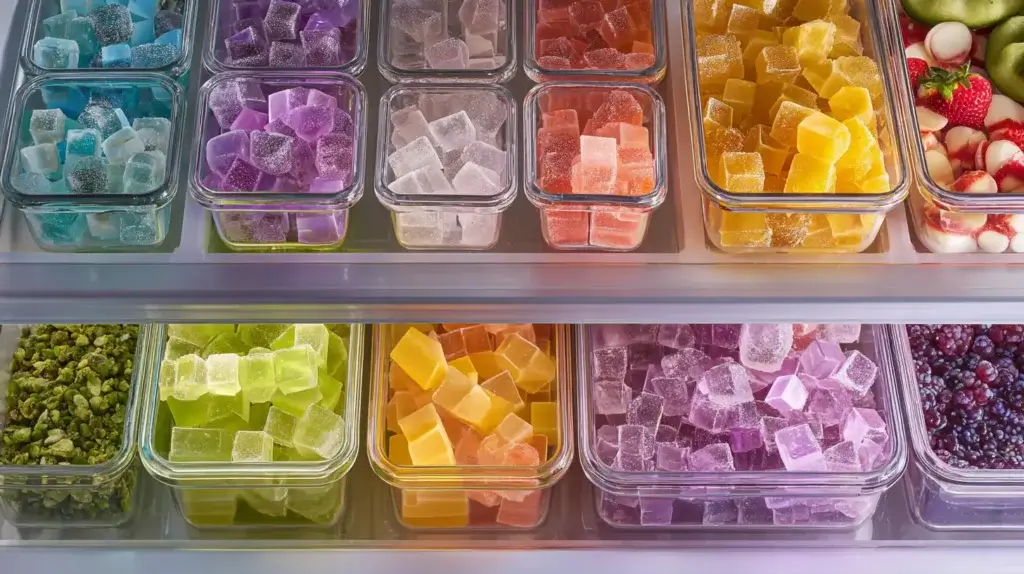
One of the best parts of this recipe is how little maintenance it requires. Make a batch once, and you’re set for several days. Keep your jello covered in an airtight container, and store it in the refrigerator. It stays fresh for three to four days, which makes it ideal for weekday planning.
If you’re someone who tends to snack out of boredom or habit, batch prep becomes a quiet form of self-support. When cravings hit, you’re not scrambling to find something healthy—you already have it ready. Two cubes, maybe three, and you go back to your life. The decision is already made.
If you want to get ahead of schedule, prepare two flavors at once. Alternate them so you don’t get bored. The goal is consistency through simplicity—not perfection.
Bariatric Jello Recipe for Weight Loss: High-Protein Snack That Actually Helps With Cravings
- Total Time: 4 hours 5 minutes
- Yield: 6–10 mini portions 1x
Description
This high-protein bariatric-friendly jello is the perfect low-calorie, sugar-free snack. It’s light, refreshing, easy to digest, and made with clear protein drinks to help support weight loss goals — ideal for post-op, wellness plans, or sugar-conscious cravings.
Ingredients
- 1 packet sugar-free gelatin (any flavor)
- 1 cup hot water
- 1 cup chilled clear protein drink (Premier Clear, Isopure Infusions, Protein2O, clear whey isolate)
Instructions
- Dissolve gelatin in hot water and stir 60–90 seconds until smooth.
- Pour chilled clear protein drink into gelatin and mix gently.
- Transfer to silicone molds or small cups.
- Chill for at least 4 hours.
- Cut into cubes and enjoy 2–3 pieces per serving.
Notes
Keep portions small. Avoid creamy shakes. Store covered for 3–4 days. Do not add fruit if cravings are your main concern.
- Prep Time: 3 minutes
- Cook Time: 1 minute
- Category: Snack / Weight Loss
- Method: Refrigeration
- Cuisine: Bariatric-friendly / Wellness
Nutrition
- Serving Size: 1 mini portion (2–3 cubes)
- Calories: 10–20
- Sugar: 0g
- Sodium: 10–25mg
- Fat: 0g
- Saturated Fat: 0g
- Unsaturated Fat: 0g
- Trans Fat: 0g
- Carbohydrates: 0–2g
- Fiber: 0g
- Protein: 7–10g
- Cholesterol: 0mg
Keywords: bariatric jello, weight loss snack, sugar-free jello, protein jello, clear protein snack
When and How to Eat Bariatric Jello for the Best Weight-Loss Results
Using bariatric jello before meals to reduce calorie intake
Most weight-loss plans fail in moments of hunger, not at mealtime. A few cubes of bariatric jello before lunch or dinner act like a soft landing. The protein gives your body something substantial, while the gelatin fills space gently. This combination helps you start your meal calmer, with fewer urges to overeat.
Think of it as a small, strategic pre-meal snack. Not a replacement for food, not a dessert, just a tool that helps you enter mealtime with more control. If you already enjoy morning metabolic rituals like the Pink Salt Trick for Weight Loss, you’ll recognize the same principle: hydration + light intake = easier appetite management. When the body isn’t stressed or starving, choices naturally improve.
You don’t need to do math or weigh your plate. The jello sets the stage. Less emotional eating, fewer rapid cravings, and a smoother start to meals.
Late-night cravings, emotional eating, and snack timing
Nighttime cravings are where this recipe shines. You come home from work, you’re tired, and your brain wants something sweet or comforting. Instead of fighting those signals, you redirect them. Two or three small cubes satisfy the mouth without triggering a sugar rush. They take the edge off, help you settle down, and prevent the “eat everything in the fridge” spiral.
This is especially effective when paired with a soothing evening ritual. Some readers like herbal tonics, like the gentle tropical blend in the Costa Rican Tea for Weight Loss. Others prefer simple hydration approaches. You don’t need a perfect system. You just need predictable routines that support your goals.
The key is consistency. A small snack like this works because it fits into real life. No measuring spoons, no calorie counting apps—just a quiet habit that helps you make better choices.
How often you can eat bariatric jello in a realistic diet plan
Frequency matters because it shapes how your brain interprets the food. If you treat bariatric jello as a dessert, you’ll crave it like a dessert. If you treat it as a tool, it becomes one. For most people, one or two servings a day is ideal. Eat a few cubes when hunger hits, then move on.
If you’re using GLP-1s, or you’re working with a structured appetite routine similar to the Tirzepatide Meal Plan for Weight Loss, jello fits neatly into the “snack window.” It provides protein without heaviness and helps bridge the gap between meals.
Try this simple schedule:
- One serving before lunch or dinner
- One small serving at night when cravings show up
You don’t need to be strict. The purpose of bariatric jello is to reduce pressure, not increase it. Food should support your life, not control it.
Flavor Variations and Customization Ideas for Bariatric Jello
Berry blends that feel indulgent without the calories
If you’re someone who naturally leans toward dessert flavors, berry-based jello variations feel comforting and familiar without sabotaging your goals. Strawberry gelatin with a clear berry protein water is a great starter option. The taste is slightly sweet, gently tart, and soft enough to enjoy at night when cravings usually strike. Blueberry or mixed berry options work the same way, and they don’t create the “sugar chase” that cookies or ice cream do.
For many people, berry flavors offer another benefit: they feel like a treat while still being light. That psychological angle matters. You’re not trying to trick yourself; you’re giving your brain a flavor profile it recognizes, but without the sugar rush or the desire to eat more afterward.
Tropical and citrus combinations for afternoon energy
Citrus flavors—lemon, lime, pineapple essence (without real pineapple), grapefruit-type mixes—tend to deliver a refreshing, clean taste. These are great options for early afternoon or early evening when you’re mentally tired and your body wants a boost. They work especially well in warmer climates or during busy weeks when hydration becomes an issue.
One creative variation is to mix unflavored gelatin with a chilled tropical clear protein drink. The gelatin becomes a neutral base, and the protein water does the heavy lifting. The result is a smooth, slightly fruity cube that doesn’t taste artificial. Another option is mango or passionfruit protein waters. They deliver flavor but remain whisper-light, which is why many people reach for them after work instead of a sugary beverage.
If you enjoy herbal blends or gentle hydration rituals, combinations like these pair beautifully with calming drinks such as the Costa Rican Tea for Weight Loss. They share the same intention: refreshment without a crash.
Protein-boosted twists that don’t sabotage digestion
Once you feel comfortable with the basic recipe, you can experiment with small adjustments to fit your taste or nutritional preferences. Clear whey isolate powder, for example, dissolves well in water. Since it isn’t creamy or milky, it blends easily into gelatin without turning the cubes into paste or pudding. This gives you a higher-protein snack but still keeps the texture crisp and easy to manage.
You can also add a tiny amount of citrus essence or electrolyte drops if you find the base flavor too soft. These add-ins help lift the taste without pushing calories upward or turning the snack into a dessert. A little goes a long way. The goal isn’t intensity—it’s balance.
Avoid fruit puree, chunky fruit pieces, creamy shakes, or chocolate syrups. They change how your brain reads the snack. Instead of a tool for appetite control, your body interprets it as a treat. That mental shift can undo the very benefit the recipe provides. The best approach is subtlety: clean flavors, light sweetness, and just enough protein to make hunger settle quietly.
How Bariatric Jello Fits Into Different Weight-Loss Lifestyles
Bariatric jello for gastric sleeve and bypass patients (later phases, not post-op rules)
A lot of people discover bariatric jello during recovery, but the reason it becomes a long-term tool is different. After gastric sleeve or gastric bypass, the stomach has limited volume. Even after you move past liquid and purée stages, eating large portions can feel uncomfortable or emotionally stressful. Small, soft snacks like bariatric jello help you stay calm around food. You’re not grazing all day, and you’re not forcing yourself to finish a full meal just because it’s there.
Here’s what surprises most people: once recovery is behind you, jello isn’t a medical requirement—it becomes a lifestyle aid. Instead of using it to “tolerate” food, you use it to manage cravings and energy. Some days, your appetite is unpredictable. Other days, you want something sweet but don’t want to undo a week of good habits. A few cubes give you a middle ground: enough to feel satisfied, not enough to derail you.
If you like gentle routines that don’t feel extreme or restrictive, many readers pair this snack with calming wellness drinks like the Costa Rican Tea for Weight Loss. Both share the same philosophy: small, comforting habits that naturally support long-term progress.
Using bariatric jello with GLP-1 and tirzepatide meal plans
People using GLP-1 medications like tirzepatide quickly learn a simple truth: hunger swings aren’t linear. Some days you eat very little. Other days you feel cravings pop up at odd times, especially in the evening. Bariatric jello fills that gap smoothly. It gives you protein without heaviness and hydration without the caffeine or sugar rollercoaster.
Many GLP-1 users think, “I’ll just have a protein shake,” but shakes often feel like a meal. They’re thick, dense, and sometimes leave you bloated. Jello is different. It feels more like a nibble than a beverage, so you’re free to eat a proper lunch or dinner without feeling weighed down. It’s also easier to control portions because the snack is visually finite. You see three cubes, you eat three cubes, and you’re done.
If you’re structuring your diet around small windows of intake and protein-first meals, it fits effortlessly alongside routines similar to the Tirzepatide Meal Plan for Weight Loss. You’re building consistency without negotiating with yourself every night.
Low-carb, high-protein, or intermittent fasting: where jello makes the most sense
Even if you’re not in the bariatric community, bariatric jello works well in diets that prioritize stability over strictness. Low-carb eaters love it because it satisfies the desire for something sweet without triggering carb cravings. Protein-focused people like it because it adds grams of protein without requiring a full meal. Intermittent fasting fans rely on it during non-fasting windows because it gives light, manageable energy while avoiding emotional bingeing.
Some readers replace 9 p.m. “snack moments” with jello cubes, and it changes everything. Others eat it mid-afternoon when they get tired and reach for vending-machine food. And some simply keep a batch in the fridge to avoid impulsive grocery runs.
If you prefer a warm, digestive-friendly alternative, many people enjoy the Coffee Ginger Lemon Honey Benefits beverage on days when they want comfort, not sweetness. Both options serve the same purpose: make eating simpler and kinder to your nervous system, not more stressful.
Common Mistakes and Safety Tips When Making Bariatric Jello for Weight Loss
Ingredient mistakes that add hidden calories or sugar
One of the easiest ways to sabotage a bariatric jello recipe for weight loss is to use flavored gelatin with added sugars. It may seem harmless, but even small amounts of real sugar change how your brain interprets the snack. The moment your body sees a dessert, it wants more dessert. You’re no longer calming cravings—you’re feeding them.
Another common mistake is using creamy protein shakes. They’re popular for smoothies and post-workout meals, but they do not belong in jello. Cream-based drinks introduce fats, lactose, and thicker textures that convert the recipe into something dense. People often think they’re boosting the nutritional value, but the outcome is the opposite. You get a heavier, high-calorie treat that misses the entire point: light, clean, and calming.
If you prefer light hydration snacks that balance sweet and savory, and don’t want to overthink ingredients, you might enjoy the mineral-forward approach in the Pink Salt Trick for Weight Loss. It doesn’t replace jello, but it works on the same principle: simple inputs, meaningful results.
Texture and digestion issues that ruin the experience
The second pitfall is texture. The most common reason bariatric jello fails is improper mixing. Gelatin must dissolve fully before the chilled protein drink is added. If you rush this step, you’ll get grainy pockets or uneven layers. It doesn’t matter how many grams of protein you used—the experience will feel wrong, and you won’t want to eat it again.
Another issue is foaming. When you stir too fast, you trap air into the mixture. That creates bubbles, and the end result becomes spongy rather than silky. It looks less appetizing and often sits heavier on the stomach. Slow, steady mixing creates a cleaner set and a more comfortable snack.
Portioning also matters. Cutting large blocks or filling big cups leads to overconsumption, even when calories remain low. The reason is psychological: your brain interprets what it sees. A handful of small cubes communicates “snack.” A bowl communicates “dessert.”
When to talk to your doctor or dietitian before adding bariatric jello
Most people can enjoy bariatric jello without needing medical input. It’s mild, sugar-free, and built around hydration and protein rather than stimulants or fat burners. Still, there are situations where professional advice is important.
If you’re early post-op, on strict medication, or dealing with gastrointestinal issues, it’s better to ask first. Not because the recipe is dangerous, but because your body might respond differently when it’s still healing. A clinician who understands your history can tell you when to start and how often to use it.
Even if you’re not post-surgery, check in with a dietitian if jello becomes your main protein source. It’s a tool, not a diet. It’s there to bridge cravings, not to replace meals or nutrients your body actually needs.
FAQs About Bariatric Jello for Weight Loss
What is a bariatric jello recipe for weight loss?
A bariatric jello recipe for weight loss is a simple snack made with sugar-free gelatin and a clear protein drink. It looks and tastes like classic jello, but instead of being mostly sugar and water, it provides protein, hydration, and a light feeling of fullness. Because it’s soft and portion-controlled, it helps calm cravings without pushing you toward heavy desserts or calorie-dense snacks.
Unlike hospital-style gelatin recipes for early recovery, this version isn’t designed for tolerance or stage-based eating. It’s meant for people who want a sweet, refreshing option that fits a weight-loss routine.
Can bariatric jello really help you lose weight?
It won’t melt fat on its own, but it can make weight loss easier. When you eat a few cubes before a meal or at night, you give your stomach protein and water. That combination slows digestion and reduces hunger signals, so you naturally eat less later.
People who struggle most with emotional eating or post-dinner snacking often see the biggest difference. You replace the impulse to grab cookies or cereal with something calm and intentional. The change isn’t dramatic, but it’s consistent—and consistency is what moves the scale.
When is the best time to eat bariatric jello for weight loss?
Two situations are especially effective:
Before meals. A small serving makes it easier to start eating without feeling ravenous, which leads to smaller portions naturally.
At night. Evening cravings aren’t about hunger—they’re habits. A few cubes offer sweetness and texture without triggering binge behavior.
Some people also enjoy a midday serving when energy dips, or on travel days when they don’t want a full snack. The recipe is flexible: it adapts to your schedule rather than forcing you into a strict plan.
What kind of protein can you use in bariatric jello?
Clear protein drinks work best. They dissolve easily into hot gelatin and set into a firm, smooth texture. Ready-to-drink options tend to be the simplest: they give you 15–20 grams of protein, stay light on digestion, and avoid the heaviness that comes with creamy shakes.
Clear whey isolate powders are another option as long as they’re designed to mix with water. Avoid blends that mention milk proteins, casein, or meal replacement, as they don’t behave well in gelatin and often create a dense, clumpy result.
Is bariatric jello safe after gastric sleeve or bypass surgery?
Yes, as long as you’re past the early recovery phases and cleared for normal food texture. Post-surgery patients often discover this snack early, but once you’re healed, the purpose changes. You’re not trying to tolerate food—you’re trying to manage appetite and avoid overeating.
If you’re unsure about timing or have ongoing digestive sensitivity, ask your surgeon or dietitian.
How often can you eat bariatric jello on a diet?
For most people, one to two servings a day is enough. You want it to be a helpful habit, not a replacement for meals. A few cubes before dinner or a portion at night when cravings strike is usually all it takes.
If you’re following a structured plan like GLP-1 or appetite-window eating, bariatric jello fits easily into that rhythm. The key is to use it as a tool—something that makes your life easier—not as a reward or dessert.
Conclusion — Why Bariatric Jello Works When Most “Diet Snacks” Don’t
Weight loss rarely comes down to a single meal. It comes down to dozens of tiny decisions you make throughout the day. When you’re tired, stressed, or fighting cravings, you don’t want to negotiate with your hunger. You want something that works quickly, feels comforting, and supports your goals instead of competing with them.
This bariatric jello recipe for weight loss does exactly that. It provides hydration, volume, and protein in a form your body actually enjoys. Instead of resisting cravings, you redirect them. Instead of punishing yourself, you give yourself a small, gentle tool to stay on track.
You don’t need complicated formulas, expensive powders, or strict plans. You just need something simple you can come back to again and again. Make a batch, cut it into small cubes, and keep it in your fridge. When hunger sneaks up, you’ll already have the answer.
If you want other natural weight-loss routines that complement this snack beautifully, explore the gentle metabolic rituals found in the Pink Salt Trick for Weight Loss or the soothing hydration of the Costa Rican Tea for Weight Loss. Small habits like these are how real change starts.