
Updated August 2026
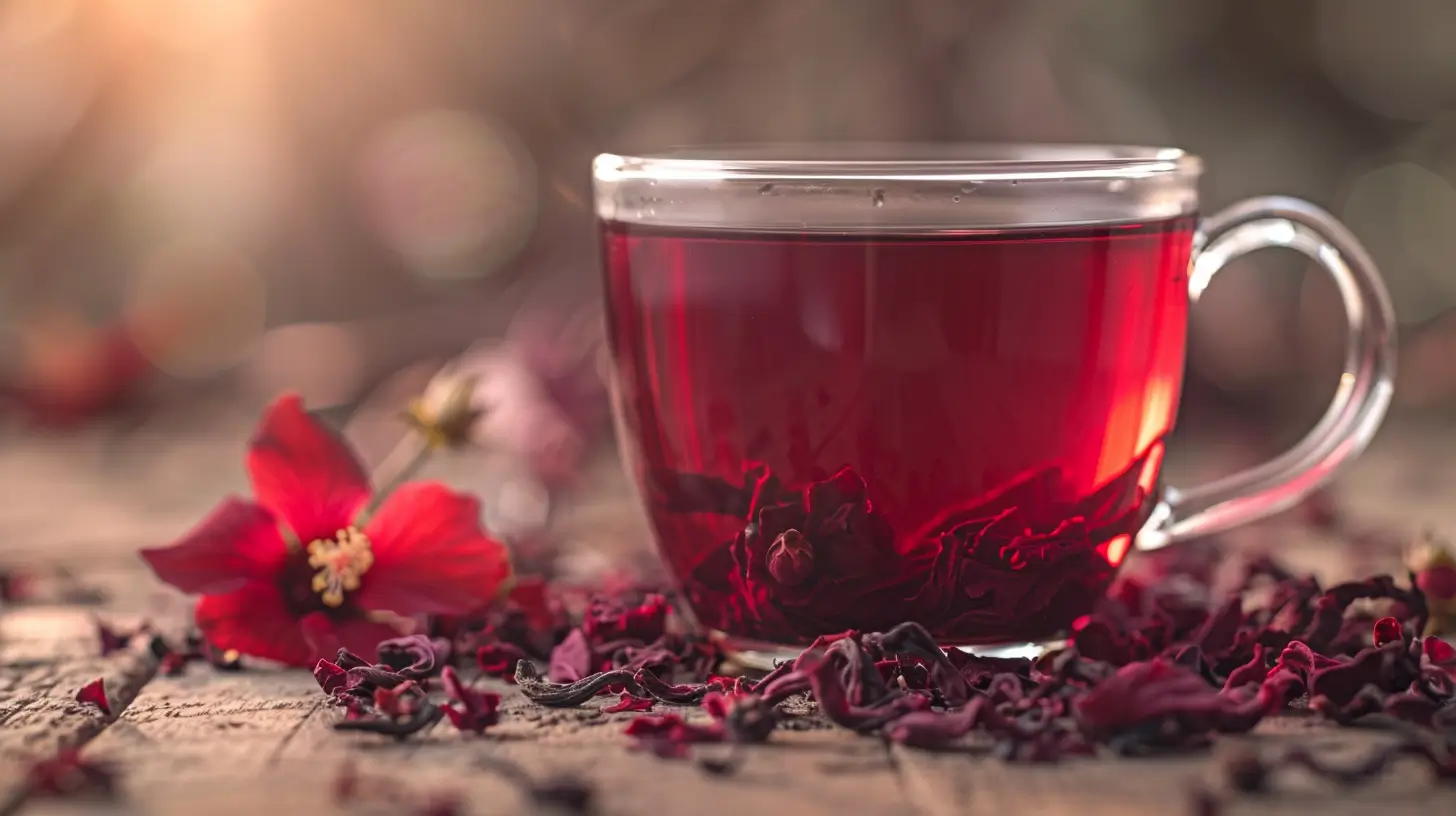
Hibiscus tea has moved from a traditional drink in North Africa, the Caribbean, and Latin America to one of the most talked-about herbal teas in wellness circles — and unlike many trendy drinks, its main benefit is backed by real clinical trials, not just tradition.
Made from the dried calyces of Hibiscus sabdariffa, this caffeine-free, deep-red infusion is best known for one specific effect: modestly lowering blood pressure with regular use. Below, we break down exactly what the research shows, what hibiscus tea can’t do, and how to fit it into your routine safely.
What Is Hibiscus Tea?
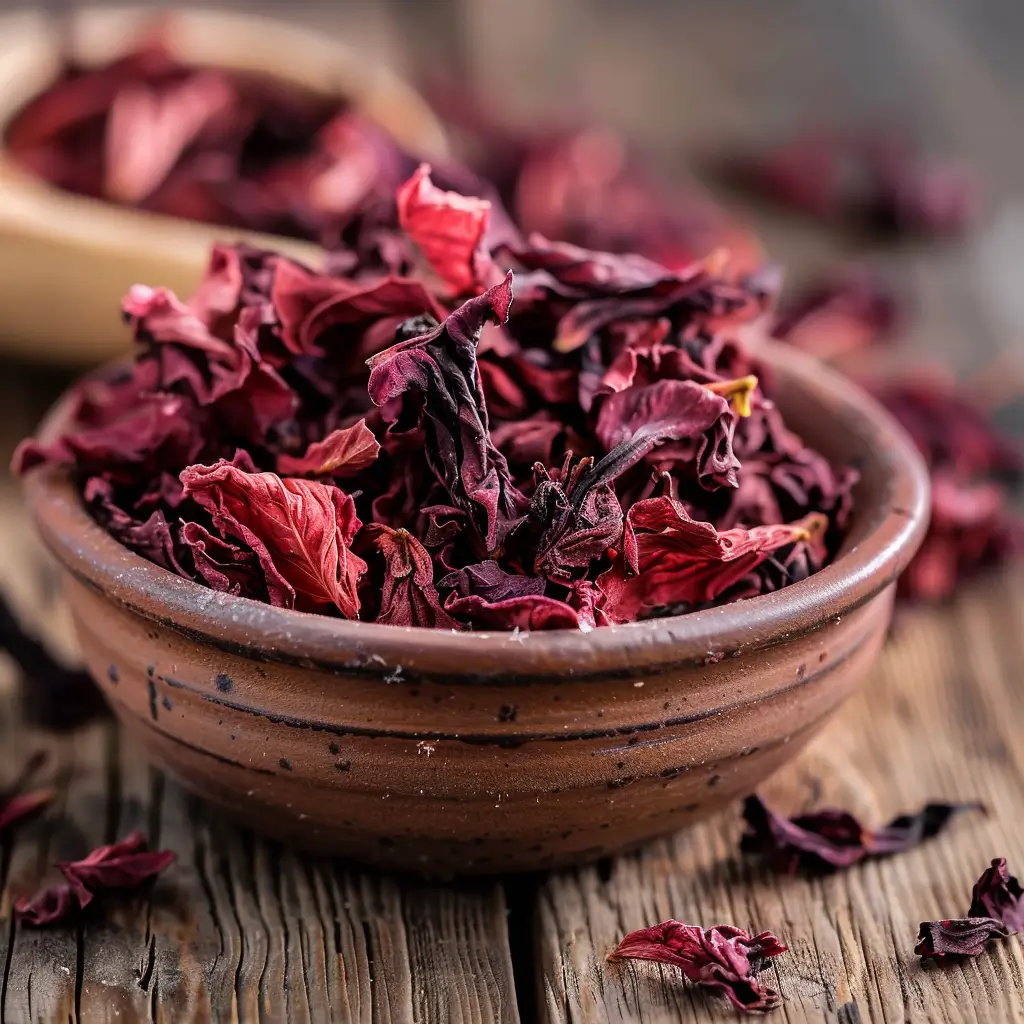
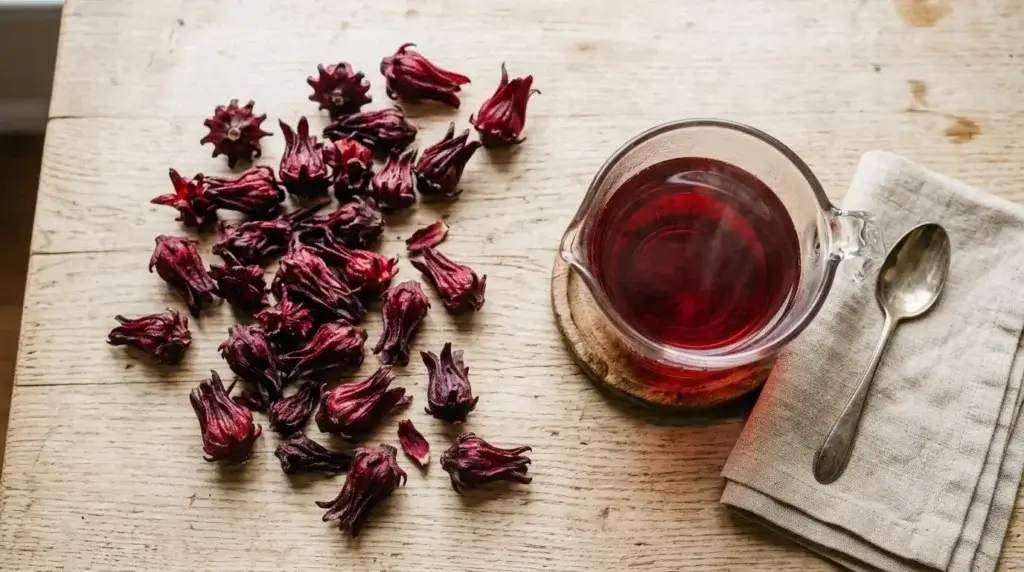
Hibiscus tea is made by steeping the dried calyces (the petal-like structure that holds the flower) of Hibiscus sabdariffa in hot or cold water. It’s naturally caffeine-free and gets its tart, cranberry-like flavor and deep red color from anthocyanins and organic acids (citric, malic, and hibiscus acid).
It’s known by different names depending on the region: karkade in Egypt and Sudan, agua de jamaica in Mexico, bissap in West Africa, and sorrel in the Caribbean.
Hibiscus Tea Benefits: What the Research Actually Shows
Blood pressure support — the best-documented benefit
This is where hibiscus tea has the strongest evidence behind it. A randomized, double-blind, placebo-controlled trial from Tufts University (McKay et al., published in the Journal of Nutrition, 2010) followed 65 adults with pre- or mild hypertension for six weeks. Participants who drank three 8-ounce cups of hibiscus tea daily saw their systolic blood pressure drop by an average of 7.2 mmHg, compared to just 1.3 mmHg in the placebo group.
A later systematic review and meta-analysis pooling five randomized clinical trials (390 participants total) found an average systolic reduction of 7.58 mmHg and diastolic reduction of 3.53 mmHg over 4 to 12 weeks of regular use — a meaningful effect for a food-based intervention.
What this means practically: the effect requires consistency (multiple cups daily, several weeks), it’s more pronounced in people who already have elevated blood pressure, and it is not a substitute for prescribed medication. Anyone on blood pressure medication should talk to a doctor before adding hibiscus tea regularly, since combining the two could lower blood pressure too far.
Antioxidant content
Hibiscus calyces are rich in anthocyanins, the same class of antioxidant pigments found in blueberries and red cabbage, which give the tea its color and contribute to its ability to neutralize oxidative stress. This is well-documented in vitro, though human data on long-term outcomes (beyond blood pressure) is more limited than the hype suggests.
Hydration, without the sugar
Because it’s essentially water with plant compounds, hibiscus tea contributes to daily fluid intake without the sugar of soda or juice — a reasonable swap if you’re cutting back on sweetened drinks. It won’t outperform plain water for hydration, but it makes staying hydrated easier if flavor motivates you to drink more. For your full daily fluid needs, see how much water you should drink daily.
Weight management — indirect, not a fat burner
Hibiscus tea has no meaningful direct fat-burning effect. Its role in weight management is indirect: it’s a zero-calorie replacement for sugary drinks, and some small studies suggest mild effects on carbohydrate and fat absorption, though this evidence is far weaker than the blood pressure data. Treat this as a supporting habit, not a weight-loss tool on its own.
Hibiscus Tea Nutrient Profile
| Compound | Approx. amount per 8 oz cup | What it does |
|---|---|---|
| Calories | 0 | No caloric impact |
| Anthocyanins | Significant (varies by brew strength) | Antioxidant, gives red color |
| Vitamin C | Small amount | Antioxidant support |
| Organic acids (citric, malic) | Moderate | Tart flavor, mild acidity (pH 2.5–3.5) |
| Caffeine | None | Safe any time of day |
Note: exact values vary significantly depending on brewing strength and flower quality — hibiscus tea has no official USDA nutrient database entry, so figures above are approximate ranges reported across food-science literature.
Is Hibiscus Tea Acidic or Alkaline?
Yes — hibiscus tea has a pH of roughly 2.5–3.5, similar to orange juice, due to its natural organic acids. This is generally well tolerated, but people with acid reflux or GERD should be more careful. For the full breakdown including a pH comparison table and safe preparation tips, see our dedicated guide: is hibiscus tea acidic or alkaline, and if you deal with reflux specifically, hibiscus tea and acid reflux.
Hot vs Cold: Does It Change the Benefits?
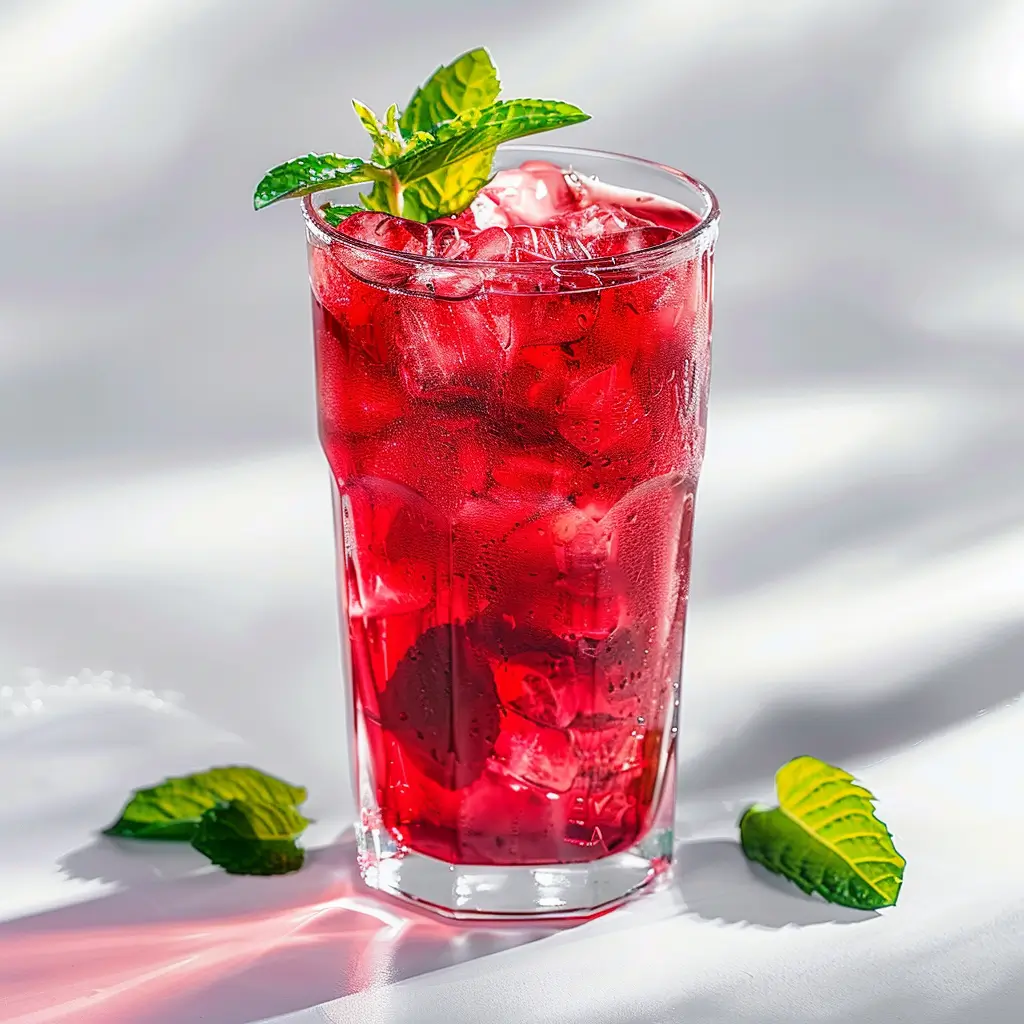
Hot brewing extracts more anthocyanins and antioxidants than cold brewing, but cold brew is gentler on sensitive stomachs and slightly less acidic. Both retain the blood-pressure-related compounds. For the complete comparison — including which is better for reflux and which extracts more antioxidants — see hibiscus tea hot or cold.
How Much Hibiscus Tea Per Day Is Safe?
The clinical trials showing blood pressure benefits used three 8 oz cups per day. For general wellness without a specific health goal, 1–2 cups daily is a reasonable, well-tolerated amount for most healthy adults. For the full breakdown by goal (blood pressure, hydration, relaxation) and who should drink less, see our complete guide: how much hibiscus tea per day.
Who Should Be Careful With Hibiscus Tea
People with acid reflux/GERD — the natural acidity can trigger symptoms (see our acid reflux guide for safe preparation methods)
People with naturally low blood pressure — its blood-pressure-lowering effect could cause dizziness in sensitive individuals
Anyone on blood pressure medication — combined effects could lower BP too much; talk to a doctor first
Pregnant or breastfeeding women — generally advised to avoid or limit intake pending professional guidance
Hibiscus Tea vs Green Tea vs Chamomile
| Feature | Hibiscus | Green Tea | Chamomile |
|---|---|---|---|
| Caffeine | None | Yes (~25–30mg/cup) | None |
| Best-documented benefit | Blood pressure | Antioxidants, mild energy | Relaxation, sleep |
| pH / acidity | Acidic (2.5–3.5) | Mildly acidic to neutral | Near-neutral (6–7) |
| Good before bed | Yes | No | Yes |
| Good for reflux sufferers | Use caution | Generally fine | Yes, gentle |
How to Make Hibiscus Tea
Ingredients: 1 tablespoon dried hibiscus flowers, 1 cup hot water, honey or lemon (optional)
Steps: Add the dried flowers to a cup or teapot, pour hot water over them, cover and steep 5–10 minutes, then strain. Serve warm, or refrigerate for iced tea.
For dedicated iced/cold brew methods, see cold brew herbal tea recipes.
Frequently Asked Questions About Hibiscus Tea
Does hibiscus tea actually lower blood pressure?
Yes — this is the best-supported benefit of hibiscus tea. A Tufts University clinical trial found a 7.2 mmHg average drop in systolic blood pressure after six weeks of drinking three cups daily, and a meta-analysis of five trials confirmed a similar effect (average 7.58 mmHg systolic reduction). The effect is more pronounced in people who already have elevated blood pressure and requires consistent daily use.
Is hibiscus tea better hot or cold?
Both retain the main beneficial compounds. Hot brewing extracts more antioxidants; cold brew is milder and better tolerated by sensitive stomachs. See our full hot vs. cold comparison.
How much hibiscus tea should I drink for blood pressure benefits?
The clinical studies used three 8 oz cups per day for at least 4–6 weeks to see measurable effects. Lower amounts (1–2 cups) are fine for general enjoyment but weren’t the dose tested for blood pressure benefits specifically.
Can hibiscus tea replace blood pressure medication?
No. The effect size in clinical trials (roughly 7 mmHg systolic) is meaningful but modest compared to prescription medication, and hibiscus tea should never replace a prescribed treatment. Talk to your doctor before combining the two.
Is hibiscus tea acidic?
Yes, with a pH around 2.5–3.5 — comparable to orange juice. Most healthy adults tolerate this well; people with acid reflux may want to dilute it or drink it cold. Full details in our acidity guide.
Final Thoughts
Of all the claims made about hibiscus tea, its effect on blood pressure is the one with real, repeated clinical evidence behind it — a genuinely rare thing for an herbal tea. That doesn’t make it a miracle drink or a medication replacement, but it does make it one of the more evidence-backed additions you can make to a daily routine, especially if you’re already watching your blood pressure or looking to cut back on sugary drinks.
If you’re building a broader caffeine-free routine, our best caffeine free drinks guide covers every category, from herbal teas to coffee alternatives.
Print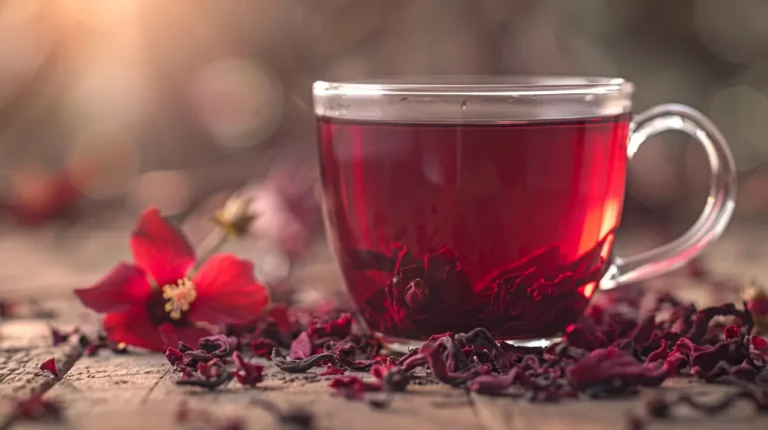
How to Make Hibiscus Tea (Recipe)
A simple way to prepare hibiscus tea at home, served hot or cold as a refreshing wellness drink.
- Total Time: 10 minutes
- Yield: 1–2 cups 1x
Ingredients
- 1 tablespoon dried hibiscus flowers
- 1 cup hot water
- Optional: honey or lemon
Instructions
- Add dried hibiscus flowers to a cup or teapot.
- Pour hot water over the flowers.
- Cover and steep for 5–10 minutes.
- Strain and serve warm, or let cool and refrigerate for iced tea.
Notes
This tea is naturally caffeine-free and can be enjoyed hot or cold throughout the day.
- Prep Time: 5 minutes
- Cook Time: 0 minutes
- Category: Beverage
- Method: Steeping
- Cuisine: Herbal
Nutrition
- Serving Size: 1 cup
- Calories: 0
- Sugar: 0g
- Sodium: 0mg
- Fat: 0g
- Saturated Fat: 0g
- Unsaturated Fat: 0g
- Trans Fat: 0g
- Carbohydrates: 0g
- Fiber: 0g
- Protein: 0g
- Cholesterol: 0mg
Keywords: hibiscus tea, herbal tea, caffeine-free, iced tea, hot tea