
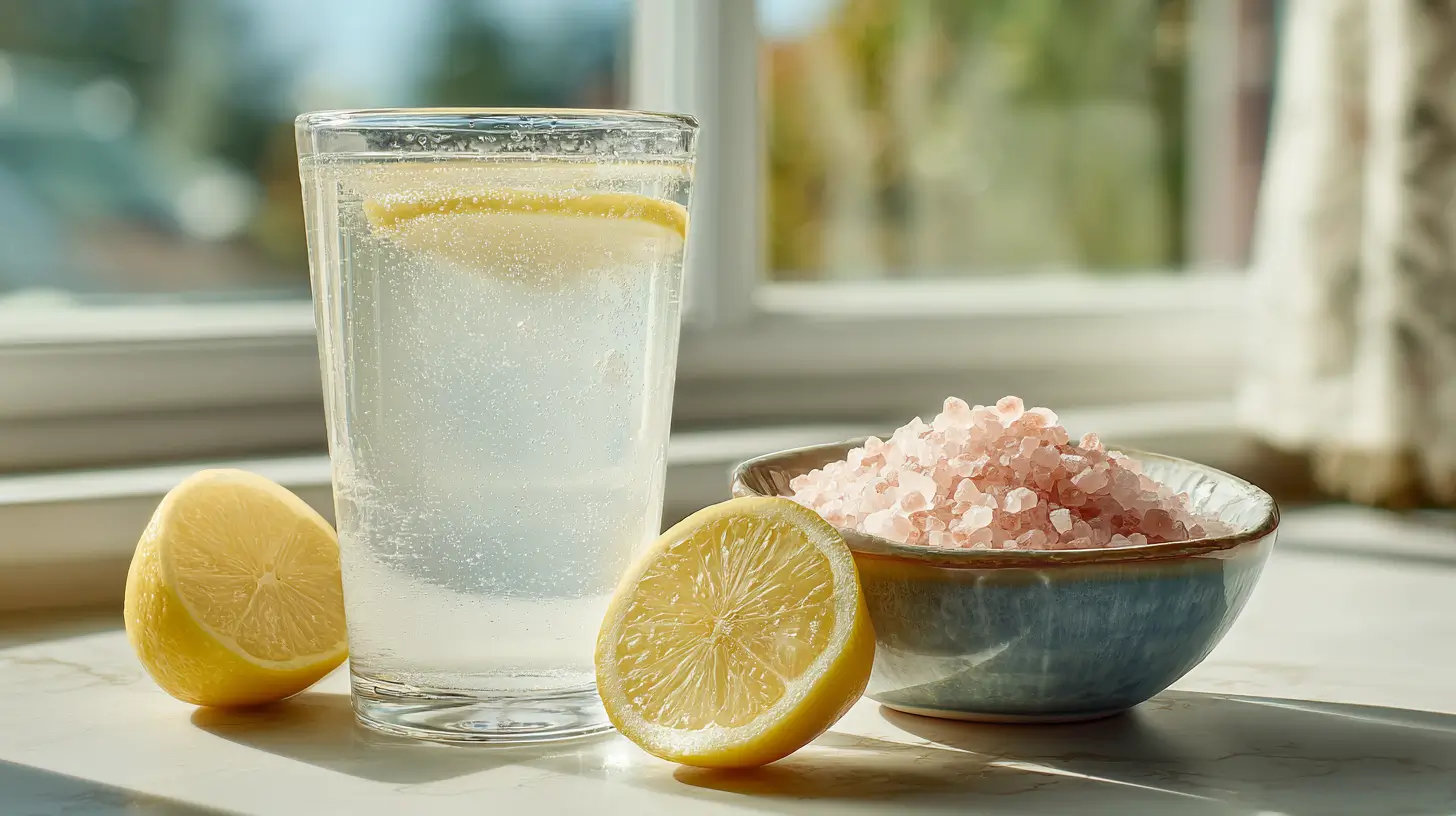
People managing diabetes need proper hydration every single day. However, most sports drinks on the market are loaded with sugar, glucose syrups, or high-carb ingredients that can spike blood sugar levels fast. So what is the best sugar-free electrolyte drink for diabetics? The answer isn’t just “zero sugar.” It’s about choosing the right balance of sodium, potassium, and magnesium without triggering glucose fluctuations or insulin spikes.
In fact, dehydration can raise blood sugar levels even further, which makes smart hydration essential for metabolic stability. That’s why finding the best sugar-free electrolyte drink for diabetics isn’t just a preference — it’s a health decision. While some zero-sugar drinks seem safe at first glance, hidden additives and artificial sweeteners may still affect insulin response or gut health. Therefore, reading labels carefully and understanding ingredients becomes crucial.
Moreover, hydration needs can vary depending on activity level, climate, medications, and overall blood sugar control. For example, during exercise or hot weather, electrolytes become even more important. If you’re unsure how much water your body actually needs daily, you can learn more about proper daily hydration guidelines to better understand your baseline needs.
In this guide, we’ll break down:
- Why electrolytes matter for people with diabetes
- What ingredients to avoid in electrolyte drinks
- The safest store-bought and natural options
- A simple homemade sugar-free electrolyte drink recipe
- Whether artificial sweeteners are truly safe
- And finally, the safest hydration strategy overall
By the end, you’ll know exactly how to choose the best sugar-free electrolyte drink for diabetics — confidently, safely, and without risking blood sugar spikes.
Why Electrolytes Matter for People with Diabetes
Staying hydrated isn’t just about drinking water. For people living with diabetes, maintaining proper electrolyte balance can directly influence blood sugar control, energy levels, and overall metabolic stability. That’s exactly why choosing the best sugar-free electrolyte drink for diabetics starts with understanding how hydration actually affects the body.
How Diabetes Increases Dehydration Risk
First, let’s talk about why dehydration happens more easily with diabetes.
When blood sugar levels rise, the kidneys work overtime to remove excess glucose through urine. As a result, fluid loss increases. Consequently, frequent urination can quickly lead to dehydration — sometimes without obvious warning signs.
Moreover, even mild dehydration can concentrate glucose in the bloodstream. In other words, the less water circulating in your body, the higher your blood sugar may appear. That’s why proper hydration isn’t optional — it’s foundational.
Additionally, certain diabetes medications may increase urination or fluid shifts. Therefore, people managing diabetes often need a more intentional hydration strategy than the general population.
The Link Between Blood Sugar Fluctuations and Hydration
Interestingly, hydration and blood sugar influence each other in a two-way relationship.
When you’re dehydrated:
- Blood becomes more concentrated
- Glucose readings may rise
- Insulin sensitivity can temporarily decline
On the other hand, adequate fluid intake helps:
- Support kidney function
- Improve circulation
- Stabilize glucose levels
That’s why simply drinking plain water sometimes isn’t enough — especially during exercise, illness, or hot weather. In those cases, electrolytes help the body retain fluids more effectively.
If you’re building a morning routine to support hydration early in the day, you may also want to discover great ideas like this morning hydration drink, which supports electrolyte balance without excess sugar.
Why Sodium, Potassium, and Magnesium Are Essential
Electrolytes are minerals that carry an electric charge. They help regulate:
- Fluid balance
- Nerve signaling
- Muscle contraction
- Heart rhythm
For people with diabetes, three minerals are especially important:
| Electrolyte | Why It Matters | Diabetes Connection |
|---|---|---|
| Sodium | Maintains fluid balance | Prevents dehydration-related glucose spikes |
| Potassium | Supports nerve & muscle function | Low levels can affect insulin sensitivity |
| Magnesium | Helps regulate blood sugar | Linked to improved glucose metabolism |
In fact, research suggests that magnesium deficiency is more common in individuals with type 2 diabetes. Therefore, replenishing electrolytes — without added sugar — becomes a smart preventive step.
However, balance is key. Too much sodium from high-carb sports drinks can be problematic, especially if paired with added sugars. That’s why the best sugar-free electrolyte drink for diabetics focuses on clean mineral replenishment without glucose overload.
Signs of Electrolyte Imbalance in Diabetics
Electrolyte imbalance doesn’t always feel dramatic at first. Still, subtle symptoms can appear, including:
- Fatigue
- Headaches
- Muscle cramps
- Dizziness
- Increased thirst
- Brain fog
If these symptoms show up during workouts, hot days, or illness, electrolyte support may help. However, it’s crucial to choose options that don’t spike blood sugar levels in the process.
What to Avoid in Electrolyte Drinks
Now that we understand why hydration matters, let’s talk about the real problem. Many products marketed as “hydrating” or “performance boosting” can actually worsen blood sugar control. So if you’re searching for the best sugar-free electrolyte drink for diabetics, knowing what to avoid is just as important as knowing what to choose.
Unfortunately, flashy labels like “zero calories” or “sports formula” don’t always mean safe. Therefore, reading ingredient lists carefully becomes essential.
Hidden Added Sugars and Glucose Syrups
First and foremost, added sugars are the biggest red flag.
Many electrolyte drinks contain:
- Glucose syrup
- Dextrose
- High-fructose corn syrup
- Cane sugar
- Maltodextrin
Even small amounts can spike blood sugar quickly. Moreover, liquid sugars absorb faster than solid carbohydrates, which means glucose levels can rise within minutes.
Some brands hide sugar under names like:
- “Energy blend”
- “Carb matrix”
- “Performance fuel”
However, no matter how it’s labeled, sugar is still sugar. For diabetics, it defeats the purpose of hydration.
High-Carb Sports Drinks That Spike Blood Sugar
Traditional sports drinks were designed for endurance athletes burning massive amounts of glycogen. They are not formulated for blood sugar stability.
A standard sports drink may contain:
- 30–40 grams of carbohydrates per bottle
- Artificial dyes
- Excess sodium paired with sugar
That combination can lead to rapid glucose spikes followed by crashes. Consequently, insulin demand increases, which may disrupt metabolic balance.
If you’re exploring safer alternatives, you can learn more about electrolyte drinks without sugar that focus purely on mineral replenishment instead of carbohydrate loading.
Artificial Sweeteners: Helpful or Harmful?
This is where things get controversial.
Many “zero-sugar” drinks replace sugar with:
- Sucralose
- Aspartame
- Acesulfame potassium
- Saccharin
On paper, these don’t raise blood glucose directly. However, research shows mixed findings regarding insulin response and gut microbiome effects.
For some individuals:
- Artificial sweeteners may increase cravings
- They may alter gut bacteria
- They may subtly affect insulin sensitivity
For others, they cause no noticeable issues.
Therefore, tolerance can be highly individual. That’s why the best sugar-free electrolyte drink for diabetics often contains minimal ingredients and avoids excessive sweeteners altogether.
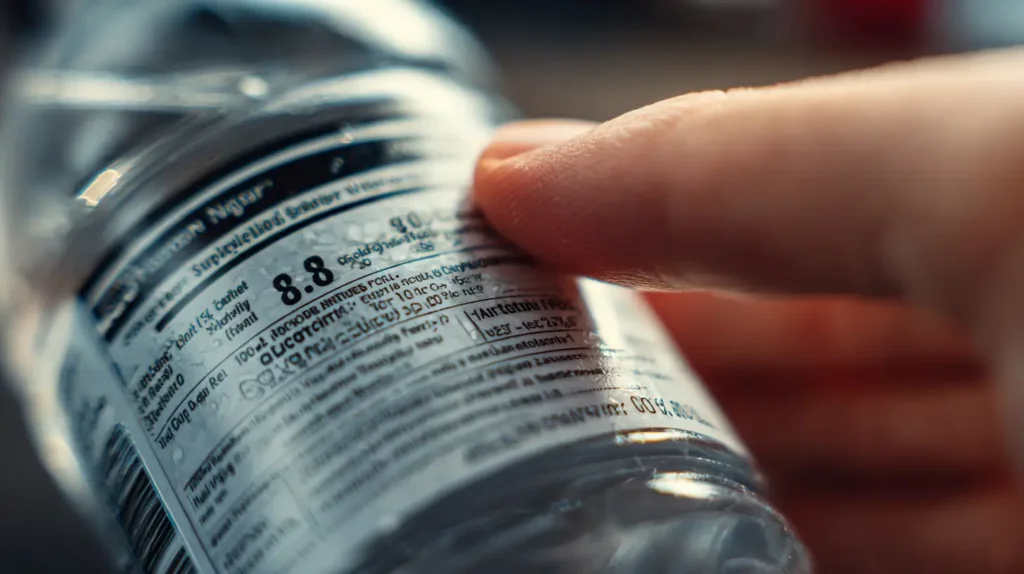
How to Read Nutrition Labels the Smart Way
Label reading is a skill — and honestly, it’s a lifesaver.
Here’s what to check first:
- Total Carbohydrates – Should ideally be 0–2 grams
- Added Sugars – Must be 0 grams
- Ingredient List Length – Shorter is usually better
- Artificial Colors or Preservatives – Best minimized
- Electrolyte Content – Look for sodium, potassium, magnesium
A clean ingredient list might look like:
- Water
- Sodium chloride
- Potassium citrate
- Magnesium malate
- Natural flavor
That’s it. Simple. Transparent. Functional.
In fact, many people prefer making their own drink because they can control every ingredient. If you’re curious about mineral-based hydration, you might also want to check out the benefits of a pink salt drink for natural sodium support.
What Makes the Best Sugar-Free Electrolyte Drink for Diabetics?
At this point, you already know what to avoid. However, avoiding sugar alone isn’t enough. The best sugar-free electrolyte drink for diabetics must do more than simply remove glucose — it must actively support hydration, mineral balance, and stable blood sugar levels.
So what exactly should you look for? Let’s break it down clearly.
Zero Sugar vs. Zero Glycemic Impact
First, understand this: “zero sugar” does not automatically mean “zero glycemic impact.”
Some drinks contain:
- Sugar alcohols
- Artificial sweeteners
- Maltodextrin in small amounts
Even if total sugar reads 0 grams, certain ingredients may still influence insulin response. Therefore, the safest approach is choosing drinks that are not only sugar-free but also low-carb and free from hidden glycemic triggers.
Ideally, total carbohydrates should stay under 2 grams per serving. Even better, choose options with 0 grams of both sugar and total carbs.
That’s the foundation of safe hydration for diabetics.
Clean Ingredient List Criteria
When searching for the best sugar-free electrolyte drink for diabetics, simplicity wins.
A clean formula should include:
- Sodium (for fluid balance)
- Potassium (for nerve and muscle function)
- Magnesium (for glucose metabolism)
- Natural flavors (optional)
- No artificial dyes
The shorter the ingredient list, the better. In fact, if you can’t pronounce half the ingredients, that’s usually a red flag.
Additionally, avoid:
- Artificial colorants
- Thickening agents
- “Energy blends”
- Proprietary formulas that hide exact amounts
Transparency equals safety.
Proper Electrolyte Balance Without Excess Sodium
Balance matters more than quantity.
Here’s a simple comparison table to understand ideal ranges:
| Electrolyte | Moderate Range (Per Serving) | Why It Works for Diabetics |
|---|---|---|
| Sodium | 200–500 mg | Supports hydration without overload |
| Potassium | 100–300 mg | Helps maintain nerve and muscle function |
| Magnesium | 50–150 mg | Supports insulin sensitivity |
Too little sodium won’t support hydration. However, too much — especially combined with hidden sugars — can increase thirst and imbalance.
Therefore, look for moderate mineral content, not extreme doses.
Avoiding Inflammatory Additives
Many commercial sports drinks contain unnecessary extras like:
- Artificial dyes (Red 40, Blue 1)
- Preservatives
- Synthetic flavor enhancers
While these don’t directly spike blood sugar, they may contribute to inflammation or gut imbalance over time.
Since gut health and insulin sensitivity are connected, reducing inflammatory additives is a smart long-term strategy.
In other words, the best sugar-free electrolyte drink for diabetics is:
- Free of added sugars
- Very low in carbohydrates
- Transparent in labeling
- Moderate in mineral content
- Free from unnecessary chemicals
Simple doesn’t mean ineffective. In fact, simplicity is often the safest choice.
Best Sugar-Free Electrolyte Drink Options
Now that you know the criteria, let’s get practical. Choosing the best sugar-free electrolyte drink for diabetics doesn’t have to be complicated. In fact, the safest options are often the simplest.
Below are the smartest choices, ranging from natural hydration to convenient store-bought solutions.
Natural Mineral Water (The Safest Starting Point)
First and foremost, natural mineral water is often the safest baseline.
Unlike traditional sports drinks, mineral water contains naturally occurring electrolytes such as:
- Sodium
- Calcium
- Magnesium
- Potassium (in smaller amounts)
Because it contains no sugar, no artificial sweeteners, and no hidden carbohydrates, it poses virtually no risk of glucose spikes.
Moreover, mineral water supports gentle electrolyte replenishment without overwhelming the body. For daily hydration, especially if blood sugar levels are stable, this can be an excellent foundation.
However, during heavy sweating or illness, mineral water alone may not provide enough sodium. That’s when adding a pinch of mineral salt can make a difference.
Unsweetened Coconut Water (In Moderation)
Coconut water often gets labeled as a “natural electrolyte drink.” And yes, it naturally contains potassium and small amounts of magnesium.
However, here’s the catch.
Even unsweetened coconut water contains natural sugars — typically 6–9 grams per cup. While these are naturally occurring sugars, they can still affect blood glucose.
Therefore, portion control becomes critical. Half a cup diluted with water may be a safer option than a full bottle.
So is coconut water the best sugar-free electrolyte drink for diabetics? Not exactly. It’s better described as a moderate option rather than a zero-impact choice.
Electrolyte Powders Without Sugar
Next, sugar-free electrolyte powders offer convenience and control.
The key is choosing powders that contain:
- Zero added sugars
- Zero maltodextrin
- No artificial dyes
- Minimal or no artificial sweeteners
Many modern formulas focus purely on sodium, potassium, and magnesium without carbohydrate fillers. These are often better suited for diabetics than traditional sports drinks.
If you want a deeper breakdown of safe options, you can learn more about electrolyte drinks without sugar to compare ingredient profiles.
Because powders allow you to control dilution, they’re especially useful during exercise, hot weather, or fasting.
Zero-Carb Electrolyte Tablets
Electrolyte tablets dissolve in water and usually contain very low or zero carbohydrates.
They’re:
- Portable
- Easy to dose
- Low in calories
However, some brands rely heavily on artificial sweeteners for taste. Therefore, always check the ingredient list carefully.
For individuals sensitive to sweeteners, unflavored mineral drops may be a better alternative.
Homemade Electrolyte Drink (Most Controlled Option)
Finally, homemade electrolyte drinks give you total ingredient control. No preservatives. No artificial flavors. No mystery blends.
In fact, many people prefer this approach because they can adjust mineral levels according to personal needs.
If you’re already building better hydration habits, you may also want to check out this morning hydration drink routine to support blood sugar stability early in the day.
Quick Comparison Table
| Option | Sugar Content | Control Level | Blood Sugar Risk |
|---|---|---|---|
| Mineral Water | 0 g | Low | Very Low |
| Coconut Water | 6–9 g per cup | Moderate | Moderate |
| Sugar-Free Powder | 0 g | High | Low |
| Electrolyte Tablets | 0–1 g | High | Low |
| Homemade Mix | 0 g | Very High | Very Low |
Homemade Sugar-Free Electrolyte Drink Recipe
If you’re looking for the best sugar-free electrolyte drink for diabetics, making your own at home might be the smartest solution. Why? Because you control every single ingredient. There are no hidden sugars, no artificial dyes, and no questionable sweeteners.
Even better, a homemade electrolyte drink is inexpensive, simple, and highly customizable.
Simple 4-Ingredient Diabetic-Safe Formula
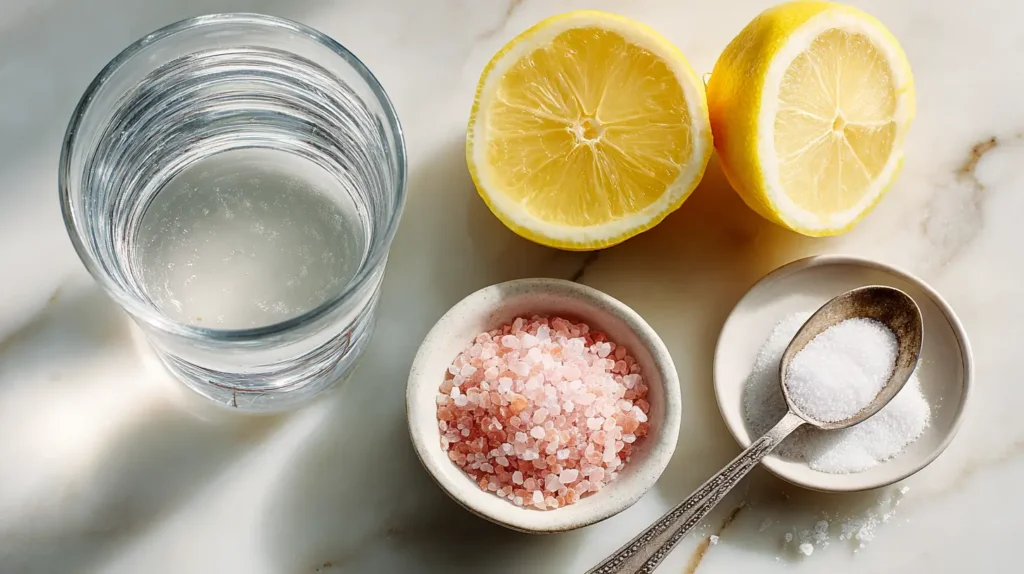
Here’s a basic, balanced recipe that supports hydration without raising blood sugar:
Ingredients:
- 16–20 oz filtered water
- 1/8 teaspoon pink Himalayan salt
- 1–2 tablespoons fresh lemon juice
- Optional: 50–100 mg magnesium powder (unsweetened)
Instructions:
- Pour the filtered water into a glass or bottle.
- Add the pink salt and stir until fully dissolved.
- Squeeze in fresh lemon juice.
- Add magnesium powder if desired.
- Mix well and drink immediately.
That’s it. No sugar. No carbs. No insulin spike.
Because this recipe contains zero glucose and zero artificial sweeteners, it supports hydration without affecting blood sugar levels.
Why Pink Salt Helps Replenish Sodium
Sodium often gets a bad reputation. However, when used appropriately, it plays a crucial role in fluid balance.
Pink Himalayan salt contains trace minerals in addition to sodium. While those trace amounts are small, the primary benefit is sodium itself — which helps:
- Prevent dehydration
- Improve fluid absorption
- Support nerve function
If you want to understand how mineral salt supports hydration in more detail, you can check out the benefits of a pink salt drink.
The key, of course, is moderation. A small pinch is enough.
Adding Magnesium for Better Blood Sugar Support
Magnesium is especially important for people with diabetes.
Research suggests magnesium plays a role in:
- Insulin sensitivity
- Glucose metabolism
- Muscle relaxation
- Nerve function
Since magnesium deficiency is more common in individuals with type 2 diabetes, adding a small amount may offer additional metabolic support.
However, always choose unsweetened magnesium powder. Flavored versions may contain hidden sugars or artificial sweeteners.
When to Drink It
Timing matters just as much as ingredients.
This homemade drink works best:
- In the morning before coffee
- During or after exercise
- During hot weather
- When feeling mildly dehydrated
- During fasting periods
However, hydration isn’t only about electrolytes. Total daily water intake still plays a major role. If you’re unsure about optimal fluid intake, you can learn more about how much water you should drink daily to build a balanced plan.
Are Artificial Sweeteners Safe for Diabetics?
This is one of the most debated topics in diabetic nutrition. Many products marketed as the best sugar-free electrolyte drink for diabetics rely heavily on artificial sweeteners to replace sugar. On the surface, that sounds like a win — no sugar, no glucose spike. But is it really that simple?
The answer isn’t black and white. Instead, it depends on the type of sweetener, the individual, and overall consumption patterns.
What Research Says About Zero-Calorie Sweeteners
Common artificial sweeteners include:
- Sucralose
- Aspartame
- Acesulfame potassium
- Saccharin
Because they contain little to no calories, they don’t directly raise blood glucose levels in most people. Therefore, they are often considered “diabetes-safe.”
However, emerging research suggests they may still influence:
- Insulin response
- Gut microbiome composition
- Appetite regulation
That said, results are mixed. Some studies show minimal impact, while others suggest possible metabolic changes over time.
So while artificial sweeteners may not spike blood sugar immediately, their long-term effects are still being studied.
Do Artificial Sweeteners Affect Insulin Response?
Interestingly, some research indicates that certain sweeteners may trigger a small insulin response — even without glucose present. The body tastes sweetness and anticipates sugar.
For some individuals, this may:
- Increase cravings
- Lead to compensatory eating
- Affect insulin sensitivity
However, others tolerate artificial sweeteners without noticeable changes.
This variability is why personal response matters. Monitoring blood glucose after trying a new product can provide clarity.
Gut Health and Long-Term Effects
Another important factor is gut health.
Artificial sweeteners may alter the balance of gut bacteria in some individuals. Since gut health influences inflammation and insulin sensitivity, this connection deserves attention.
While occasional use is unlikely to cause major issues, heavy daily consumption may not be ideal.
Therefore, when searching for the best sugar-free electrolyte drink for diabetics, options with minimal or no sweeteners are often the safest baseline choice.
Label Reading Tips for Smarter Choices
If you decide to use electrolyte drinks containing artificial sweeteners, follow these guidelines:
- Choose products with one sweetener, not multiple combined.
- Avoid drinks that list sweeteners near the top of the ingredient list.
- Monitor your blood sugar response after trying a new product.
- Rotate between plain mineral-based drinks and flavored options.
In many cases, the simplest formula — water plus minerals — creates the least metabolic stress.
Final Answer: What’s the Safest Choice?
After reviewing all the options, ingredients, and research, one conclusion stands out clearly. The best sugar-free electrolyte drink for diabetics is usually the simplest one: mineral-based hydration without added sugars or unnecessary sweeteners.
While store-bought options can be convenient, the safest starting point is clean, transparent hydration that supports electrolyte balance without triggering glucose spikes.
The Smartest Hydration Strategy for Stable Blood Sugar
So what does that look like in practice?
For most people managing diabetes, the safest daily strategy includes:
- Plain mineral water for baseline hydration
- Homemade sugar-free electrolyte drink during exercise or heat
- Sugar-free electrolyte powders with minimal ingredients when needed
- Careful label reading for any commercial product
In other words, hydration should be intentional — not impulsive.
Although flashy “zero-sugar” sports drinks may seem appealing, they often contain artificial sweeteners or additives that add unnecessary complexity. Therefore, simpler formulas typically provide more predictable blood sugar stability.
Additionally, hydration works best when it’s consistent. Instead of waiting until you feel thirsty, spread fluid intake throughout the day.
When to Talk to Your Healthcare Provider
If you:
- Take medications affecting fluid balance
- Have kidney concerns
- Experience frequent dehydration
- Notice unusual blood sugar fluctuations
It’s wise to consult your healthcare provider before making major electrolyte changes.
Electrolytes are powerful minerals. Although they’re essential, balance is key.
Simple Hydration Rules to Follow Daily
To make this practical, here’s a quick summary:
- Avoid added sugars and glucose syrups completely.
- Limit artificial sweeteners when possible.
- Prioritize sodium, potassium, and magnesium balance.
- Stay consistent with daily water intake.
- Monitor how your body responds.
If you’re building a sustainable hydration routine, don’t miss simple strategies like a morning hydration drink routine to support stable energy and glucose levels early in the day.
Bottom Line
The best sugar-free electrolyte drink for diabetics is one that:
- Contains zero added sugars
- Has minimal or no artificial sweeteners
- Provides balanced electrolytes
- Supports hydration without blood sugar spikes
For many people, that means starting with mineral water or a simple homemade electrolyte drink. From there, you can adjust based on activity level, climate, and personal tolerance.
Smart hydration isn’t complicated. It’s about clarity, balance, and consistency.
Frequently Asked Questions
What electrolyte drink is safest for diabetics?
The safest option is typically a sugar-free electrolyte drink that contains no added glucose, high-fructose corn syrup, or maltodextrin. Ideally, it should also be low in total carbohydrates and free from excessive artificial sweeteners. For many individuals, mineral water with natural electrolytes or a homemade mineral-based drink is the safest starting point. The best sugar-free electrolyte drink for diabetics focuses on sodium, potassium, and magnesium without ingredients that trigger blood sugar spikes.
Can diabetics drink electrolyte drinks daily?
Yes, diabetics can drink electrolyte beverages daily — but only if the ingredients are appropriate. Drinks with zero added sugars and minimal artificial additives are generally safer for regular use. However, daily consumption should match actual needs. For example, someone exercising frequently or living in a hot climate may need more electrolyte support than someone sedentary. It’s always wise to monitor blood glucose and consult a healthcare provider if unsure.
Is coconut water safe for diabetics?
Coconut water contains natural electrolytes, especially potassium. However, it also contains natural sugars — typically 6 to 9 grams per cup. Therefore, moderation is essential. Small portions diluted with water may be manageable for some individuals. Still, coconut water is not technically sugar-free, so it may not qualify as the best sugar-free electrolyte drink for diabetics. Blood sugar monitoring after consumption is recommended.
Are zero-sugar sports drinks good for diabetics?
Some zero-sugar sports drinks can be acceptable, but careful label reading is critical. While they don’t contain sugar, many include artificial sweeteners such as sucralose or aspartame. Although these do not directly raise blood glucose in most people, they may affect insulin response or gut health in some individuals. Choosing products with simple, transparent ingredient lists is always the safest approach.
Hydration plays a powerful role in blood sugar management. However, clarity matters more than marketing. By focusing on clean ingredients and mineral balance, you can confidently choose the best sugar-free electrolyte drink for diabetics — without risking unwanted glucose fluctuations.