

Interest in citric acid for weight loss has been growing, especially among people looking for simple, low-calorie, and natural ways to support their weight-loss goals. Citric acid is found naturally in citrus fruits and is commonly used in foods and drinks. Many believe it may help with digestion, hydration, and appetite control—but does it actually help with weight loss, or is it just another wellness trend?
In this article, we’ll break down what citric acid does to your body, how it may fit into a healthy weight-loss routine, and how to use it safely in drink form. We’ll also compare citric acid to natural alternatives like lemon juice, explain the best ways to consume it, and highlight common mistakes to avoid.
If you already enjoy easy, low-calorie wellness drinks, you might also like this jello weight loss recipe, which supports fullness and digestion in a similar way.
Keep reading to find out whether citric acid is worth adding to your weight-loss plan and how to use it in a smart, sustainable way.
What Is Citric Acid and Why Is It Used for Weight Loss?
Citric acid is a naturally occurring compound found in citrus fruits like lemons, limes, and oranges. It’s also widely used in packaged foods and beverages to enhance flavor and preserve freshness. When it comes to citric acid for weight loss, interest centers on how this compound supports digestion, hydration, and appetite awareness rather than acting as a direct fat burner.
Many people add citric acid to drinks because it creates a tart, refreshing flavor without adding sugar or calories. As a result, it often replaces high-calorie beverages and helps people stay hydrated—two habits closely linked to sustainable weight loss. Its role is subtle but practical, especially when paired with mindful eating and balanced meals.
What Does Citric Acid Do to Your Body?
Inside the body, citric acid plays a role in the Krebs cycle, which is part of how cells produce energy. While this doesn’t mean citric acid melts fat, it does mean the body already knows how to use it efficiently. In everyday use, citric acid may help stimulate saliva and stomach acid, which can support digestion and reduce feelings of heaviness after meals.
Because of its sour taste, citric acid can also slow down drinking and eating, helping some people become more aware of portion sizes. Over time, this awareness may support better appetite control and fewer mindless calories.
Citric Acid Benefits Explained in Simple Terms
From a weight-loss perspective, the biggest benefits of citric acid come from what it helps you avoid. By flavoring water or homemade drinks naturally, it reduces reliance on sugary sodas, juices, and sweetened teas. This alone can make a noticeable difference in daily calorie intake.
Citric acid may also support digestion by encouraging gastric activity, which helps the body break down food more efficiently. Many people include it in low-calorie wellness drinks for this reason, especially when trying to feel lighter and less bloated throughout the day. Similar digestion-focused strategies are often used in recipes like this bariatric gelatin recipe, which emphasizes satiety and gut comfort.
Is Citric Acid Healthy When Used Daily?
For most healthy adults, small amounts of citric acid consumed through foods or drinks are considered safe. It’s already present in many fruits and everyday products. However, moderation matters. Highly concentrated or raw citric acid can irritate tooth enamel or the stomach lining if overused.
When diluted properly in water or recipes, citric acid can be part of a balanced routine. The key is to use it as a supportive tool—not a miracle solution—and to combine it with adequate protein, fiber, and overall calorie awareness for real weight-loss results.
Citric Acid and Weight Loss: What Does It Really Do?
When people talk about citric acid for weight loss, it’s important to set realistic expectations. Citric acid does not burn fat directly or cause rapid weight loss on its own. Instead, its value comes from how it supports everyday habits that make weight loss easier to maintain—such as better digestion, improved hydration, and more mindful eating.
Used consistently in low-calorie drinks, citric acid can help reduce cravings for sweet beverages and may support appetite awareness. Over time, these small changes can contribute to a calorie deficit, which is the foundation of healthy weight loss.
Citric Acid Appetite Control and Satiety Signals
Citric acid has a sharp, sour taste that can naturally slow down consumption. This sensory effect may help some people feel satisfied sooner, especially when drinking water or wellness drinks before meals. As a result, it can support appetite control without relying on stimulants or artificial suppressants.
In addition, staying well hydrated is closely linked to appetite regulation. Mild dehydration is often mistaken for hunger, leading to unnecessary snacking. By making water more appealing, citric acid may indirectly help reduce between-meal cravings. This same principle of promoting fullness and digestive comfort is also used in recipes like this bariatric gelatin recipe, which focuses on satiety-friendly ingredients.
Citric Acid Digestion Support and Gut Health
Another reason citric acid is popular in weight-loss drinks is its role in digestion support. Citric acid can stimulate saliva and gastric juices, helping the body break down food more efficiently. Better digestion may reduce bloating and discomfort, which often derail consistency in a weight-loss routine.
When digestion feels smoother, people are less likely to overeat or reach for quick-fix snacks. While citric acid isn’t a probiotic or digestive enzyme, it can complement a balanced diet that includes fiber-rich foods, lean protein, and adequate fluids.
How Citric Acid May Support Fat Metabolism Indirectly
Citric acid plays a role in the body’s natural energy-production process, known as the citric acid cycle. However, this doesn’t mean consuming more citric acid directly increases fat burning. Instead, its indirect benefits—supporting hydration, digestion, and appetite control—create conditions that make fat loss more achievable over time.
When used consistently as part of a structured routine, citric acid can help reinforce healthy habits rather than replace them. That’s why it works best when combined with mindful eating, regular movement, and simple, low-calorie nutrition strategies.
Citric Acid Hydration Benefits and Metabolism Support
One of the most overlooked benefits of using citric acid for weight loss is how strongly it supports hydration. Proper hydration plays a major role in metabolism, appetite regulation, and energy levels. Yet many people struggle to drink enough plain water throughout the day. This is where citric acid can make a real difference.
By adding a small amount of citric acid to water, you create a refreshing, low-calorie drink that’s easier to enjoy consistently. Over time, better hydration alone can support healthier eating patterns and improved metabolic efficiency.
Why Hydration Matters for Weight Loss
Water is essential for nearly every function in the body, including digestion, nutrient absorption, and calorie metabolism. When hydration levels drop, the body often responds with fatigue and hunger cues that feel like food cravings. This can lead to overeating, even when calories aren’t truly needed.
Staying hydrated helps the body process food more efficiently and may reduce unnecessary snacking. For anyone focused on weight loss, improving daily water intake is one of the simplest and most effective habits to build.
Citric Acid vs Sugary Drinks for Hydration
Many flavored drinks on the market contain added sugars, artificial sweeteners, or hidden calories. While they may taste good, they can work against weight-loss goals. Citric acid offers a cleaner alternative by enhancing flavor without adding sugar or calories.
A homemade citric acid drink can replace soda, juice, or sweetened teas while still satisfying the desire for something flavorful. Over time, this swap alone can significantly reduce daily calorie intake, making weight loss feel more manageable and less restrictive.
Low-Calorie Wellness Drinks and Metabolic Efficiency
Low-calorie wellness drinks made with citric acid support consistency, which is key to long-term results. When hydration feels enjoyable instead of forced, people are more likely to stick with healthier routines. Better hydration also supports digestion and nutrient transport, both of which contribute to steady energy levels throughout the day.
While citric acid doesn’t speed up metabolism directly, it helps create the right environment for the body to function efficiently. Combined with balanced meals and regular movement, this hydration-focused approach supports sustainable weight loss without extreme measures.
Citric Acid vs Lemon Juice for Weight Loss
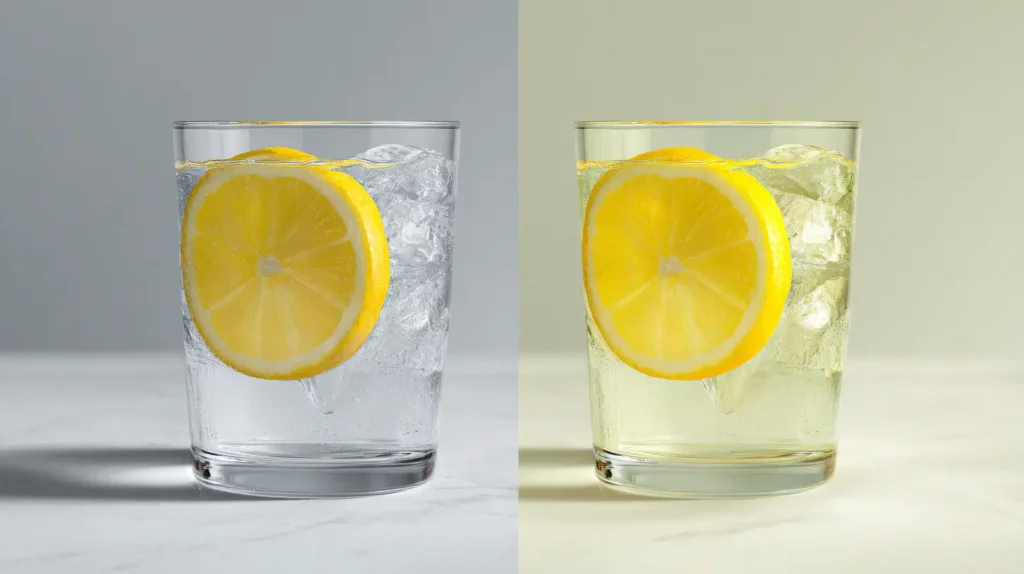
When exploring citric acid for weight loss, many people naturally compare it to lemon juice. Both are sour, refreshing, and commonly used in weight-loss drinks. While they share similarities, they’re not exactly the same—and understanding the difference can help you choose the option that fits your lifestyle and goals best.
Citric Acid vs Lemon Juice: Nutritional Comparison
Citric acid is a single compound, while lemon juice is a whole food containing citric acid plus small amounts of vitamins, minerals, and plant compounds. Lemon juice provides vitamin C and antioxidants, whereas pure citric acid offers flavor without nutrients or calories.
From a calorie standpoint, both options are very low in energy when used in water. However, citric acid allows for more precise control over taste and acidity, especially in homemade wellness drinks where consistency matters.
Which Is Better for Digestion and Appetite Control?
Both citric acid and lemon juice can support digestion by stimulating saliva and stomach acid. This may help the body break down food more efficiently and reduce feelings of heaviness after meals. For appetite control, the sour taste of both can slow consumption and encourage mindful eating.
Some people find lemon juice gentler on the stomach, while others prefer citric acid because it’s easier to measure and doesn’t spoil. Personal tolerance plays a big role here, so experimenting in small amounts is key.
If you enjoy citrus-based approaches, you may also want to explore lemon-based weight loss drinks, which combine natural acids with other metabolism-friendly ingredients.
When to Choose Lemon-Based Weight Loss Drinks Instead
Lemon juice may be a better choice if you prefer whole-food ingredients or want the added vitamin C. It also works well in warm drinks and recipes where fresh flavor matters. On the other hand, citric acid is convenient, shelf-stable, and ideal for low-calorie hydration drinks where simplicity is the goal.
Neither option is inherently better for weight loss on its own. The best choice is the one you’ll use consistently as part of a balanced, calorie-aware routine.
How to Add Citric Acid to Your Diet Safely
Using citric acid for weight loss can be helpful when it’s done correctly and in moderation. While citric acid is common in foods and drinks, concentrated forms require a bit more care. The goal is to enjoy the benefits—better hydration, digestion support, and low-calorie flavor—without causing irritation or discomfort.
How to Use Citric Acid in Food and Drinks
Citric acid is most commonly used by dissolving a small amount in water to create a refreshing, low-calorie drink. A pinch goes a long way. Typically, ⅛ to ¼ teaspoon per large glass of water is enough to add flavor without being too harsh.
It can also be used in homemade recipes such as sugar-free drinks, salad dressings, or low-calorie desserts where acidity balances flavor. When used this way, citric acid replaces sugar or high-calorie ingredients while keeping taste interesting, which supports long-term consistency.
Citric Acid Food List: Natural vs Added Sources
Naturally occurring citric acid is found in citrus fruits like lemons, limes, oranges, and grapefruits. These foods also provide vitamins and antioxidants. Added citric acid, on the other hand, is commonly used in packaged foods such as beverages, candies, frozen fruits, and sauces.
For weight loss, homemade drinks and simple recipes give you more control than processed foods. Choosing natural or minimally processed sources helps avoid hidden sugars and unnecessary calories that can slow progress.
Can You Eat Raw Citric Acid? Safety Considerations
Eating raw or undiluted citric acid is not recommended. In its concentrated form, citric acid can irritate the mouth, throat, stomach lining, and tooth enamel. Over time, frequent exposure may increase tooth sensitivity or digestive discomfort.
To stay safe, always dilute citric acid in water or mix it into food. Drinking through a straw and rinsing your mouth afterward can also help protect tooth enamel. As with any dietary change, listening to your body is essential—if discomfort occurs, reduce the amount or stop using it altogether.
Simple Citric Acid Weight Loss Drink Recipes
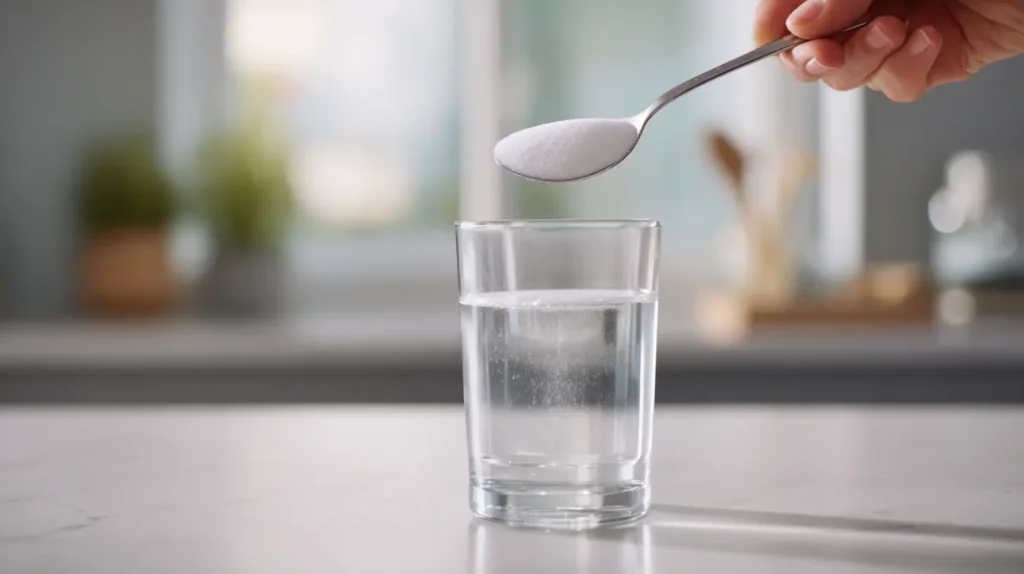
Adding citric acid for weight loss works best when it’s easy to prepare and gentle enough to use consistently. The recipes below focus on simplicity, hydration, and low calories—no complicated ingredients or extreme claims. These drinks are designed to support healthy habits, not replace balanced meals.
3-Ingredient Citric Acid Weight Loss Drink
This is the most popular and beginner-friendly option.
Ingredients:
- 16–20 oz cold water
- ⅛ teaspoon food-grade citric acid
- Optional: a few drops of liquid stevia or monk fruit
How to make it:
Stir the citric acid into the water until fully dissolved. Add sweetener only if needed. Drink slowly, preferably before meals or between meals.
Why it works:
It enhances water flavor without calories, supports hydration, and may help reduce unnecessary snacking by improving appetite awareness.
Homemade Citric Acid Drink for Daily Use
This version is ideal if you prefer a milder taste you can sip throughout the day.
Ingredients:
- 1 liter water
- ¼ teaspoon citric acid
- Ice (optional)
How to use it:
Mix well and store in the refrigerator. Sip throughout the day instead of soda or juice.
Tip:
Using this as your main flavored water source can significantly cut liquid calories over time, which supports steady weight loss.
Citric Acid Drink Recipe Dos and Don’ts
Do:
- Start with small amounts and adjust to taste
- Always dilute citric acid fully in water
- Drink it with meals or earlier in the day if you have a sensitive stomach
Don’t:
- Consume raw or undiluted citric acid
- Overuse it multiple times per day in strong concentrations
- Assume it replaces proper nutrition or calorie control
Citric acid drinks work best as a supportive habit—similar to other structured, digestion-friendly strategies often used in doctor-inspired routines like this doctor-inspired gelatin recipe.
Print
Citric Acid for Weight Loss: Benefits, Drinks, and How to Use It Safely
- Total Time: 2 minutes
- Yield: 1 serving 1x
Description
This simple citric acid drink is a low-calorie wellness beverage designed to support hydration, digestion, and appetite awareness. It’s easy to prepare, sugar-free, and fits naturally into a weight-loss routine when used consistently and safely.
Ingredients
- 16–20 oz cold water
- ⅛ teaspoon food-grade citric acid
- Optional: 2–4 drops liquid stevia or monk fruit (calorie-free)
Instructions
- Pour the cold water into a large glass or reusable bottle.
- Add the citric acid and stir until completely dissolved.
- Add a calorie-free sweetener if desired and mix well.
- Drink slowly, preferably before meals or between meals.
Notes
Always dilute citric acid fully before drinking. Start with a small amount to test tolerance. Avoid consuming undiluted citric acid. Using a straw may help protect tooth enamel. This drink supports hydration and appetite control but is not a meal replacement.
- Prep Time: 2 minutes
- Cook Time: 0 minutes
- Category: Weight Loss Drinks
- Method: No-cook
- Cuisine: American
Nutrition
- Serving Size: 1 glass (16–20 oz)
- Calories: 0–5 kcal
- Sugar: 0 g
- Sodium: 0 mg
- Fat: 0 g
- Saturated Fat: 0 g
- Unsaturated Fat: 0 g
- Trans Fat: 0 g
- Carbohydrates: 0 g
- Fiber: 0 g
- Protein: 0 g
- Cholesterol: 0 mg
Keywords: citric acid for weight loss, citric acid weight loss drink, citric acid drink recipe, homemade citric acid drink, low calorie wellness drink
How Citric Acid Fits Into a Weight Loss Routine
Using citric acid for weight loss is most effective when it’s part of a structured, realistic routine. On its own, citric acid won’t cause weight loss, but when combined with smart timing, balanced meals, and consistent habits, it can support better appetite control and hydration—two pillars of sustainable fat loss.
Best Time to Drink Citric Acid for Weight Loss
Many people prefer drinking citric acid–based water in the morning or before meals. Having it before eating may help stimulate digestion and encourage mindful portions. It can also be useful between meals when cravings tend to appear, especially if dehydration is the real issue.
If you’re sensitive to acidic drinks, avoid consuming citric acid late at night or on a completely empty stomach. Listening to your body and adjusting timing is key.
Pairing Citric Acid With Meals and Fasting
Citric acid drinks can pair well with meals that are higher in protein or fiber, as they may support digestion and reduce heaviness afterward. Some people also use them during intermittent fasting windows to make water more appealing without adding calories.
However, citric acid should not be used to suppress hunger aggressively. True hunger still needs to be met with proper nutrition. Citric acid works best as a hydration and appetite-awareness tool—not a replacement for meals.
Combining Citric Acid With Other Appetite Control Strategies
For long-term success, citric acid should be combined with proven appetite control methods such as adequate protein intake, fiber-rich foods, and regular meals. Structured recipes and routines that emphasize satiety can be especially helpful.
If appetite control is a major focus for you, you may also want to explore appetite control recipes that are designed to support fullness and consistency without extreme restrictions.
Frequently Asked Questions About Citric Acid for Weight Loss
This section answers the most common questions people ask when researching citric acid for weight loss. The goal is clarity, safety, and realistic expectations—without hype or misleading claims.
Can citric acid help in weight loss?
Citric acid can support weight loss indirectly, but it is not a fat-burning ingredient. Its main benefits come from improving hydration, supporting digestion, and helping reduce calorie intake from sugary drinks. When used consistently as part of a balanced routine, these small advantages can add up over time.
What is the 3-ingredient drink for weight loss?
A simple 3-ingredient citric acid drink usually includes water, a small amount of food-grade citric acid, and an optional calorie-free sweetener. This type of drink adds flavor without calories, making it easier to stay hydrated and avoid high-calorie beverages.
How to add citric acid to your diet?
The safest way to add citric acid to your diet is by diluting it in water or mixing it into recipes. Start with very small amounts and adjust based on taste and tolerance. It can also be consumed naturally through citrus fruits, which provide additional nutrients.
Can I eat raw citric acid?
No. Eating raw or undiluted citric acid is not recommended. It can irritate the mouth, damage tooth enamel, and upset the stomach. Citric acid should always be diluted in water or mixed into food before consumption.
Is citric acid healthy for long-term use?
For most healthy adults, citric acid is safe when used in moderation and properly diluted. It’s already widely consumed through foods and beverages. However, excessive use—especially in strong concentrations—may cause dental or digestive issues. Moderation and balance are essential.
Final Thoughts: Is Citric Acid Worth Trying for Weight Loss?
When it comes to citric acid for weight loss, the biggest takeaway is simplicity and realism. Citric acid is not a miracle ingredient, but it can be a useful tool for people who want to improve hydration, reduce liquid calories, and build better daily habits. These small changes are often what make long-term weight loss possible.
Who Should Consider Citric Acid Drinks
Citric acid drinks may be a good option if you:
- Struggle to drink enough plain water
- Want a low-calorie alternative to soda or juice
- Prefer simple, affordable wellness habits
- Are looking for gentle digestion and appetite support
Used correctly, citric acid can make healthy routines easier to stick with, especially when weight loss feels overwhelming or restrictive.
Who Should Be Cautious or Avoid It
Citric acid may not be ideal for everyone. People with sensitive stomachs, acid reflux, frequent heartburn, or dental enamel issues should be cautious. In these cases, lemon juice in small amounts or non-acidic hydration options may be better choices.
As always, if you have medical conditions or concerns, it’s best to talk with a healthcare professional before making dietary changes.
Sustainable Weight Loss Expectations
The real value of citric acid lies in consistency, not speed. When it replaces high-calorie drinks and supports hydration, it can contribute to steady, sustainable progress. Combined with balanced meals, adequate protein, fiber, and regular movement, citric acid can play a supportive role in a realistic weight-loss routine.
In short, citric acid isn’t a shortcut—but for many people, it’s a practical, low-effort habit that fits naturally into a healthier lifestyle.