

Coconut water is often described as a natural electrolyte drink. But does coconut water actually contain enough electrolytes to make a meaningful difference for hydration?
The short answer is yes: coconut water naturally contains electrolytes, particularly potassium. However, its electrolyte profile is quite different from many sports drinks and electrolyte powders because coconut water is generally higher in potassium and lower in sodium.
That distinction matters because sodium is one of the main electrolytes lost through sweat.
Here’s what coconut water provides, when it can be useful, and when another hydration option may make more sense.
Does Coconut Water Have Electrolytes?Yes. Coconut water naturally contains several electrolytes, including:
- Potassium
- Sodium
- Magnesium
- Calcium
Potassium is generally the most notable electrolyte in coconut water.
The exact amounts vary depending on the product, serving size, coconut variety and processing method, so it’s better to check the nutrition label of the coconut water you’re drinking rather than assume every brand contains the same amount.
Coconut water also naturally contains carbohydrates and sugars. Therefore, unsweetened coconut water is not the same thing as a zero-sugar electrolyte drink.
If avoiding sugar is your main priority, see our guide to electrolyte drinks without sugar.
Is Coconut Water High in Electrolytes?
Coconut water can provide meaningful amounts of potassium, but describing it simply as “high in electrolytes” can be misleading.
Different electrolytes serve different functions, and coconut water doesn’t provide them in equal amounts.
Its characteristic profile is generally:
Higher in potassium
Potassium supports normal nerve, muscle and cellular function.
Relatively lower in sodium
This becomes important after prolonged or heavy sweating because sweat contains sodium.
Smaller amounts of magnesium and calcium
These minerals are present, but coconut water shouldn’t automatically be considered a complete replacement for all electrolytes lost during exercise.
In other words, coconut water contains electrolytes, but its mineral profile is not identical to a formulated sports drink.
Is Coconut Water Good for Hydration?
Yes, coconut water contributes to hydration because it is primarily fluid and also contains minerals.
But that doesn’t mean it necessarily hydrates better than plain water.
Research comparing coconut water with water and carbohydrate-electrolyte beverages after exercise has found that coconut water can support rehydration, while not consistently demonstrating a clear hydration or performance advantage over the alternatives.
That’s an important distinction.
Coconut water can be a perfectly reasonable hydration beverage without needing to be considered superior to water.
What Does Research Say About Coconut Water After Exercise?
One frequently cited randomized crossover study compared bottled water, pure coconut water, coconut water from concentrate and a carbohydrate-electrolyte sports drink after exercise-induced dehydration.
The researchers did not find significant differences among the beverages for several measures of rehydration or subsequent exercise performance.
Participants also reported greater feelings of bloating and stomach upset with some coconut-water conditions.
The study was relatively small and involved exercise-trained men, so its findings shouldn’t be treated as proof that every person will respond the same way.
Still, it provides useful context: coconut water can contribute to post-exercise rehydration, but the evidence doesn’t establish it as universally superior to water or sports drinks.
Coconut Water vs. Sports Drinks: What’s the Difference?

The biggest difference is not simply “natural versus artificial.” It’s the nutrient profile.
Coconut water tends to emphasize potassium, while many sports drinks are formulated to provide more sodium.
Sports drinks may also contain carbohydrates, although formulations vary considerably.
That means the appropriate choice depends partly on the situation.
For ordinary hydration or relatively light activity, coconut water can be a convenient option if you enjoy it.
After prolonged exercise or substantial sweating, sodium replacement can become more important. In those situations, coconut water alone may not provide the same sodium profile as a product specifically formulated for exercise hydration.
Coconut Water vs. Electrolyte Powders
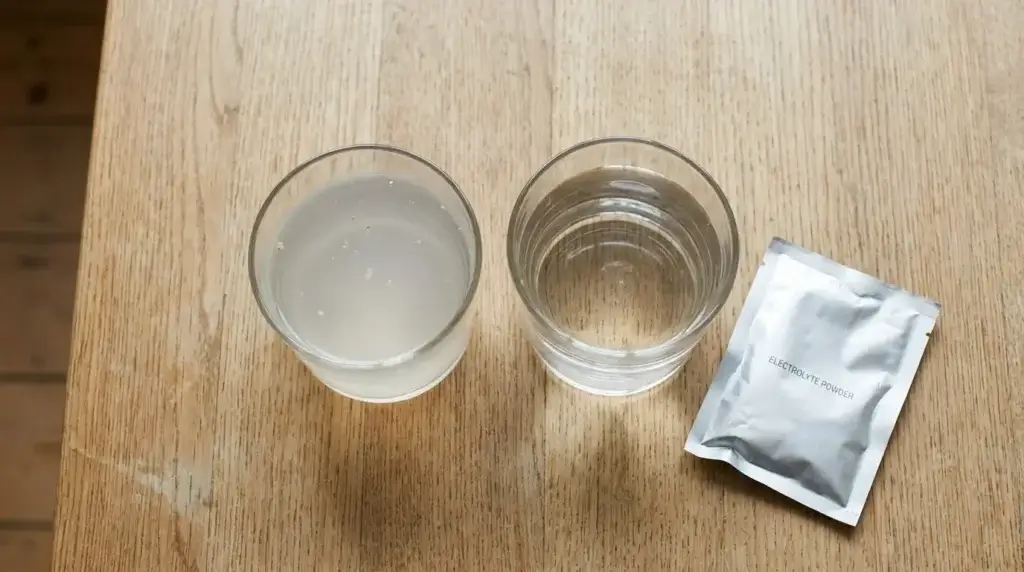
Electrolyte powders vary enormously.
Some emphasize sodium. Others provide potassium and magnesium. Some contain sugar, while others use non-sugar sweeteners or are unsweetened.
Coconut water therefore shouldn’t be compared with all electrolyte powders as though they were one product.
The practical difference is that packaged electrolyte powders usually provide specified amounts of minerals on the nutrition label, while coconut water naturally contains minerals whose amounts can vary by product.
If you want a broader comparison of sugar-free options, see electrolyte drinks without sugar.
Coconut Water vs. Gatorade
Coconut water and conventional sports drinks such as Gatorade are formulated very differently.
Coconut water naturally contains potassium and some carbohydrate, while traditional sports drinks generally emphasize fluid, sodium and carbohydrate for exercise.
Neither is automatically the better choice in every situation.
For someone simply looking for a refreshing drink after moderate activity, coconut water may be sufficient.
For prolonged exercise accompanied by substantial sweat loss, the sodium content of the beverage becomes more important.
Always compare the actual nutrition labels because formulations and serving sizes can change.
Coconut Water vs. Liquid I.V. and Similar Drink Mixes
Coconut water is a naturally occurring beverage, whereas products such as Liquid I.V. are formulated hydration mixes.
Because formulations vary by product and can change over time, compare their current labels rather than assuming a fixed amount of sodium, potassium or sugar.
The key question is what you actually need from the drink.
If you’re mainly looking for a potassium-containing beverage and enjoy coconut water, it can fit that purpose.
If you’re trying to replace substantial sodium losses from prolonged sweating, compare the sodium content carefully.
When Coconut Water May Be a Good Choice
Coconut water can make sense when you:
- Enjoy its taste and want an alternative to plain water
- Want a beverage that naturally contains potassium
- Have completed light or moderate activity
- Prefer an unsweetened beverage without added sugar
- Want some carbohydrates along with fluid
Remember that “no added sugar” does not mean “sugar-free.” Coconut water naturally contains sugar.
When Coconut Water May Not Be Enough
Coconut water may be less suitable as your only electrolyte source during prolonged endurance exercise or substantial sweating.
The reason is primarily its sodium profile.
Individual sweat losses vary considerably, so there isn’t one drink that is appropriate for every workout or every person.
If you want to prepare a simple sodium-containing beverage at home, see our homemade electrolyte drink without sugar.
How to Choose Coconut Water
When buying coconut water, check the label rather than relying only on claims on the front of the package.

Check the Ingredient List
A simple product may contain only coconut water.
Some flavored products contain additional ingredients, juices or sweeteners.
Check Added Sugar
Coconut water naturally contains sugar, but some products may contain additional sweeteners.
If you want coconut water without added sugar, check both the ingredient list and the nutrition label.
Compare Serving Sizes
Nutrition values can look very different simply because one label represents 8 ounces and another represents an entire bottle.
Compare similar serving sizes when evaluating potassium, sodium, calories and carbohydrate.
Check Sodium and Potassium
If you’re choosing coconut water specifically for electrolytes, these are particularly useful numbers to examine.
Don’t assume the product with the most potassium is automatically the best hydration choice. Your needs depend on the situation.
Can You Use Coconut Water in a Homemade Electrolyte Drink?
Yes. Coconut water can be used as an ingredient in a homemade hydration beverage.
However, adding coconut water means the drink will contain its naturally occurring carbohydrates and sugars.
If your goal is specifically a zero-sugar homemade beverage, coconut water isn’t the appropriate base.
See our homemade electrolyte drink without sugar for a simpler alternative.
Frequently Asked Questions
Does coconut water have electrolytes?
Yes. Coconut water naturally contains electrolytes including potassium, sodium, magnesium and calcium. Potassium is generally its most notable mineral.
Is coconut water a natural electrolyte drink?
It can reasonably be described as a beverage that naturally contains electrolytes. However, its electrolyte profile differs from formulated sports drinks because coconut water tends to contain more potassium and relatively less sodium.
Is coconut water good for electrolytes?
Coconut water can contribute potassium and smaller amounts of other electrolytes. Whether it is sufficient depends on why you need electrolytes and how much fluid and sodium you have lost.
Is coconut water better than water for hydration?
Not necessarily. Coconut water provides minerals and carbohydrates that plain water doesn’t, but research hasn’t established that it consistently hydrates people better than water in ordinary circumstances.
Is coconut water better than Gatorade for electrolytes?
They have different electrolyte profiles. Coconut water tends to provide more potassium, while conventional sports drinks are generally formulated with more sodium. The appropriate choice depends on activity, sweat loss and individual needs.
Does coconut water contain sugar?
Yes. Coconut water naturally contains carbohydrates and sugar even when no sugar has been added. Check the nutrition label because amounts vary between products.
Is coconut water enough after a workout?
It may be adequate after relatively light or moderate activity. After prolonged exercise or heavy sweating, sodium replacement may become more important, and coconut water alone may not match the sodium content of a dedicated exercise-hydration product.
Final Thoughts
Coconut water really does contain electrolytes, particularly potassium.
What it doesn’t deserve is the assumption that being “natural” automatically makes it a better hydration drink than water or a properly formulated electrolyte beverage.
For ordinary hydration and moderate activity, coconut water can be a convenient option if you enjoy it. For prolonged exercise and heavy sweating, pay closer attention to sodium and your individual fluid losses.
The best choice depends on what you’re replacing — not simply which drink has the healthiest reputation.