
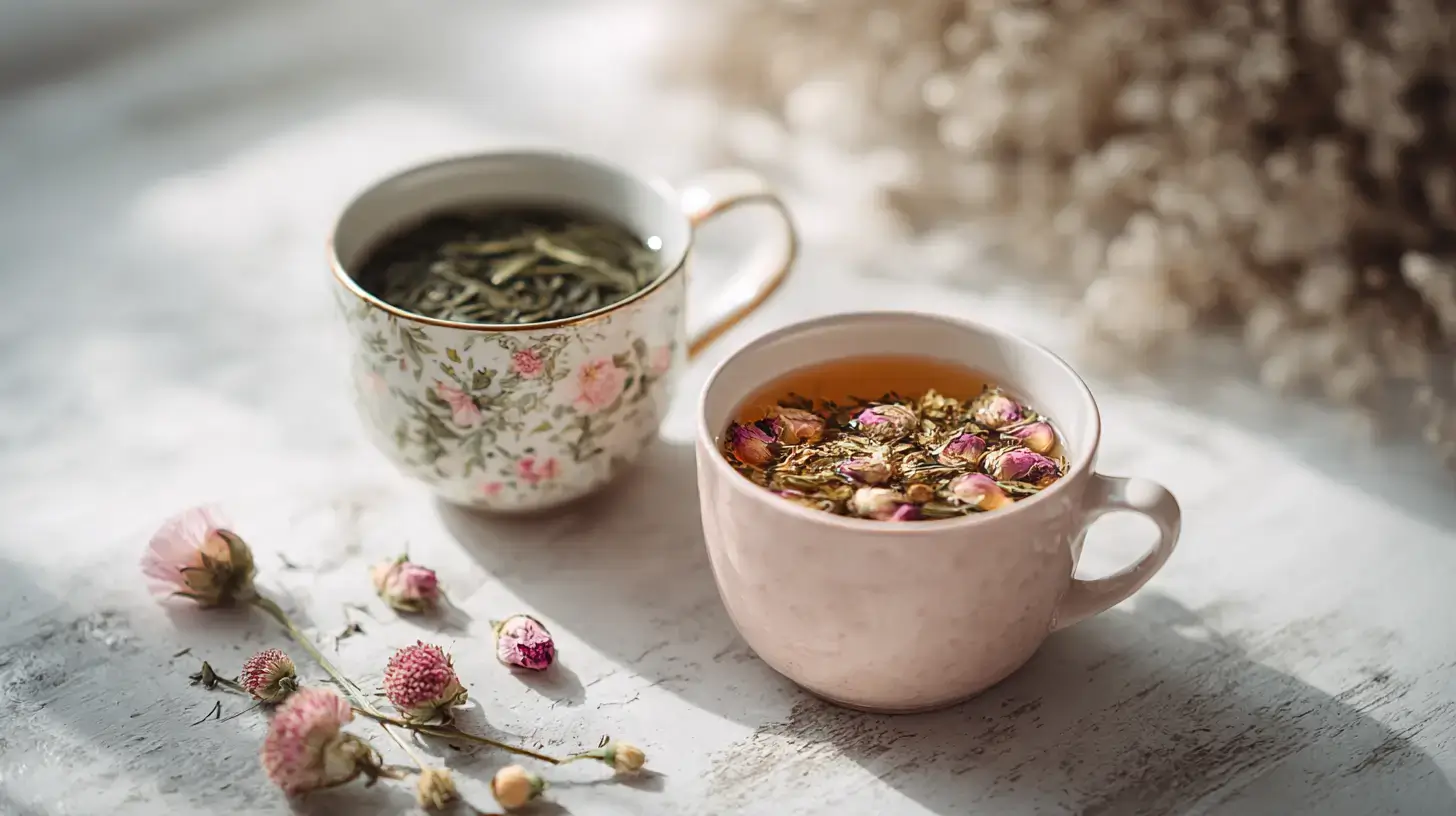
When it comes to everyday tea choices, many people hesitate between herbal tea vs green tea benefits. Both are popular, comforting, and easy to include in daily routines, yet they serve very different purposes. While one is naturally caffeine-free and often enjoyed for relaxation, the other contains caffeine and is commonly linked to focus and alertness.
Because of that, the real question isn’t which tea is “better” in absolute terms, but which one fits your habits, schedule, and preferences. Some teas work better in the morning, others feel more suitable in the evening, and personal tolerance to caffeine often plays a key role.
In this article, we’ll break down the differences between herbal tea and green tea in simple terms. You’ll discover how they compare in caffeine content, taste, daily use, and routine compatibility, so you can confidently choose the option that works best for you—without overthinking it.
What Is Herbal Tea?
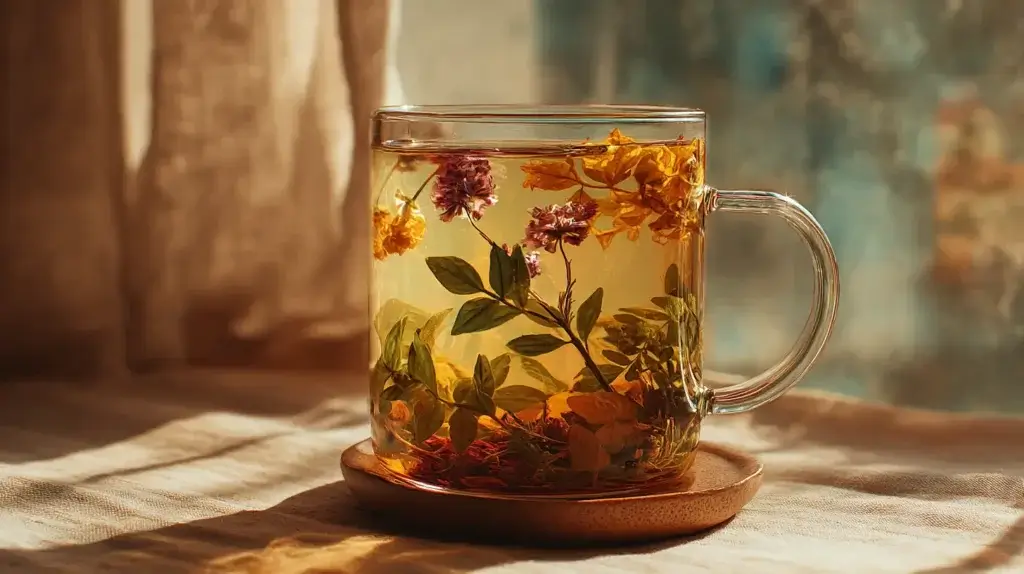
Herbal tea is a broad term used to describe plant-based infusions made from ingredients like flowers, leaves, roots, seeds, or fruits. Unlike traditional tea, it is not made from tea leaves, which is why many people consider it a separate category altogether.
A Simple Definition
In everyday language, herbal tea refers to a drink created by steeping plants in hot water. Chamomile, mint, rooibos, ginger, and hibiscus are common examples. Because of this wide variety, herbal tea comes in many flavors, aromas, and colors, making it easy to match different moods and moments of the day.
Made from Plants, Not Tea Leaves
One key point in the herbal tea vs green tea benefits discussion is the source. Herbal teas are made from:
- Flowers
- Herbs
- Bark
- Roots
- Spices
Since they don’t come from the tea plant, they don’t follow the same processing methods as green tea or black tea. This difference explains why herbal teas vary so much in taste and use.
Naturally Caffeine-Free
Most herbal teas are naturally caffeine-free, which is why they’re often chosen for afternoon or evening routines. People who want a warm drink without worrying about stimulation tend to prefer herbal infusions, especially later in the day.
Because of their flexibility, herbal teas are commonly used as part of calming, everyday habits rather than energy-focused routines. In the next section, we’ll look at how green tea differs and why caffeine changes how and when people drink it.
What Is Green Tea?
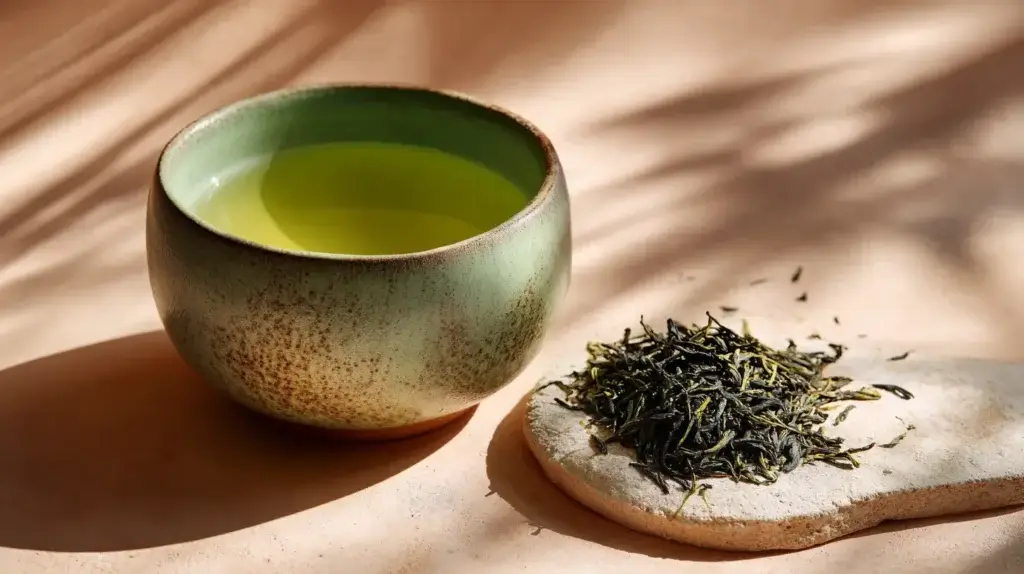
Green tea is a traditional tea made from the leaves of the Camellia sinensis plant. Unlike herbal tea, it comes from the same source as black and oolong tea, but it is processed differently. This distinction plays an important role when comparing herbal tea vs green tea benefits in everyday routines.
Made from the Camellia sinensis Plant
Green tea starts as fresh tea leaves that are quickly heated after harvesting. This step helps limit oxidation, which keeps the leaves green and preserves their natural characteristics. Because of this minimal processing, green tea has a lighter color and a more delicate taste compared to darker teas.
Contains Natural Caffeine
One of the biggest differences between herbal tea and green tea is caffeine. Green tea naturally contains caffeine, although usually less than coffee. This makes it a popular choice for people who want a gentle boost without the intensity of stronger caffeinated drinks.
For many tea drinkers, this caffeine content influences when green tea is consumed. It’s often preferred in the morning or early afternoon, when focus and alertness are more useful than relaxation.
A Distinct Taste and Drinking Experience
Green tea is known for its fresh, slightly grassy flavor, which can range from mild to more pronounced depending on the variety and brewing time. Some people enjoy it plain, while others prefer it lightly flavored or blended.
Because of its taste and caffeine content, green tea is commonly linked to structured daily habits rather than casual sipping at any hour. Up next, we’ll compare herbal tea and green tea side by side to clearly highlight their main differences.
Herbal Tea vs Green Tea: Main Differences
When comparing herbal tea vs green tea benefits, the real distinctions come down to a few everyday factors. These differences influence how people choose their tea based on time of day, taste preference, and daily habits rather than any strict rules.
Caffeine Content
The most noticeable difference is caffeine.
Herbal tea is generally caffeine-free, which makes it suitable for almost any time of day. In contrast, green tea contains natural caffeine, offering a mild stimulating effect. Because of this, many people avoid green tea late in the day while freely enjoying herbal tea in the evening.
Taste Profile
Herbal teas offer a wide range of flavors, from floral and fruity to earthy and spicy. Since they’re made from many different plants, the taste can vary dramatically from one cup to another.
Green tea, on the other hand, has a more consistent profile. It’s often described as fresh, vegetal, or slightly bitter, depending on how it’s brewed.
Best Time to Drink
Timing matters when choosing between the two.
Herbal tea is commonly enjoyed in the afternoon or evening, especially as part of a calming routine. Green tea is usually favored earlier in the day, when a light caffeine boost feels more appropriate.
Daily Use and Routine Fit
Both teas can fit into daily habits, but in different ways. Herbal tea tends to be more flexible because it doesn’t affect sleep patterns for most people. Green tea often becomes part of a structured routine, such as a morning ritual or a midday break.
Understanding these practical differences makes it easier to decide which option works best for your lifestyle. Next, we’ll compare herbal tea and green tea benefits side by side in a simple, easy-to-read format.
Herbal Tea vs Green Tea Benefits Compared
When looking at herbal tea vs green tea benefits, a side-by-side comparison makes things much clearer. Rather than focusing on extremes, it helps to see how each option supports different daily habits and preferences.
Simple Comparison Table
| Aspect | Herbal Tea | Green Tea |
|---|---|---|
| Caffeine | Usually caffeine-free | Contains natural caffeine |
| Drinking time | Flexible, day or evening | Best in the morning or early afternoon |
| Flavor variety | Very wide (floral, fruity, earthy) | More consistent, vegetal taste |
| Routine style | Relaxed, casual sipping | Structured, focus-oriented |
| Daily flexibility | Easy to drink multiple times a day | Often limited to earlier hours |
This comparison shows why neither option is universally better. Instead, they serve different moments of the day and different personal routines.
Why People Choose Herbal Tea
Many people turn to herbal tea for its versatility. Since most herbal infusions don’t contain caffeine, they can be enjoyed without worrying about timing. This makes them especially popular for winding down or staying hydrated throughout the day.
Herbal teas such as hibiscus tea are often chosen for gentle and caffeine-free daily routines.
Because there are so many plant-based options, herbal tea also appeals to those who enjoy experimenting with flavors and aromas.
Why People Choose Green Tea
Green tea is often selected for its balance. It offers a lighter caffeine experience compared to coffee, which fits well into morning or early afternoon habits. Many people enjoy green tea as part of a consistent routine, such as a daily morning cup or a midday pause.
Its more uniform taste also makes it appealing to those who prefer familiarity over variety.
Which One Is Better for Daily Routines?
Choosing between herbal tea and green tea often depends on when you plan to drink it. When comparing herbal tea vs green tea benefits, timing plays a bigger role than most people expect.
Morning
In the morning, green tea is usually the preferred option. Its natural caffeine can help ease into the day without feeling too intense. Many people enjoy it as a lighter alternative to coffee, especially when they want a calm but focused start.
Herbal tea can still work in the morning, but it’s more common among those who avoid caffeine altogether or prefer a slower, more relaxed routine.
Afternoon
The afternoon is where personal preference really matters. Some people switch to herbal tea to avoid late-day caffeine, while others still enjoy green tea earlier in the afternoon for a gentle pick-me-up.
This is often the point where people begin alternating between the two, depending on how sensitive they are to caffeine.
Evening
In the evening, herbal tea is usually the better fit. Since most herbal teas are caffeine-free, they blend naturally into nighttime habits. Many people enjoy them while reading, relaxing, or winding down after a long day.
Green tea, because of its caffeine content, is generally avoided at night by those who want to keep their routines calm and uninterrupted.
Overall, both teas can fit into daily life. The key is matching the tea to the moment, not forcing one option into every part of the day.
How to Choose Between Herbal Tea and Green Tea
Deciding between the two doesn’t have to be complicated. When thinking about herbal tea vs green tea benefits, the best choice usually comes down to your habits, preferences, and how your body reacts to caffeine.
Consider Your Caffeine Tolerance
First, think about how caffeine fits into your day. If you’re sensitive to it or prefer to avoid it altogether, herbal tea is often the easier option. On the other hand, if you enjoy a mild boost and don’t experience restlessness, green tea can fit nicely into your routine.
Match the Tea to Your Daily Rhythm
Your schedule matters. Green tea tends to work best earlier in the day, especially during work or study hours. Herbal tea, however, is more adaptable and can be enjoyed almost anytime, from quiet mornings to late evenings.
This flexibility is one of the main reasons people keep both options at home and switch depending on the moment.
Think About Flavor Variety
Taste is another deciding factor. If you enjoy experimenting with different flavors, herbal tea offers endless variety. If you prefer a familiar, consistent taste, green tea might feel more satisfying day after day.
If you want to explore more caffeine-free options, you can start with this herbal teas guide for simple everyday choices.
Ultimately, there’s no strict rule. Many people mix both into their routine, using green tea when they want gentle stimulation and herbal tea when they want something calming and flexible.
Common Mistakes to Avoid
When comparing herbal tea vs green tea benefits, small misunderstandings can lead to choices that don’t really fit your routine. Avoiding these common mistakes makes it easier to enjoy both teas in a balanced, practical way.
Drinking Caffeinated Tea Too Late
One of the most frequent mistakes is drinking green tea late in the day without considering its caffeine content. Even though it’s milder than coffee, it can still feel stimulating for some people. This is why many prefer to switch to herbal tea in the late afternoon or evening.
Confusing Herbal Tea with Traditional Tea
Another common mix-up is assuming all teas come from the same plant. Herbal tea is not made from tea leaves, while green tea is. This difference explains why their effects, taste, and ideal drinking times vary so much.
Expecting the Same Experience from Both
Herbal tea and green tea serve different purposes. Expecting one to replace the other in every situation often leads to disappointment. Instead, it’s better to see them as complementary options, each suited to different moments of the day.
By keeping these points in mind, you can make more intentional choices that align with your habits.
FAQs
Is herbal tea healthier than green tea?
Neither option is automatically better than the other. When comparing herbal tea vs green tea benefits, it really depends on how you plan to drink them. Herbal tea is often chosen for its caffeine-free nature, while green tea appeals to those who want a light, natural source of caffeine. The “better” choice is the one that fits your daily habits and preferences.
Can you drink herbal tea and green tea every day?
Yes, many people include both in their daily routines. Herbal tea is easy to drink throughout the day because it’s usually caffeine-free. Green tea is also commonly enjoyed every day, especially earlier in the day. The key is paying attention to timing and personal tolerance rather than sticking to a strict rule.
Is green tea better than herbal tea in the morning?
For many people, green tea works better in the morning because it contains caffeine, which can help with alertness. Herbal tea can still be a good morning choice for those who prefer to avoid caffeine or want a slower start. In the end, morning habits vary, and both options can work depending on your routine.
Conclusion
When it comes to herbal tea vs green tea benefits, there’s no single winner that works for everyone. Each option brings something different to the table, and that’s exactly why so many people enjoy both.
Herbal tea stands out for its flexibility. Being generally caffeine-free, it fits easily into almost any moment of the day, especially in the afternoon or evening. Green tea, on the other hand, is often chosen for earlier hours, when a gentle boost feels useful and intentional.
Rather than choosing one and ignoring the other, many people build simple routines that include both. Green tea can support structured, active parts of the day, while herbal tea complements calmer moments and relaxed habits.
By matching your tea choice to your schedule, taste preferences, and caffeine tolerance, you can enjoy both without overthinking it. In the end, the best option is the one that feels natural and enjoyable in your everyday routine.