
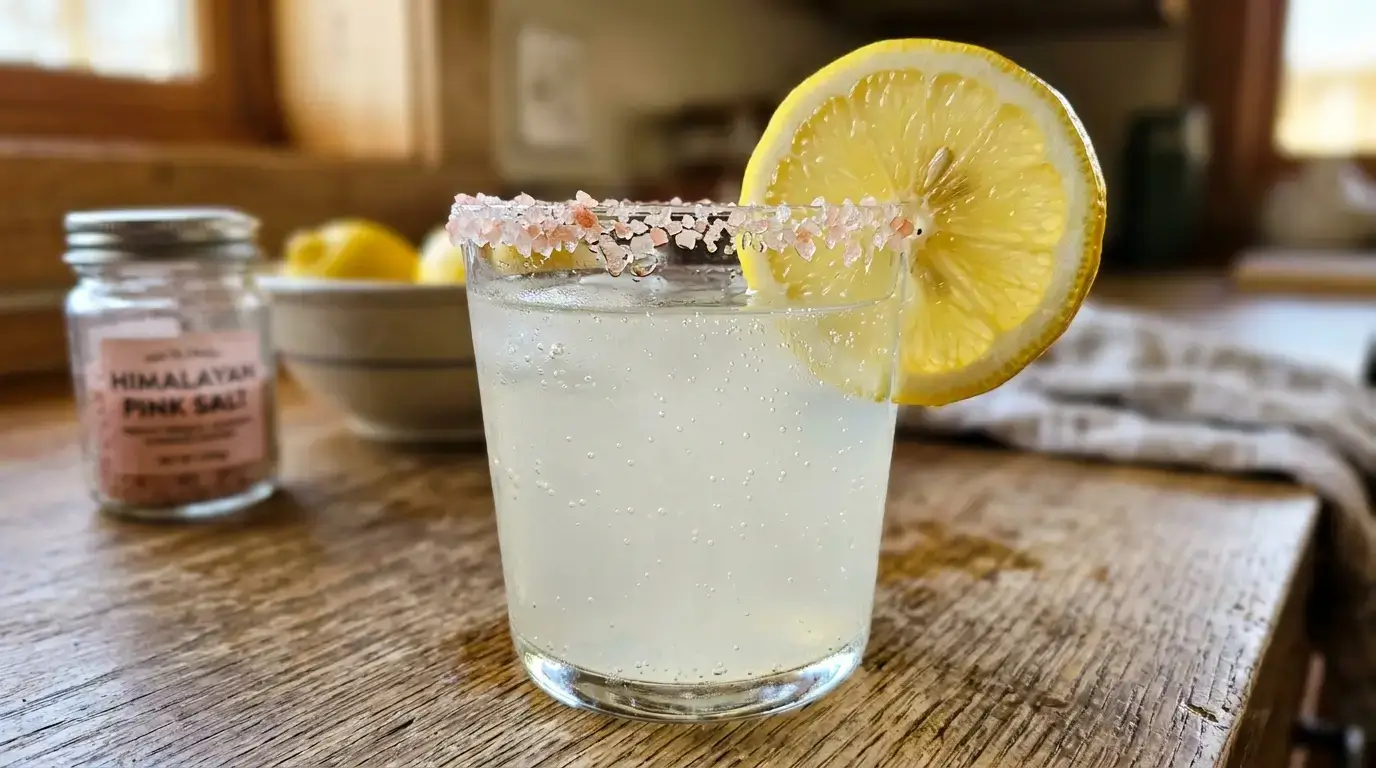
Staying properly hydrated doesn’t have to mean drinking sugary sports beverages loaded with artificial ingredients. In fact, many people are now turning to a homemade electrolyte drink without sugar as a smarter and cleaner way to support hydration.
Instead of consuming high-fructose syrups or synthetic sweeteners, you can make a simple, natural drink at home using just a few basic ingredients. Not only is it affordable, but it also helps replenish essential electrolytes like sodium without causing blood sugar spikes. If you’re exploring more natural hydration strategies, learn more about electrolyte drinks without sugar to discover other clean alternatives.
Whether you’re recovering after exercise, dealing with hot weather, traveling, or simply improving your daily hydration routine, a homemade electrolyte drink without sugar offers an effective and balanced solution.
In this guide, you’ll discover why sugar-free electrolyte drinks work, how to make one in minutes, when to drink it, and how it compares to store-bought options. Let’s get started.
Why Choose a Sugar-Free Electrolyte Drink?
Choosing a homemade electrolyte drink without sugar isn’t just a trend — it’s a smarter hydration strategy. While many commercial sports drinks promise performance and recovery, they often contain high amounts of sugar, artificial flavors, and synthetic sweeteners. Over time, that can work against your health goals rather than support them.
So, why switch to a cleaner option? Let’s break it down.
Avoid Blood Sugar Spikes and Energy Crashes
First of all, removing added sugar helps stabilize your energy levels. When you drink high-sugar beverages, your blood glucose rises quickly. Then, just as fast, it drops. As a result, you may feel tired, foggy, or even crave more sugar.
However, a homemade electrolyte drink without sugar hydrates your body without triggering that rollercoaster effect. Because it contains no added sugars, it supports steady energy and better overall balance.
Better for Diabetics and Low-Carb Lifestyles
In addition, drinks with electrolytes no sugar are often better suited for people managing diabetes or following low-carb or keto diets. Since this recipe avoids glucose, syrups, and artificial sweeteners, it aligns with blood sugar control goals.
That said, everyone’s health situation is different. Therefore, individuals with medical conditions should always consult a healthcare professional before making significant dietary changes.
Electrolyte Drinks Without Artificial Sweeteners: A Cleaner Choice
Many “zero sugar” commercial drinks replace sugar with artificial sweeteners like sucralose or aspartame. Although they reduce calories, some people report digestive discomfort or increased cravings.
By contrast, a homemade electrolyte drink without sugar uses only simple ingredients like water, salt, and lemon. Because of that, you avoid preservatives, dyes, and unnecessary additives. What you see is exactly what you get.
Benefits of Drinks With Electrolytes No Sugar
When you choose a sugar free hydration drink, you gain several advantages:
- No artificial colors or flavors
- No hidden sugars
- Lower cost per serving
- Full ingredient control
- Easy customization
Ultimately, hydration doesn’t need to be complicated. In many cases, the simplest solution works best — and that’s exactly what a homemade electrolyte drink without sugar provides.
Simple Homemade Electrolyte Drink Recipe (No Sugar)
Now that you understand the benefits, let’s get practical. The good news is that making a homemade electrolyte drink without sugar takes less than five minutes. You don’t need special powders or expensive supplements. Instead, you only need a few basic kitchen ingredients.
Because this recipe is simple, you can prepare it anytime — before a workout, after sweating, or first thing in the morning.
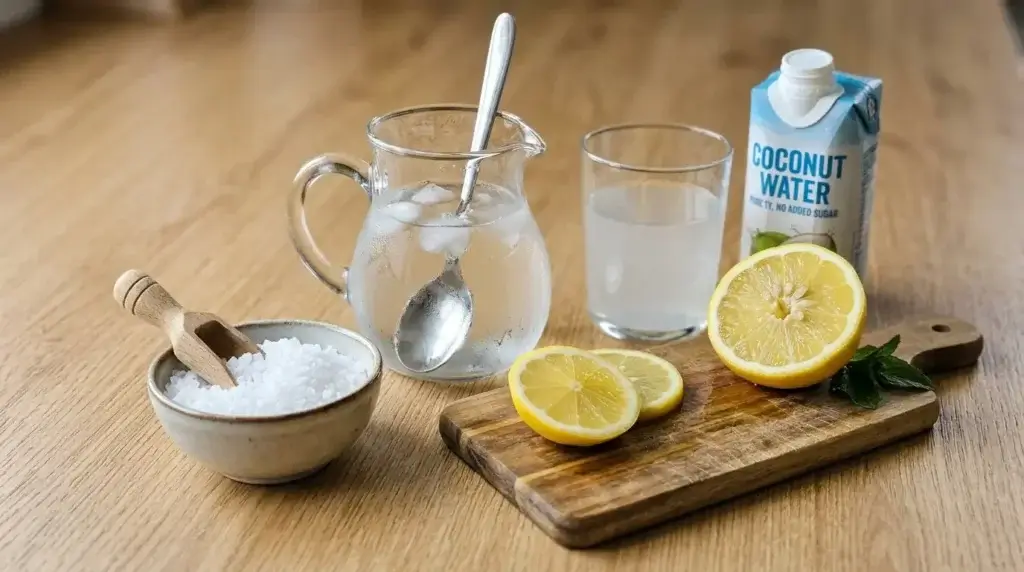
Basic Homemade Electrolyte Drink Without Sugar Recipe
🥤 Basic Recipe
Ingredients:
- 2 cups filtered water
- 1/8 teaspoon sea salt or pink salt
- 1 tablespoon fresh lemon juice
- Optional: splash of unsweetened coconut water
Instructions:
- Pour the water into a glass or mason jar.
- Add the salt and stir until completely dissolved.
- Mix in the fresh lemon juice.
- Add a splash of unsweetened coconut water if desired.
- Chill in the refrigerator or serve over ice.
That’s it. This homemade electrolyte drink without sugar delivers essential sodium and hydration support without artificial sweeteners or added sugars.
If you’re curious about mineral-based hydration, learn more about pink salt drink benefits to understand how it supports natural electrolyte balance.
Ingredient Breakdown and Substitutions
Each ingredient serves a specific purpose. Understanding how they work helps you customize your drink confidently.
Water
Water forms the base of any sugar free hydration drink. It restores lost fluids and supports circulation, temperature control, and overall body function.
Sea Salt or Pink Salt
Salt provides sodium, the key electrolyte lost through sweat. Even a small amount can improve fluid absorption and help maintain hydration balance.
Lemon Juice
Lemon adds flavor and small amounts of potassium. More importantly, it makes the drink refreshing and easier to consume regularly.
Optional Coconut Water
Unsweetened coconut water contains natural electrolytes like potassium. However, always choose a version without added sugar.
Optional Variations for Taste and Mineral Boost
Although the basic formula works well, you can adjust your homemade electrolyte drink without sugar to suit your taste preferences.
For example:
- Add fresh mint for a cooling effect
- Include thin cucumber slices for freshness
- Use lime instead of lemon
- Add a small splash of apple cider vinegar
Because you control every ingredient, you can keep the drink natural while still enjoying variety. And unlike store-bought drinks with electrolytes no sugar, you won’t find hidden additives in your glass.
How This Homemade Electrolyte Drink Replenishes Electrolytes
At first glance, a homemade electrolyte drink without sugar may look like simple salted lemon water. However, once you understand how electrolytes function in the body, its effectiveness makes perfect sense.
Because hydration isn’t just about water, adding the right minerals can significantly improve fluid balance. Let’s break down why this works.
The Role of Sodium in Hydration Balance
Sodium is the primary electrolyte lost through sweat. Whenever you exercise, spend time in hot weather, or experience mild dehydration, your body releases sodium along with fluids.
As a result, drinking only plain water may dilute your remaining sodium levels. That can sometimes lead to fatigue, headaches, or muscle cramps.
However, when you add a small amount of salt, your homemade electrolyte drink without sugar helps your body retain fluids more effectively. Sodium supports proper nerve signaling and muscle contraction, making it essential for balanced hydration.
Potassium and Mineral Support
While sodium plays the leading role, potassium also contributes to electrolyte balance. Lemon juice and optional unsweetened coconut water provide small amounts of potassium.
Potassium helps regulate muscle function and supports proper cellular fluid balance. Therefore, even a simple sugar free hydration drink can provide foundational mineral support without relying on commercial formulas.
Although this drink is not designed for severe dehydration, it works well for daily hydration and mild electrolyte replacement.
How Electrolytes Regulate Fluid Balance
Electrolytes are minerals that carry an electrical charge. They help regulate:
- Fluid movement inside and outside cells
- Muscle contractions
- Nerve impulses
- Blood pressure stability
Because electrolytes guide how water moves through your body, hydration depends on more than just fluid intake. That’s why drinks with electrolytes no sugar can sometimes hydrate more efficiently than plain water alone.
Why Salt Is Essential in a Sugar Free Hydration Drink
Some people worry about adding salt to their water. However, moderate sodium intake plays a vital role in hydration, especially if you sweat regularly.
Without sodium, water may pass through your system too quickly. By contrast, a homemade electrolyte drink without sugar improves fluid retention and supports overall balance.
If you’re unsure about how much fluid you need daily, learn how much water you should drink daily to better understand optimal hydration levels.
When Should You Drink a Sugar-Free Electrolyte Drink?
Although water is essential every day, there are specific moments when a homemade electrolyte drink without sugar can be even more effective. Because electrolytes support fluid retention and muscle function, timing your intake makes a real difference.
Let’s look at the most common situations where this simple drink helps the most.
After Sweating or Exercise
First and foremost, drink it after intense sweating. Whether you’ve finished a long workout, gone for a run, or spent hours outside in hot weather, your body has likely lost sodium.
As a result, replacing both fluids and electrolytes becomes important. While many people reach for sugary sports drinks, a homemade electrolyte drink without sugar restores balance without added sugars or artificial sweeteners.
Therefore, it’s a cleaner recovery option that supports hydration without unwanted calories.
Morning Hydration Routine
Interestingly, your body wakes up slightly dehydrated each morning. After several hours without fluids, electrolyte levels may be lower than usual.
For that reason, starting your day with a sugar free hydration drink can help rehydrate more effectively than plain water alone. It gently replenishes sodium and prepares your body for the day ahead.
If you’re building a healthier morning routine, discover healthy morning hydration drink ideas to improve your daily hydration habits naturally.

Travel, Flights, and Hot Weather
Traveling, especially flying, exposes you to dry air that increases fluid loss. Likewise, hot climates cause more sweating, which depletes sodium faster.
Because dehydration can lead to fatigue and headaches, bringing a homemade electrolyte drink without sugar during travel helps maintain comfort and energy.
Moreover, it prevents you from relying on overpriced sugary airport drinks.
Mild Dehydration Symptoms and Recovery
If you notice symptoms such as:
- Headaches
- Muscle cramps
- Low energy
- Dry mouth
You may be mildly dehydrated. In those cases, drinks with electrolytes no sugar can restore balance more effectively than plain water alone.
However, severe dehydration requires medical attention. This homemade option works best for everyday hydration support and minor fluid loss.
Is It Safe for Diabetics?
For many readers, this is the most important question. The short answer is yes — in most cases, a homemade electrolyte drink without sugar can be a safer hydration option compared to traditional sports drinks. Still, context matters.
Because health conditions vary, understanding why this drink works is essential.
Why It Contains No Added Sugars
The basic recipe includes only water, salt, and lemon juice. There are no added sugars, syrups, glucose powders, or artificial sweeteners.
As a result, this homemade electrolyte drink without sugar does not cause rapid blood sugar spikes the way conventional sports drinks often do. That alone makes it a more suitable option for people managing diabetes or insulin resistance.
In contrast, many commercial hydration beverages contain 20–35 grams of sugar per serving. Even some drinks labeled “healthy” may hide added sugars under different names.
Electrolytes and Blood Glucose Considerations
Electrolytes themselves — such as sodium and potassium — do not raise blood glucose levels. Instead, they help regulate fluid balance, nerve signaling, and muscle function.
Therefore, a sugar free hydration drink can support hydration without interfering with blood sugar management goals.
However, if you choose to add coconut water, make sure it is unsweetened and consumed in moderation, since even natural sugars can add up.
When to Consult a Healthcare Professional
Although this drink is generally safe, individuals with certain conditions should speak with a healthcare provider before increasing sodium intake. This includes:
- Kidney disease
- Heart conditions
- Hypertension requiring sodium restriction
Moderation is key. Even though a homemade electrolyte drink without sugar is cleaner than most commercial alternatives, personal medical needs always come first.
Can You Make It Without Lemon?
Yes, you absolutely can. While lemon adds freshness and a small amount of potassium, a homemade electrolyte drink without sugar still works even if you skip citrus entirely.
In fact, some people avoid lemon due to taste preference, acid sensitivity, or dental concerns. Fortunately, there are several easy alternatives.
Best Lemon Substitutes
If you want to keep the flavor bright without using lemon, try one of these options:
- Fresh lime juice
- A splash of apple cider vinegar
- Thin cucumber slices
- Unsweetened herbal tea as a base
Each of these choices keeps your homemade electrolyte drink without sugar natural and refreshing. At the same time, they avoid artificial sweeteners and unnecessary additives.
Flavor Variations Without Artificial Sweeteners
Instead of reaching for sugar substitutes, consider natural flavor enhancers. For example:
- Fresh mint leaves
- Thin slices of fresh ginger
- A small pinch of cinnamon
- Orange zest (minimal amount for aroma)
Because you control every ingredient, you can adjust the flavor while keeping the drink clean and simple. That’s one of the biggest advantages over commercial drinks with electrolytes no sugar, which often contain synthetic flavors.
Citrus-Free Electrolyte Drink Option
If you prefer a completely citrus-free version, use this basic formula:
- 2 cups water
- 1/8 teaspoon sea salt or pink salt
- Optional: splash of unsweetened coconut water
Even without lemon, the sodium content still supports hydration balance. After all, salt is the primary electrolyte lost through sweat.
If you enjoy mineral-based hydration approaches, Aprende más sobre /pink-salt-drink/ to understand how pink salt contributes to electrolyte support.
Homemade vs Store-Bought Electrolyte Drinks
At this point, you might be wondering how a homemade electrolyte drink without sugar truly compares to commercial options. After all, store shelves are packed with brightly colored sports drinks claiming superior hydration.
However, once you look closely at the ingredients and cost, the differences become clear.
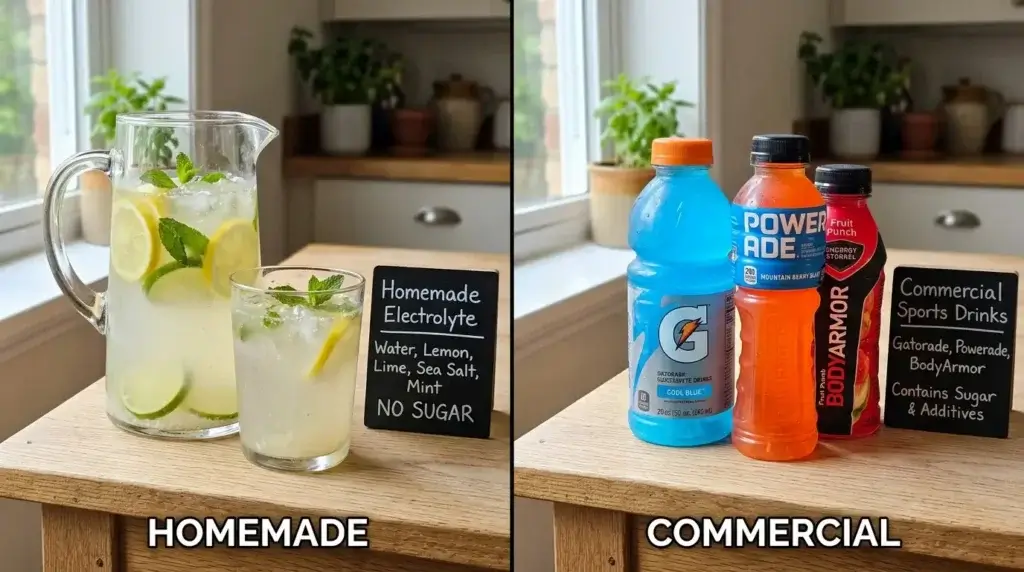
Nutritional Comparison Table
Here’s a simple breakdown:
| Feature | Homemade Electrolyte Drink Without Sugar | Store-Bought Sports Drink |
|---|---|---|
| Sugar Content | 0 grams | Often 20–35g per serving |
| Artificial Sweeteners | None | Frequently included |
| Artificial Colors/Flavors | None | Common |
| Cost Per Serving | Very low | High |
| Ingredient Transparency | Full control | Limited |
As you can see, a homemade electrolyte drink without sugar eliminates unnecessary additives. While commercial drinks may be convenient, they often rely on sugar or synthetic ingredients to enhance flavor.
Cost Comparison and Ingredient Transparency
Because the homemade version uses water, salt, and lemon, the cost per serving is minimal. In contrast, bottled electrolyte drinks can be expensive, especially if consumed regularly.
Moreover, making your own allows complete ingredient transparency. You know exactly what you’re drinking — no hidden preservatives or confusing chemical names.
Are Commercial Drinks With Electrolytes No Sugar Truly Healthy?
Some brands now offer drinks with electrolytes no sugar. While that sounds promising, many of these products still contain artificial sweeteners, flavor enhancers, or stabilizers.
Although they may reduce sugar intake, they aren’t always as clean as they appear. On the other hand, a homemade electrolyte drink without sugar gives you total control.
Ultimately, the choice comes down to simplicity and transparency. If you prefer knowing exactly what goes into your body, homemade hydration wins.
Frequently Asked Questions
Below are the most common questions about making and using a homemade electrolyte drink without sugar. These answers will help clarify how it works and when to use it.
What is the best homemade electrolyte drink without sugar?
The best homemade electrolyte drink without sugar is a simple mix of water, sea salt (or pink salt), and fresh lemon juice. This combination provides sodium for hydration balance while keeping the ingredient list clean and natural. For mild dehydration or daily hydration support, this basic formula is usually sufficient.
Do you need sugar for electrolytes to work?
No, you do not need sugar for electrolytes to function. While medical oral rehydration solutions sometimes include glucose to speed up absorption in severe dehydration cases, sugar is not required for everyday hydration. A sugar free hydration drink can effectively replenish sodium and support fluid balance without added sugars.
Can I drink a sugar-free electrolyte drink every day?
Yes, in moderate amounts. If you sweat regularly, exercise often, live in a hot climate, or follow a low-carb diet, a homemade electrolyte drink without sugar can support daily hydration. However, balance is important. Excess sodium intake may not be suitable for everyone, so moderation is key.
Is pink salt good for hydration?
Pink salt works well because it contains sodium, which is the primary electrolyte responsible for fluid retention. Although pink salt includes trace minerals, sodium remains the main factor that supports hydration. Therefore, whether you choose sea salt or pink salt, the sodium content is what truly matters.
Conclusion: Why a Homemade Electrolyte Drink Without Sugar Is a Smart Daily Choice
A homemade electrolyte drink without sugar offers a simple, affordable, and effective way to support hydration. Because it avoids artificial sweeteners, added sugars, and synthetic additives, it promotes cleaner hydration habits.
Moreover, it’s fully customizable. You can adjust the flavor, mineral level, and ingredients to suit your needs. Whether you use it after exercise, during travel, or as part of your morning routine, it provides balanced hydration without unnecessary extras.
If you’re building a healthier hydration strategy, learn how much water you should drink daily to ensure your daily water intake aligns with your personal needs.
In the end, better hydration doesn’t require complicated formulas. Sometimes, the simplest solution — like a homemade electrolyte drink without sugar — is the most effective.