
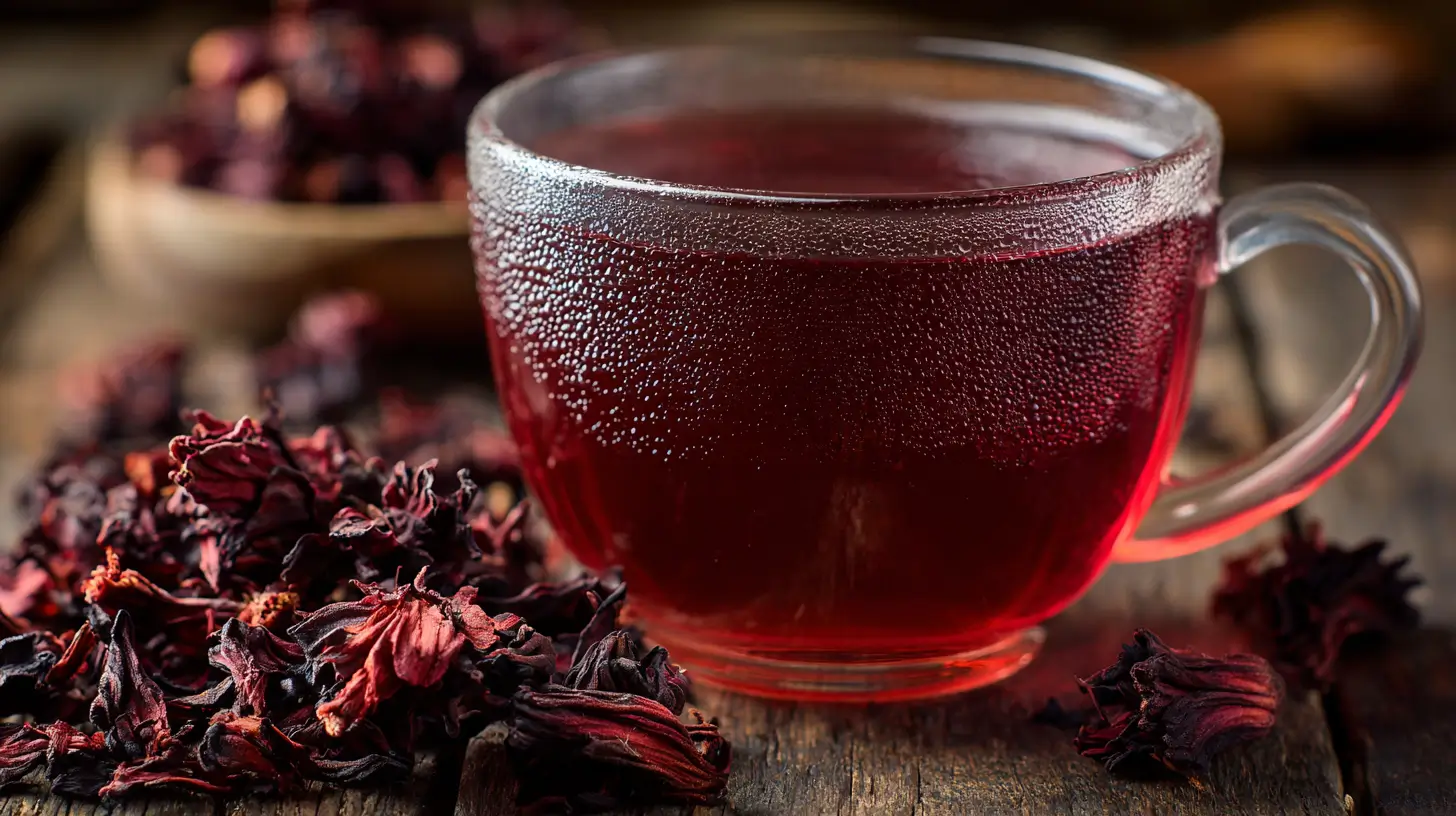
Hibiscus tea is known for its bold ruby color, tart flavor, and growing reputation as a wellness drink. But how much hibiscus tea per day is actually safe? Should you stick to one cup, or can you comfortably enjoy two or three without overdoing it? The answer depends on your health, your goals, and how strong you brew it.
Most people consume between one and three cups of hibiscus tea per day. However, moderation matters. While hibiscus tea is caffeine-free and widely enjoyed, drinking excessive amounts — especially strong, concentrated brews — may not be ideal for everyone. Factors like blood pressure levels, sensitivity to acidity, and medication use can influence what’s considered a safe daily amount.
In this guide, you’ll learn how many cups of hibiscus tea per day are generally recommended, what happens if you drink too much, who should limit intake, and how to find the right balance for your body. Let’s break it down clearly and simply.
How Many Cups of Hibiscus Tea Can You Drink Per Day?
If you’re wondering how much hibiscus tea per day is considered normal, the short answer is simple: most people drink between one and three cups daily. That range works well for healthy adults who enjoy hibiscus tea as part of a balanced routine. However, the exact amount can vary depending on how strong you brew it and why you’re drinking it in the first place.
The Most Common Daily Range: 1–3 Cups
Most people consume between one and three cups of hibiscus tea per day. For general wellness, one to two cups is often enough. Meanwhile, some individuals comfortably drink up to three cups, especially when the tea is lightly brewed.
That said, more isn’t always better. While hibiscus tea is caffeine-free and refreshing, it still contains active plant compounds. Therefore, consistency matters more than quantity. Drinking a moderate amount daily tends to be a more balanced approach than consuming large amounts occasionally.
If you’re curious about the full range of health effects, you can Learn more about hibiscus tea benefits to better understand why people include it in their daily habits.
Moderation vs. Excess: Why Balance Matters
Even though hibiscus tea is herbal, it isn’t just flavored water. It contains antioxidants, natural acids, and plant compounds that may influence blood pressure and hydration. Because of that, moderation is key.
In general:
- 1 cup per day = mild daily support
- 2 cups per day = moderate intake
- 3 cups per day = upper range for most healthy adults
However, drinking more than three strong cups daily may not be suitable for everyone. Especially if you brew it heavily, the concentration increases. As a result, the safe amount depends not only on the number of cups but also on strength.
Strong Brew vs. Light Infusion: Does It Change the Amount?
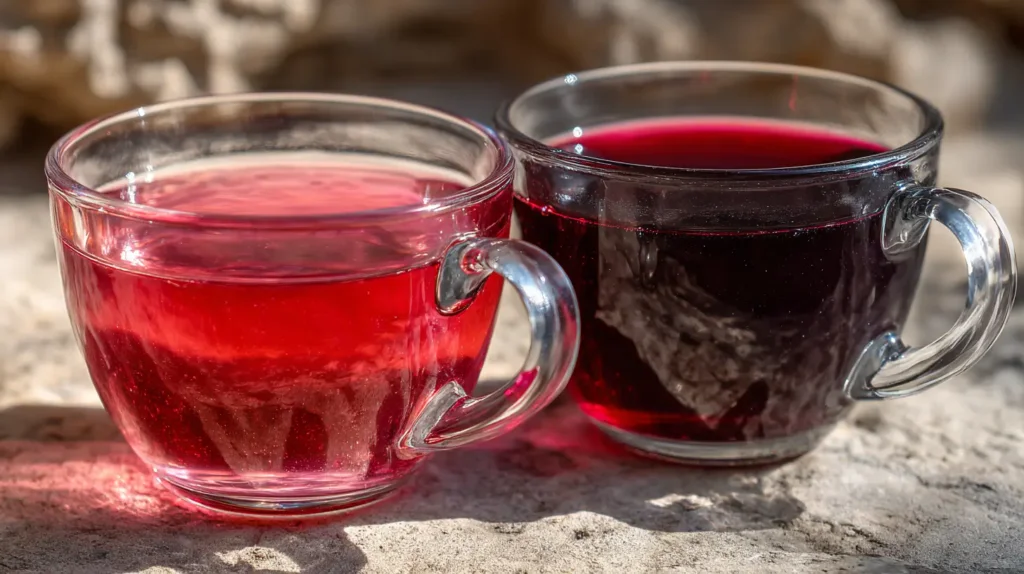
Absolutely. The strength of your tea makes a big difference.
A lightly steeped hibiscus tea (5–7 minutes) will be milder and less concentrated. On the other hand, a long steep (10–15 minutes) or large amounts of dried flowers can create a much stronger infusion. Therefore, two cups of mild tea may equal one cup of a very concentrated brew in terms of potency.
If you prefer experimenting with preparation styles, you might also want to Check out hibiscus tea hot or cold to see how brewing methods affect flavor and strength.
Consistency Over Quantity
When deciding how much hibiscus tea per day is right for you, think long term. Instead of drinking four cups one day and none the next, a steady one or two cups daily is typically more balanced.
Additionally, your reason for drinking it matters. If you’re drinking hibiscus tea casually for hydration, a lighter brew in slightly higher amounts may feel fine. However, if you’re drinking it for specific wellness goals, sticking to one or two moderate cups may be more reasonable.
In short, for most healthy adults, 1–2 cups daily is a safe and moderate starting point, while up to 3 cups may work for some people depending on tolerance and brew strength.
Is It Safe to Drink Hibiscus Tea Every Day?
Now that we’ve covered how much hibiscus tea per day is generally recommended, the next logical question is: can you drink it every single day? For most healthy adults, the answer is yes — in moderation.
Hibiscus tea is naturally caffeine-free, widely consumed around the world, and commonly used as part of daily wellness routines. However, daily use still calls for balance and awareness.
Daily Consumption for Healthy Adults
In general, drinking one to two cups of hibiscus tea per day is considered safe for most people. Many cultures traditionally consume it regularly, whether hot or iced. Because it doesn’t contain caffeine, it won’t overstimulate your nervous system like coffee or black tea.
That said, even herbal teas contain active compounds. Hibiscus, in particular, is known for its tart flavor and naturally occurring acids. Therefore, while daily intake is common, extremely high amounts aren’t necessary.
If you’re exploring its broader wellness role, you can Discover great ideas like the best time to drink hibiscus tea to make your routine even more balanced.
Short-Term vs. Long-Term Use
Drinking hibiscus tea occasionally is unlikely to cause issues for most people. However, what about long-term daily use?
Moderate long-term use is common. Many individuals enjoy 1–2 cups per day for months or even years without noticeable problems. Still, it’s wise to monitor how your body responds over time. If you start noticing dizziness, fatigue, or digestive discomfort, reducing your intake may help.
In other words, consistency at moderate levels tends to work better than excessive daily consumption.
Listening to Your Body
When deciding how much hibiscus tea per day is right for you, your body provides useful signals. For example:
- Feeling lightheaded? You may need less.
- Experiencing stomach sensitivity? Try a weaker brew.
- Feeling well and hydrated? Your current amount may be appropriate.
Everyone’s tolerance differs. While one person may comfortably drink three light cups daily, another may feel better sticking to one.
Additionally, if you have concerns about acidity or digestion, you might want to Don’t miss our guide on whether hibiscus tea is acidic or alkaline to better understand how it interacts with your system.
Overall, yes — hibiscus tea can be consumed daily. However, moderation, preparation strength, and individual tolerance ultimately determine what’s safe and sustainable.
What Happens If You Drink Too Much Hibiscus Tea?
While hibiscus tea is widely enjoyed and generally safe in moderate amounts, drinking excessive quantities may lead to unwanted effects. So, how much hibiscus tea per day becomes “too much”? For many people, consistently drinking more than three strong cups daily may push beyond a comfortable range.
Let’s break down what could happen if intake goes beyond moderation.
Can It Lower Blood Pressure Too Much?
Hibiscus tea is often associated with supporting healthy blood pressure levels. However, because of that very property, drinking too much may not be ideal for everyone.
If you already have naturally low blood pressure, consuming large amounts could potentially make you feel:
- Lightheaded
- Dizzy
- Fatigued
- Weak when standing up quickly
Although moderate intake (1–2 cups daily) is generally well tolerated, increasing beyond that — especially with strong brews — may amplify these effects in sensitive individuals.
Therefore, if you notice unusual dizziness, reducing your daily intake is a simple first step.
Digestive Sensitivity and Stomach Discomfort
Hibiscus tea has a naturally tart flavor due to its organic acids. While many people enjoy that tangy taste, drinking highly concentrated tea or consuming it on an empty stomach may cause mild irritation for some individuals.
Possible signs include:
- Stomach discomfort
- Mild acid sensitivity
- Nausea when consumed in large quantities
If that happens, try drinking a lighter infusion or pairing it with food. Often, small adjustments make a noticeable difference.
Increased Urination and Hydration Imbalance
Hibiscus tea is sometimes described as having mild diuretic properties. In practical terms, this means you might urinate more frequently if you drink several cups in a short period.
Although this isn’t dangerous for most people, excessive fluid intake combined with a diuretic effect may leave you feeling slightly dehydrated or low in electrolytes — especially if you’re not balancing it with regular water intake.
So again, moderation wins.
Overly Concentrated Brew Risks
Not all cups are equal. Two lightly brewed cups may be milder than one highly concentrated mug steeped for 15 minutes with a heavy handful of dried flowers.
Over-steeping or doubling the amount of hibiscus can significantly increase the potency of each serving. As a result, what seems like a reasonable number of cups might actually be a higher effective dose.
If you’re unsure about strength, consider starting with:
- 1–2 teaspoons dried hibiscus per 8 oz water
- 5–7 minutes steep time
- Gradually adjusting based on taste and tolerance
In summary, drinking too much hibiscus tea doesn’t usually cause severe problems in healthy adults. However, consuming more than three strong cups daily may increase the likelihood of dizziness, stomach sensitivity, or excessive urination. That’s why understanding how much hibiscus tea per day works for your body is key to staying balanced and comfortable.
Does the Safe Amount Depend on Why You’re Drinking It?
Absolutely. When asking how much hibiscus tea per day is appropriate, your goal matters just as much as your tolerance. After all, someone drinking it casually for hydration may approach it differently than someone focused on specific wellness support.
Let’s look at how your reason for drinking hibiscus tea can influence your daily amount.
For Blood Pressure Support
Many people turn to hibiscus tea as part of a heart-friendly lifestyle. Because it’s often associated with supporting healthy blood pressure levels, moderation becomes especially important here.
In most cases, 1–2 moderate cups daily is a common approach. However, drinking more doesn’t necessarily improve results. In fact, excessive intake could potentially lower blood pressure too much in sensitive individuals.
Therefore, if blood pressure support is your main goal, consistency tends to work better than high doses. Steady, moderate use usually makes more sense than pushing toward three or four strong cups per day.
For Hydration and Refreshment
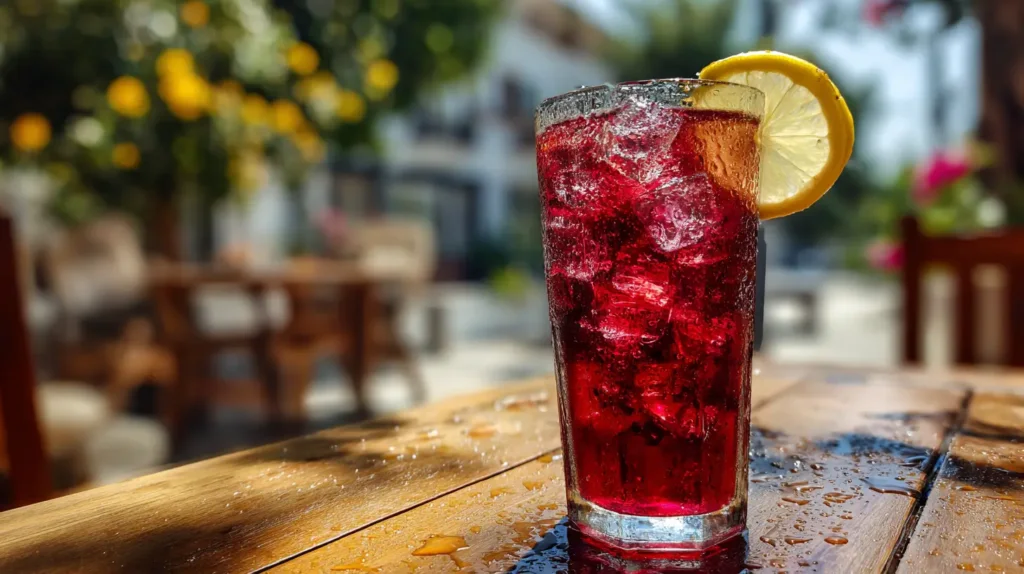
If you’re simply drinking hibiscus tea as a refreshing beverage, your approach can be more flexible. A lightly brewed iced version, for example, may be enjoyed in slightly larger quantities without being overly concentrated.
In this case, 2–3 light cups daily may feel perfectly reasonable. Still, strength matters. A diluted brew will affect your body differently than a strong, tart infusion.
If you’re exploring its overall wellness properties beyond hydration, you can also Learn more about hibiscus tea benefits to understand how it fits into a balanced routine.
For Relaxation and Evening Routine
Because hibiscus tea is naturally caffeine-free, many people enjoy it in the evening. When relaxation is the goal, one mild cup after dinner is often enough.
There’s no need to overdo it. In fact, drinking multiple cups close to bedtime might increase nighttime bathroom trips due to its mild diuretic effect. So, moderation still applies — especially later in the day.
If timing is part of your concern, you may want to Discover great ideas like the best time to drink hibiscus tea to optimize your schedule.
For General Wellness
For overall health and daily balance, most healthy adults do well with 1–2 cups per day. This moderate range provides consistency without excess. Meanwhile, going beyond three strong cups daily rarely adds meaningful benefit and may increase sensitivity in some individuals.
In short, how much hibiscus tea per day depends on your purpose:
- Blood pressure focus → 1–2 moderate cups
- Hydration → up to 3 light cups
- Relaxation → 1 mild evening cup
- General wellness → 1–2 balanced cups
Ultimately, your body’s response is the best guide. Start modestly, adjust gradually, and prioritize consistency over high volume.
Who Should Limit Hibiscus Tea Intake?
Although hibiscus tea is safe for most healthy adults in moderate amounts, certain individuals may need to be more cautious. So while the general guideline of 1–2 cups daily works well for many people, it doesn’t automatically apply to everyone.
Let’s look at who may need to limit how much hibiscus tea per day they consume.
Individuals with Low Blood Pressure
Because hibiscus tea is often associated with supporting healthy blood pressure levels, those who already have naturally low blood pressure (hypotension) should be mindful of intake.
Drinking several strong cups daily could potentially contribute to:
- Dizziness
- Lightheadedness
- Fatigue
- Weakness when standing quickly
If you fall into this category, starting with one mild cup and monitoring how you feel is usually a safer approach. Reducing strength rather than completely avoiding it may also help.
Pregnant Individuals
During pregnancy, herbal tea choices often require extra care. While hibiscus tea is widely consumed around the world, moderation is especially important in this context.
Because herbal compounds can affect individuals differently, it’s generally recommended to avoid high intake during pregnancy unless a healthcare professional advises otherwise. A cautious, limited approach is typically preferred over daily large servings.
Sensitive Stomach or Acid Reflux
Hibiscus tea has a naturally tart, acidic flavor. While many people enjoy that bright taste, individuals with acid sensitivity or frequent reflux may notice discomfort if they drink strong brews regularly.
If you have a sensitive stomach:
- Choose a lighter infusion
- Avoid drinking it on an empty stomach
- Limit to 1 cup per day if needed
If you’re unsure how hibiscus interacts with acidity, you can Don’t miss our guide on whether hibiscus tea is acidic or alkaline for more clarity.
Possible Medication Interactions
Although hibiscus tea is natural, it may interact with certain medications, especially those related to:
- Blood pressure
- Diuretics
- Fluid balance
That doesn’t mean it must be avoided entirely. However, drinking multiple strong cups daily while on related medications may not be ideal without professional guidance.
In general, if you’re taking prescription medication, a moderate intake of one cup per day — rather than three — is often the more cautious route.
Overall, while most healthy adults tolerate 1–2 cups daily without issue, certain individuals should limit how much hibiscus tea per day they consume. As always, paying attention to how you feel — and adjusting accordingly — is the simplest way to stay balanced and safe.
How Strength and Preparation Affect Safe Daily Intake
When deciding how much hibiscus tea per day is appropriate, the number of cups is only part of the equation. In reality, how you prepare the tea can dramatically change its strength, concentration, and overall impact on your body.
Two people may both drink “two cups per day,” yet one might be consuming a much stronger infusion than the other. That’s why preparation matters just as much as quantity.
Dried Hibiscus Flowers vs. Tea Bags
First, consider the form you’re using.
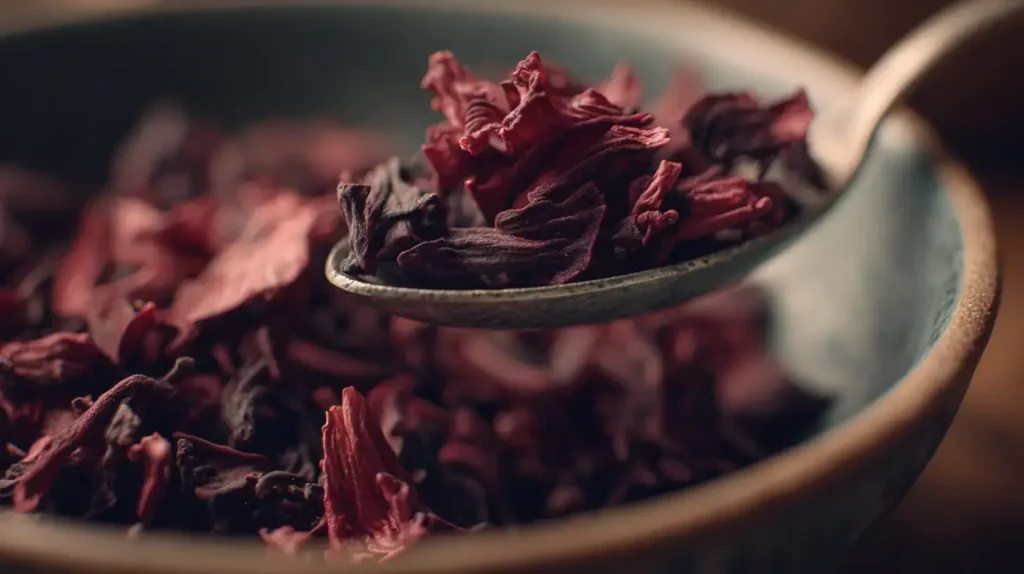
Loose dried hibiscus flowers often create a more potent infusion compared to pre-measured tea bags. With loose flowers, it’s easy to add extra by accident, which increases concentration. Meanwhile, tea bags typically contain standardized portions, making dosage more predictable.
If you’re unsure about strength, tea bags can help maintain consistency. On the other hand, if you prefer loose flowers, measure carefully — usually 1–2 teaspoons per 8 ounces of water is a moderate starting point.
Steeping Time and Concentration
Next, steeping time plays a huge role.
- 5–7 minutes → Mild to moderate strength
- 10–15 minutes → Strong, concentrated brew
- 20+ minutes → Very potent infusion
The longer hibiscus steeps, the deeper the color and the sharper the tart flavor. Consequently, a 15-minute steep may deliver more active compounds than a short infusion.
Therefore, if you’re drinking multiple cups daily, shortening steep time can help keep total intake balanced.
Hot vs. Cold Brew Impact
Preparation style also affects potency. A hot infusion extracts compounds quickly due to high temperature. In contrast, cold brewing (steeping in cold water for several hours) often produces a smoother, slightly less sharp flavor profile.
If you prefer iced versions, you might enjoy experimenting with both methods. You can also Check out hibiscus tea hot or cold to compare preparation styles and choose what fits your routine best.
In many cases, cold brew hibiscus tea feels gentler, which may allow for slightly larger servings without feeling overly concentrated.
Serving Size Matters
Finally, let’s talk about cup size.
A standard serving is typically 8 ounces (1 cup). However, many mugs today hold 12–16 ounces. So if you’re drinking two large mugs daily, you might actually be consuming the equivalent of three or even four standard cups.
Here’s a quick comparison:
| Mug Size | Equivalent Standard Cups |
|---|---|
| 8 oz | 1 cup |
| 12 oz | 1.5 cups |
| 16 oz | 2 cups |
As you can see, portion size can quietly increase your total intake.
In short, when evaluating how much hibiscus tea per day is safe, consider:
- The form (loose vs tea bag)
- Steeping time
- Brewing method (hot vs cold)
- Actual serving size
Often, adjusting strength is more effective than reducing the number of cups. By controlling preparation, you can enjoy hibiscus tea daily while staying within a moderate and balanced range.
Comparing Hibiscus Tea Intake to Other Herbal Teas
Sometimes, the easiest way to understand how much hibiscus tea per day is appropriate is to compare it with other popular herbal teas. While all herbal infusions seem similar on the surface, their properties can differ quite a bit.
So, how does hibiscus stack up?
Hibiscus vs. Green Tea Daily Limits
First, let’s clear up a common misconception. Hibiscus tea is herbal and naturally caffeine-free, while green tea contains caffeine. Because of that, green tea usually comes with more defined daily limits due to stimulant content.
With green tea, many people limit intake to 2–3 cups daily to manage caffeine levels. Hibiscus tea, on the other hand, doesn’t stimulate the nervous system. However, it does contain plant compounds that may influence blood pressure.
In other words, while caffeine isn’t a concern, moderation still applies. So even though hibiscus tea doesn’t keep you awake, drinking five or six strong cups daily isn’t necessarily better.
Hibiscus vs. Chamomile
Chamomile is often consumed for relaxation and is generally considered very gentle. Many people drink chamomile daily without strict limits.
Hibiscus tea, by contrast, has a tart profile and more noticeable physiological effects, particularly related to hydration and blood pressure support. Therefore, it’s usually wise to approach hibiscus with slightly more awareness.
While chamomile might feel “mild and soothing,” hibiscus is more vibrant and active. That’s why 1–2 cups daily of hibiscus tea is often considered a balanced range.
Herbal Tea Rotation Strategy
Even with safe herbal teas, variety can be beneficial. Rather than drinking large amounts of one single herb every day, rotating between different herbal teas may help maintain balance.
For example:
- Hibiscus in the morning
- Peppermint after meals
- Chamomile in the evening
This approach reduces the chance of overconsuming any one plant compound. Additionally, it keeps your routine enjoyable and diverse.
If you’re exploring hibiscus as part of a broader wellness plan, you might also Learn more about hibiscus tea benefits to understand how it compares nutritionally and functionally with other herbal options.
Ultimately, compared to many herbal teas, hibiscus tea sits somewhere in the middle. It’s generally safe for daily use, but it’s not something most people need in excessive quantities. As always, 1–2 cups per day is moderate, while up to 3 light cups may suit some individuals depending on tolerance and preparation strength.
Practical Daily Guide: Finding Your Ideal Hibiscus Tea Amount
By now, you understand the general recommendations. However, knowing how much hibiscus tea per day works specifically for you requires a practical approach. After all, individual tolerance, brewing strength, and personal goals all play a role.
Instead of guessing, follow a simple, step-by-step method to find your ideal amount.
Start Low and Adjust Gradually
If you’re new to hibiscus tea, begin with one moderate cup per day. This gives your body time to adapt while allowing you to observe how you feel.
After several days, you can evaluate:
- Do you feel comfortable and hydrated?
- Any dizziness or lightheadedness?
- Any stomach sensitivity?
If everything feels fine, you may increase to two cups daily. However, jumping straight to three or four strong cups isn’t necessary.
Gradual adjustment always beats sudden excess.
Track How You Feel
Your body offers useful feedback. Therefore, paying attention to subtle signals helps determine the right intake.
Here are a few checkpoints:
- Stable energy levels
- No unusual fatigue
- Comfortable digestion
- No dizziness when standing
If you notice discomfort, simply reduce the amount or brew it more lightly. Often, small tweaks solve the issue quickly.
Ideal Timing During the Day
Timing can also influence how hibiscus tea feels.
- Morning: Refreshing and hydrating
- Afternoon: Good alternative to sugary drinks
- Evening: Caffeine-free, but may increase bathroom trips
If you’re unsure about timing, you can Discover great ideas like the best time to drink hibiscus tea to structure your routine wisely.
In general, spacing your cups throughout the day rather than drinking them all at once can help maintain balance.
Sample Daily Intake Guide
Here’s a simple overview based on common goals:
| Goal | Recommended Cups | Strength | Notes |
|---|---|---|---|
| General wellness | 1–2 | Moderate | Balanced daily approach |
| Blood pressure support | 1–2 | Moderate | Monitor how you feel |
| Hydration | 2–3 | Light | Diluted brew preferred |
| Relaxation | 1 | Mild | Best in the evening |
As shown above, 1–2 cups daily works well for most healthy adults. Meanwhile, up to 3 light cups may be reasonable for hydration purposes, provided the brew isn’t overly concentrated.
Ultimately, determining how much hibiscus tea per day is right for you comes down to moderation, preparation, and personal response. Start small, adjust slowly, and prioritize consistency over high volume.
Frequently Asked Questions
How much hibiscus tea can I drink a day?
Most healthy adults can safely drink 1–2 cups of hibiscus tea a day, with up to 3 light cups being fine for some people depending on brew strength and tolerance. This range lines up with the amounts used in clinical studies on hibiscus tea’s health effects. Going beyond 3 strong cups daily increases the chance of dizziness, stomach sensitivity, or frequent urination in sensitive individuals.
Can I drink hibiscus tea every day?
Yes, many people drink hibiscus tea every day in moderate amounts. In fact, 1–2 cups daily is a common routine for healthy adults. Because it’s naturally caffeine-free, it fits easily into a morning or evening schedule. However, even though daily use is generally safe, moderation still matters. Listening to your body and avoiding overly strong brews helps keep your intake balanced.
How many cups of hibiscus tea is too much?
For most people, more than three strong cups per day may be excessive. While lightly brewed tea in moderate amounts is typically well tolerated, drinking multiple highly concentrated servings daily could increase the likelihood of dizziness or stomach sensitivity. Therefore, if you’re unsure how much hibiscus tea per day is appropriate for you, staying within the 1–2 cup range is usually a safe starting point.
Is it safe to drink hibiscus tea long term?
Moderate long-term use is common, and many individuals include hibiscus tea in their routine for months or even years. That said, tolerance varies from person to person. Drinking 1–2 cups per day consistently is generally considered a balanced approach. However, if you ever notice changes in how you feel — such as fatigue or digestive discomfort — adjusting your intake may help.
Can drinking too much hibiscus tea lower blood pressure too much?
It may affect individuals who already have low blood pressure. Because hibiscus tea is often associated with supporting healthy blood pressure levels, drinking large amounts — especially strong brews — could potentially contribute to lightheadedness in sensitive individuals. If you experience dizziness, reducing how much hibiscus tea per day you consume is a practical first step.
Final Recommendation: What’s a Reasonable Daily Amount?
So, how much hibiscus tea per day is safe for most people?
For healthy adults, 1–2 cups daily is a moderate and balanced approach. This range allows you to enjoy the refreshing flavor and potential wellness benefits without overdoing it. Meanwhile, up to 3 light cups may be suitable for some individuals, particularly when the brew is not overly concentrated.
However, more is not necessarily better. Drinking excessive amounts — especially strong infusions — may increase the chance of dizziness, stomach sensitivity, or frequent urination.
When Should You Reduce Your Intake?
Consider cutting back if you experience:
- Lightheadedness
- Digestive discomfort
- Unusual fatigue
- Signs of low blood pressure
Often, simply brewing the tea more lightly or reducing to one cup per day makes a noticeable difference.
The Bottom Line
Ultimately, how much hibiscus tea per day is right for you depends on your goals, preparation method, and personal tolerance. Start with one cup, adjust gradually, and aim for consistency rather than excess.
In most cases, moderation wins — and a steady 1–2 cups per day provides a safe, sustainable, and enjoyable routine.