

If you’ve been on TikTok or Instagram in the past year, you’ve probably seen it: someone pouring a protein shake over iced cold brew and calling it breakfast. The trend even has a name — proffee — and it’s grown from a fitness community hack into one of the fastest-growing functional beverage categories of 2026.
Even Starbucks has gone all in, launching new ready-to-drink Coffee & Protein beverages with 22 grams of protein nationwide. When the world’s biggest coffee chain bets on a trend, it’s not a fad anymore.
But does protein coffee actually work? Is it a smart morning upgrade or just clever marketing? This guide breaks down the real benefits, the best proteins to use, what to avoid, and four easy recipes you can make at home — hot, iced, and blended.
What Is Protein Coffee?
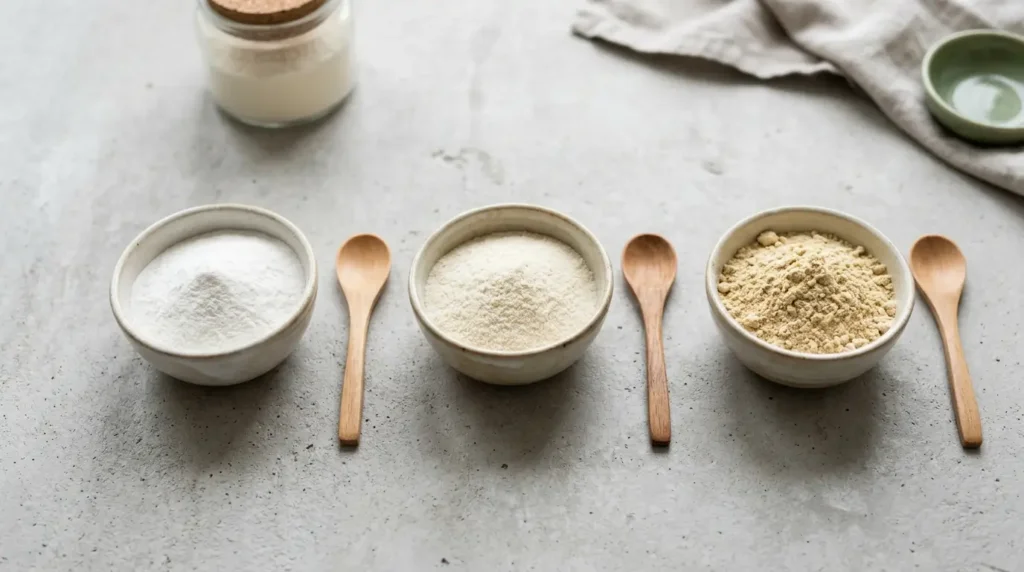
Protein coffee is exactly what it sounds like: coffee combined with a source of protein. The format varies — you can add protein powder directly to brewed coffee, mix a protein shake with cold brew, use high-protein milk as your base, or buy one of the growing number of ready-to-drink (RTD) bottled versions.
The TikTok nickname “proffee” comes from blending the words protein and coffee. The basic concept: instead of having your morning coffee and your protein shake separately, you combine them into one drink.
The trend spans everything from canned lattes to instant coffee powders to hand-crafted drinks made with protein-infused milk or cold foam.
Protein content ranges widely — from around 10g in simpler versions using high-protein milk, all the way to 30–40g in RTD products designed to double as meal replacements. For a daily morning drink that replaces or supplements breakfast, the sweet spot most nutrition experts recommend is 20–25g of protein per serving.
Why Protein Coffee Makes Sense in 2026
Two massive consumer trends are colliding here, and that’s what’s making protein coffee stick.
Trend 1 — Everyone is chasing protein. Protein has become the most sought-after macronutrient across all demographics, driven by weight management goals, fitness culture going mainstream, and growing awareness that most people undereat protein at breakfast specifically. Surveys show that a significant portion of adults actively try to increase protein intake earlier in the day.
Trend 2 — Coffee is already built into everyone’s routine. Around two in three American adults drink coffee every day — more than soda, tea, and juice combined. Adding protein to an existing habit requires no new behavior. It’s the same cup, slightly upgraded.
Put those trends together, and protein coffee starts to make sense — it combines caffeine and protein into one drink, and for busy mornings, that efficiency matters.
The Real Benefits of Protein Coffee
1. Sustained Energy Without the Crash
This is the core benefit, and the biochemistry behind it is real.
Caffeine alone causes a fast energy spike followed by a drop — partly because the spike is often accompanied by a blood sugar response (especially if you add any sweetener or flavored creamer). Protein counters this directly.
Protein slows digestion, which helps sustain energy and keeps you feeling full longer. When combined with caffeine, it creates a powerful combination — caffeine boosts alertness, and protein stabilizes blood sugar, preventing energy crashes.
The practical result: people who drink protein coffee consistently report fewer mid-morning energy dips compared to their regular coffee-only routine. If the 10:30am slump is a familiar problem for you, this is worth testing.
2. Satiety — Actual Hunger Control
Protein is the most satiating macronutrient. Unlike fat or carbohydrates, protein has a strong, well-documented effect on hunger hormones — specifically, it suppresses ghrelin (the hunger signal) and increases peptide YY and GLP-1 (the fullness signals).
A morning drink with 20–25g of protein can meaningfully reduce appetite through the morning and into the early afternoon, leading to less snacking and lower overall calorie intake for many people — without feeling like you’re dieting.
This is especially relevant for people who skip breakfast or drink coffee on an empty stomach. Adding protein to that coffee transforms it from a stimulant with no nutritional value into something that actually fuels you.
3. Muscle Maintenance and Recovery
Protein is the raw material your body uses to repair and build muscle tissue. The timing doesn’t need to be as precise as fitness culture sometimes suggests — total daily protein intake matters more than specific timing — but getting 20–25g of high-quality protein in the morning contributes meaningfully to your daily total.
For active people, protein coffee doubles as a convenient pre- or post-workout option that combines hydration, caffeine (performance-enhancing in its own right), and muscle-support protein in one drink.
4. A Smarter Swap for Sugary Coffee Drinks
The average flavored coffee drink — a vanilla latte, a caramel macchiato, most blended drinks — is high in sugar, moderate in calories, and low in protein. Protein coffee inverts that ratio: more protein, controlled sugar, and a more nutritionally complete profile.
If your morning coffee currently involves flavored syrups, sweetened creamer, or a blended sugary drink, replacing it with a protein coffee is a meaningful nutritional upgrade without requiring a dramatic change to your routine.
Which Protein Works Best in Coffee?
This is where most beginners go wrong — choosing the wrong protein results in a clumpy, gritty, or weirdly flavored drink. Here’s what actually works.
Whey Protein Isolate — The Gold Standard
Best for: hot and cold coffee, smooth texture, fast absorption
Whey protein isolate (not concentrate) is the most coffee-compatible protein. It dissolves well, has a clean flavor profile, and doesn’t curdle in hot coffee as long as you manage the temperature correctly (more on that below). It has a complete amino acid profile and the highest bioavailability of any protein source.
Look for isolate specifically — whey concentrate has more lactose and fat, which can cause curdling in hot drinks and digestive issues in lactose-sensitive people.
Collagen Peptides — The Seamless Option
Best for: hot coffee, completely invisible texture, skin and joint benefits
Collagen peptides dissolve completely in both hot and cold liquids with zero clumping and virtually no flavor change. They’re the easiest protein to add to coffee. The tradeoff: collagen is not a complete protein (it lacks tryptophan), so it shouldn’t be your only protein source, but as a daily coffee addition it’s excellent.
Collagen blends seamlessly into hot liquids and is a super-easy routine to follow — whey protein pairs especially well with coffee thanks to its complete amino acid profile and smooth texture.
Plant-Based Protein (Pea, Hemp, Rice) — For Dairy-Free
Best for: iced coffee, blended drinks, vegan/dairy-free needs
Plant proteins are the trickiest to work with in coffee. Pea protein in particular can have a beany taste that clashes with coffee flavor, and most plant proteins don’t dissolve as cleanly as whey or collagen. The best approach is to use flavored plant protein (vanilla or chocolate) in cold or blended drinks rather than hot coffee, and to blend rather than stir.
Rice + pea protein blends tend to have a better texture and more complete amino acid profile than either alone.
Protein Powder to Avoid in Coffee
- Casein protein — slow-digesting and very thick; creates a pudding texture in liquid
- Egg white protein — strong flavor that competes with coffee
- Heavily artificially sweetened powders — the sweetener taste becomes overwhelming in coffee
The Curdling Problem — How to Avoid It
The most common protein coffee mistake: adding protein powder to hot coffee and getting a curdled, lumpy mess.
Here’s why it happens and how to prevent it:
Why it happens: Hot coffee (especially dark roasts, which are more acidic) can denature whey protein and cause it to clump. The heat + acidity combination is the problem.
How to fix it:
- Let coffee cool slightly — 70–75°C / 160–165°F is the sweet spot for mixing protein without curdling. Fully boiling coffee (95°C) will curdle most whey.
- Mix protein into a small amount of cold milk or water first, then add your coffee — this buffers the temperature shock.
- Use a milk frother or blender — mechanical mixing prevents clumping much better than stirring.
- Choose collagen peptides — they’re completely heat-stable and never curdle.
- Switch to iced coffee — cold protein coffee is the easiest format and the most popular on TikTok for good reason.
4 Protein Coffee Recipes to Make at Home
Recipe 1 — Classic Iced Proffee (The TikTok Original)
The simplest, most popular format. Ready in under 2 minutes.

Ingredients:
- 200ml cold brew coffee (or chilled espresso)
- 1 scoop vanilla whey protein isolate (25g protein)
- 150ml unsweetened oat milk or almond milk
- Ice
- Optional: a few drops of liquid stevia, a pinch of cinnamon
Method:
- Add protein powder to the oat milk and shake or froth until dissolved.
- Pour over a glass of ice.
- Top with cold brew.
- Stir gently — the layered look before stirring is the signature TikTok aesthetic.
Macros (approx): 160 kcal · 25g protein · 8g carbs · 3g fat
Recipe 2 — Hot Collagen Coffee (Zero Texture Change)
For people who don’t want to change anything about their morning coffee — just add collagen and you’d never know it was there.

Ingredients:
- 240ml freshly brewed coffee (any style)
- 1–2 scoops unflavored collagen peptides (10–20g protein)
- Splash of oat milk if desired
Method:
- Let coffee cool for 60 seconds after brewing.
- Add collagen peptides directly to the cup.
- Stir with a spoon or froth briefly with a milk frother until dissolved.
- Add milk if using.
No curdling, no texture change, barely any flavor difference. Collagen dissolves completely in warm liquid.
Macros (approx): 90 kcal · 18g protein · 1g carbs · 0g fat
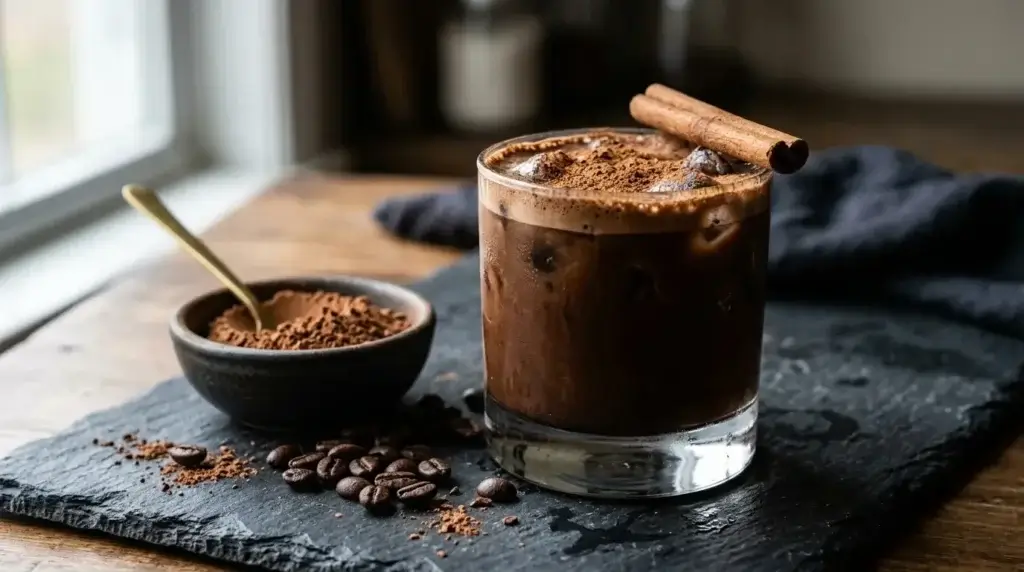
Recipe 3 — Protein Mocha (Post-Workout)
Higher protein, slightly indulgent, works as a post-workout recovery drink.
Ingredients:
- 2 shots espresso (chilled slightly)
- 1 scoop chocolate whey protein isolate (25g protein)
- 200ml cold almond milk
- 1 tsp raw cacao powder
- Ice
- Optional: a few drops of vanilla extract, pinch of sea salt
Method:
- Mix whey protein into almond milk with a frother until smooth.
- Add cacao powder and vanilla, froth again briefly.
- Fill glass with ice.
- Pour espresso over ice first, then the protein milk mixture on top.
- Stir to combine.
Macros (approx): 185 kcal · 27g protein · 9g carbs · 4g fat
Recipe 4 — Plant-Based Protein Iced Matcha Latte
For the matcha lovers — combines the L-theanine calm of matcha with protein satiety. (More on matcha: matcha vs coffee)
Ingredients:
- 1 tsp ceremonial grade matcha
- 60ml hot water (70°C / 160°F)
- 1 scoop vanilla pea + rice protein blend (20g protein)
- 200ml unsweetened oat milk
- Ice
Method:
- Whisk matcha powder into hot water until fully dissolved and no lumps remain.
- Blend protein powder into oat milk in a separate cup until smooth.
- Fill glass with ice.
- Pour protein oat milk over ice.
- Add matcha on top — it will slowly swirl down through the white milk.
Macros (approx): 175 kcal · 21g protein · 14g carbs · 3g fat
Common Questions About Protein Coffee
Does caffeine interfere with protein absorption?
No — this is a persistent myth. Research shows caffeine’s effect on protein absorption is minimal and not a concern for most people. You get the full benefit of both.
Can I drink protein coffee every day?
Yes. There’s nothing about the combination that makes it unsafe for daily use. The main thing to watch is total daily protein — most healthy adults can add 20–25g of protein to their coffee on top of regular meals without any issue. If you have kidney disease or a diagnosed kidney condition, check with your doctor first.
Is protein coffee good for weight loss?
It can support weight loss by replacing higher-calorie, lower-nutrition morning coffee drinks (flavored lattes, blended drinks), reducing mid-morning snacking through improved satiety, and helping maintain muscle during a caloric deficit. It’s not a fat-burner — it’s a more nutritionally complete version of something you’re already drinking.
Hot or iced — which is better?
Iced protein coffee is easier to make, avoids the curdling issue entirely, and is the more popular format. Hot protein coffee works well with collagen peptides or if you follow the temperature management tips above. Choose based on your preference — both deliver the same benefits.
When is the best time to drink protein coffee?
Morning is the most common and practical time — it addresses the breakfast protein gap and provides caffeine for the day. Pre-workout is another excellent window (caffeine boosts performance, protein supports muscle). Avoid it in the afternoon if you’re caffeine-sensitive.
Who Should (and Shouldn’t) Try Protein Coffee
A good fit for:
- People who skip breakfast or eat very little in the morning
- Anyone trying to increase daily protein intake
- Gym-goers who want a convenient pre/post-workout option
- People who experience mid-morning energy crashes
- Anyone trying to replace sugary coffee drinks with something more nutritious
Approach with caution:
- People with kidney disease (monitor protein intake carefully)
- Those with dairy sensitivities (use whey isolate or plant-based protein, avoid concentrate)
- People prone to digestive sensitivity (start with a smaller dose, choose proteins without sugar alcohols)
- Anyone who relies heavily on coffee flavor — some protein powders do change the taste
The Verdict

Protein coffee is one of the most practical functional drink trends of 2026, for one simple reason: it upgrades a habit you already have without requiring a new one. You’re drinking coffee anyway. Adding 20–25g of clean protein to that cup costs you 30 seconds of prep time and delivers real, measurable benefits — better satiety, smoother energy, and meaningful daily protein.
The key is choosing the right protein (whey isolate or collagen for hot drinks, any quality protein for iced), avoiding the curdling trap, and keeping the sugar and additives controlled.
Start with Recipe 1 — the classic iced proffee. Make it for one week. See how your morning hunger and energy feel compared to your regular routine. That feedback will tell you everything you need to know.
Explore more functional coffee content: Mushroom Coffee Benefits · Matcha vs Coffee · Coffee with Ginger and Lemon Benefits · Coffee Alternatives for Wellness