
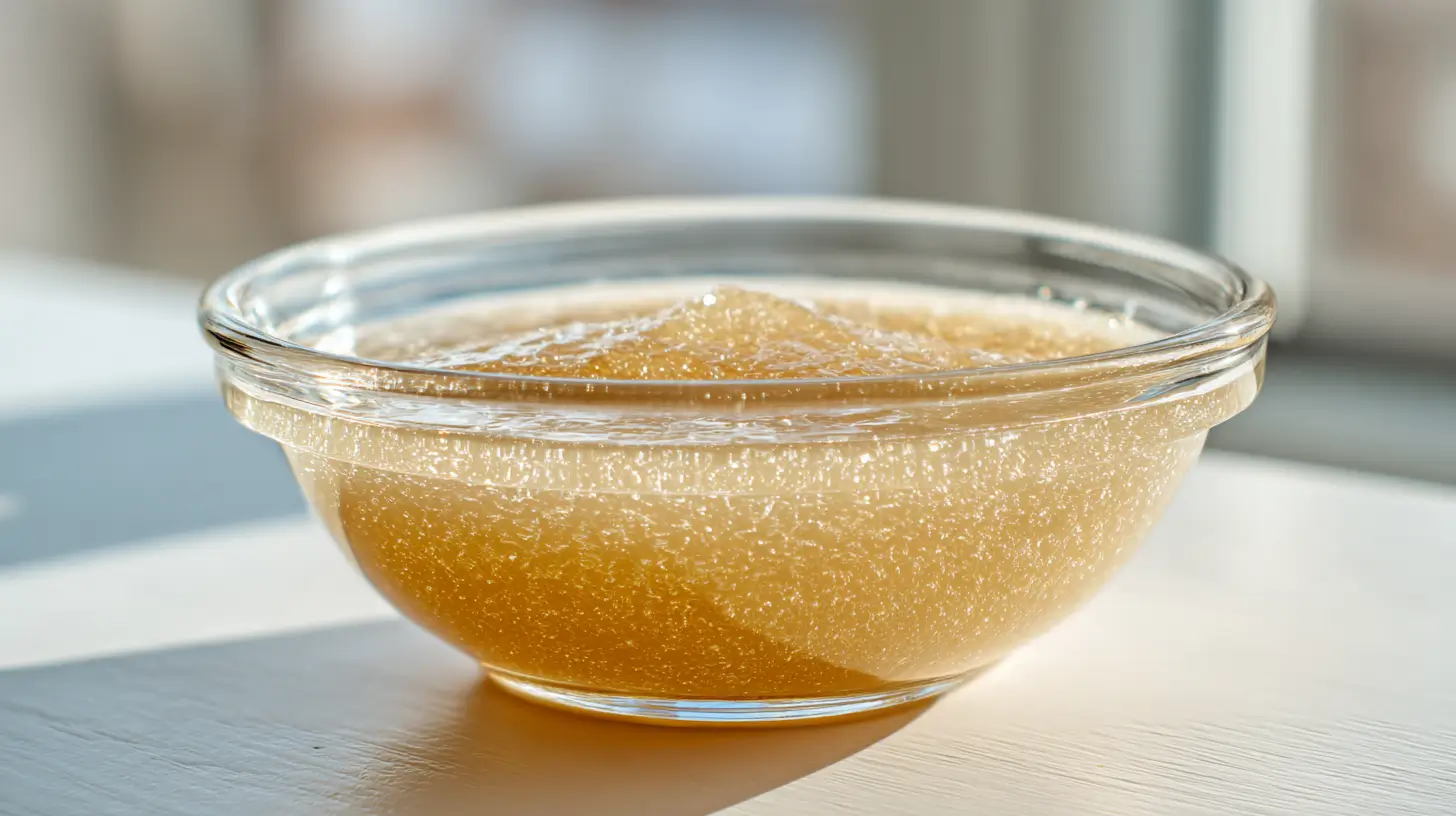
Unflavored gelatin recipe ideas are becoming popular again, and for good reason. This simple ingredient is affordable, flexible, and fits into many eating styles, from clean eating to medical and post-surgery diets. If you’ve ever wondered how to make unflavored gelatin at home without sugar, artificial flavors, or unnecessary additives, you’re in the right place.
Unlike boxed gelatin desserts, unflavored gelatin gives you full control over ingredients and texture. It’s often used in wellness routines, soft-food meal plans, and protein-focused diets, especially for those learning what bariatric gelatin is and how it’s used in everyday nutrition. Because it sets easily and digests gently, plain gelatin works well for beginners and experienced cooks alike.
In this guide, you’ll learn how to make unflavored gelatin step by step, understand the correct gelatin-to-water ratio, explore healthy uses, and discover easy variations you can adapt for drinks, savory dishes, or simple desserts. Whether your goal is weight management, collagen support, or a basic gelatin recipe you can rely on, this article covers everything you need to know.
What Is an Unflavored Gelatin Recipe?
An unflavored gelatin recipe is a simple preparation made using plain gelatin powder and liquid, usually water or milk, without added sugar, colors, or artificial flavorings. Unlike packaged gelatin desserts, this type of recipe gives you complete control over taste, texture, and nutritional profile. Because of that, it’s widely used in health-focused kitchens, medical diets, and everyday home cooking.
At its core, unflavored gelatin is a colorless, tasteless protein derived from collagen. When prepared correctly, it creates a soft, jiggly texture that can be eaten on its own or used as a base for drinks, savory dishes, or desserts. Many people start with a basic gelatin recipe because it’s easy to master and works as a foundation for dozens of variations.
What Unflavored Gelatin Is Made From
Unflavored gelatin is produced by extracting collagen from animal sources, most commonly beef or pork. The collagen is dried and ground into a fine powder, often labeled as gelatin powder recipe or simply “unflavored gelatin” in stores. When mixed with liquid and gently heated, the powder dissolves and later sets as it cools.
Because it’s nearly pure protein and contains no sugar by default, unflavored gelatin is often chosen for clean eating, low-carb plans, and gelatin recipes for collagen support. It’s also popular in soft-food diets because it sets smoothly and is easy to digest when prepared properly.
Difference Between Unflavored Gelatin and Flavored Gelatin
The biggest difference between unflavored and flavored gelatin is what’s added after processing. Flavored gelatin packets usually contain sugar, artificial sweeteners, colors, and flavorings. In contrast, a plain gelatin recipe uses only gelatin and liquid, making it suitable for both sweet and savory applications.
Another key distinction is flexibility. With unflavored gelatin, you can create a gelatin recipe without sugar, adjust firmness, or turn it into an unflavored gelatin drink by controlling the liquid ratio. Flavored gelatin, on the other hand, locks you into a specific taste and nutritional profile.
For anyone learning how to make unflavored gelatin for the first time, starting with the plain version makes it easier to understand texture, setting time, and portion control before moving on to flavored or mixed recipes.
Why People Choose Unflavored Gelatin
Many people choose unflavored gelatin because it’s simple, flexible, and easy to adapt to different health goals. Unlike flavored products, it doesn’t lock you into sugar or artificial ingredients. Instead, it allows you to build recipes that match your needs, whether that’s digestion support, protein intake, or clean eating.
Another reason unflavored gelatin stands out is control. You decide the sweetness, firmness, and serving size. That’s why it’s often recommended in professional nutrition plans and doctor-inspired gelatin approaches that focus on gut health, metabolic balance, and mindful eating.
Health-Conscious and Sugar-Free Benefits
One of the biggest advantages of unflavored gelatin is that it naturally contains no sugar. This makes it ideal for people following low-carb, keto, or calorie-controlled plans. A gelatin recipe without sugar can still feel satisfying because of its texture, which helps reduce cravings and slow down eating.
Because it’s neutral in flavor, unflavored gelatin also blends well with water, tea, milk, or broth. This flexibility makes an unflavored gelatin recipe easy to repeat daily without getting bored or overwhelmed.
Collagen, Protein, and Digestion Support
Gelatin is derived from collagen, which is why many people use it as part of their daily protein routine. While it’s not a complete protein, it provides amino acids that support joints, skin, and connective tissue. This is why gelatin recipes for collagen are so popular in wellness communities.
From a digestion standpoint, gelatin is gentle. When prepared correctly, it forms a soft gel that’s easy to chew and swallow. For people with sensitive stomachs or reduced appetite, a basic gelatin recipe can feel nourishing without being heavy.
Is Unflavored Gelatin Healthy to Eat?
Yes, for most people, unflavored gelatin is safe and healthy when consumed in moderation. It’s low in calories, free of additives, and easy to portion. That’s why it’s often used in structured eating plans and recovery diets.
However, quality matters. Choosing a clean gelatin powder and following proper unflavored gelatin preparation steps helps avoid texture issues and ensures the recipe sets correctly. When used as part of a balanced diet, unflavored gelatin can be a simple, reliable addition rather than a processed dessert.
Who Is This Recipe For?
An unflavored gelatin recipe works for a wide range of people because it’s gentle, customizable, and easy to digest. Whether you’re following a medical eating plan or simply want a clean, no-sugar option, plain gelatin fits into many lifestyles without feeling restrictive.
Because texture and portion size can be adjusted easily, this recipe is especially helpful for people who need soft foods or controlled servings. That flexibility is why unflavored gelatin appears so often in bariatric soft food preparations and structured recovery diets.
Gelatin Recipe for Bariatric Diet Stages
After bariatric surgery, food texture matters just as much as nutrition. A gelatin recipe for bariatric diet stages is often recommended because it’s smooth, light, and easy to tolerate. Unflavored gelatin allows patients to avoid added sugars while still consuming a food that feels familiar and comforting.
Since it can be prepared with water, broth, or milk alternatives, unflavored gelatin works well across different post-op phases. When prepared properly, it sets softly and melts easily in the mouth, reducing discomfort and supporting hydration.
Soft Texture Needs and Easy Digestion
People with dental issues, swallowing difficulties, or sensitive digestion often struggle with solid foods. A plain gelatin recipe provides structure without hardness, making it a safe option for those who need gentle textures.
Unflavored gelatin is also helpful during illness or recovery periods. Because it’s light and simple, it doesn’t overwhelm the stomach. That’s why many people turn to a basic gelatin recipe when appetite is low but nutrition is still important.
Unflavored Gelatin for Weight-Loss and GLP-1 Users
Unflavored gelatin is increasingly used by people focused on portion control and appetite awareness. Its protein content and firm texture can help you feel full with fewer calories, especially when eaten slowly.
For individuals using GLP-1–based approaches, unflavored gelatin offers a neutral, low-sugar option that’s easy to customize. An unflavored gelatin drink or small gelatin portion can fit well into routines where gentle foods are preferred.
Ingredients You Need for a Basic Unflavored Gelatin Recipe
One of the reasons an unflavored gelatin recipe is so popular is its simplicity. You only need a few basic ingredients, and once you understand how they work together, the recipe becomes nearly foolproof. This section breaks down exactly what you need and why each element matters.
Gelatin Powder Recipe Explained
The most important ingredient is unflavored gelatin powder. This is the powdered form of collagen that allows the liquid to set into a gel. When shopping, look for packages labeled “unflavored” or “plain gelatin,” with no added sweeteners or colors.
High-quality gelatin dissolves evenly and sets smoothly, which is essential for a basic gelatin recipe. Poor-quality gelatin may clump or create a grainy texture, especially if it isn’t bloomed correctly.
Water Ratios and Blooming Gelatin
Blooming is the step where gelatin powder is sprinkled over cold liquid and allowed to absorb moisture before heating. This step is critical for proper unflavored gelatin preparation. Skipping it often leads to lumps or uneven setting.
Most recipes start by blooming gelatin in cold water, then gently warming the mixture until fully dissolved. The amount of liquid you use determines how firm or soft the final gelatin will be, which is why understanding ratios matters.
What Is the Ratio of Unflavored Gelatin to Water?
A standard ratio for a plain gelatin recipe is:
- 1 tablespoon unflavored gelatin powder
- 2 cups liquid (water, milk, or broth)
This ratio creates a soft but stable gel that works well for most uses. If you want firmer gelatin, you can slightly reduce the liquid. For a softer texture or an unflavored gelatin drink, increase the liquid amount.
Learning this ratio makes it much easier to customize recipes later, whether you’re preparing gelatin for desserts, savory dishes, or dietary needs like a gelatin recipe without sugar.
How to Make Unflavored Gelatin Step by Step
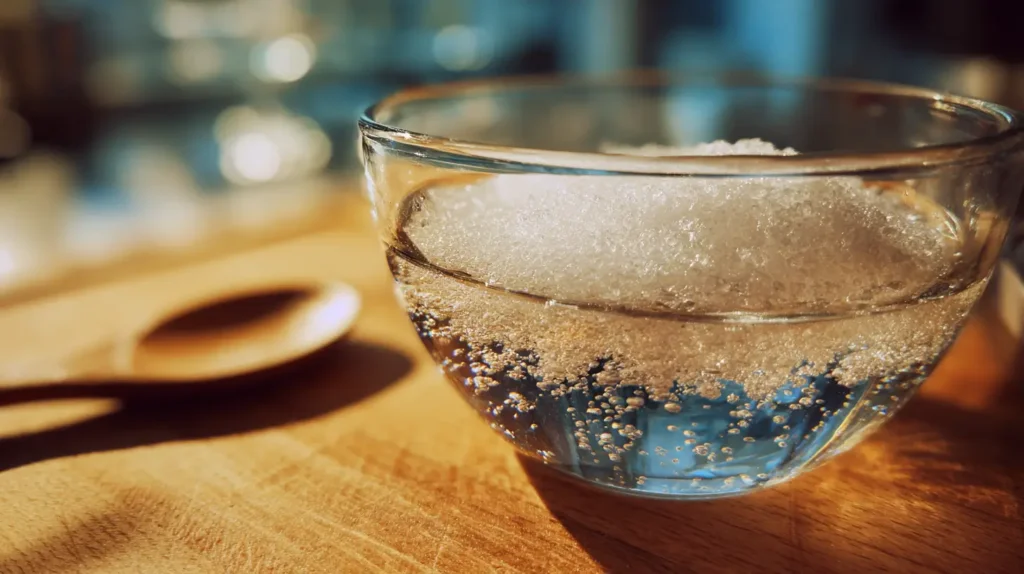
Learning how to make unflavored gelatin is simple once you understand the process. This method works for beginners and creates consistent results every time. Whether you’re preparing a basic gelatin recipe or planning to customize it later, these steps form a reliable foundation.
How to Make Unflavored Gelatin the Right Way
Start by measuring your ingredients accurately. Sprinkle unflavored gelatin powder evenly over cold liquid in a bowl. Let it sit for about five minutes so the gelatin can absorb the liquid and bloom fully. This step is essential for smooth texture.
Next, gently heat the bloomed gelatin. You can do this on the stove over low heat or in the microwave in short intervals. Stir slowly until the gelatin dissolves completely. Avoid boiling, as high heat can weaken the gelatin’s setting power and affect the final texture of your unflavored gelatin recipe easy.
Once dissolved, pour the mixture into a container or mold. Refrigerate for at least two to four hours, or until fully set.
Unflavored Gelatin Preparation Mistakes to Avoid
One common mistake is skipping the blooming step. Without blooming, gelatin may clump and never dissolve properly. Another issue is overheating. Boiling gelatin can prevent it from setting, leaving you with a liquid instead of a gel.
Using inaccurate ratios can also cause problems. Too much liquid results in gelatin that won’t hold its shape, while too little liquid can make it rubbery. Following a trusted gelatin powder recipe helps prevent these issues.
Plain Gelatin Recipe: Hot vs Cold Method
The hot method involves blooming gelatin in cold liquid and then gently heating it to dissolve. This is the most reliable method and works for nearly all recipes.
The cold method, often used for drinks, involves dissolving bloomed gelatin into warm liquid and then diluting it further with cold liquid. This approach works well for unflavored gelatin drinks or softer textures but requires careful stirring to avoid clumps.
Both methods are useful, but for beginners, the hot method is the easiest way to master unflavored gelatin preparation.
Print
Unflavored Gelatin Recipe (Easy, Healthy, and Versatile Guide)
- Total Time: 10 minutes + chilling time
- Yield: 4 servings 1x
Description
This unflavored gelatin recipe is a simple, sugar-free base made with just gelatin powder and liquid. It’s easy to prepare, gentle to digest, and perfect for drinks, desserts, savory dishes, or bariatric-friendly meal plans.
Ingredients
- 1 tablespoon unflavored gelatin powder
- 2 cups water (or milk or broth, depending on use)
Instructions
- Pour ½ cup of cold water into a bowl.
- Sprinkle the unflavored gelatin evenly over the water and let it bloom for 5 minutes.
- Heat the remaining 1½ cups of water until warm but not boiling.
- Add the bloomed gelatin to the warm liquid and stir gently until fully dissolved.
- Pour the mixture into a container or mold.
- Refrigerate for 2–4 hours, or until fully set.
Notes
Do not boil gelatin, as high heat can prevent it from setting properly. For a softer gelatin or drinkable texture, increase liquid slightly. For firmer gelatin, reduce liquid by about ¼ cup. Sweeteners and flavorings are optional and can be added after dissolving.
- Prep Time: 5 minutes
- Cook Time: 5 minutes
- Category: Dessert / Basic Preparation
- Method: Blooming & Gentle Heating
- Cuisine: American
Nutrition
- Serving Size: ½ cup
- Calories: 35
- Sugar: 0 g
- Sodium: 15 mg
- Fat: 0 g
- Saturated Fat: 0 g
- Unsaturated Fat: 0 g
- Trans Fat: 0 g
- Carbohydrates: 0 g
- Fiber: 0 g
- Protein: 8 g
- Cholesterol: 0 mg
Keywords: unflavored gelatin recipe, plain gelatin recipe, gelatin powder recipe, gelatin recipe without sugar, basic gelatin recipe, unflavored gelatin preparation
How to Use Unflavored Gelatin
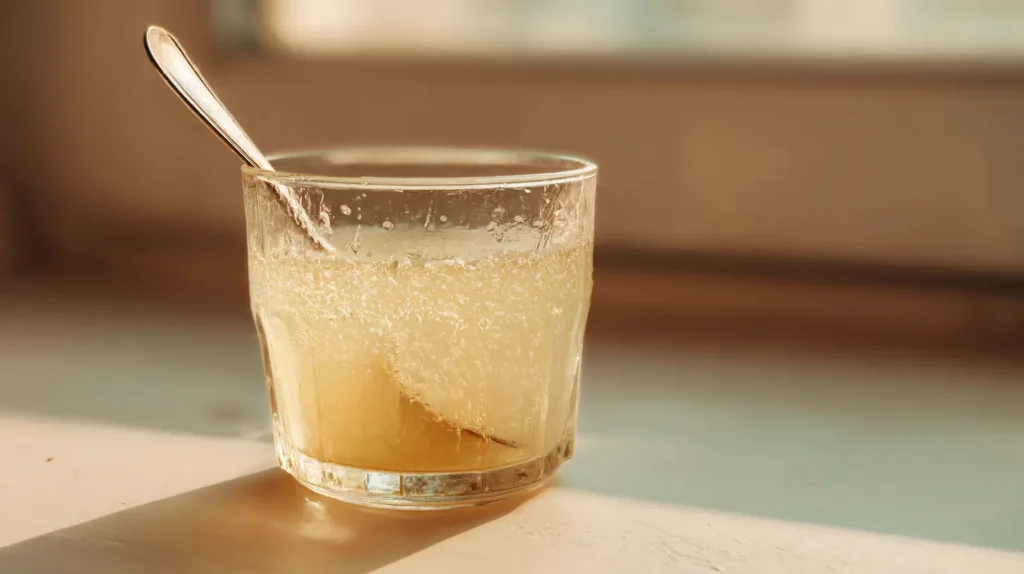
Once you’ve mastered the basics, the real value of an unflavored gelatin recipe comes from how many ways you can use it. Because it has no taste of its own, plain gelatin can fit into both sweet and savory routines without feeling repetitive.
Many people start with simple uses, then gradually experiment as they get comfortable with texture and ratios. This flexibility is why unflavored gelatin remains a staple in health-focused kitchens.
Unflavored Gelatin Drink Ideas
One of the most popular uses is turning gelatin into a drink. By increasing the liquid ratio, you can create a soft, spoonable or drinkable texture that’s easy to consume. These drinks are often used in routines focused on hydration, digestion, or appetite awareness.
Some people rely on simple gelatin drinks used for appetite control as part of structured eating plans. Because gelatin provides protein and creates a feeling of fullness, it can help reduce snacking when used mindfully.
Gelatin Recipe Without Sugar or Sweeteners
A major benefit of unflavored gelatin is that it works perfectly without sugar. You can prepare a gelatin recipe without sugar using only water, milk, or broth, depending on your goal. This makes it ideal for low-carb, diabetic-friendly, and bariatric-focused diets.
If sweetness is desired, it can be added gradually using natural options, but many people find that keeping the recipe plain helps avoid cravings and keeps portions consistent.
Unflavored Gelatin Uses in Daily Routines
Beyond drinks, unflavored gelatin can be used as a base for light desserts, added to savory dishes for structure, or prepared in small portions as a protein-focused snack. Because it sets quickly and stores well in the refrigerator, it’s easy to include in meal prep.
With a solid understanding of unflavored gelatin preparation, you can adjust firmness, flavor, and serving size to fit your lifestyle. This is what makes a plain gelatin recipe such a practical, everyday option rather than a one-time experiment.
Easy Variations and Flavor-Free Add-Ins
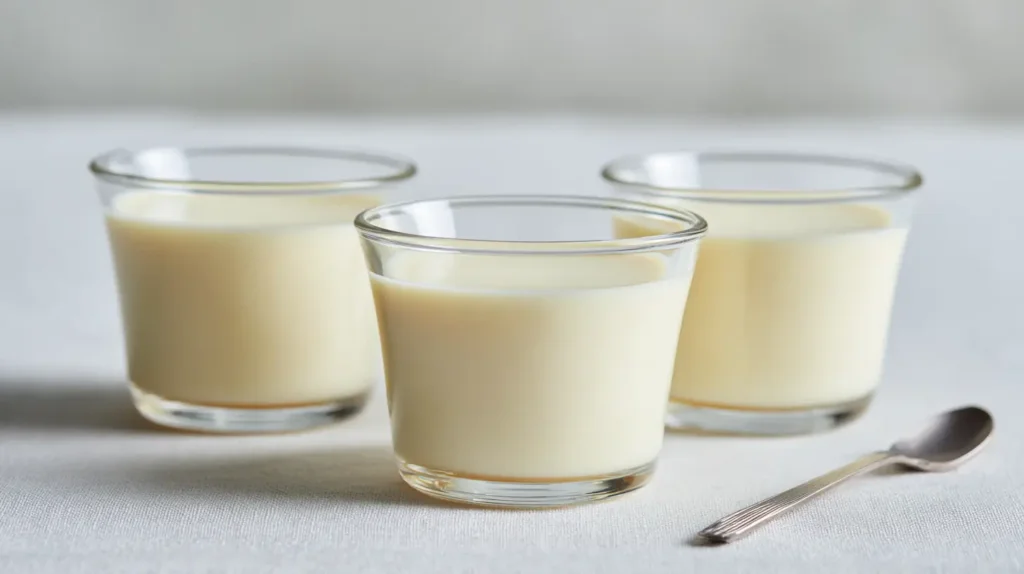
Once you’re comfortable with a basic gelatin recipe, it becomes easy to customize without overcomplicating things. Unflavored gelatin acts like a blank canvas, allowing you to create sweet, creamy, or savory options while still keeping control over ingredients and texture.
These variations are especially helpful if you want variety without relying on artificial flavors or added sugar.
Simple Gelatin Recipe With Milk
Replacing water with milk creates a smoother, creamier texture. A simple gelatin recipe with milk works well as a light dessert or snack, especially when you want something more filling than water-based gelatin.
Warm the milk gently and follow the same blooming and dissolving steps used in standard unflavored gelatin preparation. Avoid boiling the milk, as high heat can affect both flavor and texture.
Simple Gelatin Recipe With Milk and Condensed Milk
For a richer option, condensed milk can be added in small amounts. A simple gelatin recipe with milk and condensed milk is popular for dessert-style gelatin while still allowing portion control.
Because condensed milk is sweet, it’s best used sparingly. This approach works well when you want a treat but still prefer making gelatin from scratch rather than using flavored packets.
Unflavored Gelatin Recipes Savory
Unflavored gelatin isn’t just for desserts. It can be combined with broth, herbs, or vegetable juices to create savory gels. These unflavored gelatin recipes savory are often used in soft-food diets or as light appetizers.
Savory gelatin works particularly well for people who prefer salty flavors or want a gelatin recipe without sugar that still feels satisfying.
Gelatin Recipes for Collagen Support
Many people use gelatin specifically for its collagen content. Gelatin recipes for collagen often focus on simple preparation, consistent portions, and minimal ingredients.
Sticking with a plain or lightly customized unflavored gelatin recipe easy makes it easier to include gelatin regularly without turning it into a dessert habit.
Unflavored vs Flavored Gelatin: Which Is Better?
Choosing between unflavored and flavored gelatin depends on your goals. While both set the same way, their ingredients, nutritional value, and flexibility are very different. Understanding these differences helps you decide which option fits your routine best.
Nutritional Comparison: Sugar vs No Sugar
Flavored gelatin products usually contain added sugar, artificial sweeteners, colors, and preservatives. These extras can quickly turn a light snack into something closer to candy. In contrast, an unflavored gelatin recipe contains only gelatin and liquid, making it easier to manage calories and ingredients.
For people following low-carb, diabetic-friendly, or bariatric plans, avoiding added sugar is often a priority. That’s why many prefer unflavored gelatin as a base and customize it only when needed.
Weight-Loss and Appetite Control Differences
Unflavored gelatin supports mindful eating because it doesn’t trigger strong sweet cravings. Its neutral taste and firm texture can help you feel satisfied with smaller portions. This makes it a common choice in structured eating plans focused on appetite awareness.
On the other hand, flavored gelatin recipes designed for weight loss may still work for some people, especially if they’re carefully portioned. However, they offer less flexibility and often rely on sweeteners to be appealing.
When Flavored Gelatin May Still Work
Flavored gelatin can be useful for beginners who struggle with plain textures or for occasional treats. It may also help children or picky eaters ease into gelatin-based foods.
That said, if your goal is long-term consistency, ingredient control, and adaptability, unflavored gelatin remains the better option for most people learning how to make unflavored gelatin part of their routine.
Unflavored Gelatin Recipe Questions Answered
What Do You Make With Unflavored Gelatin?
You can make a wide variety of foods with unflavored gelatin. Common options include gelatin drinks, light desserts, fruit-based gels, creamy milk gelatin, and savory dishes made with broth. Because it has no taste of its own, unflavored gelatin works as a base for both sweet and savory recipes.
Many people also use it in soft-food diets or as a simple protein-focused snack.
What Do People Use Unflavored Gelatin For?
People use unflavored gelatin for appetite control, digestion-friendly meals, collagen support, and sugar-free desserts. It’s also popular in bariatric diets, medical recovery plans, and weight-conscious routines because it’s easy to portion and gentle on the stomach.
Its versatility makes it useful for daily meal prep as well as occasional recipes.
Is Unflavored Gelatin Healthy to Eat?
Yes, unflavored gelatin is generally healthy to eat when consumed in moderation. It’s low in calories, free of sugar, and contains protein derived from collagen. While it’s not a complete protein, it can be a helpful addition to a balanced diet.
Choosing high-quality gelatin and following proper unflavored gelatin preparation helps ensure the best texture and results.
What Is the Ratio of Unflavored Gelatin to Water?
The most common ratio is 1 tablespoon of unflavored gelatin powder to 2 cups of liquid. This creates a soft, stable gel suitable for most recipes.
If you prefer firmer gelatin, reduce the liquid slightly. For softer textures or drinks, increase the liquid amount.
Can Unflavored Gelatin Be Used for Bariatric Diets?
Yes, unflavored gelatin is widely used in bariatric diets, especially during soft-food stages. Its smooth texture, lack of sugar, and easy digestion make it suitable for post-surgery meal plans when prepared correctly.
Always follow professional dietary guidelines specific to your recovery stage.
Can You Make Gelatin Without Sugar?
Absolutely. A gelatin recipe without sugar is one of the main reasons people choose unflavored gelatin. You can prepare it using only water, milk, or broth. Sweeteners are optional and can be added in small amounts if needed, but many people prefer keeping it plain.
How to Make Unflavored Gelatin Part of Your Routine
Making an unflavored gelatin recipe part of your routine doesn’t require special skills or complicated ingredients. Once you understand the basic ratio, proper blooming, and gentle heating, gelatin becomes one of the easiest foods to prepare consistently. Its neutral flavor and soft texture make it a reliable option for everyday use.
Because it contains no sugar by default, unflavored gelatin fits easily into many eating styles, including bariatric-friendly plans, weight-conscious routines, and GLP-1–focused approaches. It can be enjoyed plain, turned into a drink, or customized with milk, broth, or light flavorings depending on your needs.
If you’re looking to expand beyond the basics, exploring GLP-1 friendly recipe ideas can help you build meals that support appetite awareness while keeping portions simple and manageable. With a little practice, unflavored gelatin becomes more than just a recipe—it becomes a flexible tool you can use again and again.