

The “Zepbound trick” is not a medication or a miracle cure. It’s a simple morning drink made with fiber, protein, lemon or apple cider vinegar, and a pinch of electrolytes. The goal is to help your stomach feel satisfied earlier, reduce cravings, and prevent the typical sugar-heavy breakfast crash. Instead of starving yourself or drinking coffee on an empty stomach, this recipe gives your body volume, hydration, and slow digestion right at the start of the day.
Think of it as a food-first approach for appetite control. Many people who enjoy natural routines like the pink salt hydration method or GLP-1 style eating find this drink easier to follow and more realistic than extreme diets.
Learn more about how food-based GLP-1 strategies work in this guide: GLP-1 recipes for weight loss → https://chefyuma.com/glp-1-recipes-for-weight-loss/
You don’t need supplements or exotic ingredients. With a few items you already have in your kitchen, you can prepare a morning drink that helps you feel calm around food—not restricted, not starving, simply in control.
What Is the Zepbound Trick?
Why people call it the “Zepbound trick”
Online communities started using the term “Zepbound trick” when they noticed that a simple morning drink routine could help reduce cravings in a way that felt similar to the appetite-control effect people talk about when taking Zepbound. The idea spread because it uses real food ingredients, not medication, and it’s easy to prepare at home in a few minutes. Instead of trying to burn fat or cleanse the body, this routine focuses on hydration, stomach volume, fiber, and gentle protein, which naturally help you feel satisfied sooner.
TikTok, Pinterest, and wellness blogs made the trend more popular because the results are simple and relatable: people reported eating smaller breakfasts, snacking less in the morning, and feeling calmer around food. That’s why it caught attention—not because it was dramatic, but because it was practical.
The difference between Zepbound and a homemade drink
Zepbound (tirzepatide) is a medical treatment that acts on GLP-1 and GIP receptors to change appetite signals and how the body metabolizes food. A homemade recipe cannot do that. It cannot replace medication, accelerate fat loss, or treat a medical condition.
What the Zepbound-style morning drink can do is:
- Support hydration before caffeine
- Slow digestion through fiber
- Provide mild satiety with protein
- Reduce impulsive eating at breakfast
It’s not a shortcut. It’s a strategy that makes your first meal more intentional and less driven by hunger spikes. This is also why recipes like pink salt hydration and bariatric gelatin work well for some people—they help you start your day with control instead of chaos.
If appetite management interests you, explore this related guide: Bariatric gelatin recipe → https://chefyuma.com/bariatric-gelatin-recipe/
Who benefits the most
This morning trick is designed for:
- People who wake up hungry and crave carbs
- Anyone who feels full only after eating too much
- Beginners in weight loss who want a gentle method
- Individuals who prefer “food routines” over strict dieting
- Home cooks who want wellness habits that fit real life
It also works well for busy mornings. When you don’t have time to cook, you can prepare this drink in one glass and delay breakfast without feeling deprived. It keeps your appetite steady, supports hydration, and allows you to decide what to eat—instead of rushing toward the fastest, heaviest option.
How the Zepbound Trick Works (Simple Science)
Fiber preload and gastric emptying
The core of the Zepbound trick is fiber preload. When you mix chia or psyllium with water, they absorb liquid and form a soft gel. This gel sits in the stomach and slows gastric emptying—the rate at which food leaves the stomach.
A slower exit means your brain receives satiety signals earlier. You feel “done” with food sooner, even if you don’t eat as much. That is why many people notice they stop snacking in the morning or naturally choose lighter meals.
Protein supports satiety hormones
Adding a small amount of protein (collagen or whey) increases the feeling of fullness without making the drink heavy. Protein stimulates natural gut–brain peptides that tell your body it has enough nutrition coming in. You’re not forcing appetite down—you’re giving your body permission to relax.
This is also why bariatric recipes often focus on gelatin, broths, or protein-rich liquids. These ingredients are gentle on digestion but still create enough satiety to prevent overeating.
Discover how this effect works in a simple recipe: Bariatric jello recipe for weight loss → https://chefyuma.com/bariatric-jello-recipe-for-weight-loss/
Electrolytes help control stress hunger
Morning hunger isn’t always “real hunger.” Sometimes it’s cortisol-driven dehydration. When you wake up, mineral levels can be low, especially sodium. A small pinch of pink salt or electrolytes helps your nervous system stabilize and prevents stress-based cravings.
People who try the Zepbound drink after sleeping notice something interesting: they don’t reach automatically for sugar, pastries, or oversized portions. The body isn’t panicking—it has hydration and minerals.
Acid (lemon or apple cider vinegar) improves digestion
A mild acidic ingredient helps many people manage morning appetite:
- Lemon juice improves palatability and hydration.
- Apple cider vinegar can reduce the post-meal glucose spike for some individuals.
These acidic triggers do not burn fat. They simply support digestion and make the stomach environment better prepared for food. When your body feels regulated, you don’t chase volume or sugar to feel satisfied.
Ingredients Breakdown and Why They Matter

Fiber: chia seeds vs psyllium husk
Both ingredients create the “preload” effect, but they behave differently:
- Chia seeds absorb water and swell, forming a natural gel with mild texture.
They’re rich in omega-3s and tend to be easier on digestion for beginners.
Chia works well if you want a smoother fullness and don’t want a thick drink. - Psyllium husk forms a denser gel that slows digestion more aggressively.
It’s the strongest option for appetite control but can cause bloating if overused.
Start with ½ teaspoon and increase only when your body adjusts.
If you want to learn how this fiber principle is used in lightweight morning snacks, check out this recipe: Pink gelatin for weight loss → https://chefyuma.com/pink-gelatin-for-weight-loss/
Protein: collagen vs whey
A small amount of protein adds satiety without turning the drink into a meal.
- Collagen peptides are flavor-neutral, mix easily, and support gut comfort.
They don’t increase insulin much and feel lighter in the morning. - Whey isolate is more anabolic, stronger on appetite control, and ideal if you work out.
Use unflavored or mild vanilla to avoid clashing with lemon or vinegar.
Do not add large protein scoops. The purpose is satiety signals, not bodybuilding.
Acid: lemon juice vs apple cider vinegar
Both options support digestion and reduce sugar cravings for many people.
- Lemon juice improves hydration and adds vitamin C.
It’s best if you want a fresher taste and no vinegar smell. - Apple cider vinegar may blunt the “sugar rush” some people feel after breakfast.
Choose raw ACV “with the mother.” Start with 1 teaspoon, never multiple tablespoons.
Both ingredients help the stomach “wake up,” but they don’t replace medical treatment or burn fat.
Electrolytes: pink salt or mineral blends
Morning hunger is often dehydration. Adding a pinch of pink salt or a mineral electrolyte blend helps control stress-driven cravings and supports hydration.
If electrolytes interest you, explore a deeper breakdown here: Pink salt trick for weight loss → https://chefyuma.com/pink-salt-trick-for-weight-loss/
Sweeteners: honey, monk fruit, or none
A touch of sweetness can improve taste without encouraging overeating.
- Honey gives natural flavor and mild energy.
- Monk fruit keeps the drink sugar-free with no spike.
- No sweetener works for people who prefer a clean, savory taste.
Choose based on lifestyle, not fear. A teaspoon of honey doesn’t ruin the effect, but dumping sugar does.
Zepbound Trick for Weight Loss Recipe (Step-by-Step)
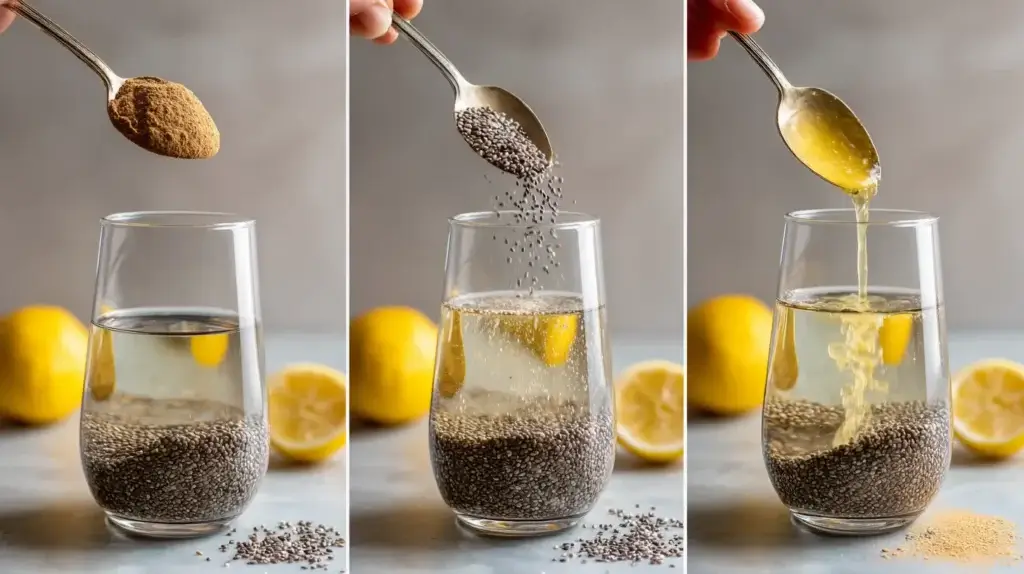
Ingredients (Standard Version)
- 300–350 ml water (cold or room temperature)
- ½ lemon (fresh juice) or 1 teaspoon apple cider vinegar
- 1 teaspoon chia seeds or ½ teaspoon psyllium husk
- 1 tablespoon collagen peptides or 10–15 g whey isolate
- A pinch of pink salt (about ⅛ teaspoon)
- Optional: 1 teaspoon honey or a few drops monk fruit
Keep the ingredient list simple. The goal is early satiety and hydration, not a thick smoothie.
How to Prepare It Correctly
- Start with fiber.
Add chia seeds or psyllium to water and stir gently. Let them sit for 30–60 seconds to hydrate. - Add electrolytes.
Sprinkle the pinch of pink salt. Stir slowly until dissolved.
For a deeper explanation of how minerals reduce cravings, read:
Pink salt trick for weight loss → https://chefyuma.com/pink-salt-trick-for-weight-loss/ - Add acidity.
Mix in lemon juice or apple cider vinegar. Avoid adding both at once. - Finish with protein.
Add collagen or whey at the end so the drink stays smooth. Stir gently.
Avoid shaking violently—it introduces air and thickens the drink too fast. - Rest 2–3 minutes.
Let the fiber absorb water. It should look slightly thicker, not chunky.
Drink it slowly, not like a shot.
How to Drink It for Best Results
Drink the Zepbound trick 15–30 minutes before your first meal. That window is enough for the fiber gel to settle in the stomach and send early satiety signals.
If you normally start the day with coffee, swap the order:
- Zepbound drink first
- Coffee second
Many people notice they don’t crave sugary breakfasts or large portions afterward.
If you prefer a warm stimulation-based morning routine, you may also try:
Lemon ginger coffee for weight loss → https://chefyuma.com/lemon-ginger-coffee-for-weight-loss/
7-Day Routine (Gentle Start)
- Day 1–3: 1 teaspoon chia + lemon + pinch salt
- Day 4–6: Add 1 tablespoon collagen or 10 g whey
- Day 7: Adjust fiber (chia or psyllium) based on comfort
Do not increase fiber too aggressively. Psyllium especially can cause bloating if you rush.
Safety Notes
- If you have GERD or sensitive reflux, start with lemon, not vinegar.
- If you feel heavy or constipated, reduce psyllium and increase water.
- Avoid using this drink to replace meals.
- People recovering from bariatric surgery should consult a doctor before trying psyllium.
This recipe is not a medical treatment and does not act like the Zepbound medication. It helps with appetite through hydration, fiber, and mild protein, not through hormones or pharmaceuticals.
Print
Zepbound Trick for Weight Loss Recipe: A Simple Morning Drink That Helps Control Cravings
- Total Time: 3–5 minutes
- Yield: 1 1x
Description
This Zepbound-inspired morning drink is designed to curb cravings, hydrate, and gently prep your digestion before breakfast. Packed with protein, fiber, minerals, and a hint of acid, it’s the perfect start for anyone on a wellness or weight-loss journey — especially if you’re using GLP-1s or craving control strategies.
Ingredients
- 300–350 ml water
- ½ lemon or 1 tsp apple cider vinegar
- 1 tsp chia seeds or ½ tsp psyllium
- 1 tbsp collagen peptides or 10–15 g whey isolate
- Pinch of pink salt
- Optional: 1 tsp honey or monk fruit
Instructions
- Add chia or psyllium to the water and stir gently.
- Add the pinch of pink salt and dissolve.
- Add lemon juice or apple cider vinegar.
- Stir in collagen or whey until smooth.
- Let rest 2–3 minutes to thicken slightly.
- Sip slowly, ideally before your first meal.
Notes
Drink 15–30 minutes before breakfast. Start small and increase fiber gradually to avoid bloating. If the texture becomes too thick, add more water or switch from psyllium to chia for a smoother drink.
- Prep Time: 3 minutes
- Cook Time: 0 minutes
- Category: Beverage
- Method: No Cook
- Cuisine: Wellness / Morning
Nutrition
- Serving Size: 1 drink
- Calories: 25–70
- Sugar: 0g
- Sodium: 100mg
- Fat: 0g
- Saturated Fat: 0g
- Unsaturated Fat: 0g
- Trans Fat: 0g
- Carbohydrates: 1–3g
- Fiber: 1g
- Protein: 8–12g
- Cholesterol: 0mg
Keywords: zepbound recipe, weight loss drink, morning fiber tonic, glp-1 support, protein water, chia beverage
Brazilian Zepbound Recipe Variation

Why the Brazilian version became popular
The Brazilian variation gained attention because it is lighter, smoother, and naturally hydrating. Instead of using plain water, it uses coconut water, which contains minerals and natural sugars that help the body wake up gently.
It feels less like a “diet drink” and more like a refreshing wellness beverage. This makes it easier to adopt daily, especially for people who dislike the thickness of psyllium or the taste of apple cider vinegar.
Ingredients (Brazilian Version)
- 250 ml coconut water
- ½ lemon (fresh juice)
- ½ teaspoon psyllium husk or 1 teaspoon chia seeds
- A pinch of pink salt
- Optional: small mint leaf or 1 teaspoon honey
This version naturally creates a lighter fullness because coconut water contains potassium and glucose. It supports hydration and muscle activity, especially if you are active or start your morning with movement.
If you enjoy hydration-focused morning routines, you may also like:
Costa Rican tea for weight loss → https://chefyuma.com/costa-rican-tea-for-weight-loss/
When to use this version
Use the Brazilian Zepbound variation if:
- You live in warm climates
- You prefer a drink that tastes more refreshing
- You exercise in the morning
- You feel dehydrated when you wake up
- Plain water versions feel too heavy or bland
Coconut water can help prevent the fatigue or mild nausea some people experience when starting psyllium. It also works well if you don’t want the “gel texture” that chia creates.
Taste and texture adjustments
If the drink feels too thick:
- Add 50–100 ml extra coconut water
- Reduce psyllium to ¼ teaspoon
- Switch to chia seeds
If the drink feels too sweet:
- Use plain water instead of coconut water
- Keep lemon strong and skip the honey
The goal is a beverage you can drink calmly every morning, not force yourself to swallow.
Sustainability is more important than strict measurements.
Add-Ins and Hacks That Actually Help
Ginger or turmeric
Both ingredients are popular not because they burn fat, but because they make the drink more comfortable to digest.
A slice of fresh ginger or a pinch of turmeric can reduce morning nausea, improve the taste of psyllium, and support a calmer stomach.
Ginger also pairs naturally with lemon, which is why many people find it easier to drink.
Cinnamon
Cinnamon helps control cravings in a very simple way: it slows down the rate at which sugar enters your bloodstream.
Adding ¼ teaspoon of cinnamon won’t turn the drink into a dessert, but it can make it taste smoother and help you avoid morning pastries or sweet cereals.
Matcha or green tea powder
This option works when you want mental clarity without a heavy caffeine crash.
Matcha adds mild antioxidants and a clean energy boost without interfering with electrolytes or protein.
Add only a small amount (¼ teaspoon). Too much turns the drink bitter and can upset the stomach.
If you enjoy beverage-based wellness routines, you’ll find similar benefits in a soft morning option like:
Costa Rican tea for weight loss → https://chefyuma.com/costa-rican-tea-for-weight-loss/
Protein powder choices
You don’t need a full scoop.
A small serving (10–15 g of whey isolate or one tablespoon of collagen) is enough to trigger satiety signals.
Neutral or light vanilla flavors pair best with citrus. Chocolate or thick flavors will make the drink feel like a shake, which is not the goal.
For more protein-based strategies designed to support appetite, check this guide:
Tirzepatide meal plan for weight loss → https://chefyuma.com/tirzepatide-meal-plan-for-weight-loss/
When not to add too much
The most common mistake is trying to “improve results” by increasing fiber or protein.
This backfires:
- Too much psyllium → bloating, heaviness, constipation
- Too much protein → thick texture, nausea
- Too much sweetener → sugar cravings return
The Zepbound trick works because it is gentle, light, and repeatable.
You should feel calm when drinking it—not overwhelmed.
Common Mistakes That Kill Results
Drinking it too fast
The Zepbound trick is meant to create a gentle fullness. When you swallow it like a shot, the fiber does not have time to expand and signal satiety. Sip slowly over 3–5 minutes. This gives the chia or psyllium time to hydrate and settle in the stomach. Many people who say “it didn’t work” simply rushed the drink.
Adding too much fiber
Starting with large amounts of psyllium is the fastest way to cause discomfort.
Too much fiber leads to:
- bloating
- heaviness
- constipation
- gas
- cramping
Your body needs time to adapt. Begin with ½ teaspoon of psyllium or 1 teaspoon of chia. Increase only if your digestion feels stable.
Using it to replace meals
The Zepbound trick is a pre-breakfast tool, not a diet replacement.
Skipping meals or using it as a “one-drink weight loss hack” creates the same rebound as restrictive diets: intense cravings, overeating later, and a stressed appetite cycle.
The goal is to start your day controlled and hydrated—not punished or starved.
Ignoring hydration
Fiber only works when there is enough water.
If you drink the mixture and spend your morning dehydrated, the psyllium or chia will expand in the stomach and create the opposite effect—sluggish digestion and discomfort.
After the drink, sip water or a light hydration option during the morning. If you prefer a mineral-forward approach, this guide can help:
Pink salt trick for weight loss → https://chefyuma.com/pink-salt-trick-for-weight-loss/
Overloading with sweeteners or flavorings
When the drink tastes like dessert, your brain expects dessert-level energy. Over-sweetening makes you crave pastries, fruit juice, or heavy breakfasts.
A little honey or monk fruit is fine—just enough to make it easier to drink. Anything more blunts the appetite-control effect and turns the recipe into a calorie bomb.
How to Pair the Zepbound Trick with Real Food
What to eat after drinking it
The Zepbound trick is designed to calm appetite so you don’t start the day overeating.
Your first meal should be light, protein-forward, and easy on digestion. Examples:
- Eggs + avocado
- Greek yogurt with berries
- Protein oatmeal
- Smoked salmon on toast
- Cottage cheese and fruit
The goal is not to starve yourself. It’s to begin the day without panic hunger or sugar crashes.
If you prefer small satisfying snacks before a full meal, this recipe fits perfectly:
Quick easy rice cakes recipes → https://chefyuma.com/quick-easy-rice-cakes-recipes/
Snacks that reinforce appetite control
Not all snacks are equal. Some stimulate cravings, while others help you avoid bingeing.
Smart choices:
- yogurt with a teaspoon of peanut butter
- cucumber slices with salt and lemon
- protein shake (light)
- a handful of nuts
- hard-boiled egg
Avoid:
- fruit juice on an empty stomach
- pastries
- cereal
- heavy smoothies full of sugar
These options spike glucose quickly and destroy the calm, controlled feeling the trick gives you.
Hydration rituals that support results
The Zepbound recipe works best when hydration stays stable.
What to do after drinking it:
- keep a bottle of mineral water nearby
- sip slowly over 1–2 hours
- avoid dehydrating yourself with coffee first
If you want a flavorful hydration option, explore this morning routine:
Costa Rican tea for weight loss → https://chefyuma.com/costa-rican-tea-for-weight-loss/
Lifestyle habits that increase success
This trick is a beginning, not a miracle.
If you want lasting benefits, pair it with:
- sleep (7–9 hours)
- movement (walk, lift, low-impact cardio)
- protein-first meals
- fiber from real food
- stress reduction
People who treat the drink as an anchor—not a magic pill—see the best results.
You don’t have to change everything overnight. Just replace chaotic mornings with a routine that gives your body space and calm.
Realistic Results and Long-Term Strategy
What you can expect in the first 2–4 weeks
The Zepbound trick changes how you start the day, not how fast you lose weight.
Most people notice the following before seeing changes on the scale:
- Week 1: Less morning anxiety around food, easier breakfasts.
- Week 2: Smaller portions feel satisfying, fewer cravings for sugar or bread.
- Week 3–4: More consistent energy, fewer “afternoon crash” snacks, more stable appetite rhythm.
Some people don’t lose weight immediately, but they stop overeating, and that alone is progress.
Weight loss follows consistency—not force.
If you want to pair this strategy with meal structure designed for appetite control, review this resource:
Tirzepatide meal plan for weight loss → https://chefyuma.com/tirzepatide-meal-plan-for-weight-loss/
Appetite changes vs actual fat loss
Feeling full sooner is not the same thing as burning fat.
The drink helps you:
- Slow digestion
- Stabilize hydration
- Reduce impulsive morning eating
These behaviors often result in smaller caloric intake over time.
Fat loss is a long-term outcome of healthier habits, not something the drink forces.
When this method doesn’t work
This morning drink is behavioral, not pharmacological.
It may not help if:
- Your evening routine includes binge eating
- You skip meals later in the day
- You rely on sugar-heavy late breakfasts
- You are constantly sleep-deprived
- You compensate with fast food at night
In those cases, the appetite issue is not the morning—it’s stress, sleep, or late-night eating.
How to adjust if you don’t feel results
Instead of adding more ingredients, adjust gently:
- Reduce psyllium to avoid heaviness
- Add protein if you feel hungry too quickly
- Increase water if digestion feels slow
- Switch lemon ↔ ACV to test tolerance
- Try chia instead of psyllium if texture bothers you
You’re not trying to “hack” biology.
You’re helping your body start calmly so the rest of the day becomes easier.
When to stop or take breaks
If you experience:
- persistent bloating
- reflux discomfort
- dizziness
- irregular bowel movements
Stop for a week, hydrate normally, and reintroduce slowly.
No routine is worth forcing.
Your body will tell you when something isn’t aligned.
FAQ — Questions Readers Often Ask
What is the 7-second morning trick for weight loss?
The term “7-second morning trick” is internet language for a quick hydration + fiber + mineral routine you do before breakfast. You mix water with a small amount of chia or psyllium, add lemon or apple cider vinegar, a pinch of salt, and sip it slowly. The effect isn’t magic—the fiber expands, slows digestion, and helps you feel satisfied sooner. You start the day calm instead of desperate for carbs. This is the same principle behind the Zepbound-style drink in this article.
What is the quickest way to lose weight on Zepbound?
If you are taking the Zepbound medication, the fastest progress usually comes from consistent meal structure, not aggressive dieting. A protein-first breakfast, steady hydration, and fiber support reduce overeating and help stabilize portions naturally. This Zepbound-style drink does not replace the medication, but it pairs well with appetite-focused habits because it prepares the stomach, reduces morning spikes, and lowers impulse eating. The body responds better to routine than chaos.
If you want more structured meal ideas designed for appetite control, explore:
Tirzepatide meal plan for weight loss → https://chefyuma.com/tirzepatide-meal-plan-for-weight-loss/
What drink works like Zepbound?
No drink works like the medication. Zepbound changes appetite at the hormonal level (GLP-1/GIP). A morning drink can only influence behavioral satiety—hydration volume, stomach fullness, and digestion speed. Fiber + minerals + light protein = you feel satisfied sooner, which often leads to better eating choices later. Think “support,” not “replacement.”
For people exploring food-based alternatives, this hydration routine is similar in goal:
Pink salt trick for weight loss → https://chefyuma.com/pink-salt-trick-for-weight-loss/
How to make Zepbound the most effective?
Use it as a routine, not a miracle. One drink won’t change your body—but 10, 20, or 30 mornings of controlled appetite will.
Follow these simple rules:
• Drink it slowly, 15–30 minutes before breakfast
• Keep fiber moderate
• Include protein (collagen or whey)
• Hydrate all morning, not just once
• Pair with protein-first meals and simple snacks
• Avoid sugary breakfasts or “reward treats” afterward
Over time, your body stops chasing fast fuel and learns to be satisfied with normal portions. That is how sustainable weight loss begins.
Conclusion — A Calm, Realistic Way to Start Your Day
The Zepbound trick isn’t a miracle drink. It doesn’t burn fat or replace medication. What it does is much simpler and far more sustainable: it gives your body a gentle head start. Fiber slows how quickly food leaves the stomach, protein sends early satiety signals, and electrolytes help calm stress-driven cravings. You enter breakfast with control instead of hunger panic.
Over time, this morning routine does something powerful that diets usually fail to do:
it changes your relationship with food, not just the number on the scale. You don’t wake up desperate for sugar, you don’t attack the first meal, and you don’t feel guilty for wanting something light. You build habits that support you instead of draining your willpower.
If you enjoy routines that make you feel grounded and hydrated, you may also like a softer option for mornings:
Costa Rican tea for weight loss → https://chefyuma.com/costa-rican-tea-for-weight-loss/
You don’t need perfection.
Start with a simple glass, sip slowly, and give your body time to respond.
Sustainable weight loss begins with small decisions repeated often—not with punishments or promises.