
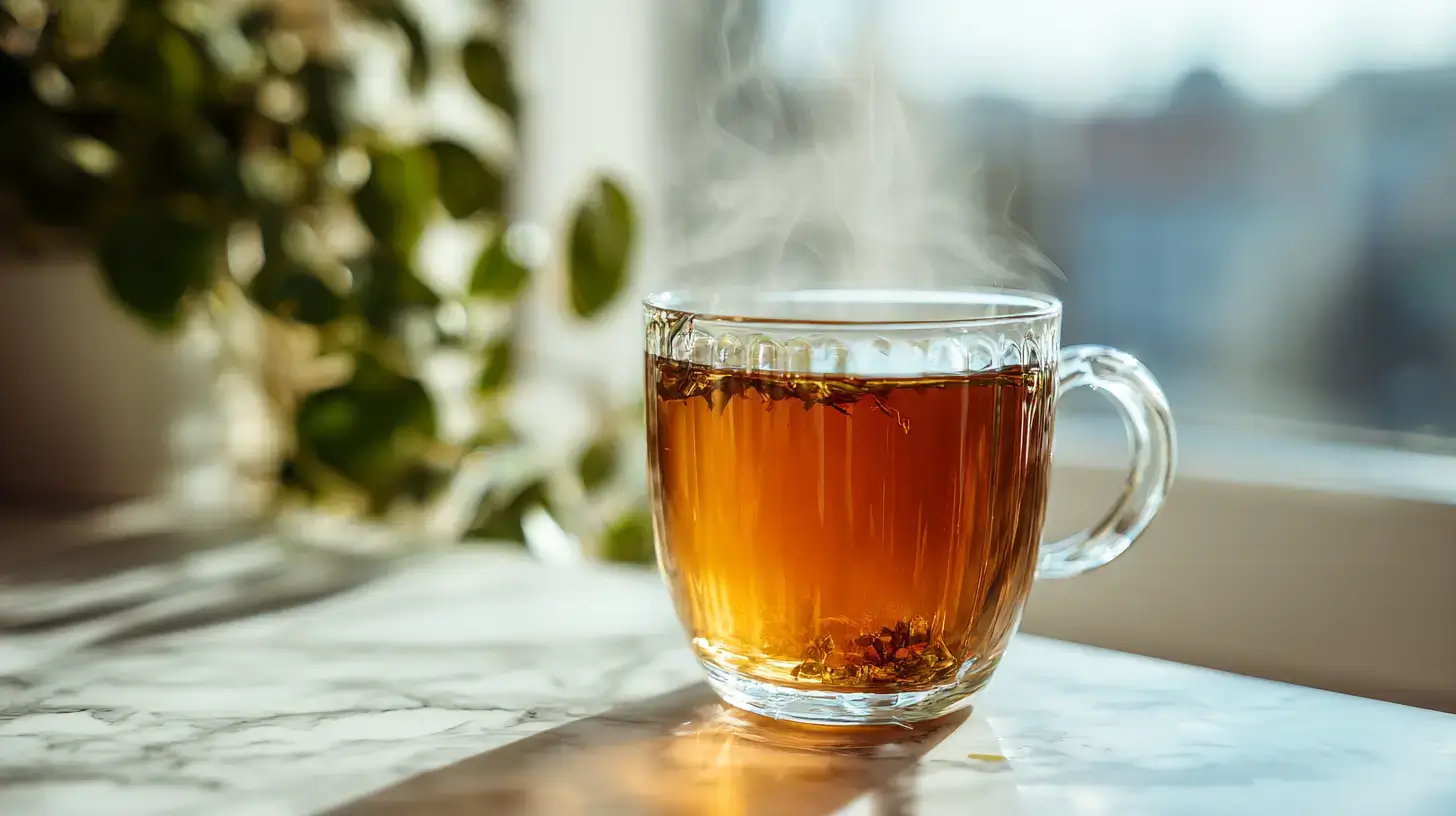
Finding the best time to drink herbal tea isn’t just about personal preference—it’s about how your body responds at different moments of the day. Some herbal teas can gently wake you up and support digestion, while others are better suited for winding down, easing bloating, or supporting weight loss. Timing matters, and when you drink herbal tea can influence everything from energy levels to sleep quality. These habits often fit into broader wellness drink routines followed throughout the day.
In this guide, you’ll learn when to drink herbal tea, whether morning or night is better, how herbal tea timing works around meals, and how to build a simple herbal tea routine that fits your lifestyle. We’ll also explore common mistakes, weight-loss timing, and answer the most frequently asked questions people have about drinking herbal tea. By the end, you’ll know exactly how to choose the best time for herbal teas based on your goals and daily habits.
Different herbal teas have different effects, and understanding their timing starts with knowing the core hibiscus tea benefits and how they fit into daily routines.
Understanding Herbal Tea and Why Timing Matters
Herbal tea has been part of daily wellness routines for centuries, yet many people still overlook one key factor: timing. If you want to get the most out of your cup, understanding when to drink it is just as important as choosing the right blend. The best time to drink herbal tea depends on how your body processes herbs at different times of the day and what health goal you’re trying to support.
What Counts as Herbal Tea vs Traditional Tea
Herbal tea isn’t technically “tea” at all. Unlike green, black, or oolong tea, herbal teas are made from dried herbs, flowers, roots, seeds, or fruits. This means most herbal teas are naturally caffeine-free, which is why they’re often recommended in the evening or before bed.
Traditional teas stimulate the nervous system, while herbal teas work more gently. That difference is exactly why herbal tea timing matters. Drinking chamomile late at night can promote relaxation, but drinking a strong ginger or hibiscus tea right before bed might leave you feeling alert or uncomfortable.
How Herbal Tea Timing Affects Digestion, Energy, and Sleep
Your body follows a natural rhythm throughout the day. In the morning, digestion and metabolism are more active. Midday is ideal for supporting gut health, while evenings are better suited for calming and recovery. Drinking herbal tea in sync with these rhythms can amplify its benefits.
For example, many people notice better results when they drink herbal tea for digestion after meals rather than before. Likewise, those focused on weight management often see better outcomes when they time herbal tea around physical activity or earlier in the day. Simply put, when to drink herbal tea can influence how effective it feels.
Why the Best Time to Drink Herbal Tea Depends on the Blend
Not all herbal teas work the same way. Some blends are energizing, others soothing, and a few can do both depending on the dose and timing. That’s why there’s no single answer to the question of the best time for herbal teas.
Mint, ginger, and hibiscus teas often work best earlier in the day or around meals. Chamomile, valerian, and lavender are better saved for nighttime. Once you understand this, it becomes much easier to create a flexible herbal tea routine that supports your body instead of working against it.
Best Time to Drink Herbal Tea in the Morning

Drinking herbal tea in the morning can set the tone for your entire day. For many people, the best time to drink herbal tea is shortly after waking up, when the body is rehydrating and digestion is slowly ramping up. Morning herbal tea can feel lighter than coffee, yet still offer gentle stimulation, digestive support, and mental clarity.
Benefits of Drinking Herbal Tea in the Morning
Morning is when your metabolism naturally becomes more active. Choosing the right herbal tea at this time may help kick-start digestion, reduce bloating, and support energy without the jitters associated with caffeine.
Many people who wonder when to drink herbal tea find that morning cups help:
- Rehydrate the body after sleep
- Support gut movement and digestion
- Reduce morning bloating
- Promote a calm, focused start to the day
This is why morning herbal tea is often recommended as part of a consistent herbal tea routine, especially for those looking to reduce coffee intake.
Best Herbal Teas to Drink First Thing in the Day
Not all herbal teas are ideal in the morning. Some are too relaxing, while others may be too strong on an empty stomach. The best morning herbal teas are those that gently stimulate digestion and circulation.
Popular options include:
- Ginger tea for digestive warmth
- Peppermint tea for freshness and alertness
- Hibiscus tea for light energy and metabolism support
- Lemon-based herbal blends for hydration
These blends are commonly chosen by people searching for the best time to drink tea in the morning without overstimulating the body.
Drinking Herbal Tea on an Empty Stomach: Pros and Cons
A common question is whether herbal tea should be consumed before eating. For many people, drinking herbal tea on an empty stomach is perfectly safe and even beneficial. Light herbal teas can support digestion and help wake up the digestive system.
However, stronger or more acidic blends may cause discomfort if consumed too early. If you experience nausea or stomach sensitivity, it may be better to drink herbal tea after a light breakfast instead. Understanding your body’s response is key to finding the best time to drink herbal tea morning or night.
Morning vs Evening Herbal Tea: What’s the Difference?
Choosing between morning or evening herbal tea isn’t just about taste—it’s about how your body reacts at different times of the day. Understanding this difference makes it easier to identify the best time to drink herbal tea based on energy levels, digestion, and sleep quality.
How the Body Responds to Herbal Tea at Different Times
Your body operates on a natural internal clock. In the morning, digestion and circulation are more active, making it an ideal time for herbal teas that support metabolism and alertness. In the evening, your nervous system slows down, preparing for rest and recovery.
This is why the same herbal tea can feel energizing in the morning but disruptive at night. People often searching when to drink herbal tea are actually trying to match tea effects with these natural rhythms.
Energizing vs Calming Herbal Teas Explained
Some herbal teas are best suited for earlier in the day. Ginger, peppermint, and hibiscus blends may help improve focus, reduce sluggishness, and support digestion. These are often chosen by people asking about the best time to drink tea morning or night.
On the other hand, calming teas like chamomile, lavender, and lemon balm are better in the evening. They promote relaxation and may improve sleep quality when consumed at the right time. Drinking these too early in the day can leave you feeling drowsy or unfocused.
Different herbal teas have different effects, and understanding their timing starts with knowing the core hibiscus tea benefits and how they fit into daily routines.
Choosing the Right Time Based on Lifestyle and Goals
The best time for herbal teas depends on what you want from them. If your goal is energy and digestion, morning or midday is usually best. If relaxation and sleep are the priority, evening tea makes more sense.
People focused on weight management, stress relief, or gut health often find that splitting herbal tea intake throughout the day creates the most balanced herbal tea routine. Instead of asking whether morning or night is better, the real answer lies in matching the tea to the moment.
Best Time to Drink Herbal Tea at Night

For many people, evening is the best time to drink herbal tea for relaxation. After a long day, herbal tea can help signal to your body that it’s time to slow down. However, not all herbal teas are suitable at night, and timing them correctly makes a big difference in how well you sleep.
Herbal Teas That Support Relaxation and Sleep
Nighttime herbal teas are usually chosen for their calming properties. These teas work best when consumed as part of a wind-down routine, about 30 to 60 minutes before bed.
Common nighttime-friendly herbal teas include:
- Chamomile for relaxation and sleep support
- Lavender for stress relief
- Lemon balm for calming the nervous system
- Valerian root (in small amounts) for deeper rest
These options are popular among people searching for the best time to drink tea at night without feeling overstimulated.
Best Time to Drink Tea at Night Without Disrupting Sleep
The ideal window for evening herbal tea is after dinner but not immediately before lying down. Drinking too late may lead to nighttime bathroom trips, which can interrupt sleep. For most people, the sweet spot is about one hour before bedtime.
If you’re sensitive to herbs, start with a lighter brew and observe how your body reacts. Finding the right balance helps confirm whether night is truly the best time to drink herbal tea morning or night for your individual needs.
When Not to Drink Herbal Tea Before Bed
Even though herbal teas are caffeine-free, some blends are too stimulating for nighttime use. Teas containing ginger, peppermint, or hibiscus may increase alertness or digestion, making it harder to fall asleep.
Additionally, drinking large amounts of tea right before bed can cause bloating or discomfort. If sleep is your goal, avoid strong or unfamiliar blends late at night. Understanding these limits is essential when deciding when not to drink herbal tea.
Best Time to Drink Herbal Tea Before or After Meals
One of the most common questions people ask when figuring out the best time to drink herbal tea is whether it should be consumed before or after meals. The answer depends on your digestion, sensitivity, and health goals. Timing herbal tea around meals can either support digestion or, if done incorrectly, interfere with it.
Drinking Herbal Tea Before Meals for Appetite Control
Drinking herbal tea before meals can be helpful for people trying to manage appetite or portion sizes. Certain herbal teas may promote a feeling of fullness, which can naturally reduce overeating.
Light teas such as ginger or peppermint are often chosen 15–30 minutes before meals. This timing can gently prepare the digestive system without overwhelming it. For those focused on weight management, this approach is often considered when looking for the best time to drink tea for weight loss.
However, stronger or bitter herbal teas may irritate the stomach if consumed too close to mealtime, especially on an empty stomach. If you notice discomfort, shifting your tea to after meals may be a better option.
Best Time to Drink Tea After Meals for Digestion
For digestion, many people find that the best time to drink tea after a meal is about 20–40 minutes after eating. This allows your body to begin digesting food naturally before adding herbal support.
Herbal teas consumed after meals may help:
- Reduce bloating
- Ease gas and discomfort
- Support smoother digestion
Peppermint, fennel, and chamomile teas are commonly used after meals, making them a popular choice for those researching the best time to drink tea after meal for gut health.
Herbal Tea Timing for Bloating and Gut Health
If bloating or digestive discomfort is a concern, timing matters more than quantity. Drinking herbal tea immediately after eating large meals may dilute digestive juices, while waiting a short period allows the tea to work more effectively.
For gut health, consistency is key. Whether you choose before or after meals, sticking to a predictable herbal tea routine helps your body respond better over time. Understanding this balance makes it easier to decide the best time to drink herbal tea before or after meal based on your individual needs.
Best Time to Drink Herbal Tea for Weight Loss
When weight management is the goal, timing herbal tea correctly can make a noticeable difference. While herbal tea alone isn’t a magic solution, drinking it at the right time may support metabolism, digestion, and appetite control. For many people, understanding the best time to drink herbal tea for weight loss helps turn a simple habit into a supportive daily ritual. Temperature also plays a role, and some people wonder whether herbal tea is better hot or cold.
How Herbal Tea Supports Metabolism and Fat Burning
Certain herbal teas are known for supporting digestion and metabolic activity. When consumed at the right time, they may help the body process food more efficiently and reduce water retention or bloating.
Herbal teas often support weight loss by:
- Encouraging better digestion
- Helping control cravings
- Reducing bloating and water weight
- Supporting gentle detox processes
This is why people frequently search for the best time to drink tea for weight loss rather than just which tea to drink.
Best Time to Drink Herbal Tea for Weight Loss Results
For most people, the most effective times are earlier in the day. Drinking herbal tea in the morning or between meals allows your body to fully absorb its benefits without interfering with sleep or digestion.
Many find success by:
- Drinking herbal tea in the morning to support metabolism
- Having a cup between meals to curb cravings
- Avoiding strong herbal teas late at night
This approach often answers the question of whether the best time to drink herbal tea morning or night depends on weight-loss goals.
Best Time to Drink Green Tea for a Flat Tummy (Comparison Note)
Although green tea isn’t a true herbal tea, it’s often compared due to its weight-loss reputation. Green tea contains caffeine, which makes it better suited for morning or early afternoon consumption.
People looking for a flatter tummy often drink green tea earlier in the day and switch to caffeine-free herbal teas later on. Understanding this difference helps prevent sleep disruption while still supporting digestion and metabolism.
Building a Daily Herbal Tea Routine

Once you understand the best time to drink herbal tea, the next step is consistency. A well-planned routine helps your body recognize patterns and respond more effectively to herbal support. Instead of drinking herbal tea randomly, creating a simple daily structure can improve digestion, energy, and overall wellness.
Creating a Balanced Herbal Tea Routine Morning to Night
A balanced routine doesn’t mean drinking herbal tea all day long. It means choosing the right tea at the right moment. Many people find success with a gentle progression throughout the day.
A simple daily approach might look like:
- Morning: a light, energizing herbal tea to support digestion
- Midday or after meals: a digestive-focused herbal tea
- Evening: a calming herbal tea to promote relaxation
This structure helps answer the common question of when to drink herbal tea without overcomplicating things.
How Often You Should Drink Herbal Tea Each Day
Most people can safely enjoy 2 to 3 cups of herbal tea per day. Drinking more doesn’t always mean better results. Overconsumption may lead to reduced effectiveness or mild side effects, depending on the herbs used.
Spacing out your cups allows your body to absorb the benefits more naturally. This makes it easier to identify the best time for herbal teas that work for your specific needs.
Matching Herbal Tea Timing With Wellness Goals
Your routine should reflect what you want to achieve. If your focus is digestion, timing herbal tea around meals may be ideal. If relaxation is the goal, evening tea becomes more important. Weight management may benefit from earlier consumption.
Herbal teas work best when they are part of simple daily wellness drink routines rather than occasional habits. Once timing becomes intentional, choosing the best time to drink herbal tea feels less confusing and more intuitive.PART 8: Common Mistakes When Drinking Herbal Tea
Even though herbal tea is considered gentle and natural, timing mistakes can reduce its benefits. Many people don’t realize that small habits—like drinking the wrong tea at the wrong time—can affect digestion, energy, and sleep. Avoiding these common errors helps you better identify the best time to drink herbal tea for your body.
Drinking Herbal Tea at the Wrong Time of Day
One of the biggest mistakes is ignoring how herbal teas interact with your daily rhythm. Drinking stimulating herbal teas late in the evening may interfere with sleep, while calming teas in the morning can leave you feeling sluggish.
For example, ginger or hibiscus tea may be great earlier in the day but disruptive at night. On the other hand, chamomile may not be ideal if consumed during work hours. Understanding when to drink herbal tea helps prevent these mismatches.
Overconsumption and Potential Side Effects
Another common issue is drinking too much herbal tea too frequently. While herbal teas are generally safe, consuming them in excess may lead to digestive discomfort, headaches, or reduced effectiveness.
Spacing your intake throughout the day supports balance. Instead of focusing on quantity, prioritize timing and consistency to find the best time for herbal teas that work for you.
Ignoring Individual Sensitivities and Ingredients
Not all bodies respond the same way to herbs. Some people are sensitive to certain ingredients, even in small amounts. Drinking unfamiliar herbal teas late in the day can increase the risk of discomfort or sleep disruption.
Pay attention to how your body reacts, especially when testing new blends. Personal awareness is key to discovering the best time to drink herbal tea morning or night without unwanted effects.
FAQs About the Best Time to Drink Herbal Tea
This section answers the most common questions people ask when trying to figure out the best time to drink herbal tea. These responses are designed to be clear, practical, and easy to follow.
Is It Better to Drink Herbal Tea in the Morning or at Night?
There’s no single answer that fits everyone. Morning herbal tea works best for digestion and gentle energy, while evening herbal tea supports relaxation and sleep. The best time to drink herbal tea morning or night depends on the type of tea and your personal goals.
Should You Drink Herbal Tea on an Empty Stomach?
Many herbal teas can be safely consumed on an empty stomach, especially lighter blends like peppermint or ginger. However, stronger or acidic teas may cause discomfort for some people. If sensitivity occurs, drinking herbal tea after a light meal is often better.
When Not to Drink Herbal Tea?
You should avoid drinking stimulating herbal teas late at night or consuming large amounts right before bed. Additionally, avoid unfamiliar herbal blends when your stomach is sensitive. Knowing when not to drink herbal tea helps prevent sleep or digestive issues.
What Herbal Tea Is Best to Drink in the Morning?
The best morning herbal teas are those that gently support digestion and alertness. Ginger, peppermint, lemon blends, and hibiscus teas are popular choices for starting the day without caffeine. These options align well with the best time to drink tea in the morning for most people.
Conclusion: Finding the Best Time to Drink Herbal Tea for Your Body
The best time to drink herbal tea depends on timing, purpose, and personal response. Morning teas can support digestion and metabolism, while evening teas promote relaxation and better sleep. Drinking herbal tea before or after meals may improve gut health, and early-day consumption often works best for weight management.
Instead of following strict rules, listen to your body and build a routine that fits your lifestyle. Herbal tea becomes most effective when consumed consistently and intentionally.
Herbal teas work best when they are part of simple daily wellness drink routines rather than occasional habits.