
Updated February 2026
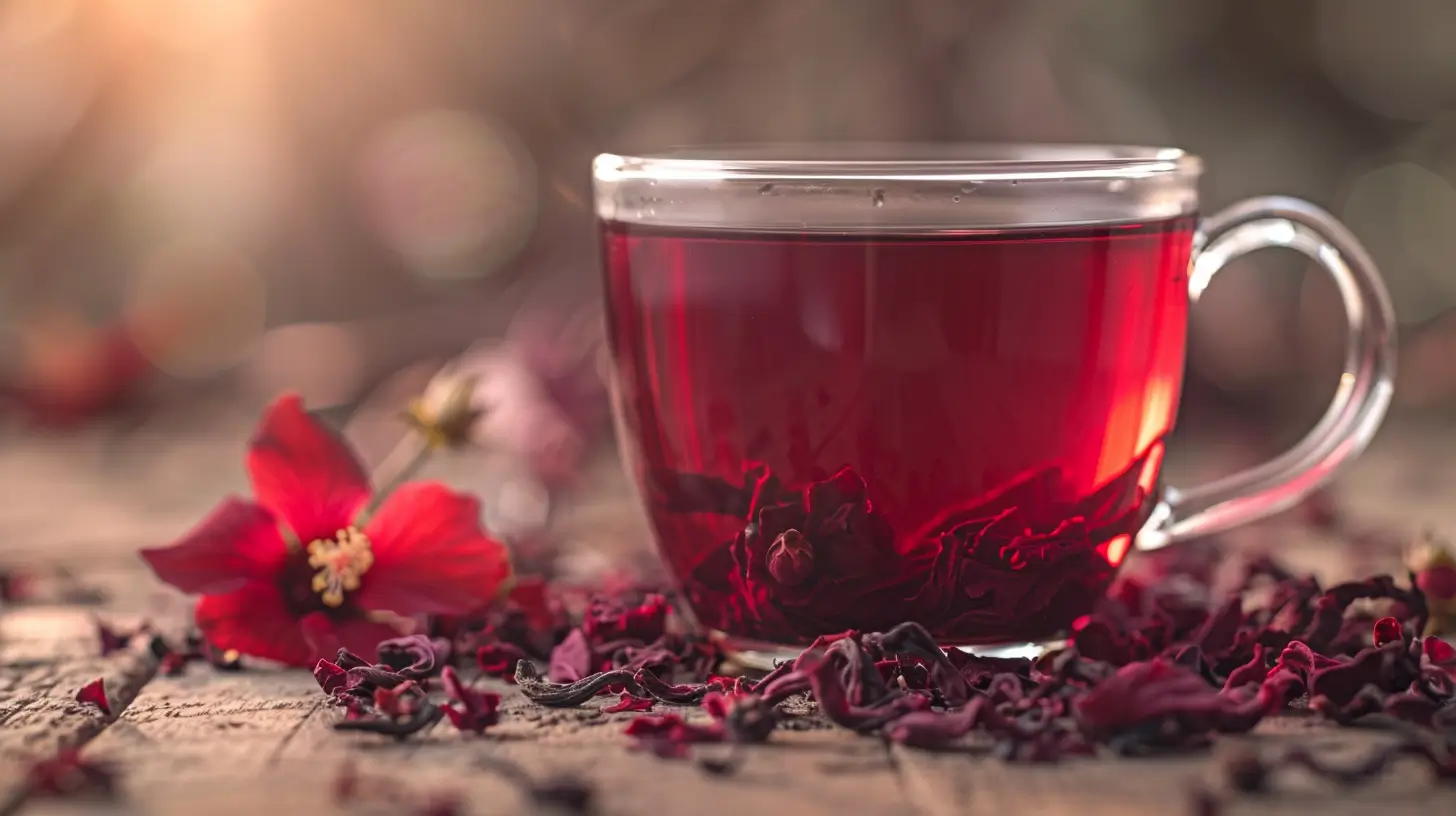
Hibiscus tea benefits have made this vibrant herbal drink increasingly popular among people looking for simple, natural ways to support everyday wellness. Made from dried hibiscus flowers, this caffeine-free tea stands out for its deep red color, refreshing taste, and long history of traditional use across different cultures.
Often enjoyed hot or cold, hibiscus tea fits easily into modern lifestyles. Some people drink it for hydration, others enjoy its bold, tart flavor, and many appreciate how versatile it is throughout the day. Whether you’re curious about how it tastes, when to drink it, or how it compares to other teas, hibiscus tea offers a refreshing alternative that feels both comforting and energizing.
As part of a balanced routine, hibiscus tea is often enjoyed alongside other wellness drinks that support daily hydration and gentle well-being.
In this article, we’ll explore what hibiscus tea is, its potential benefits, how to drink it properly, and what to keep in mind before making it part of your daily routine—keeping everything practical, balanced, and easy to understand.
Many people are especially interested in hibiscus tea for blood pressure support, hydration, and whether it is better enjoyed hot or cold. Others wonder how much hibiscus tea per day is safe and who should avoid it. In this guide, we’ll cover everything clearly and practically.
Updated for 2026: This article has been refreshed to include the latest information on how people enjoy hibiscus tea today, with clearer guidance on preparation, timing, and everyday use.
What Is Hibiscus Tea?
Where hibiscus tea comes from
Hibiscus tea is far from a modern discovery. It has been consumed for centuries across North Africa, the Caribbean, Latin America, and parts of Asia, where it is deeply rooted in local traditions. In many of these regions, hibiscus tea is not just a beverage but a daily ritual, often shared during meals or social gatherings.
In countries like Egypt and Sudan, hibiscus tea is commonly served cold to help refresh the body in warm climates. In Mexico and Central America, it is known as agua de jamaica, a popular homemade drink valued for its vibrant color and refreshing taste. These cultural uses explain why hibiscus tea continues to be appreciated for both its simplicity and its natural appeal.
What hibiscus tea is made from
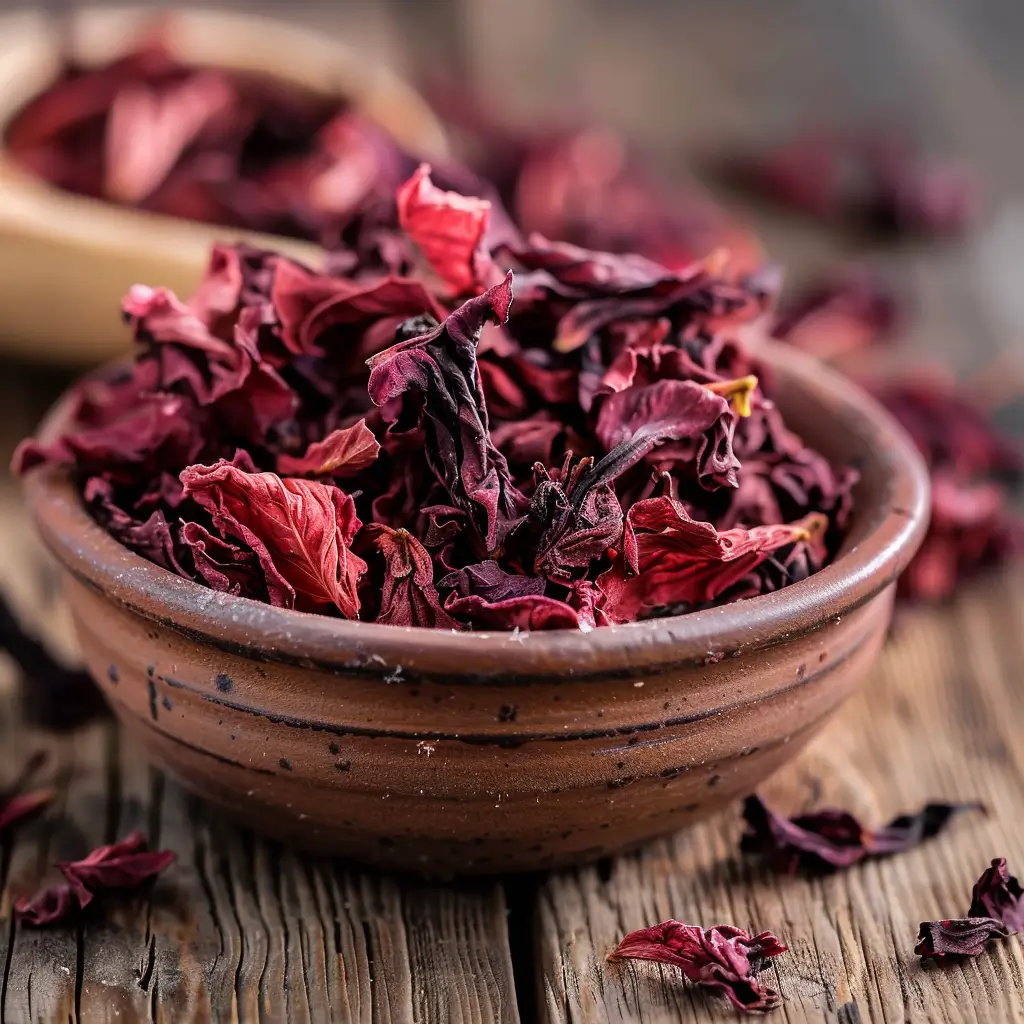
Hibiscus tea is prepared by infusing the dried calyces of the hibiscus flower, most commonly Hibiscus sabdariffa. Unlike traditional teas made from tea leaves, hibiscus tea is naturally caffeine-free, making it suitable for people who prefer herbal infusions.
The ingredients are minimal and straightforward:
- Dried hibiscus flowers
- Water (hot or cold)
- Optional natural additions such as lemon, honey, or spices
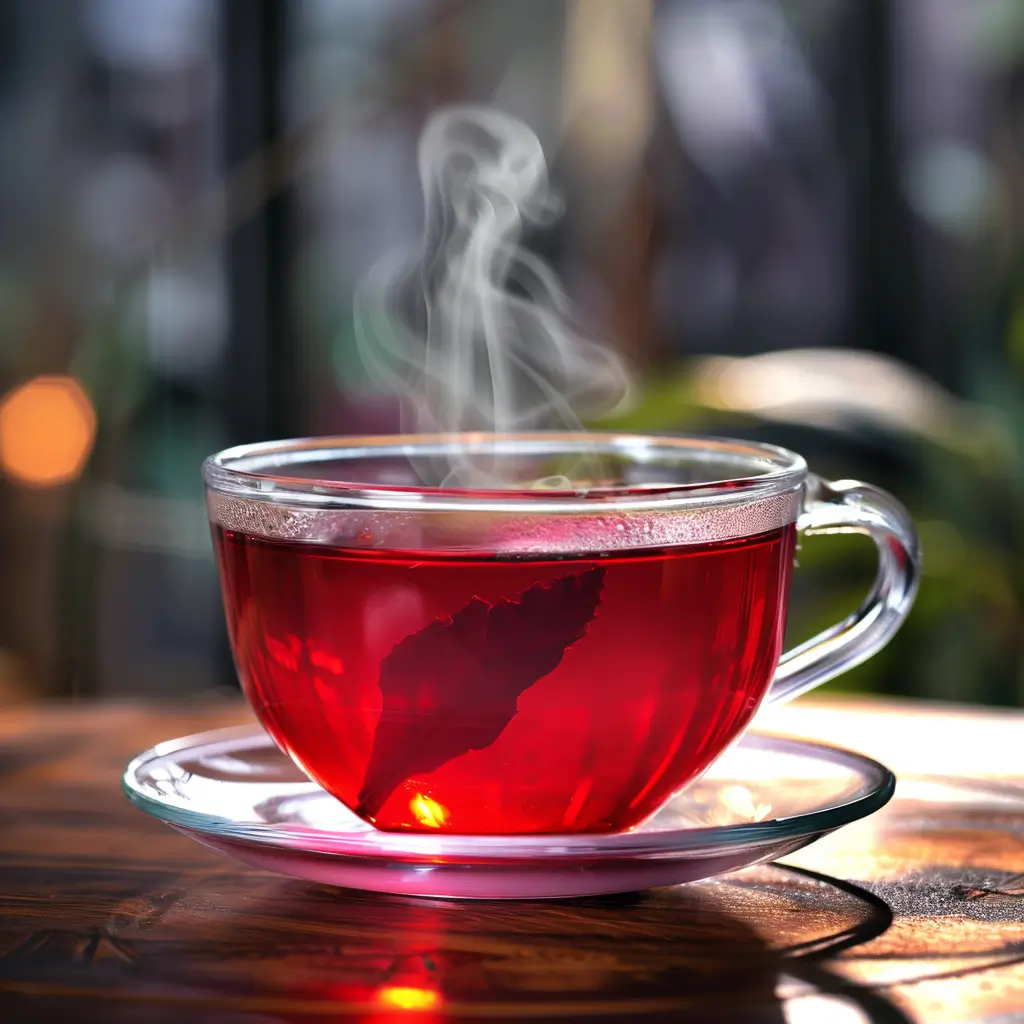
Once steeped, the flowers release a deep red color and a tangy, slightly fruity flavor. Because it contains no caffeine, hibiscus tea can be enjoyed at different times of the day, whether as a warm drink or a refreshing iced beverage. This simplicity is one of the reasons hibiscus tea fits so easily into everyday routines.
Hibiscus Tea Benefits
Hibiscus tea benefits are often linked to its natural compounds and its role as a refreshing, caffeine-free drink. While it’s not a medical treatment, many people include hibiscus tea in their routine as part of a balanced lifestyle. Below are the most commonly discussed benefits, explained in a simple and factual way.
Rich in antioxidants
One of the most well-known hibiscus tea benefits is its antioxidant content. Hibiscus flowers naturally contain plant compounds that help protect the body from oxidative stress caused by free radicals. Antioxidants are important because they support overall wellness and help maintain normal cell function.
Drinking hibiscus tea regularly can be an easy way to add more antioxidant-rich beverages to your day, especially if you’re looking for an alternative to sugary drinks.
Supports digestion and hydration
Hibiscus tea is mostly water, which means it contributes to daily hydration. Staying hydrated plays a key role in digestion, energy levels, and overall comfort throughout the day. Because hibiscus tea is caffeine-free, it won’t have the dehydrating effect that some caffeinated drinks may cause.
Many people enjoy hibiscus tea after meals or between meals as a light, refreshing option that supports healthy digestion without feeling heavy.
In addition, hibiscus tea can be a smart alternative to sugary beverages such as sodas or sweetened juices. Replacing high-calorie drinks with a naturally caffeine-free herbal tea may help support better hydration habits without added sugar.
While hibiscus tea does not contain significant electrolytes like specialized sports drinks, its fluid content still contributes to overall hydration balance throughout the day. For most people, choosing simple, low-sugar drinks is often more beneficial than relying on heavily processed options.
Cold hibiscus tea is especially popular during warmer months because of its refreshing and cooling effect. Served over ice, it can feel more hydrating and enjoyable, making it easier to stay consistent with daily fluid intake.
If you’re unsure how much fluid your body actually needs, this guide on How Much Water Should You Drink Daily? explains it in simple terms.
Hibiscus tea and blood pressure
Hibiscus tea benefits for blood pressure are often mentioned in wellness discussions. Some studies suggest that hibiscus tea may help support healthy blood pressure levels when consumed as part of a balanced diet and lifestyle. For this reason, it’s commonly chosen by people who want to be more mindful of their heart health.
That said, hibiscus tea should not replace medical advice or prescribed treatments. Anyone with blood pressure concerns should always consult a healthcare professional before making dietary changes.
How Hibiscus Tea May Support Blood Pressure
Hibiscus tea contains natural plant compounds that may help relax blood vessels, a process sometimes referred to as vasodilation. When blood vessels relax, it can support smoother blood flow, which may contribute to maintaining normal blood pressure levels.
Its effect is generally considered mild and gradual rather than immediate. For this reason, consistency tends to matter more than the exact time of day you drink it. Drinking hibiscus tea regularly in moderate amounts may offer more stable support than occasional consumption.
Many people also wonder whether temperature makes a difference. If you’re curious about how preparation affects results, you can explore our detailed comparison in this guide on Hibiscus Tea Hot or Cold? Which Is Better for Blood Pressure & Hydration?.
Hibiscus tea for weight loss support
Another popular topic is hibiscus tea benefits for weight loss. While hibiscus tea is not a weight loss solution on its own, it can support weight management in indirect ways. It’s naturally low in calories, free of sugar, and can replace high-calorie beverages.
Drinking hibiscus tea instead of sweetened drinks may help reduce overall calorie intake. Its bold flavor can also help curb cravings for sugary options, making it a smart addition to a balanced eating plan.
Is Hibiscus Tea Acidic or Alkaline?
Hibiscus tea is naturally slightly acidic, which explains its tart, cranberry-like flavor. The acidity comes from natural plant compounds found in the dried hibiscus flower.
However, hibiscus tea is generally less acidic than coffee and many carbonated beverages. For most healthy individuals, this mild acidity does not cause problems when consumed in moderate amounts.
People with sensitive stomachs or acid reflux may notice that strongly brewed hibiscus tea feels more intense. In that case, preparing a lighter infusion or drinking it after meals may help reduce discomfort.
If you’re concerned about stomach sensitivity, you may want to learn whether hibiscus tea is acidic or alkaline.
Overall, hibiscus tea is considered mildly acidic but not excessively so, especially when compared to common caffeinated drinks.
What Does Hibiscus Tea Taste Like?
Understanding hibiscus tea taste helps explain why this herbal drink is enjoyed around the world. Its flavor is bold, refreshing, and easy to recognize, even for people who are new to herbal teas.
Flavor profile
Hibiscus tea has a naturally tart and fruity taste, often compared to cranberry or pomegranate. The flavor is bright and slightly acidic, which makes it feel refreshing rather than heavy. When brewed strong, the tanginess becomes more pronounced, while lighter infusions tend to taste smoother and milder.
Because hibiscus tea contains no caffeine, its flavor comes entirely from the flower itself, not from tea leaves. This makes it a good option for people who want a flavorful drink without bitterness.
How to soften the taste naturally
If the tartness feels too strong, there are several natural ways to balance the flavor without adding refined sugar. Many people enjoy hibiscus tea with a touch of honey or maple syrup, which softens the acidity while keeping the drink natural.
Adding lemon can enhance the fruity notes, while spices like cinnamon or ginger bring warmth and depth. Fresh mint is another popular option, especially for iced hibiscus tea, as it adds a cooling, refreshing finish. These simple additions make it easy to customize hibiscus tea to your personal taste.
How to Drink Hibiscus Tea
One of the reasons hibiscus tea benefits are so appealing is how easy this drink is to prepare and enjoy. Whether you prefer it warm or chilled, hibiscus tea fits naturally into different routines and personal preferences.
Hot vs cold hibiscus tea
Hibiscus tea can be enjoyed both hot and cold, and the choice often depends on the season or personal taste. When served hot, it has a comforting quality and a slightly softer acidity. Hot hibiscus tea is often enjoyed in the evening or during cooler months.
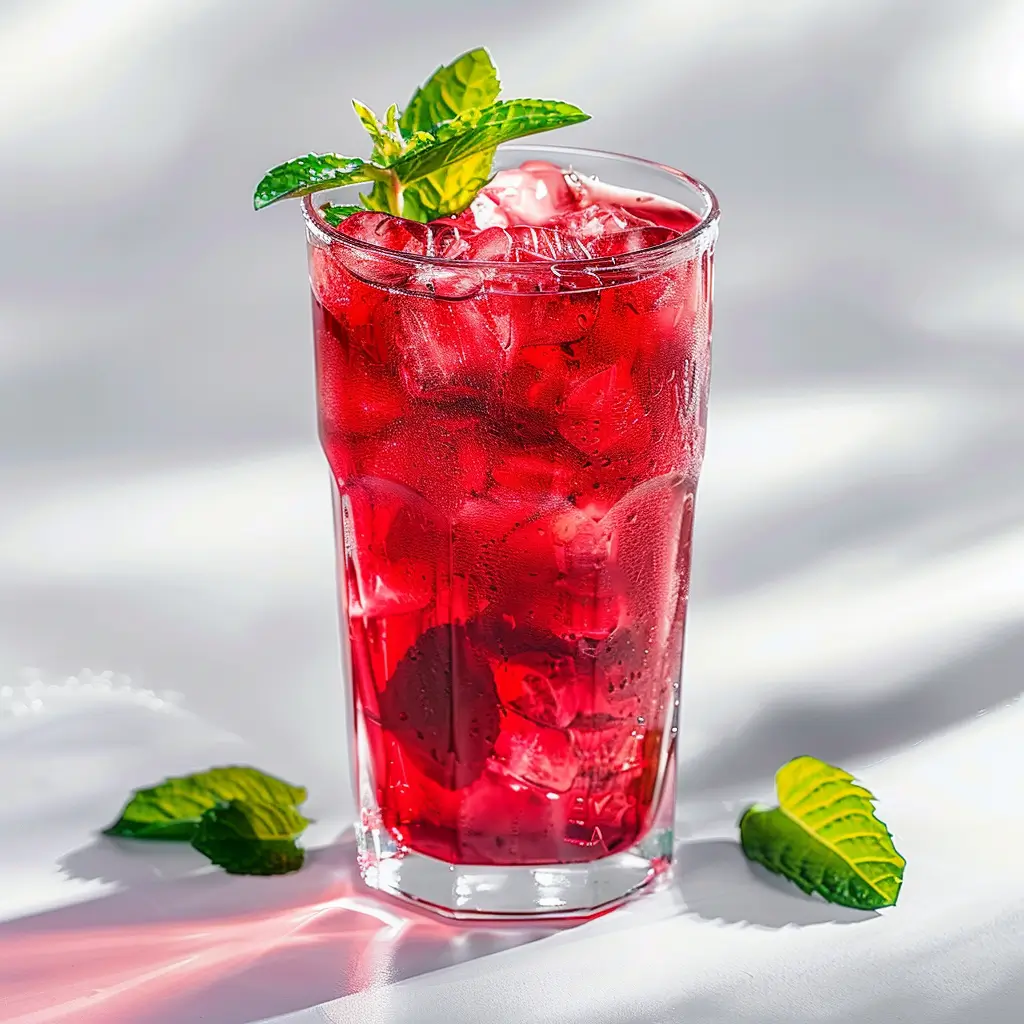
Cold hibiscus tea, on the other hand, is especially popular in warm weather. When chilled or served over ice, it becomes crisp and refreshing, making it a great alternative to sugary cold drinks. Many traditional recipes around the world favor the cold version for its cooling effect.
For a smoother and less intense flavor, some people prefer preparing hibiscus tea using a slow cold infusion method. You can explore different preparation techniques in our guide to Cold Brew Herbal Tea Recipes.
Many people also wonder if hibiscus tea tastes better hot or cold—here’s a clear guide on hibiscus tea hot or cold.
Hot vs Cold Hibiscus Tea: Does Temperature Change the Benefits?
While the core plant compounds remain similar, temperature can slightly influence taste, intensity, and how the tea fits into your daily routine.
| Factor | Hot Hibiscus Tea | Cold Hibiscus Tea |
|---|---|---|
| Taste | Stronger and soothing | Lighter and refreshing |
| Blood Pressure | Similar support | Similar support |
| Hydration | Good | Very refreshing |
| Best Time | Evening | Morning / Midday |
| Summer Use | Less common | Very popular |
Both versions offer comparable potential benefits, so the choice often depends on personal preference and lifestyle.
If you’re wondering when each version might fit best into your routine, you can explore this in more detail in our guide on Best Time to Drink Hibiscus Tea.
Best time to drink hibiscus tea
Because it is caffeine-free, hibiscus tea can be consumed at almost any time of day. Some people enjoy it in the morning as a flavorful start without the stimulation of coffee. Others prefer it in the afternoon as a hydrating break or in the evening as a calming drink.
Hibiscus tea before bed is generally considered suitable for those who avoid caffeine at night. However, individual responses vary, so it’s best to see how your body reacts.
If you’re unsure when herbal teas are best enjoyed during the day, this detailed guide on Best Time to Drink Herbal Tea explains how timing may affect hydration, relaxation, and overall comfort.
How often can you drink it
Hibiscus tea daily consumption is common for many people. Drinking one to two cups a day is generally considered moderate and fits well into a balanced lifestyle. Like any herbal tea, variety is key, and it’s a good idea not to rely on a single beverage exclusively.
Listening to your body and keeping portions reasonable helps ensure that hibiscus tea remains a pleasant and enjoyable part of your routine.
Hibiscus tea is often included in simple gut health drinks as part of gentle daily wellness routines.
How Much Hibiscus Tea Per Day Is Safe?
For most healthy adults, drinking one to three cups of hibiscus tea per day is commonly considered moderate. This amount allows you to enjoy its refreshing flavor and potential benefits without overconsumption.
Because hibiscus tea may influence blood pressure, individuals who already have low blood pressure should be especially mindful of quantity. Drinking excessive amounts could increase the risk of dizziness or lightheadedness in sensitive individuals.
Like any herbal beverage, tolerance can vary from person to person. Starting with one cup per day and observing how your body responds is often a practical approach.
Moderation remains key. Rotating hibiscus tea with other caffeine-free drinks can help maintain balance while still enjoying its unique flavor.
Hibiscus Tea Side Effects and Precautions
While hibiscus tea benefits make it appealing to many people, it’s also important to understand possible side effects and know when caution is needed. Like most herbal drinks, hibiscus tea is best enjoyed in moderation and with awareness of individual health conditions.
Who should avoid hibiscus tea
While hibiscus tea is generally safe for most healthy adults, certain individuals should be more cautious.
Because hibiscus tea may support lower blood pressure, people who already have naturally low blood pressure (hypotension) should monitor their intake carefully. Drinking large amounts may increase the risk of dizziness or lightheadedness.
Pregnant or breastfeeding women are often advised to avoid hibiscus tea unless approved by a healthcare professional. Some herbal infusions may influence hormonal balance, so medical guidance is important during this stage.
Individuals taking medications — especially those related to blood pressure, heart conditions, or hormone-sensitive treatments — should consult a doctor before consuming hibiscus tea regularly. Herbal beverages can sometimes interact with medications.
Drinking excessive amounts may also cause mild digestive discomfort or dizziness in sensitive individuals. As with most herbal drinks, moderation remains key.
Many people also wonder whether hibiscus tea is best enjoyed hot or cold, depending on the season and personal preference. You can explore this in more detail in our guide on Hibiscus Tea Hot or Cold? Which Is Better for Blood Pressure & Hydration?.
Is it safe to drink every day?
For most healthy adults, hibiscus tea daily consumption in moderate amounts is generally considered safe. One to two cups per day is commonly suggested as a reasonable intake. Drinking excessive amounts, however, may increase the risk of unwanted effects, such as dizziness or digestive discomfort.
As with any herbal tea, balance is key. Paying attention to how your body responds and rotating hibiscus tea with other caffeine-free beverages can help keep it a safe and enjoyable habit.
Hibiscus Tea vs Green Tea
Hibiscus tea vs green tea is a common comparison, especially among people looking for healthier drink options. While both are popular, they differ in taste, caffeine content, and when they’re best enjoyed.
Key differences at a glance
| Feature | Hibiscus Tea | Green Tea |
|---|---|---|
| Caffeine | Caffeine-free | Contains caffeine |
| Taste | Tart, fruity, cranberry-like | Mild, earthy, slightly bitter |
| Color | Deep red | Light green or yellow |
| Best time to drink | Any time, including evening | Mostly morning or early afternoon |
| Suitable before bed | Yes, for most people | Usually not recommended |
Which one should you choose?
Hibiscus tea is often preferred by people who want a bold, refreshing flavor without caffeine. It works well in the evening, before bed, or for those sensitive to stimulants. Its fruity taste also makes it a popular choice as an iced drink.
Green tea, on the other hand, is commonly chosen for its gentle energy boost and traditional tea profile. It may be better suited for mornings or times when focus and alertness are needed.
Ultimately, neither is “better” for everyone. Choosing between hibiscus tea and green tea depends on your taste preferences, caffeine tolerance, and daily routine.
Frequently Asked Questions About Hibiscus Tea
What are the main benefits of hibiscus tea?
Hibiscus tea is naturally rich in antioxidants and is commonly enjoyed as a caffeine-free herbal drink. Many people include it in their routine to support hydration, maintain normal blood pressure levels, and replace sugary beverages. While it is not a medical treatment, it can be part of a balanced and healthy lifestyle when consumed in moderation.
Is hibiscus tea better hot or cold?
Hibiscus tea can be enjoyed both hot and cold, and its core plant compounds remain similar in either preparation. Hot hibiscus tea tends to taste stronger and more soothing, while cold hibiscus tea is lighter and especially refreshing in warm weather. The choice depends mainly on personal preference and season rather than major differences in benefits.
How much hibiscus tea can you drink per day?
For most healthy adults, one to three cups per day is generally considered moderate. Drinking excessive amounts may increase the risk of dizziness or digestive discomfort, especially in individuals sensitive to blood pressure changes. Starting with one cup daily and adjusting based on tolerance is often a practical approach.
Can you drink hibiscus tea every day?
Yes, many people drink hibiscus tea daily as part of a varied routine. Moderate daily consumption is typically well tolerated by healthy adults. However, it is best not to rely exclusively on one herbal beverage and to rotate it with other caffeine-free drinks for balance.
Is hibiscus tea acidic?
Hibiscus tea is naturally slightly acidic, which contributes to its tart, cranberry-like flavor. However, it is generally less acidic than coffee or many carbonated beverages. Most people tolerate it well, although those with sensitive stomachs may prefer lighter infusions or drinking it after meals.
Who should avoid hibiscus tea?
People with naturally low blood pressure, pregnant or breastfeeding women, and individuals taking certain medications — especially for blood pressure or hormonal conditions — should consult a healthcare professional before drinking hibiscus tea regularly. As with most herbal drinks, moderation and individual awareness are important.
Final Thoughts
Hibiscus tea benefits go beyond its striking color and refreshing taste. This herbal infusion has earned its place in daily routines around the world thanks to its simplicity, versatility, and caffeine-free nature. Whether you enjoy it hot on a quiet evening or cold on a warm afternoon, hibiscus tea adapts easily to different lifestyles and preferences.
With its bold, fruity flavor and easy preparation, hibiscus tea offers a natural alternative to sugary drinks and heavily processed beverages. When consumed in moderation and with basic precautions, it can be a pleasant addition to a balanced diet without feeling restrictive or complicated.
If you’re looking for a flavorful herbal tea that’s easy to enjoy and simple to prepare, hibiscus tea is a refreshing choice that fits naturally into everyday life.
Print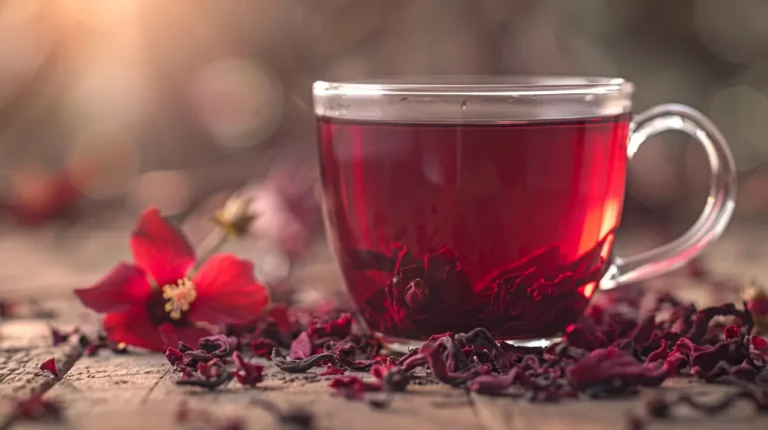
Hibiscus Tea Benefits: Uses, Flavor, and How to Drink It
A simple way to prepare hibiscus tea at home, served hot or cold as a refreshing wellness drink.
- Total Time: 10 minutes
- Yield: 1–2 cups 1x
Ingredients
- 1 tablespoon dried hibiscus flowers
- 1 cup hot water
- Optional: honey or lemon
Instructions
- Add dried hibiscus flowers to a cup or teapot.
- Pour hot water over the flowers.
- Cover and steep for 5–10 minutes.
- Strain and serve warm, or let cool and refrigerate for iced tea.
Notes
This tea is naturally caffeine-free and can be enjoyed hot or cold throughout the day.
- Prep Time: 5 minutes
- Cook Time: 0 minutes
- Category: Beverage
- Method: Steeping
- Cuisine: Herbal
Nutrition
- Serving Size: 1 cup
- Calories: 0
- Sugar: 0g
- Sodium: 0mg
- Fat: 0g
- Saturated Fat: 0g
- Unsaturated Fat: 0g
- Trans Fat: 0g
- Carbohydrates: 0g
- Fiber: 0g
- Protein: 0g
- Cholesterol: 0mg
Keywords: hibiscus tea, herbal tea, caffeine-free, iced tea, hot tea