
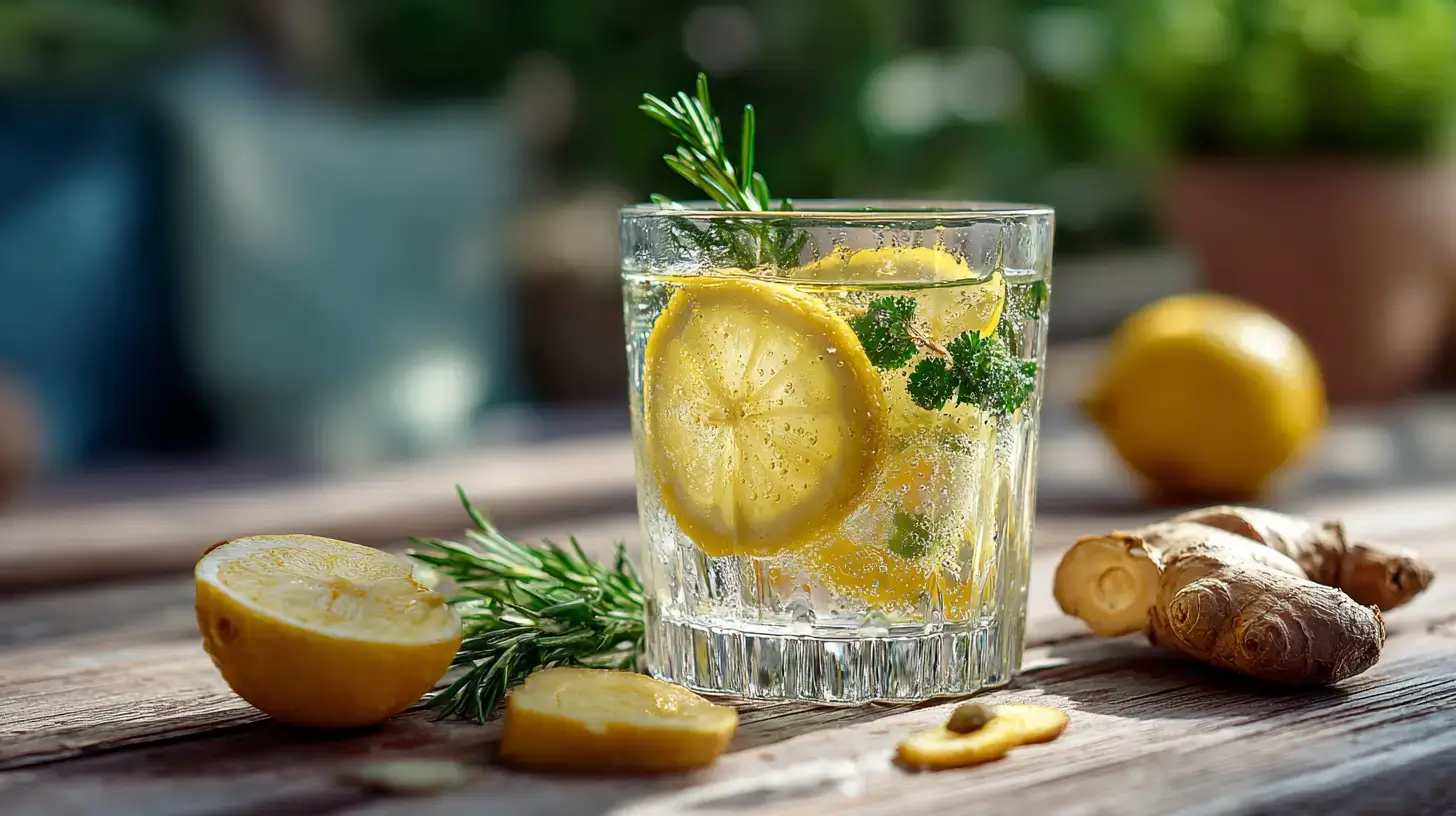
Wellness drinks have become a daily habit for people who want to feel better, stay energized, and support their overall health without overcomplicating things. From simple herbal teas to gut-friendly tonics and hydration boosters, these beverages are no longer just trends — they’re practical tools for building healthier routines.
In this guide, you’ll learn exactly what wellness drinks are, why they matter, and how to choose the right options for your lifestyle. We’ll explore daily wellness drinks for hydration, digestion, and balance, compare hot vs cold wellness drinks, and break down beginner-friendly choices that actually work. You’ll also discover homemade wellness drink recipes, store-bought options, and science-backed answers to common questions like whether wellness drinks are good for you or which ones are best for gut health and weight loss.
Whether you’re just starting a healthy drink routine or looking to upgrade what you sip every day, this complete wellness drinks guide will help you make smarter, more confident choices — one drink at a time.
What Are Wellness Drinks and Why They Matter
Definition of Wellness Drinks and Natural Wellness Beverages
Wellness drinks are beverages made to support your overall health rather than just quench thirst. Unlike sugary sodas or artificially flavored drinks, wellness drinks focus on hydration, digestion, immunity, and daily balance. Most are made with natural ingredients like herbs, fruits, spices, minerals, or fermented elements that provide functional benefits.
Natural wellness beverages can include herbal teas, infused waters, gut-friendly tonics, and simple homemade blends. The key idea is purpose. Every wellness drink is consumed with a goal in mind, whether that’s improving gut health, boosting energy, supporting weight loss, or helping the body stay hydrated throughout the day.
What makes wellness drinks especially appealing is their flexibility. They can be hot or cold, homemade or store-bought, and adapted to different lifestyles and health goals.
How Wellness Drinks Fit into Healthy Drink Routines
A healthy drink routine is about consistency, not perfection. Wellness drinks work best when they become part of your daily habits instead of a once-in-a-while fix. Many people start their morning with a gut-friendly drink, sip hydration blends throughout the day, and wind down with calming herbal teas in the evening.
Daily wellness drinks can:
- Support digestion and reduce bloating
- Improve hydration without added sugar
- Provide gentle energy without caffeine crashes
- Help replace less healthy beverage choices
For example, swapping sugary drinks for herbal teas for daily wellness can make a noticeable difference over time. Even small changes, like adding a mineral-rich hydration drink or a simple infused water, can improve how you feel day to day.
If you want to explore gentle options that fit easily into daily routines, herbal teas for daily wellness are a simple and effective place to start.
Difference Between Wellness Drinks and Regular Beverages
The biggest difference between wellness drinks and regular beverages is intention. Regular drinks are often chosen for taste, convenience, or habit. Wellness drinks are chosen because they serve a function.
Here’s a simple comparison:
| Regular Beverages | Wellness Drinks |
|---|---|
| High in sugar or artificial sweeteners | Made with natural ingredients |
| Focus on flavor only | Focus on health benefits |
| Often empty calories | May support digestion, hydration, or energy |
| Habit-driven | Goal-driven |
That doesn’t mean wellness drinks have to be boring or extreme. Many are simple, affordable, and easy to prepare at home. The goal is not to be restrictive, but to make smarter choices that support long-term well-being.
As you move through this guide, you’ll see how wellness drinks can fit naturally into your lifestyle, whether you’re a beginner or already focused on healthy drink routines. In the next section, we’ll explore the different types of wellness drinks and how to choose the right ones for your needs.
Types of Wellness Drinks You Should Know
Daily Wellness Drinks for Hydration and Balance
Daily wellness drinks are designed to support your body consistently, not just when something feels off. These drinks focus on hydration, mineral balance, digestion, and gentle energy support. Unlike sugary beverages, they help maintain steady energy levels throughout the day.
Hydration-focused wellness drinks don’t need added sugar to be effective. Many people now prefer mineral-based options that support fluid balance without sweeteners. A closer look at electrolyte drinks without sugar can help you choose cleaner hydration options.
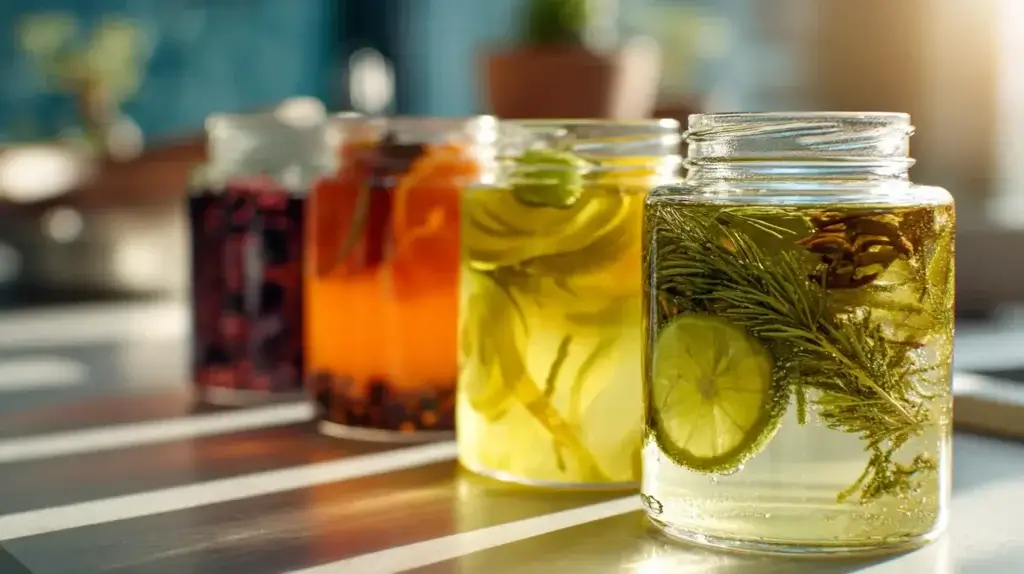
Common daily wellness drinks include infused water with citrus or herbs, mineral-based hydration drinks, and light herbal teas. Many people rotate these options depending on their schedule, climate, and activity level. The goal is to keep your body hydrated and supported without relying on artificial ingredients.
If hydration is a priority, especially during busy or active days, drinks that include natural electrolytes can be helpful. You can explore more options related to hydration and electrolyte drinks.
Non-Alcoholic Wellness Drinks for Adults
Wellness drinks for adults are increasingly popular as people look for healthier, non-alcoholic alternatives that still feel satisfying. These drinks often replace alcohol, soda, or overly sweet beverages while offering functional benefits.
Popular non-alcoholic wellness drinks include:
- Herbal and adaptogenic teas
- Fermented drinks like kombucha or water kefir
- Spiced tonics made with ginger, turmeric, or cinnamon
- Botanical mocktails with herbs and citrus
These options are especially appealing in social settings or evening routines, where people want something calming or flavorful without alcohol. Over time, choosing non-alcoholic wellness drinks can improve sleep quality, digestion, and overall energy levels.
Wellness Drinks List: Teas, Tonics, Juices, and Elixirs
There isn’t one single type of wellness drink. Instead, they fall into several broad categories, each with its own benefits. Here’s a simple wellness drinks list to help you understand the options:
| Type | Description | Common Benefits |
|---|---|---|
| Herbal Teas | Made from leaves, flowers, or roots | Relaxation, digestion, hydration |
| Tonics | Concentrated blends with spices or herbs | Energy, immunity, gut support |
| Fresh Juices | Extracted from fruits and vegetables | Nutrient intake, cleansing |
| Elixirs | Small-dose functional drinks | Stress support, focus, balance |
Understanding these categories makes it easier to build healthy drink routines that match your goals. Some people prefer light teas throughout the day, while others rely on stronger tonics or elixirs in the morning. Herbal teas are among the most popular wellness drinks due to their versatility and gentle effects. Certain options, like hibiscus, are especially valued for their refreshing taste and functional properties. You can explore the full range of hibiscus tea benefits to see how it fits into a daily wellness routine.
In the next section, we’ll take a closer look at hot vs cold wellness drinks and how temperature can affect digestion, hydration, and overall comfort.
Hot vs Cold Wellness Drinks: Which Is Better?
Benefits of Hot Wellness Drinks for Digestion and Relaxation
Hot wellness drinks have been used for centuries to support digestion and relaxation. Warm liquids can help stimulate digestive enzymes, improve circulation, and soothe the stomach, especially first thing in the morning or after meals.
Warm beverages play an important role in many wellness routines, especially for digestion and relaxation. Herbal infusions, spice-based drinks, and soothing teas are commonly used for this purpose. You can explore a full breakdown of these options in our guide to warm functional drinks.
Popular hot wellness drinks include herbal teas, warm lemon water, ginger infusions, and spice-based tonics. These drinks are often easier on the digestive system, particularly for people who experience bloating or sensitivity to cold beverages.
Hot wellness drinks are also closely tied to calming routines. Many people rely on them in the evening to wind down, reduce stress, and support better sleep. Because of this, they play an important role in healthy drink routines that focus on balance rather than stimulation.
Benefits of Cold Wellness Drinks for Hydration and Energy
Cold wellness drinks shine when hydration and refreshment are the main goals. They’re especially popular during warmer months, workouts, or busy days when you need something quick and energizing.
Cold options like infused water, chilled herbal teas, fresh juices, and electrolyte drinks can:
- Encourage higher fluid intake
- Help cool the body
- Feel more refreshing during physical activity
- Support hydration on the go
For many people, cold wellness drinks are easier to sip consistently throughout the day. That consistency matters, because hydration is one of the foundations of daily wellness drinks.
However, it’s important to balance temperature with tolerance. Some people find very cold drinks uncomfortable for digestion, while others thrive on them.
How to Choose Hot vs Cold Wellness Drinks by Season and Lifestyle
Some wellness drinks can be enjoyed both hot and cold, depending on preference and timing. Hibiscus tea is a popular example, and understanding how temperature affects its taste and benefits can help you choose what works best. Learn more in our comparison of hibiscus tea hot vs cold.
There’s no universal rule when it comes to hot vs cold wellness drinks. The best choice depends on your body, your environment, and your daily habits.
A simple guideline:
- Morning: warm or room-temperature wellness drinks for digestion
- Midday: cold or lightly chilled drinks for hydration and energy
- Evening: warm, calming drinks for relaxation
Seasonal changes also matter. Hot wellness drinks often feel better in colder weather, while cold wellness drinks are more appealing in summer. Listening to your body is key. If a drink leaves you feeling uncomfortable or sluggish, it’s a sign to adjust. Timing plays an important role in how wellness drinks affect the body, especially when it comes to herbal teas. Drinking the same tea at different times of the day can lead to different effects. Understanding the best time to drink herbal tea helps align your routine with your body’s natural rhythm.
As you move forward, you’ll see how beginners can combine both hot and cold wellness drinks into a flexible routine. In the next section, we’ll focus on the best wellness drinks for beginners and how to start without feeling overwhelmed.
Best Wellness Drinks for Beginners

Simple Wellness Drinks to Start a Healthy Routine
If you’re new to wellness drinks, the best approach is to start simple. Many beginners make the mistake of trying too many ingredients or following complicated recipes, which can feel overwhelming and hard to maintain.
Simple wellness drinks often include just one or two functional ingredients combined with water or tea. These options are easy to prepare, gentle on the body, and affordable. Examples include warm lemon water, herbal teas, lightly infused water with fruit, or basic ginger drinks.
The goal at this stage is consistency. Drinking one wellness drink daily is far more effective than trying five different recipes once a week. Over time, these small habits naturally turn into healthy drink routines that feel effortless.
Best Morning Drink for Gut Health
Morning is one of the most popular times to introduce wellness drinks, especially for gut health. After hours without food or hydration, the body responds well to gentle, supportive beverages. Starting the day with proper hydration can make a noticeable difference in digestion and energy levels. Many people choose a simple routine built around a morning hydration drink before coffee or breakfast.
Some of the best morning wellness drinks for gut health include:
- Warm water with lemon
- Ginger-based drinks
- Herbal teas that support digestion
- Light fermented drinks in small amounts
These drinks help wake up the digestive system, support regularity, and may reduce bloating throughout the day. Many people also find that starting the day with a gut-friendly drink encourages better food choices later on.
For those interested in functional combinations, drinks that include warming spices or citrus are especially popular. You can explore more ideas around functional wellness drinks.
Common Mistakes Beginners Make with Wellness Drinks
Even though wellness drinks are simple, beginners often run into the same issues. One common mistake is expecting instant results. Wellness drinks support health over time, not overnight.
Other mistakes include:
- Overusing strong ingredients that irritate digestion
- Relying too heavily on sweeteners
- Drinking wellness drinks instead of balanced meals
- Ignoring how the body responds
It’s also important to remember that wellness drinks are not cures. They work best as part of a broader lifestyle that includes balanced meals, movement, and rest.
In the next section, we’ll take a deeper look at wellness drinks for gut health and weight loss, including which options are worth your time and which ones to approach with caution.
Wellness Drinks for Gut Health and Weight Loss
Homemade Drinks for Gut Health
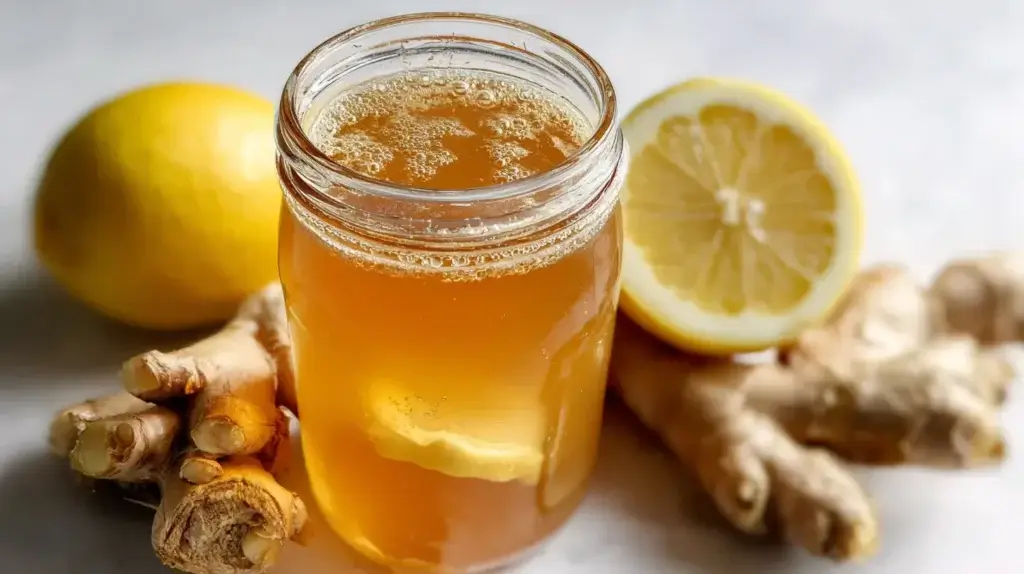
Homemade wellness drinks are especially popular for gut health because they’re simple, customizable, and free from unnecessary additives. When you make your own drinks, you control the ingredients, the sweetness, and the strength, which matters a lot for digestion.
Gut-friendly homemade drinks often focus on ingredients that support the digestive system gently. These may include ginger, lemon, apple cider vinegar (in small amounts), herbs, and lightly fermented elements. Many people find that drinking these regularly helps reduce bloating, improve regularity, and create a calmer digestive rhythm.
Another advantage of homemade drinks is flexibility. You can adjust recipes based on how your body feels, the time of day, or the season. This makes them easier to stick with as part of long-term healthy drink routines.
Gut Health Drink for Weight Loss: What Actually Works
Wellness drinks are often linked to weight loss, but it’s important to be realistic. A gut health drink for weight loss doesn’t burn fat on its own. Instead, it supports digestion, hydration, and appetite awareness, which can indirectly help with weight management.
Some ways wellness drinks may support weight loss include:
- Improving digestion and reducing bloating
- Supporting hydration, which helps control appetite
- Replacing high-calorie or sugary beverages
- Encouraging mindful eating habits
Drinks that are low in calories and free from added sugars are usually the best choice. Many people prefer warm drinks in the morning or before meals, as they may promote a feeling of fullness and comfort.
The key is consistency, not extremes. Wellness drinks work best when paired with balanced meals and an overall healthy lifestyle.
How Wellness Drinks Support Metabolism and Digestion
Wellness drinks can support metabolism and digestion by helping the body function more efficiently. Hydration alone plays a major role in digestion, energy levels, and nutrient absorption. When the body is properly hydrated, metabolic processes run more smoothly.
Certain wellness drinks also stimulate digestion by encouraging the production of digestive enzymes or supporting gut movement. Over time, this can lead to better nutrient absorption and more stable energy levels.
It’s important to avoid thinking of wellness drinks as shortcuts. Instead, see them as daily support tools. When used consistently, they can improve how you feel, how you digest food, and how easily you maintain healthy habits.
In the next section, we’ll move into homemade wellness drink recipes, including easy options, cost-saving tips, and a comparison between wellness drink powders and fresh ingredients.
Homemade Wellness Drink Recipes
Easy Wellness Drink Recipes You Can Make at Home
One of the biggest advantages of wellness drinks is how easy they are to prepare at home. You don’t need expensive equipment or rare ingredients. Most wellness drink recipes rely on simple items you likely already have in your kitchen.
Easy homemade wellness drinks often include:
- Warm water with lemon or ginger
- Herbal tea with natural spices
- Light fruit and herb infusions
- Simple gut-supporting tonics
These recipes are beginner-friendly and easy to adjust. You can change ingredient amounts, swap herbs, or adjust temperature based on your preferences. This flexibility makes it easier to build healthy drink routines that last.
Homemade wellness drinks also tend to be fresher and lower in sugar compared to store-bought options, which helps support long-term wellness goals.
Wellness Drink Powder vs Fresh Ingredients
Wellness drink powders are convenient and widely available, but they’re not always the best option. While some high-quality powders contain beneficial ingredients, others include added sugars, artificial flavors, or fillers.
Here’s a quick comparison:
| Option | Pros | Cons |
|---|---|---|
| Wellness Drink Powder | Convenient, long shelf life | May contain additives |
| Fresh Ingredients | More natural, customizable | Requires prep time |
Fresh ingredients allow you to tailor drinks to your body’s needs and avoid unnecessary additives. However, powders can be helpful when traveling or when time is limited. The key is reading labels carefully and using powders as a supplement, not a replacement for whole ingredients.
Cost-Saving Tips for Homemade Wellness Drinks
Many people assume wellness drinks are expensive, but homemade versions are often very affordable. Buying ingredients in bulk, using seasonal produce, and sticking to simple recipes can significantly reduce costs.
Cost-saving strategies include:
- Reusing herbs or citrus peels for multiple infusions
- Choosing dried herbs instead of fresh when appropriate
- Making concentrates that last several days
- Avoiding unnecessary specialty ingredients
By focusing on simplicity, homemade wellness drinks become an accessible part of everyday life rather than a luxury.
In the next section, we’ll explore store-bought wellness drinks and brands, including how to evaluate quality, what to look for at Costco, and how to find good wellness drinks near you.
Store-Bought Wellness Drinks and Brands
Popular Wellness Drink Brands Explained
Store-bought wellness drinks are convenient, especially for busy schedules or travel. Many brands focus on hydration, gut health, or energy support using plant-based ingredients, minerals, or fermented elements. While branding can be appealing, not all wellness drinks are created equal.
When evaluating wellness drink brands, it’s important to look beyond marketing claims. High-quality products usually have short ingredient lists, minimal added sugars, and clear labeling. Drinks that rely heavily on artificial flavors, colors, or sweeteners often offer little real benefit.
Choosing reputable wellness drink brands can help you maintain healthy drink routines without relying solely on homemade options.
Wellness Drinks at Costco: What to Look For
Costco has become a popular place to find wellness drinks in bulk, often at lower prices. However, bulk buying only makes sense if the product aligns with your health goals.
When shopping for wellness drinks at Costco, consider:
- Sugar content per serving
- Presence of artificial ingredients
- Portion size and frequency of use
- Whether the drink fits into your daily routine
Many people use store-bought wellness drinks as a supplement rather than a daily staple. This approach helps balance convenience with quality.
Wellness Drinks Near Me: How to Choose Quality Options
Searching for “wellness drinks near me” often leads to health food stores, cafes, and specialty markets. While these places offer variety, quality can vary widely.
A good rule of thumb is to prioritize freshness and simplicity. Ask questions about ingredients, preparation methods, and sugar content. Drinks made on-site or with transparent sourcing are often better choices.
It’s also helpful to compare store-bought options with homemade alternatives. In many cases, you can recreate similar drinks at home for a lower cost and with more control over ingredients.
Next, we’ll address a common question many people ask: Are wellness drinks good for you? In the following section, we’ll break down the science, benefits, and realistic expectations.
Are Wellness Drinks Good for You? Science and Facts
What Is the Best Wellness Drink According to Nutrition Experts?
There is no single “best” wellness drink for everyone. Nutrition experts generally agree that the best wellness drink is one that supports hydration, digestion, and overall balance without added sugars or artificial ingredients. Simple drinks made with water, herbs, spices, or natural minerals often rank highest.
For many people, the most effective wellness drinks are the ones they can drink consistently. Herbal teas, lightly infused waters, and gentle digestive tonics tend to work well across different lifestyles. These options are easy on the body and fit naturally into daily wellness drinks routines.
Experts also emphasize personalization. What feels energizing for one person may feel irritating for another. Paying attention to how your body responds is more important than following trends.
What Are the Top 3 Healthiest Drinks?
When nutrition professionals talk about the healthiest drinks, they usually focus on hydration, nutrient support, and minimal processing. While preferences vary, these options are commonly recommended:
| Drink | Why It’s Healthy |
|---|---|
| Water | Essential for hydration and metabolism |
| Herbal Tea | Supports digestion and relaxation |
| Infused Water | Adds flavor without sugar |
These drinks form the foundation of many healthy drink routines. Wellness drinks often build on these basics by adding functional ingredients that enhance specific benefits.
What Is the Healthiest Hydration Drink?
The healthiest hydration drink is one that replaces fluids without overloading the body with sugar or additives. Plain water remains the gold standard, but some wellness drinks enhance hydration by adding natural minerals or electrolytes.
Hydration drinks made with natural salts, citrus, or herbs can be especially helpful during physical activity, hot weather, or illness. However, they should be used thoughtfully and not as a replacement for regular water intake.
In most cases, a combination of water and light wellness drinks provides the best balance. The key is moderation and listening to your body’s needs.
FAQs About Wellness Drinks
What are wellness drinks?
Wellness drinks are beverages made with natural ingredients that support hydration, digestion, energy balance, and overall well-being.
Are wellness drinks safe to drink every day?
Most wellness drinks can be consumed daily when prepared with simple, natural ingredients and enjoyed in moderation.
What is the best time to drink wellness drinks?
The best time depends on the drink. Some are better in the morning for hydration, while others are ideal in the evening for relaxation.
Do wellness drinks replace water?
No. Wellness drinks complement hydration but should not fully replace plain water.
Who should avoid certain wellness drinks?
People with medical conditions or sensitivities should always review ingredients and consult a professional if unsure.
Conclusion: Building a Sustainable Wellness Drink Routine
Wellness drinks are most effective when they become part of your daily life, not a short-term experiment. Whether you prefer herbal teas, infused waters, gut-friendly tonics, or simple hydration drinks, the key is choosing options that feel good, fit your schedule, and support your health goals.
A sustainable wellness drink routine doesn’t need to be complicated. Start with one or two daily wellness drinks you enjoy, pay attention to how your body responds, and adjust as needed. Over time, these small, consistent habits can support better digestion, improved hydration, steadier energy levels, and healthier choices overall.
Remember, wellness drinks are not about perfection or trends. They’re about intention. When you choose natural wellness beverages over sugary or heavily processed drinks, you’re making a simple decision that supports long-term well-being.