
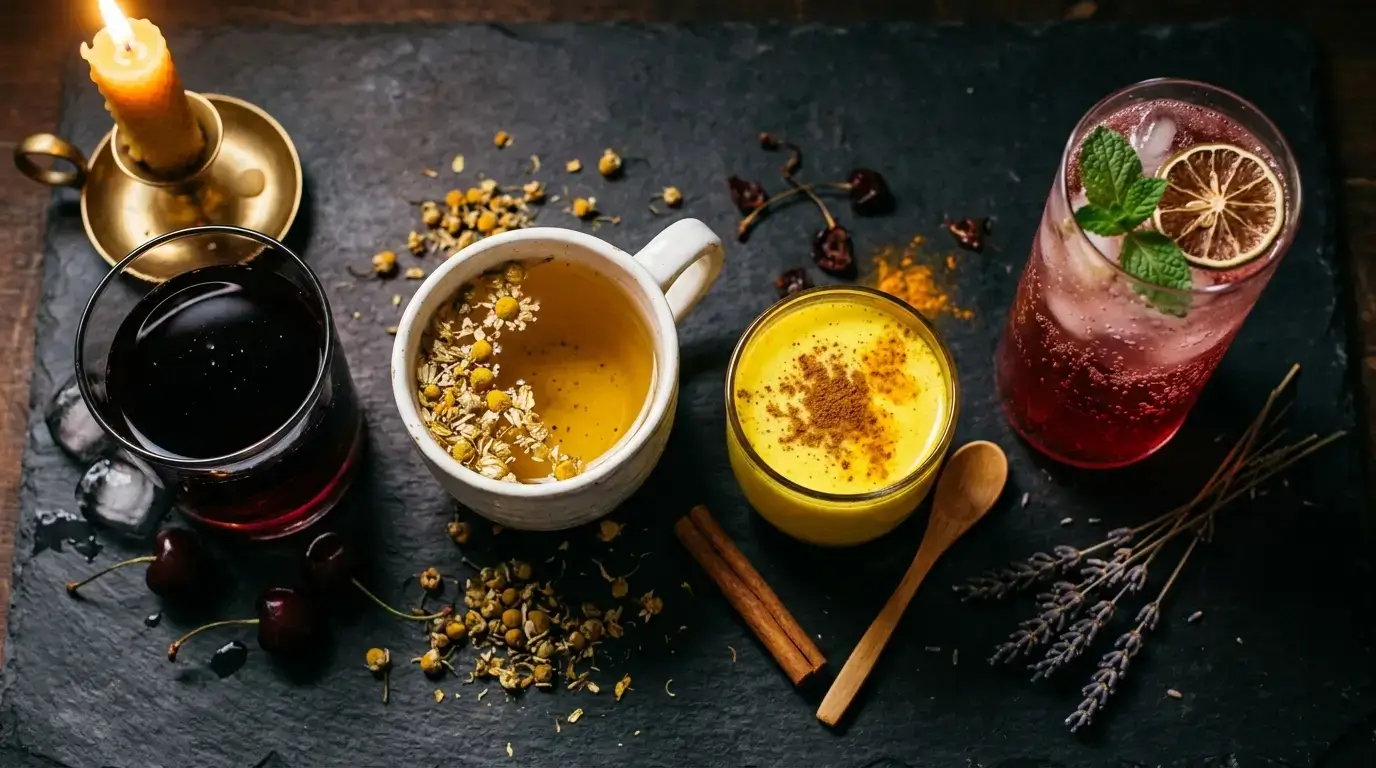
Getting better sleep is the number one health goal for people worldwide in 2026 — ranked above healthy aging, weight loss, and even mental wellbeing in a survey of over 9,500 consumers across 13 countries. Yet most people are still reaching for the wrong tools: melatonin pills that leave them groggy, sleep apps that make them more anxious, or worse — a glass of wine that wrecks sleep architecture by 3am.
The truth is, what you drink in the 1–2 hours before bed can meaningfully change how quickly you fall asleep, how long you stay asleep, and how restored you feel in the morning. Not through sedation. Through working with your body’s natural chemistry.
This guide covers the 7 best drinks for better sleep — what the science actually says about each, the right dose and timing, and how to combine them into a simple evening ritual.
Why What You Drink Before Bed Matters
Sleep isn’t a switch you flip — it’s a biological process that begins hours before you close your eyes. Your core body temperature drops. Cortisol fades. Melatonin rises. Adenosine builds up. The nervous system shifts from sympathetic (alert, reactive) to parasympathetic (calm, restorative).
The right drinks can support each of these transitions. The wrong ones — caffeine, alcohol, high-sugar drinks — interfere with them in ways that don’t just delay sleep onset, they reduce the quality of sleep you get even after you fall asleep.
Here’s what you want from a pre-sleep drink:
- No caffeine — even small amounts at 6–8pm can delay sleep onset for sensitive people
- Magnesium, tryptophan, or melatonin — the key sleep-supporting compounds
- Calm nervous system — adaptogens, nervines, or warm temperature all help shift you into parasympathetic mode
- Low sugar — blood sugar spikes disturb sleep architecture and increase nighttime waking
With that framework in place, here are the 7 drinks that deliver.
1. Tart Cherry Juice — The Most Science-Backed Option
If there’s one drink to add to your evening routine first, it’s this one. Tart cherry juice (specifically Montmorency cherries) is one of the few natural food sources of melatonin — the hormone that regulates your sleep-wake cycle.
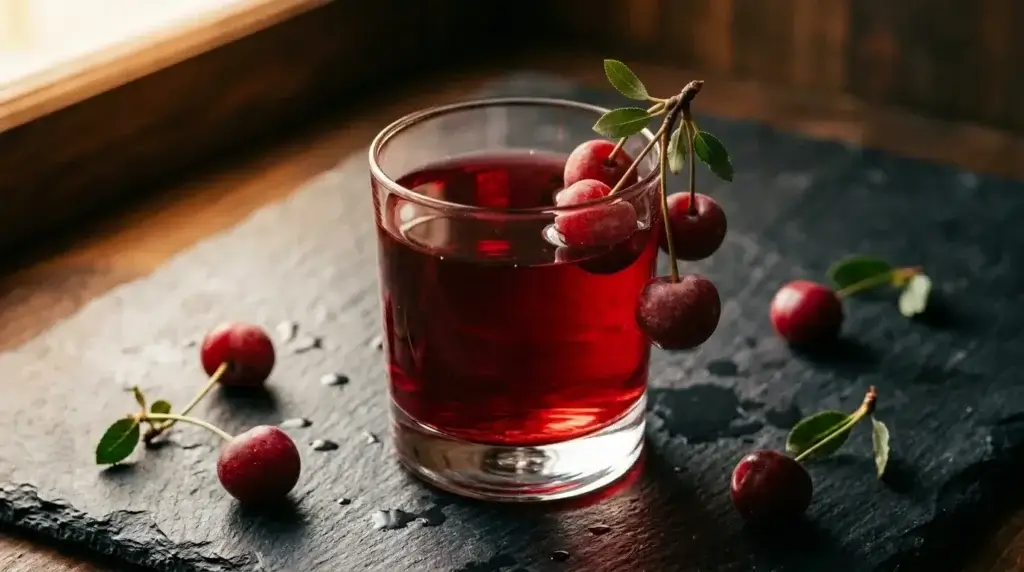
But it’s not just melatonin. Tart cherries also contain:
- Tryptophan — an amino acid and direct precursor to both serotonin and melatonin
- Anthocyanins — polyphenols that inhibit the breakdown of tryptophan, allowing more to convert to melatonin
- Procyanidins — anti-inflammatory compounds that reduce the oxidative stress linked to disrupted sleep
The research is solid. Multiple randomized controlled trials have confirmed measurable improvements in sleep metrics. One trial found participants gained an average of 84 extra minutes of sleep per night after two weeks of daily tart cherry juice. A study published in the European Journal of Nutrition showed that adults who consumed tart cherry juice concentrate twice daily experienced increased total sleep time and sleep efficiency.
How to use it:
- Dose: 240ml (8oz) of 100% pure tart cherry juice, or 30ml of concentrate diluted in water
- Timing: 30–60 minutes before bed
- Key: Buy 100% pure tart cherry juice — not a cherry cocktail or blend with added sugar. The sugar will partially undo the benefit.
- Best pairing: Mix with sparkling water and a pinch of magnesium powder for the viral “Sleepy Girl Mocktail” (more on this below)
Caution: Tart cherry juice is relatively high in natural sugars (~16g per 240ml). If you’re managing blood sugar or following a low-carb diet, use a small glass (120ml) or the concentrate form.
2. Magnesium Drink — The Nervous System Reset
Magnesium is involved in over 300 biochemical reactions in the body, and sleep regulation is one of its most important roles. It activates the parasympathetic nervous system, regulates GABA (the main inhibitory neurotransmitter that quiets brain activity), and controls the release of melatonin.
Magnesium deficiency is extremely common — estimates suggest 50–80% of Western adults don’t get enough — and it’s strongly linked to insomnia, restless sleep, and nighttime muscle cramps.
A magnesium drink is one of the most effective and underrated additions to an evening routine.
Which form of magnesium matters:
- Magnesium glycinate — best for sleep. Highly bioavailable, gentle on digestion, proven to promote relaxation. This is the gold standard.
- Magnesium citrate — good absorption, but can cause loose stools at higher doses. Fine for occasional use.
- Magnesium oxide — cheap and widely sold but poorly absorbed. Avoid for sleep purposes.
- Magnesium threonate — crosses the blood-brain barrier, good for cognitive benefits but more expensive.
For sleep, glycinate is your default.
How to make a simple magnesium sleep drink:
- Add 200–300mg magnesium glycinate powder to a glass
- Mix with 200ml warm water (or sparkling water if you prefer cold)
- Add a squeeze of lemon or a few drops of liquid stevia for taste
- Drink 30–60 minutes before bed
Many people use pre-formulated products like Natural Vitality Calm (magnesium citrate) or Moon Juice Magnesi-Om. These work — just check the magnesium form on the label.
3. The Sleepy Girl Mocktail — Tart Cherry + Magnesium Combined
This TikTok-viral recipe earned its moment because the combination genuinely works. The synergy between tart cherry juice and magnesium addresses two different but complementary sleep mechanisms: melatonin production and nervous system relaxation.

Classic Sleepy Girl Mocktail recipe:
- 120ml pure tart cherry juice
- 200–300mg magnesium glycinate powder
- 150ml sparkling water (or prebiotic soda)
- Optional: a few drops of stevia, squeeze of lemon, ice
Method: Mix the magnesium powder into the tart cherry juice first until dissolved. Pour into a glass over ice, top with sparkling water, stir gently.
Timing: 30–60 minutes before bed.
Registered dietitian Samantha Cassetty confirms: there’s good evidence that tart cherry juice can improve sleep duration and quality, and magnesium may promote physical and mental relaxation that helps with sleep onset.
Note on the prebiotic soda version: The original recipe used OLIPOP. Sparkling water works just as well and avoids any potential digestive sensitivity from the prebiotic soda before sleep. Use whichever sits better with your gut.
4. Chamomile Tea — The Classic That Actually Has Science Behind It
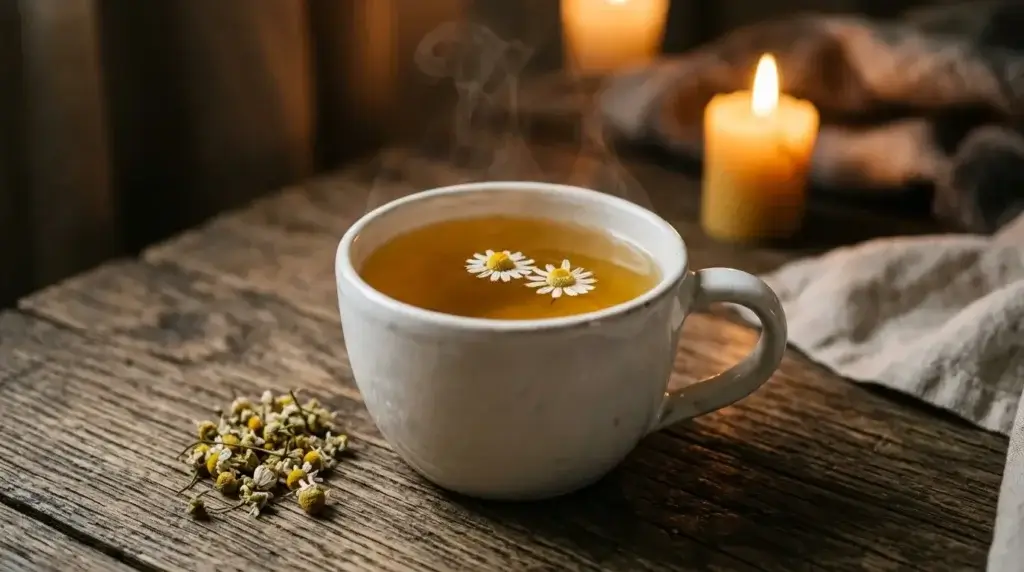
Chamomile is one of the oldest sleep remedies in the world — and one of the few herbal teas with actual clinical evidence backing its reputation.
The active compound is apigenin, a flavonoid that binds to GABA receptors in the brain — the same receptors targeted by benzodiazepines (anti-anxiety medications), just much more gently. Apigenin promotes relaxation without sedation, reducing the time it takes to fall asleep and improving sleep quality in people with mild insomnia.
A 2017 randomized controlled trial published in Phytomedicine found that postpartum women who drank chamomile tea for two weeks had significantly better sleep quality and less fatigue than the control group. A 2019 study in Sleep Medicine Reviews confirmed chamomile’s sleep-promoting effects in elderly patients.
How to get the most from chamomile:
- Use loose-leaf chamomile or high-quality bags — many supermarket bags contain mostly stems with little apigenin
- Steep for 5–10 minutes covered (covering the cup keeps the volatile oils in the tea, not evaporated into the air)
- Drink warm — the warmth itself contributes to the sleep transition by helping lower your core body temperature
- Combine with a small amount of honey for a mild blood-sugar stabilizing effect that reduces nighttime waking
Caution: Chamomile is a member of the ragweed family. People with ragweed allergies should approach it with caution and start with a small amount.
5. Ashwagandha Moon Milk — For Stress-Related Sleep Problems
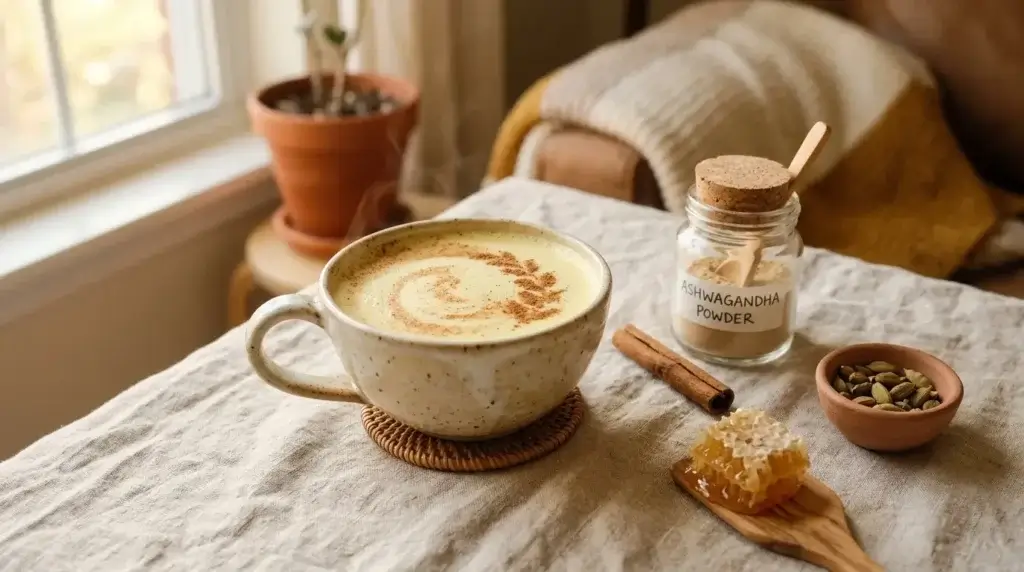
If your sleep issues stem from a racing mind, anxiety, or difficulty switching off from the day — ashwagandha is the ingredient you need.
Ashwagandha (Withania somnifera) is an Ayurvedic adaptogen with one of the strongest evidence bases in the functional supplement world. Its active compounds — withanolides — significantly reduce cortisol, the stress hormone that competes directly with melatonin for control of your sleep-wake cycle. When cortisol is elevated at night (which happens with chronic stress, late-night scrolling, or anxiety), melatonin production is suppressed and sleep quality suffers.
A 2019 randomized controlled trial in Medicine found that ashwagandha root extract significantly improved sleep quality, sleep latency (time to fall asleep), and morning alertness in healthy adults with a history of non-restorative sleep. Another 2021 study specifically in adults with insomnia confirmed similar benefits.
Ashwagandha moon milk recipe:
- 200ml warm oat milk or almond milk
- ½ tsp ashwagandha powder (or 1 capsule opened)
- ¼ tsp cinnamon
- Small pinch of cardamom
- ¼ tsp turmeric
- 1 tsp raw honey
- Optional: a few drops of vanilla extract
Whisk all ingredients together in warmed milk. Drink 45–60 minutes before bed.
The warm milk base adds tryptophan and the ritual warmth of a bedtime drink. The ashwagandha reduces cortisol. The cinnamon helps stabilize blood sugar through the night. Together it’s one of the most effective natural sleep drinks available.
(For more on adaptogenic drinks: adaptogenic drinks benefits)
6. Passionflower Tea — For Racing Thoughts and Nighttime Anxiety
Less well-known than chamomile but arguably more effective for anxiety-driven sleep problems, passionflower tea is the sleep herb that deserves more attention.
Like chamomile, passionflower works through the GABA system — specifically, it appears to inhibit the breakdown of GABA, keeping the brain’s “calm signal” active longer. Studies have shown significant improvements in sleep quality compared to placebo in adults with mild insomnia, with some research suggesting it works better than chamomile for people whose sleep problems are linked to anxiety or rumination.
A small but well-designed 2011 study in Phytotherapy Research found that one week of passionflower tea significantly improved subjective sleep quality — participants rated their sleep quality meaningfully higher than those who drank placebo tea.
How to use it:
- Steep 1–2 tsp dried passionflower in 240ml hot water for 10 minutes (covered)
- Drink 1 hour before bed for best effect
- Can be combined with chamomile in a 50:50 blend for a more comprehensive calming effect
7. Warm Golden Milk (Turmeric Milk) — Anti-Inflammatory Sleep Support
Golden milk — warm milk with turmeric, cinnamon, and ginger — is an Ayurvedic staple that’s finding modern scientific backing for sleep support, particularly for people whose sleep is disrupted by chronic inflammation, pain, or gut issues.
Curcumin, the active compound in turmeric, reduces systemic inflammation and oxidative stress — both of which fragment sleep and reduce slow-wave deep sleep. Research suggests that higher inflammatory markers correlate directly with poorer sleep quality and shorter sleep duration. By reducing inflammation, golden milk addresses one of the lesser-discussed root causes of poor sleep.
The warm milk base also provides tryptophan (the melatonin precursor), and the addition of black pepper activates curcumin absorption by up to 2000% — making the drink meaningfully more bioavailable than turmeric alone.
Basic golden milk recipe:
- 300ml warm oat milk (or full-fat dairy milk for higher tryptophan)
- 1 tsp turmeric powder
- ½ tsp cinnamon
- ¼ tsp ginger powder (or fresh grated)
- Pinch of black pepper (essential for curcumin absorption)
- 1 tsp raw honey or maple syrup
- Optional: small pinch of cardamom
Whisk together in warmed milk. Drink 30–60 minutes before bed.
What to Avoid Before Bed (Just as Important)
The drinks you don’t have matter as much as the ones you do.
Alcohol — the biggest sleep myth. Alcohol makes you drowsy, but it fragments sleep architecture, suppresses REM sleep, and causes more nighttime waking. Even 1–2 drinks significantly reduces sleep quality.
Caffeine after 2pm — caffeine has a half-life of 5–7 hours. A 3pm coffee still has half its caffeine in your system at 8–9pm. For sensitive people, even green tea after 4pm can delay sleep onset.
High-sugar drinks — blood sugar spikes trigger insulin responses that can cause blood sugar drops at 2–3am, waking you up. This includes fruit juice (without the fiber) and soft drinks.
Large quantities of anything — a full bladder at 3am is one of the most common and most preventable sleep disruptors. Finish your evening drink at least 90 minutes before your target sleep time.
Building Your Evening Drink Ritual
The most effective approach isn’t picking one drink — it’s building a consistent ritual that signals to your nervous system that sleep is coming.
A simple structure that works:
- 6:00–7:00pm — Last caffeinated drink of the day (if you drink coffee/matcha)
- 8:00–8:30pm — Tart cherry juice or Sleepy Girl Mocktail (melatonin precursors)
- 9:00–9:30pm — Chamomile or passionflower tea (GABA activation, nervous system shift)
- No more drinks after 9:30pm to avoid nighttime bathroom trips
On high-stress days, swap the tea for ashwagandha moon milk. On nights when inflammation or muscle soreness is an issue, golden milk is the better choice.
The ritual itself matters — same drink, same time, same quiet environment — because it creates a Pavlovian association between that drink and sleep onset. Your body starts preparing for sleep when you reach for the cup.
The Science Summary
| Drink | Key mechanism | Best for | Evidence level |
|---|---|---|---|
| Tart cherry juice | Natural melatonin + tryptophan | General sleep improvement | ★★★★★ Strong RCT evidence |
| Magnesium drink | GABA activation + nervous system calm | Restless sleep, muscle tension | ★★★★☆ Good clinical support |
| Sleepy Girl Mocktail | Tart cherry + magnesium combined | Fast, easy all-in-one | ★★★★☆ Synergistic |
| Chamomile tea | Apigenin binds GABA receptors | Mild insomnia, general relaxation | ★★★★☆ Multiple RCTs |
| Ashwagandha moon milk | Cortisol reduction | Stress-driven sleep problems | ★★★★☆ RCT-supported |
| Passionflower tea | GABA reuptake inhibition | Anxiety, racing thoughts | ★★★☆☆ Promising, limited trials |
| Golden milk | Anti-inflammatory, tryptophan | Inflammation-related poor sleep | ★★★☆☆ Emerging research |
The Verdict
Better sleep doesn’t require a prescription or an expensive supplement protocol. The drinks above work with your body’s existing biochemistry — supporting melatonin production, activating GABA, reducing cortisol, lowering inflammation — all through ingredients you can find at any health food store.
Start with tart cherry juice or the Sleepy Girl Mocktail tonight. If stress is your main sleep blocker, add ashwagandha moon milk. If you want a full evening ritual, finish with chamomile or passionflower tea.
Consistency over weeks matters more than perfection on any single night. Build the habit, and your sleep will follow.
More on evening wellness drinks: Warm Functional Drinks · Herbal Teas Guide · Best Time to Drink Herbal Tea · Functional Mocktail Recipes
Frequently Asked Questions
What is the best drink to help you fall asleep fast?
Tart cherry juice is the most evidence-backed option for faster sleep onset — it’s a natural source of melatonin and tryptophan, with multiple clinical trials confirming improvements in both sleep latency and total sleep time. For an anxiety-driven racing mind, chamomile or passionflower tea addresses the problem more directly through the GABA system.
Does the Sleepy Girl Mocktail actually work?
Yes, for many people. The combination of tart cherry juice (melatonin + tryptophan) and magnesium glycinate (GABA activation + nervous system calm) addresses two key sleep mechanisms simultaneously. Registered dietitians confirm there’s real science behind both ingredients. Results are best with 100% pure tart cherry juice and magnesium glycinate specifically — not all forms of magnesium work equally well for sleep.
How long before bed should I drink chamomile tea?
45–60 minutes before your target sleep time is ideal. Steep it covered for at least 5–10 minutes to preserve the apigenin content, and drink it warm rather than letting it cool down — the warmth itself signals the nervous system to begin the sleep transition.
Can I drink tart cherry juice every night?
Yes — the clinical studies showing sleep benefits used daily consumption over 2 weeks. It’s safe for regular use for most healthy adults. The main consideration is the natural sugar content (~16g per 240ml), so people managing blood sugar should use a smaller serving or the concentrate form.
What is the best magnesium for sleep in a drink?
Magnesium glycinate is the gold standard for sleep. It’s highly bioavailable, gentle on the digestive system, and well-studied for promoting relaxation and improving sleep quality. Avoid magnesium oxide (poorly absorbed) and be cautious with magnesium citrate in higher doses as it can cause loose stools.
Does warm milk actually help you sleep?
Yes — warm milk contains tryptophan, magnesium, and vitamins that support melatonin production. The warmth also has a calming physiological effect. The evidence isn’t as strong as tart cherry juice or magnesium drinks, but it’s a legitimate, gentle sleep aid — especially for people who respond well to warm drinks as part of a wind-down ritual.