
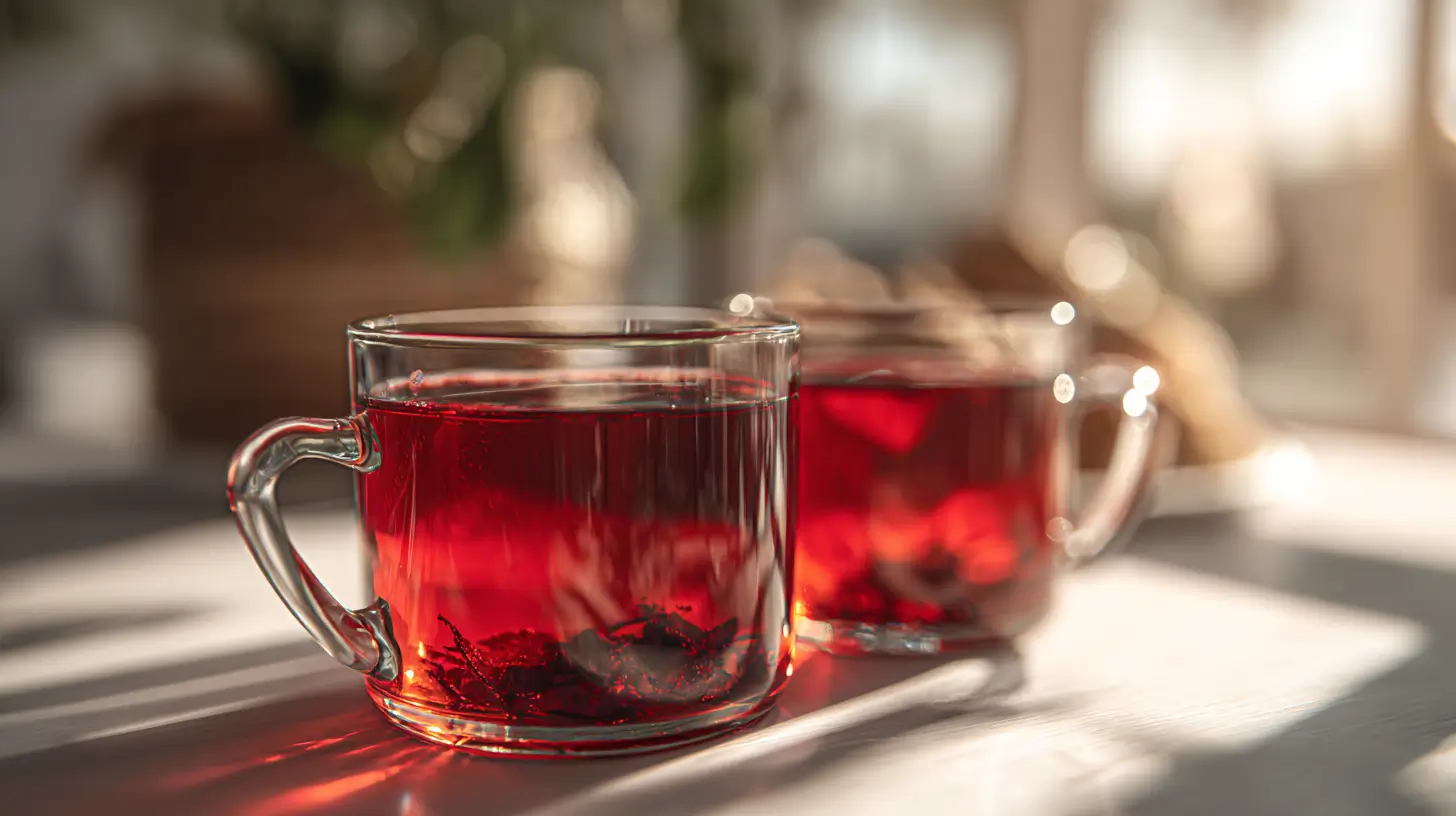
Updated February 2026
Many people enjoy hibiscus tea for its refreshing taste and potential health benefits. But one common question keeps coming up: what is the best time to drink hibiscus tea? Morning, afternoon, or before bed? The answer depends on your goals — whether you’re drinking it for hydration, blood pressure support, digestion, or relaxation.
Interestingly, the best time to drink hibiscus tea isn’t the same for everyone. While some people swear by a morning cup to kickstart hydration, others prefer sipping it in the evening to unwind. So instead of giving you a one-size-fits-all answer, we’ll break it down clearly and practically.
If you’re new to this herbal infusion, you might first want to learn more about hibiscus tea benefits so you understand why timing can actually matter.
In this guide, you’ll discover:
- Whether morning or night is better
- The best time to drink hibiscus tea for blood pressure
- If drinking it on an empty stomach is safe
- How many cups per day are recommended
Let’s start with the most common scenario — drinking hibiscus tea in the morning.
Is It Better to Drink Hibiscus Tea in the Morning?

For many people, morning feels like the most natural time to drink herbal tea. After all, your body has just gone several hours without fluids. But is morning truly the best time to drink hibiscus tea?
Well, it depends — but there are some solid advantages.
Morning Hydration and Replenishing Fluids
First of all, hydration matters. After 7–8 hours of sleep, your body wakes up slightly dehydrated. Therefore, starting your day with hibiscus tea can help replenish lost fluids.
Because hibiscus tea is naturally caffeine-free, it hydrates without the dehydrating effects associated with coffee. In fact, many people switch from coffee to herbal tea to improve their daily hydration routine.
If you’re unsure how herbal tea fits into your daily fluid intake, you can check out how much water daily to understand total hydration needs.
Additionally, hibiscus tea contains antioxidants that may support overall wellness. So while you’re hydrating, you’re also adding plant compounds that can benefit your body.
It can also be part of a simple hydration routine, similar to the ideas shared in our guide to a morning hydration drink.
A Caffeine-Free Alternative to Coffee
Another reason morning might be the best time to drink hibiscus tea is caffeine sensitivity.
Unlike black or green tea, hibiscus tea contains zero caffeine. Therefore, it won’t spike your cortisol levels or trigger jitters. For people trying to reduce caffeine intake, this can be a game-changer.
That said, if you rely heavily on caffeine for energy, hibiscus tea won’t give you that same stimulant effect. Instead, it provides gentle refreshment without the crash.
So, if your goal is:
- Lower caffeine intake
- A calmer start to the day
- Better hydration
Then morning could indeed be the best time to drink hibiscus tea for you.
Mild Diuretic Effect — Is It a Concern?
Now here’s something important.
Hibiscus tea has mild diuretic properties. In simple terms, it may increase urination slightly. While this isn’t a problem for most people, drinking a large amount first thing in the morning might send you to the bathroom more often.
However, moderate intake — one cup — usually doesn’t cause issues. In fact, for some people, this gentle diuretic effect supports their natural detox rhythm.
Still, balance matters. Drinking excessive amounts early in the day may not be ideal if you have a long commute or limited bathroom access.
Should You Drink Hibiscus Tea Before Breakfast?
This is where opinions differ.
Some people enjoy hibiscus tea on an empty stomach because it feels light and refreshing. Others may experience mild stomach sensitivity due to its natural acidity.
If you have a sensitive stomach, you might prefer drinking it after a small snack. On the other hand, if your digestion is strong, morning consumption before breakfast is usually well tolerated.
Here’s a quick overview:
| Goal | Morning Before Breakfast? |
|---|---|
| Hydration | Yes, great option |
| Blood pressure support | Yes, consistency matters |
| Sensitive stomach | Better after food |
| Detox routine | Often preferred |
So, is morning the best time to drink hibiscus tea?
For hydration and caffeine-free refreshment — absolutely.
For relaxation — maybe not.
For blood pressure support — timing matters less than consistency (we’ll cover that next).
Can You Drink Hibiscus Tea at Night?
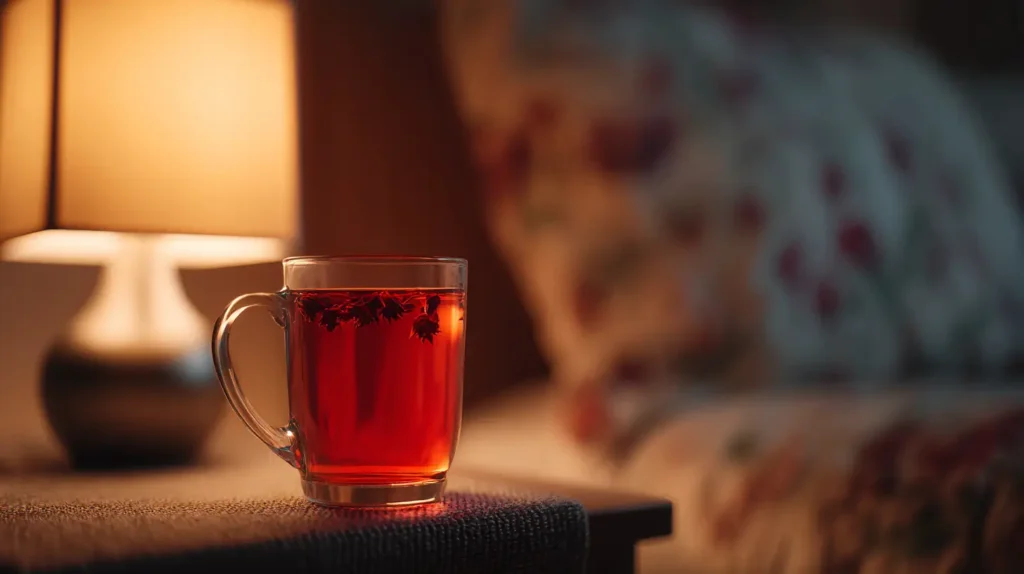
If morning works well for hydration, you might be wondering whether evening could be the best time to drink hibiscus tea for relaxation or blood pressure support. And honestly? For many people, nighttime is actually ideal.
However, as always, your goal makes the difference.
Is Hibiscus Tea Really Caffeine-Free?
First things first — yes, hibiscus tea is completely caffeine-free.
That means you can drink it at night without worrying about staying awake. Unlike black or green tea, hibiscus won’t stimulate your nervous system. Instead, it provides a calm, tart, refreshing flavor without the buzz.
Because of this, many people include it in their evening herbal routine. In fact, if you enjoy experimenting with herbal infusions, you might also want to discover great ideas like cold brew herbal tea recipes for lighter evening options.
So from a caffeine perspective, yes — nighttime works perfectly.
Relaxing Properties and Evening Rituals
While hibiscus tea isn’t technically a sedative, it does promote relaxation indirectly.
Here’s why:
- It’s warm and soothing (if served hot)
- It supports hydration
- It may help lower blood pressure
- It becomes part of a calming ritual
And let’s be honest — sometimes it’s the ritual that relaxes you, not just the drink itself.
Many people replace sugary desserts or late-night snacks with a cup of hibiscus tea. As a result, they sleep lighter and wake up feeling less bloated.
However, if you’re highly sensitive to liquids before bed, drinking a full cup too late might interrupt sleep due to bathroom trips. Therefore, timing within the evening matters.
Nighttime Blood Pressure Support
Now we’re getting into one of the most important reasons people search for the best time to drink hibiscus tea: blood pressure.
Research suggests hibiscus tea may support healthy blood pressure levels when consumed regularly. Because blood pressure naturally fluctuates throughout the day, some people prefer drinking it in the evening when levels tend to rise.
That said, the most important factor isn’t morning versus night.
It’s consistency.
If you drink hibiscus tea daily — at roughly the same time — your body adapts better. Therefore, choosing a time you can stick to is more powerful than obsessing over the “perfect” hour.
We’ll break this down more deeply in the next section.
When to Avoid Drinking Hibiscus Tea Before Bed
Even though hibiscus tea is caffeine-free, it’s not perfect for everyone at night.
You may want to avoid late-night consumption if:
- You wake easily during the night
- You’re sensitive to its mild diuretic effect
- You experience slight stomach acidity
In those cases, drinking it earlier in the evening — perhaps 2–3 hours before sleep — may work better.
Additionally, some people prefer drinking it warm at night rather than iced. If you’re unsure which suits you better, you can check out hibiscus tea hot or cold to compare preparation styles.
Quick Comparison: Morning vs Night
| Goal | Morning | Night |
|---|---|---|
| Hydration | Excellent | Good |
| Caffeine replacement | Excellent | Not relevant |
| Relaxation | Mild | Better |
| Blood pressure | Good | Good |
| Sensitive stomach | Maybe | Usually better |
So, is night the best time to drink hibiscus tea?
For relaxation and routine — often yes.
For hydration — morning wins.
For blood pressure — consistency beats timing.
Best Time to Drink Hibiscus Tea for Blood Pressure: What the Clinical Data Says
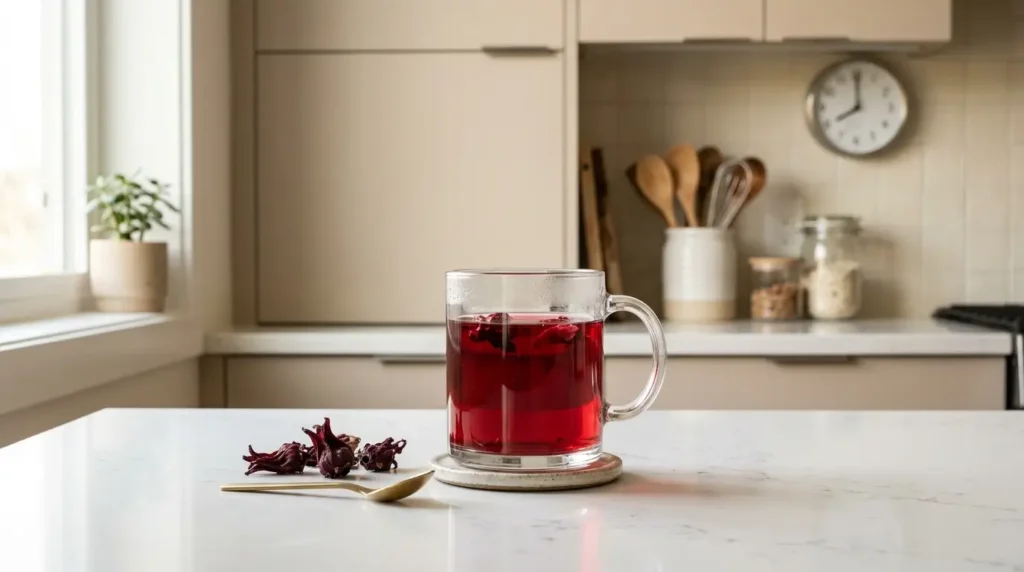
When people search for the best time to drink hibiscus tea, blood pressure is usually the main reason. In fact, hibiscus tea is widely known for its potential heart-supporting properties.
But here’s the big question:
Is it better to drink it in the morning or in the evening for blood pressure?
Let’s break it down clearly.
How Hibiscus Tea Supports Healthy Blood Pressure
Hibiscus tea contains natural plant compounds called anthocyanins and antioxidants. These compounds may help relax blood vessels and support normal circulation.
As a result, regular consumption may contribute to maintaining healthy blood pressure levels — especially when combined with:
- A balanced diet
- Proper hydration
- Regular exercise
- Reduced sodium intake
However, timing alone doesn’t create the benefit. Instead, daily consistency plays a much larger role.
That’s why understanding the best time to drink hibiscus tea for blood pressure requires looking at your lifestyle, not just the clock.
Morning vs Evening — What Works Best?
Now let’s compare both options from a practical standpoint.
Morning for Blood Pressure
Drinking hibiscus tea in the morning may:
- Support hydration after sleep
- Start your day with heart-friendly antioxidants
- Help establish a daily routine
Some people prefer this because it feels proactive — like setting the tone for the day.
Evening for Blood Pressure
On the other hand, drinking hibiscus tea at night may:
- Support natural blood pressure fluctuations
- Promote relaxation
- Fit easily into a calming routine
Because blood pressure can rise in the late afternoon and evening for some individuals, nighttime consumption feels logical.
But here’s the key insight:
There is no universally “perfect” hour.
Why Consistency Matters More Than Timing
If you remember only one thing from this article, let it be this:
The best time to drink hibiscus tea for blood pressure is the time you can repeat daily.
That’s it.
Whether you choose morning or night, the real benefit comes from consistent intake over weeks — not from switching times constantly.
For example:
| Scenario | Better Choice |
|---|---|
| You already drink tea in the morning | Morning |
| You want a calming evening ritual | Night |
| You forget in the morning | Night |
| You wake at night easily | Morning |
Therefore, instead of chasing perfection, focus on habit.
How Long Before You See Results?
Now, another common question is how quickly hibiscus tea works.
While individual results vary, many people report noticeable effects after consistent use for several weeks. However, it’s important to:
- Drink 1–2 cups daily
- Maintain a healthy lifestyle
- Avoid excessive sodium
- Consult a healthcare provider if taking blood pressure medication
Hibiscus tea may support healthy blood pressure, but it is not a replacement for prescribed treatment.
Quick Summary for Blood Pressure Support
If your main goal is heart health, then:
- Choose a time you can stick with
- Drink it daily
- Avoid overthinking exact timing
- Monitor how your body responds
So again, what is the best time to drink hibiscus tea for blood pressure?
Morning works.
Evening works.
Consistency works better than both.
Based on this evidence, the most effective approach for blood pressure is:
Cup 1: Morning, after breakfast (7:00–9:00 AM) Morning blood pressure follows a natural pattern — it rises sharply after waking (the “morning surge”), peaks in mid-morning, then gradually declines. Drinking hibiscus tea after breakfast — rather than on an empty stomach — buffers the acidity and ensures the active compounds enter your system during the period of highest cardiovascular activity.
Cup 2: Early afternoon or before dinner (2:00–6:00 PM) Blood pressure rises again in the late afternoon for many people. A second cup of hibiscus tea during this window maintains the sustained presence of anthocyanins and ACE-inhibiting compounds in the bloodstream throughout the day.
What does NOT work: Drinking both cups back-to-back in the morning and then nothing for the rest of the day. The compounds metabolize over several hours — spacing them out maintains more consistent blood levels and more consistent cardiovascular benefit.
For people currently on antihypertensive medication, the timing interaction matters more — see our full guide on hibiscus tea and blood pressure before adding hibiscus tea to a medicated routine.
Best Time to Drink Hibiscus Tea for Optimal Results
[IMAGE 1 — best-time-drink-hibiscus-tea-optimal-results-hero.jpg]
“Optimal results” means different things for different people — but when it comes to hibiscus tea, there is a clear hierarchy of timing that applies across most health goals.
The best time to drink hibiscus tea for optimal results is 20–30 minutes before your largest meal of the day, combined with one additional cup in the morning after breakfast. Here is why this combination works better than any single timing:
Before your main meal: Hibiscus contains compounds that inhibit alpha-amylase — an enzyme that breaks down dietary carbohydrates into sugar. Drinking hibiscus tea 20–30 minutes before a meal gives these compounds time to reach the digestive tract before food arrives, slowing the absorption of carbohydrates and reducing post-meal blood sugar spikes. This is the most targeted timing for metabolic and weight management benefits.
Morning after breakfast: This is the consistency anchor. Drinking hibiscus tea at the same time every morning trains your body to expect it, making it far easier to maintain the daily habit that clinical research requires for measurable blood pressure and antioxidant benefits.
Optimal Timing by Hour
| Time of Day | Best For | Notes |
|---|---|---|
| 7:00–8:00 AM (after breakfast) | Hydration, daily consistency | Never on empty stomach |
| 20–30 min before lunch | Weight management, blood sugar | Cold brew preferred |
| 2:00–4:00 PM | Antioxidant top-up, hydration | Hot or cold, either works |
| 6:00–7:00 PM (before dinner) | Blood pressure, metabolism | At least 2–3h before bed |
| Right before bed | ❌ Avoid | Diuretic effect disrupts sleep |
Best Time to Drink Hibiscus Tea for Weight Loss
[IMAGE 3 — best-time-hibiscus-tea-weight-loss-before-meal.jpg]
Hibiscus tea supports weight management through two distinct mechanisms — and the optimal timing is different for each:
For amylase inhibition (slowing carb absorption): Drink hibiscus tea 20–30 minutes before a carbohydrate-heavy meal. This gives the alpha-amylase inhibiting compounds in hibiscus time to reach the small intestine before dietary starches arrive, reducing the rate at which carbohydrates are converted into glucose. The effect is modest but consistent — particularly useful for people managing post-meal blood sugar spikes.
For appetite and craving management: Drink a cold, unsweetened hibiscus tea 10–15 minutes before a meal. The natural tartness and volume of a cold drink before eating reduces pre-meal hunger and may lower total caloric intake at that meal. Cold brew at pH 3.0–3.5 is gentler on the stomach than hot brew when consumed before eating.
What to avoid for weight management: Drinking sweetened hibiscus tea — even with “natural” sweeteners — adds calories that undercut the metabolic benefit. For weight-related goals, drink hibiscus tea plain or with a very small amount of raw honey at most.
Your Complete Daily Hibiscus Tea Schedule
[IMAGE 4 — hibiscus-tea-daily-schedule-morning-evening.jpg]
If you want to cover the most health goals with the least complexity, here is the simplest evidence-aligned daily routine:
Morning (after breakfast, 7:00–9:00 AM): 1 cup of standard-strength hibiscus tea — hot or cold, with or without a small amount of honey. This is your consistency anchor. Same time every day builds the habit that makes all other benefits accessible.
Pre-lunch or afternoon (12:00–2:00 PM): 1 cup of cold brew hibiscus tea 20–30 minutes before lunch, or alongside your afternoon hydration. Cold brew at this time maximizes the metabolic and blood pressure benefit of the second daily serving.
Evening — optional: If you have a third goal (relaxation, sleep quality), a very mild cup of hibiscus tea 2–3 hours before bed can contribute. Keep it weak, keep it small (6 oz maximum), and do not drink it within 90 minutes of lying down.
The internal links to deepen your timing knowledge:
- For the full blood pressure timing guide: hibiscus tea and blood pressure
- For preparation method impact on timing: hibiscus tea hot or cold
- For kidney and dosage safety: hibiscus tea and kidneys
- For daily safe dose: how much hibiscus tea per day
Should You Drink Hibiscus Tea on an Empty Stomach?
Another common question people ask when searching for the best time to drink hibiscus tea is whether it’s safe to drink it on an empty stomach.
The short answer?
For most people, yes — but it depends on your sensitivity.
Let’s break it down.
Is Hibiscus Tea Safe First Thing in the Morning?
Many people enjoy drinking hibiscus tea first thing in the morning. After all, it’s light, refreshing, and caffeine-free.
Because your body wakes up slightly dehydrated, a cup of herbal tea can feel revitalizing. In that sense, drinking it on an empty stomach may actually support your hydration routine.
However, hibiscus tea has a naturally tart, slightly acidic profile. While this acidity isn’t harmful for most individuals, it may feel strong if your stomach is sensitive.
Therefore, if you’ve ever experienced mild stomach discomfort with acidic drinks like lemon water or black coffee, you may want to proceed cautiously.
Possible Effects on Digestion
Interestingly, some people report improved digestion when drinking hibiscus tea before breakfast. Others, however, notice mild stomach rumbling or acidity.
Why the difference?
It usually comes down to:
- Personal digestive sensitivity
- How strong the tea is brewed
- How much you drink
- Your overall diet
If brewed very strong, hibiscus tea can feel more acidic. So if you’re experimenting with the best time to drink hibiscus tea, start with a mild infusion and see how your body reacts.
In moderate amounts — one cup — most healthy adults tolerate it well.
If you have a sensitive stomach, you may also want to understand whether hibiscus tea is acidic or alkaline.
Who Should Avoid Drinking It on an Empty Stomach?
While hibiscus tea is generally safe, certain people should be more careful, especially on an empty stomach:
- Those prone to acid reflux
- People with very sensitive digestion
- Individuals taking blood pressure medication
- Anyone advised by a healthcare provider to monitor herbal intake
Additionally, if you already consume multiple acidic beverages daily, adding strong hibiscus tea first thing in the morning may not feel ideal.
Best Practice for Sensitive Stomachs
If you’re unsure whether drinking hibiscus tea on an empty stomach works for you, try this simple approach:
- Start with a weaker brew.
- Drink half a cup first.
- Wait 15–20 minutes.
- Eat a light breakfast if needed.
This gradual method allows you to test tolerance safely.
Alternatively, you can simply enjoy your hibiscus tea after breakfast. For many people, that slight buffer of food eliminates any discomfort.
Quick Guide: Empty Stomach or With Food?
| Situation | Recommendation |
|---|---|
| Strong digestion | Empty stomach is usually fine |
| Sensitive stomach | Drink after food |
| Acid reflux tendency | Avoid on empty stomach |
| Testing tolerance | Start mild |
So, is drinking hibiscus tea on an empty stomach the best time to drink hibiscus tea?
It can be — especially for hydration.
However, comfort should always guide your decision.
How Many Cups of Hibiscus Tea Per Day?
When deciding on the best time to drink hibiscus tea, another important factor comes into play: quantity. After all, timing matters — but so does how much you drink.
So, how many cups per day is ideal?
Recommended Daily Intake
For most healthy adults, 1 to 2 cups per day is commonly considered moderate and safe.
This amount is typically enough to:
- Support hydration
- Provide antioxidants
- Potentially assist with blood pressure support
- Fit comfortably into a daily routine
However, more isn’t always better. While hibiscus tea is natural, it still has active plant compounds. Therefore, drinking excessive amounts may increase its mild diuretic or blood-pressure-lowering effects.
If your goal is to determine the best time to drink hibiscus tea, start by keeping your intake consistent before increasing volume.
Can You Drink Hibiscus Tea Every Day?
Yes, many people drink hibiscus tea daily without issue.
In fact, consistency is often more important than occasional high intake. If you’re using it for heart support, daily moderate consumption is usually more beneficial than drinking large amounts sporadically.
That said, daily use should still be mindful. If you’re also monitoring hydration, it helps to understand your total fluid needs. You can learn more about how much water daily to balance herbal tea with regular water intake.
The key takeaway? Hibiscus tea can be part of your everyday wellness routine — just don’t overdo it.
Signs You May Be Drinking Too Much
Even though hibiscus tea is generally safe, drinking excessive amounts could lead to:
- Frequent urination
- Mild dizziness (especially if blood pressure drops too low)
- Stomach discomfort
- Increased acidity
If you notice these symptoms, consider reducing intake or switching the timing.
For example, if drinking two cups at night disrupts your sleep, you might shift one cup earlier in the day. Remember, the best time to drink hibiscus tea is the time that supports your comfort and routine.
When to Talk to a Healthcare Provider
You should consult a healthcare provider if:
- You take blood pressure medication
- You are pregnant or breastfeeding
- You have underlying health conditions
- You plan to drink more than 2–3 cups daily
Herbal teas are natural, but they still interact with the body.
Quick Intake Guide
| Goal | Suggested Intake |
|---|---|
| General wellness | 1 cup daily |
| Blood pressure support | 1–2 cups daily |
| Relaxation routine | 1 cup in evening |
| Sensitive stomach | 1 mild cup after food |
So, how many cups help determine the best time to drink hibiscus tea?
Start with one cup daily. Then, observe how you feel. Adjust timing before increasing quantity.
Factors That Influence the Best Time to Drink Hibiscus Tea
By now, you’ve probably realized something important: the best time to drink hibiscus tea isn’t universal. Instead, it depends on your goals, body, and daily rhythm.
So rather than asking “morning or night?” in isolation, let’s look at the real decision factors.
Your Health Goals (Hydration, Relaxation, Blood Pressure)
First and foremost, your goal determines timing.
If your priority is hydration, morning makes sense. After sleep, your body needs fluids, and hibiscus tea offers a refreshing, caffeine-free way to replenish them.
If your goal is relaxation, evening often works better. A warm cup can become part of a calming nighttime routine.
If you’re focused on blood pressure support, consistency matters more than specific timing. Morning or evening both work — as long as you stick with it daily.
Interestingly, many people start drinking hibiscus tea because of its wide-ranging benefits. If you haven’t explored them fully yet, you can learn more about hibiscus tea benefits to understand how timing aligns with your goals.
Your Sensitivity to Herbal Teas
Next, consider how your body reacts.
Some people tolerate herbal teas very well on an empty stomach. Others experience mild acidity. Additionally, hibiscus has a gentle diuretic effect, which may influence when you prefer to drink it.
For example:
- If you wake easily at night, avoid drinking it right before bed.
- If you’re prone to reflux, avoid very strong morning brews.
- If you feel energized by tart flavors, morning might feel better.
Listening to your body is more powerful than following rigid timing rules.
Your Daily Routine and Lifestyle
Let’s be honest — the best routine is the one you’ll actually follow.
If mornings are rushed, you might forget your tea. In that case, evening becomes the best time to drink hibiscus tea simply because it fits your schedule.
On the other hand, if evenings are unpredictable, morning may provide more structure.
Here’s a simple lifestyle comparison:
| Lifestyle Type | Best Timing |
|---|---|
| Busy mornings | Evening |
| Busy evenings | Morning |
| Work-from-home | Flexible |
| Early sleeper | Morning |
| Night owl | Early evening |
Practicality always wins over theory.
Seasonal Differences (Hot vs Cold Consumption)
Interestingly, the time of year can influence timing too.
During summer, many people prefer iced hibiscus tea in the afternoon. It feels refreshing and hydrating. In contrast, winter months often call for a warm cup in the evening.
If you’re unsure whether hot or cold affects benefits, you can check out hibiscus tea hot or cold to compare preparation methods.
Cold brew options, in particular, are becoming popular for daytime hydration. Meanwhile, hot preparations feel more soothing at night.
Putting It All Together
At this point, the pattern is clear:
- There is no single best time to drink hibiscus tea for everyone.
- Morning supports hydration.
- Evening supports relaxation.
- Blood pressure support depends more on daily consistency.
- Personal tolerance matters.
Instead of chasing perfection, focus on habit.
Frequently Asked Questions
What Is the Best Time of Day to Drink Hibiscus Tea?
The best time to drink hibiscus tea depends on your goal.
If you’re drinking it for hydration, morning is often ideal because your body needs fluids after sleep. On the other hand, if you want relaxation or part of a calming routine, evening may work better.
For blood pressure support, consistency matters more than whether you drink it in the morning or at night. Choose a time you can maintain daily.
Can I Drink Hibiscus Tea Before Bed?
Yes, you can drink hibiscus tea before bed because it is naturally caffeine-free.
In fact, many people enjoy it as a relaxing nighttime beverage. However, since it has a mild diuretic effect, drinking a large cup right before sleeping may cause nighttime bathroom trips.
To avoid that, try having it 1–2 hours before bed instead of immediately before lying down.
Should Hibiscus Tea Be Taken Daily?
Many people drink hibiscus tea daily in moderate amounts — typically 1 to 2 cups.
Daily consumption may help support hydration and heart health when combined with a balanced lifestyle. However, if you take medication for blood pressure or have specific medical conditions, it’s best to consult a healthcare provider before making it a daily habit.
Moderation and consistency are key.
Is Hibiscus Tea Better in the Morning or at Night for Blood Pressure?
There is no universally superior time.
Some people prefer morning because it helps establish a routine. Others prefer evening, especially if they associate it with relaxation.
Research and practical experience suggest that consistency matters more than exact timing. Therefore, the best time to drink hibiscus tea for blood pressure is simply the time you can stick with every day.
What is the best time to drink hibiscus tea for optimal results?
The best time to drink hibiscus tea for optimal results is after breakfast (for consistency and blood pressure support) and 20–30 minutes before your main meal (for metabolic and weight management benefits). This two-cup daily schedule covers the most health goals simultaneously.
What is the best time to drink hibiscus tea for weight loss?
For weight loss, drink hibiscus tea 20–30 minutes before your largest meal. This timing allows hibiscus’s amylase-inhibiting compounds to slow carbohydrate absorption before food arrives. Use cold brew, unsweetened, for maximum metabolic benefit with minimum caloric impact.
Can I drink hibiscus tea at night?
Yes — hibiscus tea is caffeine-free and suitable at night. However, drink it at least 2 hours before lying down due to its mild diuretic effect. Keep the nighttime cup small (6 oz) and weakly brewed to minimize any sleep disruption from acidity or fluid volume.
What is the best time to drink hibiscus tea for blood pressure?
For blood pressure, the most effective schedule is one cup after breakfast and one cup in the early afternoon or before dinner. This spacing maintains consistent levels of active compounds throughout the day, mirroring the protocol used in clinical trials showing 7–13 mmHg systolic reduction.
Final Answer: When Is the Best Time to Drink Hibiscus Tea?
After everything we’ve covered, you might notice something reassuring: there isn’t just one “perfect” answer.
The best time to drink hibiscus tea depends on your goal, your body, and your daily routine. However, we can simplify it.
Quick Summary Based on Your Goal
- For hydration: Morning works best. Your body needs fluids after sleep, and hibiscus tea provides a refreshing, caffeine-free start.
- For relaxation: Evening is ideal. A warm cup can become part of a calming routine.
- For blood pressure support: Consistency matters more than morning or night.
- For sensitive stomachs: Drink it after food rather than on an empty stomach.
- For daily wellness: One to two cups at a consistent time is typically enough.
So instead of asking, “Is morning or night better?” ask yourself, “What am I drinking it for?”
That small shift makes the answer much clearer.
Simple Timing Recommendation Table
| Your Goal | Best Timing |
|---|---|
| Hydration boost | Morning |
| Caffeine replacement | Morning |
| Relaxation | Evening |
| Blood pressure support | Morning or Evening (consistent daily) |
| Sensitive digestion | After meals |
As you can see, flexibility exists. Therefore, the smartest approach is choosing a time that feels natural and sustainable.
Final Practical Advice
If you’re just starting out, here’s an easy plan:
- Begin with one cup per day.
- Choose either morning or early evening.
- Keep the timing consistent for at least 2–3 weeks.
- Monitor how you feel.
- Adjust only if needed.
Overthinking timing often creates unnecessary confusion. Instead, build a habit you enjoy.
Ultimately, the best time to drink hibiscus tea is the time that supports your health goals and fits seamlessly into your life.