
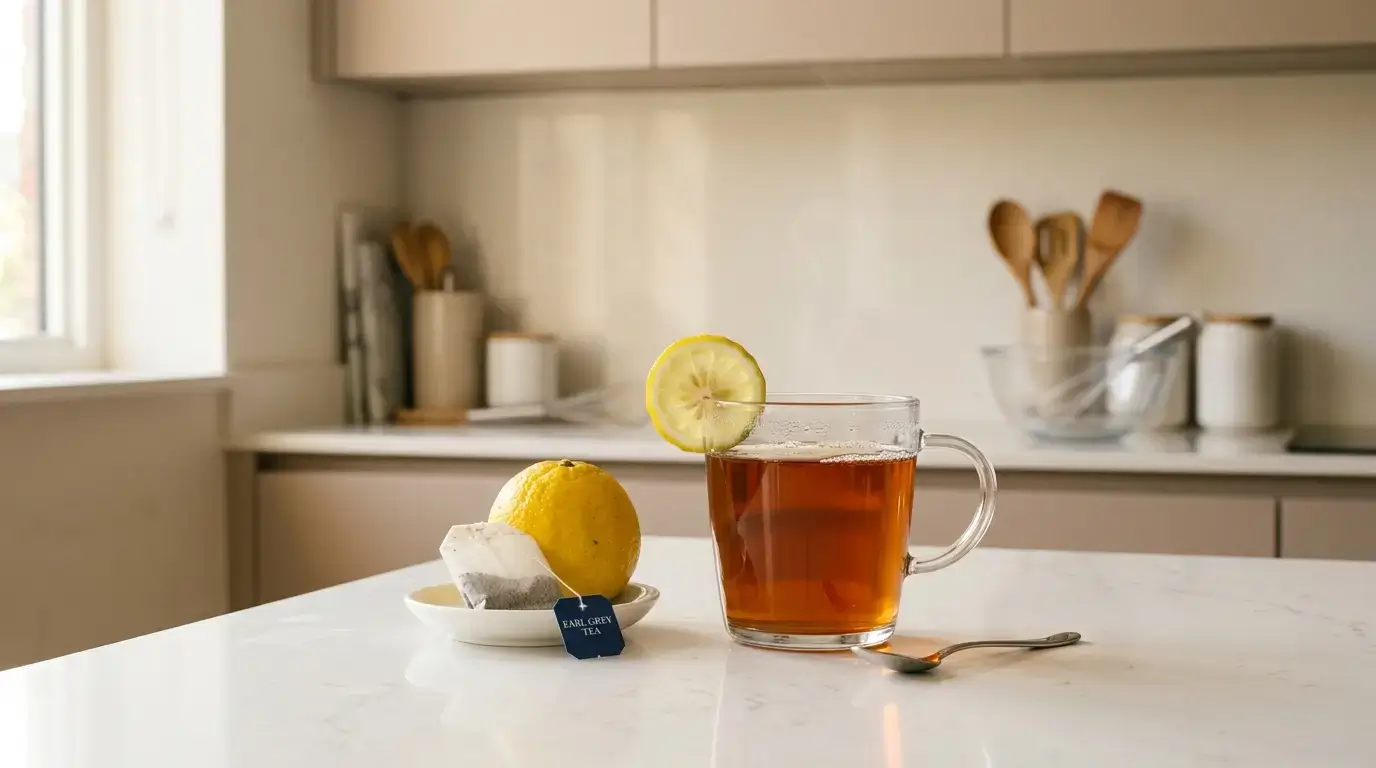
Earl grey tea benefits come from two entirely distinct sources — and most people only know about one of them. The black tea base provides caffeine, L-theanine, and antioxidant polyphenols. The bergamot oil provides an entirely separate set of compounds — primarily linalool, limonene, and bergapten — with documented effects on mood, digestion, and antimicrobial activity. Understanding both layers is what makes earl grey more than just a flavored black tea. This guide covers what each component does, what the science shows, how much caffeine is in earl grey, and how it compares to other teas for different health goals.
What Is Earl Grey Tea?
Earl grey is black tea flavored with bergamot oil — the essential oil extracted from the rind of Citrus bergamia, a small, fragrant citrus fruit grown primarily in the Calabria region of southern Italy. The oil gives earl grey its distinctive floral, citrusy aroma that makes it one of the world’s most recognized teas.
The origin is traditionally attributed to Charles Grey, the 2nd Earl Grey and British Prime Minister in the 1830s, though the historical details are disputed. What is not disputed is that earl grey has been the world’s most popular flavored tea for nearly two centuries.
What makes bergamot unique: Citrus bergamia is not eaten as a fruit — its flesh is too sour. The fruit exists almost entirely for its essential oil, which has a flavor profile distinct from lemon, lime, or orange — more floral, more aromatic, and with a distinctive bitter-sweet complexity that transforms black tea into something unmistakable.
The Two Active Layers of Earl Grey Tea
Layer 1: Black Tea — Caffeine + L-Theanine + Polyphenols
Earl grey is built on a black tea base — typically Assam, Ceylon, or a Chinese black tea. This base delivers:
Caffeine (40–70mg per cup): Moderate stimulation — less than coffee (95–200mg) but more than green tea (25–45mg). The caffeine in black tea produces mental alertness and physical energy.
L-Theanine: An amino acid found in Camellia sinensis that promotes calm focus by increasing alpha brain waves and GABA activity. L-theanine combined with caffeine produces the characteristic tea effect — alert but not jittery, focused but not anxious. This is the same mechanism that makes green tea’s caffeine feel smoother than coffee’s.
Theaflavins and thearubigins: Black tea’s unique antioxidant polyphenols, formed during the oxidation process that converts green tea into black tea. These compounds have documented cardiovascular benefits — reducing LDL cholesterol oxidation and supporting arterial health.
Fluoride: Black tea is one of the highest natural dietary sources of fluoride, which supports tooth enamel strength and reduces cavity risk.
Layer 2: Bergamot Oil — Mood, Digestion, and Antimicrobial Activity
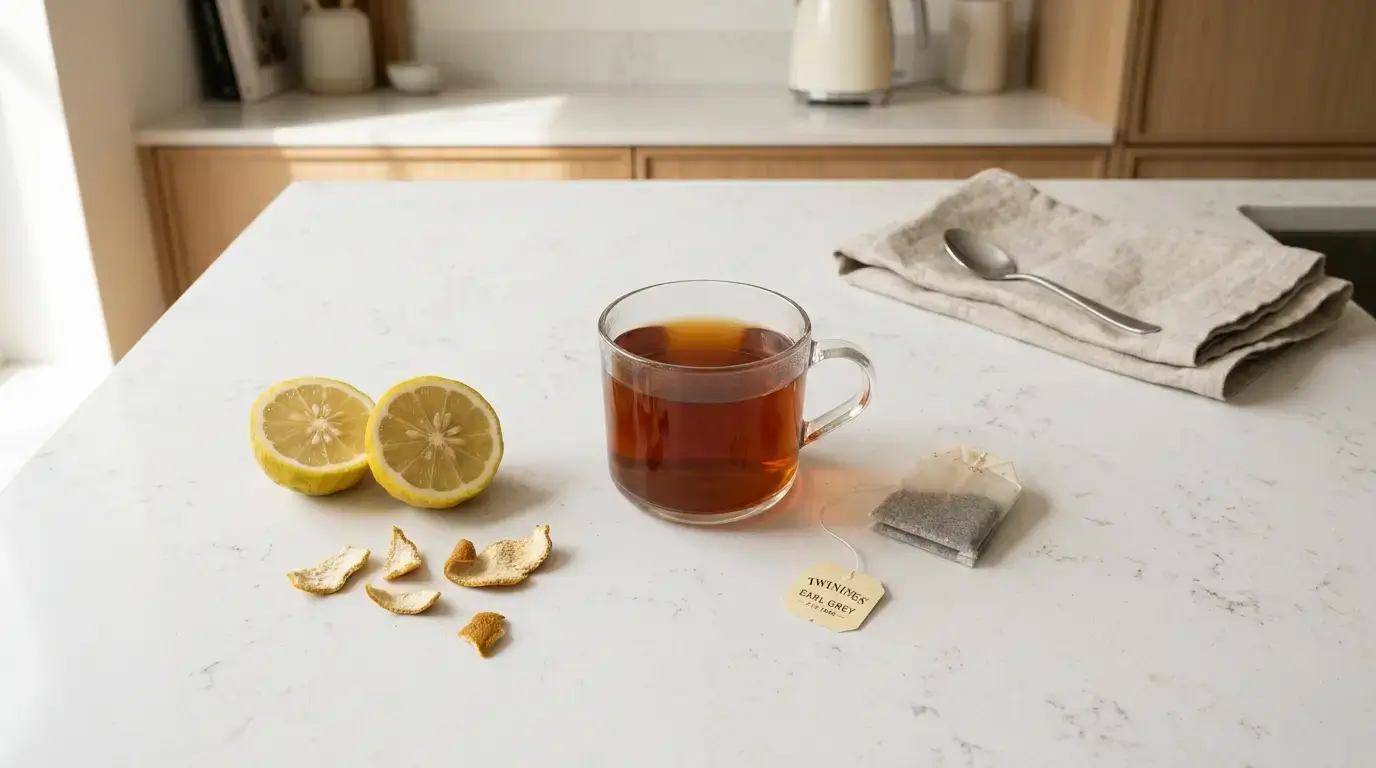
Bergamot essential oil adds a distinct pharmacological profile on top of the black tea base:
Linalool: The dominant volatile compound in bergamot oil. Linalool has documented anxiolytic (anti-anxiety) and mood-lifting properties — it interacts with GABA receptors similarly to how some anti-anxiety compounds work, but at a much gentler, non-sedating level. Multiple studies on bergamot aromatherapy and consumption have shown reductions in anxiety scores and improvements in mood.
Limonene: A monoterpene with antioxidant, anti-inflammatory, and digestive-supporting properties. Found in the rinds of most citrus fruits, limonene stimulates bile production and supports the digestive process.
Bergapten (5-methoxypsoralen): A furanocoumarin unique to bergamot that has shown anticancer activity in laboratory studies — inhibiting cancer cell proliferation in several cell lines. This is a promising but early-stage finding.
Polyphenolic flavonoids (neoeriocitrin, naringin, neohesperidin): Bergamot-specific antioxidants with documented cholesterol-lowering effects in clinical trials.
Earl Grey Tea Benefits: What the Research Shows
1. Cardiovascular Health — The Most Clinically Supported Benefit
Both the black tea base and the bergamot oil contribute to cardiovascular health through complementary mechanisms.
From the black tea base: Theaflavins and thearubigins reduce LDL cholesterol oxidation — preventing oxidized LDL from accumulating in arterial walls. A 2001 study in the American Journal of Clinical Nutrition found that black tea consumption significantly improved endothelial function and blood flow.
From bergamot: A landmark randomized controlled trial published in the International Journal of Cardiology found that bergamot polyphenol extract significantly reduced total cholesterol, LDL cholesterol, and triglycerides, while increasing HDL cholesterol — comparable in magnitude to low-dose statin effects in some participants. Another trial found similar lipid-lowering results with bergamot extract over 30 days.
At tea concentration vs extract: The clinical trials used concentrated bergamot polyphenol extract at higher doses than a cup of tea provides. However, the mechanism is established and consistent — daily earl grey tea contributes to cardiovascular health, though at a gentler magnitude than the trial doses.
2. Mood and Anxiety Support
This is the benefit most uniquely attributable to the bergamot component.
Clinical evidence: A randomized controlled study found that bergamot essential oil aromatherapy significantly reduced anxiety and improved mood in participants before surgical procedures. While this used aromatherapy rather than oral consumption, the active compound (linalool) is present in both forms.
The L-theanine + caffeine + linalool combination: Earl grey delivers a triple calming-alerting effect: caffeine for energy and focus, L-theanine to smooth the caffeine curve and reduce jitteriness, and bergamot’s linalool for mild anxiety reduction. This makes earl grey one of the most well-rounded teas for cognitive performance and emotional wellbeing among caffeinated options.
For direct sedative and sleep-supporting benefits, chamomile and lemon balm are more targeted — see our chamomile tea benefits and lemon balm tea benefits guides. Earl grey is better positioned for daytime mood and focus support.
3. Digestive Support
Bergamot’s limonene content stimulates bile production and supports digestion. Black tea’s tannins have mild antidiarrheal and intestinal anti-inflammatory properties. Together, earl grey is a reasonable digestive tea — traditionally drunk after meals in many European cultures for this reason.
Caveat: The tannins in black tea also inhibit iron absorption when consumed with meals — a consideration for people managing iron levels (see safety section below).
4. Antioxidant Protection
Earl grey provides antioxidants from two distinct chemical families: theaflavins and thearubigins from the black tea, and bergamot-specific flavonoids. The diversity of antioxidant compounds means earl grey covers a broader spectrum of free radical neutralization than single-source teas.
5. Oral Health
Black tea is one of the highest natural food sources of fluoride — a mineral directly involved in remineralizing tooth enamel and preventing cavities. Regular black tea consumption has been associated with reduced cavity incidence in several epidemiological studies. Bergamot’s antimicrobial properties add additional oral health support by reducing bacterial populations in the mouth.
Caveat: Earl grey’s tannins can stain teeth with frequent consumption — drinking through a straw for cold preparations or rinsing after hot tea reduces this effect.
How Much Caffeine Is in Earl Grey Tea?
This is one of the most searched questions about earl grey tea.
| Tea | Caffeine per 240ml cup |
|---|---|
| Coffee (drip) | 95–200mg |
| Espresso (30ml) | 63–90mg |
| Earl grey | 40–70mg |
| Black tea (plain) | 47–90mg |
| Green tea | 25–45mg |
| White tea | 15–30mg |
| Chamomile | 0mg |
| Hibiscus | 0mg |
Earl grey falls in the same range as plain black tea. The bergamot oil does not add or remove caffeine — the caffeine content is entirely determined by the black tea base and brewing time.
For a full comparison of caffeine across teas and coffee-based drinks, see our matcha vs coffee guide and our hibiscus tea caffeine article.
Earl Grey Tea vs Other Teas for Common Health Goals

| Goal | Best choice | Earl grey position |
|---|---|---|
| Sleep | Chamomile or lemon balm | ❌ Contains caffeine |
| Anxiety | Lemon balm or chamomile | ✅ Bergamot helps mildly |
| Focus + calm energy | Earl grey ✅ | ✅ Best choice |
| Blood pressure | Hibiscus | ⚠️ Minor contribution |
| Cholesterol | Earl grey ✅ | ✅ Bergamot clinical evidence |
| Digestion | Peppermint or ginger | ✅ Moderate benefit |
| Caffeine-free | Chamomile, hibiscus, rooibos | ❌ Not suitable |
| Iron absorption | Avoid black tea with meals | ❌ Inhibits iron absorption |
For people who want caffeine-free wellness teas, our herbal teas guide covers all the alternatives. For a direct comparison between herbal and caffeinated teas, see our herbal tea vs green tea benefits guide.
How to Make Earl Grey Tea
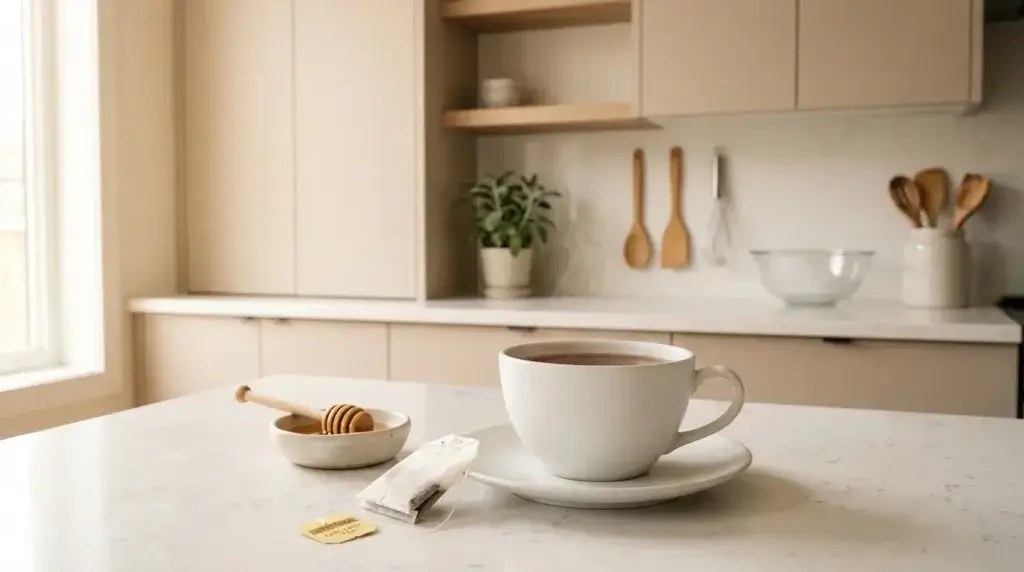
Standard hot brew:
- Heat water to 90–95°C (195–205°F) — not fully boiling
- Place earl grey tea bag or 1 teaspoon of loose leaf in your cup
- Pour hot water over the tea
- Steep for 3–5 minutes maximum — over-steeping makes earl grey bitter and the bergamot becomes acrid
- Remove the tea bag immediately after steeping
- Add milk, oat milk, honey, or a slice of lemon if desired
British style: splash of whole milk, no lemon French style: thin slice of lemon, no milk Modern café style: iced with oat milk and honey (London Fog)
Iced earl grey (London Fog): Brew double-strength, allow to cool, pour over ice, add a splash of frothed oat milk and a touch of vanilla extract. One of the most popular café drinks globally — and straightforward to make at home.
For cold brew tea techniques and more iced herbal tea ideas, see our cold brew herbal tea recipes guide.
The most important rule: Never steep longer than 5 minutes. Earl grey’s bergamot becomes harsh and the black tea tannins become very astringent past this point.
Earl Grey Tea Side Effects and Safety
Caffeine sensitivity: At 40–70mg per cup, earl grey is not appropriate for people who are highly sensitive to caffeine, pregnant women limiting caffeine (keep under 200mg/day total), or people with certain heart arrhythmias. It should not be drunk in the evening by people sensitive to caffeine.
Iron absorption inhibition: Black tea tannins significantly inhibit non-heme iron absorption when consumed with iron-rich meals. People with iron deficiency anemia or those on an iron-replenishment protocol should avoid earl grey tea within 1 hour of iron-rich meals or iron supplements.
Bergapten and medication interactions: Bergapten (a furanocoumarin in bergamot) inhibits the same CYP3A4 liver enzyme that metabolizes many medications — similar to grapefruit juice. People on statins, calcium channel blockers, certain antihistamines, or immunosuppressants should consult their doctor before drinking large amounts of earl grey daily. Moderate consumption (1–2 cups per day) is generally not a concern for most people.
Tooth staining: Black tea tannins stain teeth more than most beverages. Using a straw for cold preparations and rinsing after hot tea reduces this effect.
Muscle cramps (very high consumption): Cases of muscle weakness and cramps have been reported from extremely high daily earl grey consumption (more than 1 liter per day) — attributed to bergapten affecting potassium channels. At 1–3 cups per day, this is not a concern.
For a framework on how to approach herbal and tea safety generally, our peppermint tea benefits and chamomile tea benefits guides cover relevant safety principles.
Frequently Asked Questions
What are the benefits of Earl Grey tea?
Earl Grey tea benefits come from two sources: the black tea base provides caffeine (40–70 mg), L-theanine for calm focus, and theaflavin antioxidants for cardiovascular health. Bergamot oil contains mood-lifting linalool, cholesterol-lowering flavonoids, digestive limonene, and antimicrobial properties. Together, Earl Grey is particularly effective for focus, mood, cardiovascular health, and digestion.
Is Earl Grey tea good for you?
Yes—with the caveat that it contains 40–70 mg of caffeine per cup, which makes it unsuitable for evening consumption for caffeine-sensitive people and for those strictly limiting caffeine. For healthy adults, 1–3 cups per day provide meaningful antioxidant, cardiovascular, mood, and digestive benefits.
How much caffeine is in earl grey tea?
Earl grey tea contains approximately 40–70mg of caffeine per 240ml cup — the same range as plain black tea. The bergamot flavoring does not affect caffeine content. This is significantly less than coffee (95–200mg) but more than green tea (25–45mg).
Does earl grey tea help with anxiety?
Moderately. Bergamot oil’s linalool has documented anxiolytic effects through mild GABA receptor interaction, and black tea’s L-theanine promotes calm focus. For more targeted anxiety relief, lemon balm tea provides stronger documented anxiolytic effects without caffeine. Earl grey is better positioned for daytime calm focus rather than acute anxiety relief.
Is earl grey tea better than green tea?
They serve different purposes. Green tea has higher EGCG antioxidant content and lower caffeine. Earl grey has bergamot’s unique cholesterol-lowering and mood-supporting compounds plus slightly higher caffeine. For antioxidant diversity and weight management, green tea has a slight edge. For mood, cardiovascular health, and flavor, earl grey makes a strong case.
Can you drink earl grey tea every day?
Yes — 1–3 cups per day is appropriate for most healthy adults. Those on statins, calcium channel blockers, or grapefruit-sensitive medications should consult their doctor due to bergapten’s enzyme inhibition. People sensitive to tannins should avoid drinking it within 1 hour of iron-rich meals.
What does earl grey tea taste like?
A strong, malty black tea base with a distinctive floral, citrusy bergamot aroma and a slightly bitter-sweet finish. The bergamot gives it a perfumed quality unlike any other citrus — more complex than lemon tea, more floral than orange peel tea. Most people find it pleasant with a splash of milk or honey.
Is earl grey tea caffeinated?
Yes. Earl grey contains 40–70mg of caffeine per cup from its black tea base. It is not suitable as an evening beverage for caffeine-sensitive individuals. For a caffeine-free floral tea with similar sophistication, chamomile or hibiscus are the closest alternatives.
Key Takeaways
- Earl grey tea benefits come from two distinct layers: black tea antioxidants/caffeine/L-theanine, and bergamot oil’s linalool/flavonoids/limonene
- Most clinically supported benefit: cardiovascular health — bergamot polyphenol trials show meaningful cholesterol reduction
- Unique benefit: the caffeine + L-theanine + linalool combination makes earl grey exceptional for daytime focus and mood support
- Contains 40–70mg caffeine per cup — not suitable for evenings or those sensitive to caffeine
- Always steep for 3–5 minutes maximum — over-steeping makes it bitter and harsh
- Key safety consideration: bergapten may interact with statins and grapefruit-sensitive medications at high daily doses
- Inhibits iron absorption — avoid drinking within 1 hour of iron-rich meals or supplements
- 1–3 cups per day is the appropriate daily range for most healthy adults