
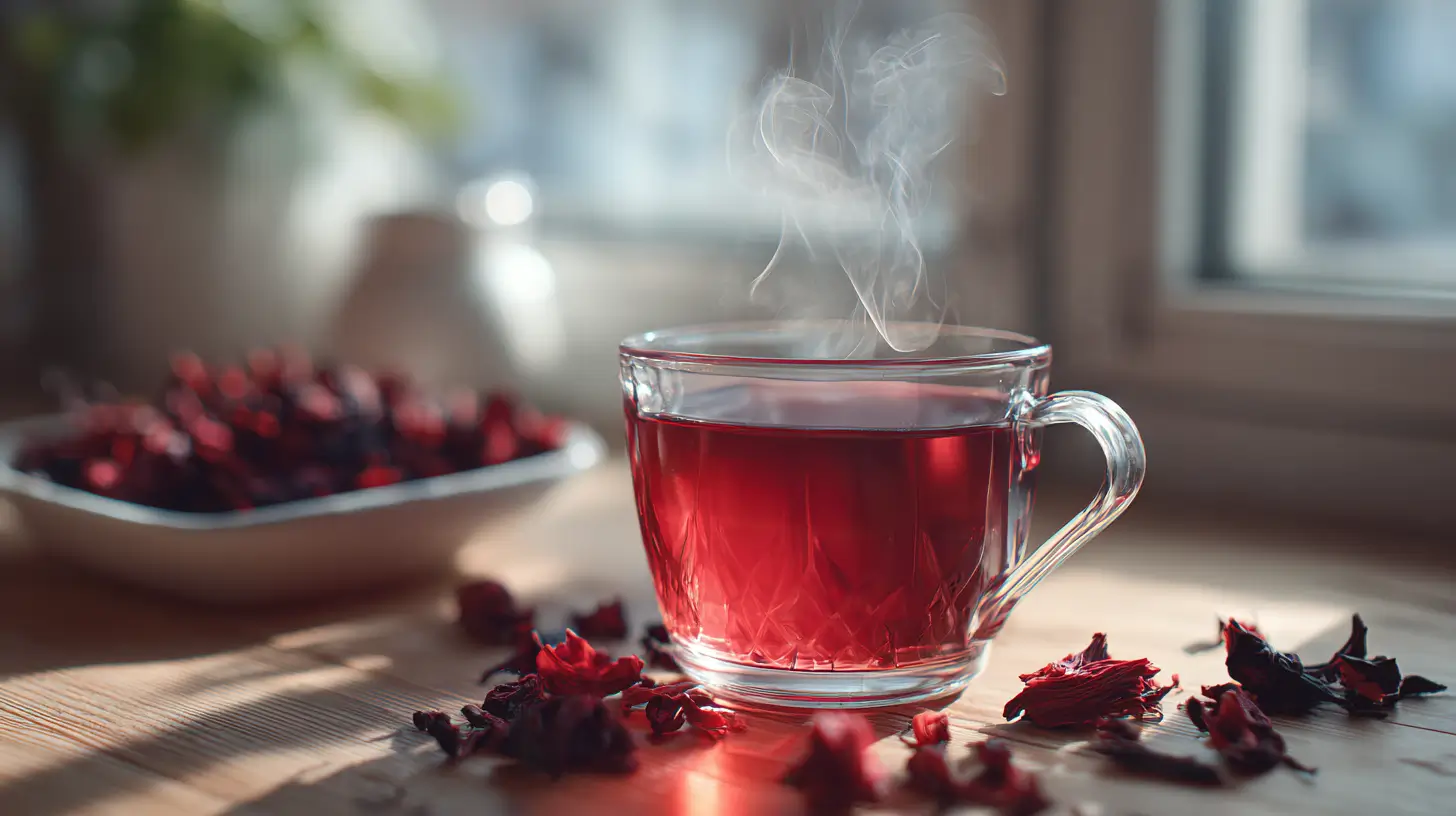
Hibiscus tea blood pressure hot or cold — that’s the question many people ask when looking for natural ways to support heart health. Hibiscus tea has become popular for its potential role in helping maintain healthy blood pressure levels, yet confusion remains about whether temperature changes its effect. Should you drink it steaming hot in the evening, or does a refreshing cold brew work just as well?
In fact, while many focus on temperature, preparation method and consistency may matter more. Because hibiscus tea is rich in natural antioxidants and plant compounds, how you brew it could slightly influence concentration — but both hot and cold versions contain similar core properties. If you’re new to this herbal drink, you can first learn more about hibiscus tea benefits to understand why it’s often linked to cardiovascular support.
So, does hibiscus tea lower blood pressure better when served hot, or does cold hibiscus tea offer the same support? In this guide, we’ll break down how temperature affects extraction, taste, hydration, and routine consistency. More importantly, we’ll explain what truly matters if your goal is steady, long-term support rather than quick fixes.
Why Hibiscus Tea Is Linked to Blood Pressure Support
When discussing hibiscus tea blood pressure hot or cold, it helps to first understand why this herbal tea is associated with cardiovascular support in the first place. After all, temperature is only part of the picture. What really draws attention is the plant’s natural composition and how it interacts with the body over time.
Natural Antioxidants in Hibiscus Tea
First and foremost, hibiscus tea contains powerful antioxidants, including anthocyanins and polyphenols. These plant compounds give the tea its deep red color. More importantly, they help support overall vascular health.
Because oxidative stress can affect blood vessels, antioxidants may play a supportive role in maintaining normal circulation. However, it’s essential to remember that hibiscus tea blood pressure hot or cold works as part of a broader lifestyle — not as a quick fix. In other words, tea alone won’t override poor diet, stress, or lack of movement.
Additionally, both hot and cold hibiscus tea contain these antioxidants. Temperature does not destroy them when the tea is brewed properly. Instead, steeping time and concentration may slightly influence strength.
Traditionally Consumed for Circulation
For generations, different cultures have consumed hibiscus tea as a refreshing herbal beverage. In warm climates, cold hibiscus drinks are common, while in cooler regions, people often prefer hot infusions.
Interestingly, traditional use often focused on supporting circulation and general wellness rather than treating specific conditions. That distinction matters. While many people explore hibiscus tea blood pressure hot or cold as a targeted solution, historically it has been part of daily hydration and routine health habits.
If you’re curious about ideal timing, you may also want to read our guide on the best time to drink hibiscus tea to better structure your routine.
Regular Intake vs Occasional Drinking
Consistency plays a much bigger role than temperature. Drinking hibiscus tea once in a while likely won’t create noticeable changes. On the other hand, regular intake — such as one to three cups daily — may support steady results over time.
That’s why when comparing hibiscus tea blood pressure hot or cold, the key factor isn’t whether it’s iced or steaming. Instead, it’s whether you drink it consistently.
Moreover, daily habits matter. For example, hydration levels influence overall cardiovascular balance. If you’re working on better hydration, you might also check how much water you should drink daily to build a supportive routine.
No Miracle Claims — Setting Realistic Expectations
Although some discussions online make bold claims, hibiscus tea should never be seen as a replacement for prescribed treatment. Rather, it can be part of a balanced lifestyle that includes:
- A heart-friendly diet
- Regular movement
- Stress management
- Proper hydration
- Medical supervision when needed
In short, hibiscus tea blood pressure hot or cold may offer supportive benefits, but temperature alone does not turn it into a magic solution. What truly matters is preparation, moderation, and long-term consistency.
Does Temperature Change the Effect of Hibiscus Tea?
When people search for hibiscus tea blood pressure hot or cold, they often assume that temperature must drastically change its impact. After all, hot drinks feel different from cold ones. However, from a composition standpoint, the difference may not be as dramatic as many think.
Still, preparation method, steeping time, and concentration can influence strength. So let’s break it down clearly.
Are the Core Compounds Stable in Hot and Cold Tea?
The main compounds in hibiscus tea — particularly anthocyanins and other polyphenols — remain relatively stable under normal brewing temperatures. In other words, a properly brewed hot cup does not “destroy” the beneficial components.
Likewise, cold hibiscus tea still contains these antioxidants. The plant material itself doesn’t change simply because the tea is served chilled. Therefore, when discussing hibiscus tea blood pressure hot or cold, the core properties remain similar in both versions.
However, excessive heat for prolonged periods could slightly alter delicate compounds. That’s why moderate steeping — not boiling the petals aggressively for long periods — is generally recommended.
Brewing Method vs Serving Temperature
Here’s where things get interesting. Brewing method often matters more than serving temperature.
For example:
- Hot infusion usually extracts compounds faster.
- Cold brew takes longer but can produce a smoother taste.
- Stronger concentration depends on steeping time, not temperature alone.
So technically, you could brew hibiscus tea hot and then chill it — and it would still contain the same extracted compounds. In that case, the difference becomes sensory rather than chemical.
If you want a deeper breakdown of preparation styles, you can also discover more in our guide on hibiscus tea hot or cold, where we explore brewing variations in detail.
Cold Brew Extraction vs Hot Infusion
Cold brew hibiscus tea requires patience. Typically, dried hibiscus steeps in cool water for several hours. As a result, extraction happens slowly. Some people prefer this method because it creates a milder, less tart flavor.
On the other hand, hot hibiscus tea extracts flavor and color quickly — usually within 5–10 minutes. Because heat accelerates the release of plant compounds, the taste can feel stronger and more vibrant.
From a hibiscus tea blood pressure hot or cold perspective, both methods deliver antioxidants. The real difference lies in intensity and convenience rather than dramatic effectiveness changes.
Does Warm Tea Feel More Soothing?
Although chemical composition remains similar, experience does differ.
Hot tea often feels calming. Many people associate warm beverages with relaxation, especially in the evening. That soothing effect may indirectly support healthy habits — such as winding down before bed or reducing stress.
Meanwhile, cold hibiscus tea feels refreshing and hydrating, especially during warmer months. Because hydration supports overall cardiovascular balance, cold versions can encourage higher fluid intake.
So ultimately, hibiscus tea blood pressure hot or cold becomes less about “which works better” and more about which one fits your routine. And as you’ll see next, personal preference often determines consistency — which may matter most of all.
Hot Hibiscus Tea for Blood Pressure
When comparing hibiscus tea blood pressure hot or cold, many people naturally lean toward the hot version. After all, herbal tea is traditionally served warm, and that ritual alone can influence how often you drink it. While temperature does not drastically change its core compounds, hot hibiscus tea offers certain practical and sensory advantages.

Traditional Preparation Method
Hot hibiscus tea is the classic method. Typically, dried hibiscus petals steep in hot water for about 5 to 10 minutes. Because heat accelerates extraction, the tea quickly develops its deep red color and tart flavor.
In fact, this method makes it easy to control strength. If you prefer a lighter taste, you steep for less time. If you want a bolder infusion, you let it sit longer. Therefore, when discussing hibiscus tea blood pressure hot or cold, hot brewing offers speed and flexibility.
Moreover, hot preparation does not remove the tea’s antioxidant compounds when done properly. Moderate steeping preserves the plant’s natural properties.
Comforting Effect and Evening Routine
Warm drinks often feel grounding. For many people, sipping hot hibiscus tea in the evening becomes part of a wind-down routine. Because stress can influence cardiovascular health, creating a calm nightly habit may indirectly support healthy blood pressure patterns.
Additionally, warm tea may help reduce late-night snacking. When you replace sugary beverages with herbal tea, you naturally reduce extra calories and sodium intake. Over time, those small habits add up.
So while the discussion of hibiscus tea blood pressure hot or cold focuses on chemistry, lifestyle patterns may matter just as much.
When to Choose Hot Hibiscus Tea
Hot hibiscus tea may be ideal if:
- You prefer strong, bold flavor
- You want a quick brewing method
- You enjoy a calming evening beverage
- You live in a cooler climate
Because hot tea brews quickly, it fits busy schedules. You don’t need hours of steeping like cold brew requires. Instead, you can prepare a fresh cup in minutes.
Furthermore, some people find that warm drinks help them feel more satisfied, which can reduce the urge for less healthy options.
Taste Intensity and Aroma
Hot hibiscus tea typically tastes stronger and more tart than cold brew. The aroma is also more noticeable because heat enhances scent release.
For those who enjoy a vibrant herbal flavor, hot tea may feel more satisfying. However, if the tartness feels too sharp, you can dilute it slightly with more water rather than adding sugar.
Ultimately, when evaluating hibiscus tea blood pressure hot or cold, hot tea stands out for convenience, tradition, and a richer sensory experience. Still, that doesn’t mean cold tea lacks benefits.
Cold Hibiscus Tea for Blood Pressure
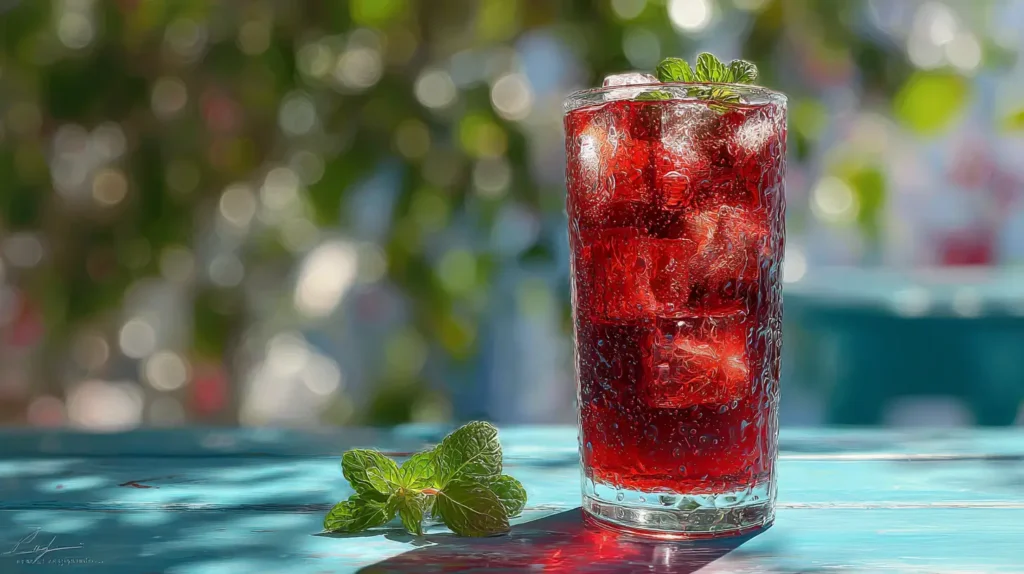
While hot tea feels traditional, cold hibiscus tea has become incredibly popular — especially in warmer climates. So when evaluating hibiscus tea blood pressure hot or cold, it’s important to understand why many people prefer the chilled version.
Interestingly, cold preparation doesn’t reduce the tea’s core antioxidant content. Instead, it changes the experience, flavor, and hydration factor.
Refreshing and Hydrating Qualities
First of all, cold hibiscus tea feels crisp and refreshing. Because it’s served chilled, people often drink more of it — especially during hot weather. And since hydration plays a role in overall cardiovascular balance, increased fluid intake can support healthy routines.
Moreover, some people find that they naturally replace sugary sodas or juices with iced hibiscus tea. That shift alone can reduce excess sugar intake, which benefits overall heart health.
When discussing hibiscus tea blood pressure hot or cold, hydration consistency may matter more than temperature itself. If you drink more tea because it’s cold and refreshing, that habit becomes the real advantage.
Popular in Warm Climates
In many parts of the world, cold hibiscus beverages are traditional daily drinks. They’re often brewed in larger batches and stored in the refrigerator for convenience.
Because cold brew requires several hours of steeping, many people prepare it overnight. As a result, they always have a ready-to-drink option available. And when something is convenient, you’re more likely to stay consistent.
Consistency, again, is key when comparing hibiscus tea blood pressure hot or cold. One cup occasionally won’t make a big difference. However, regular intake may support long-term habits.
When to Choose Cold Brew Hibiscus Tea
Cold hibiscus tea may be ideal if:
- You prefer a smoother, less tart flavor
- You live in a hot climate
- You want a grab-and-go hydration option
- You’re trying to increase daily fluid intake
Additionally, cold tea often pairs well with meals, making it easier to include in your routine.
If hydration is one of your goals, you might also check how much water you should drink daily to ensure your overall intake supports healthy circulation.
Flavor Profile Differences
Cold brew hibiscus tea typically tastes milder than hot infusion. Because extraction happens slowly, the tartness feels smoother and less intense.
However, strength still depends on steeping time. If you let it sit longer, flavor deepens. If you steep it for fewer hours, it remains light and subtle.
From a hibiscus tea blood pressure hot or cold perspective, the antioxidant profile remains comparable. The primary difference lies in taste, convenience, and how easily it fits your daily habits.
Hot vs Cold: Which Is Better for Blood Pressure?
Now we arrive at the big question: hibiscus tea blood pressure hot or cold — which one actually works better? While it’s tempting to look for a clear winner, the truth is more balanced than dramatic.
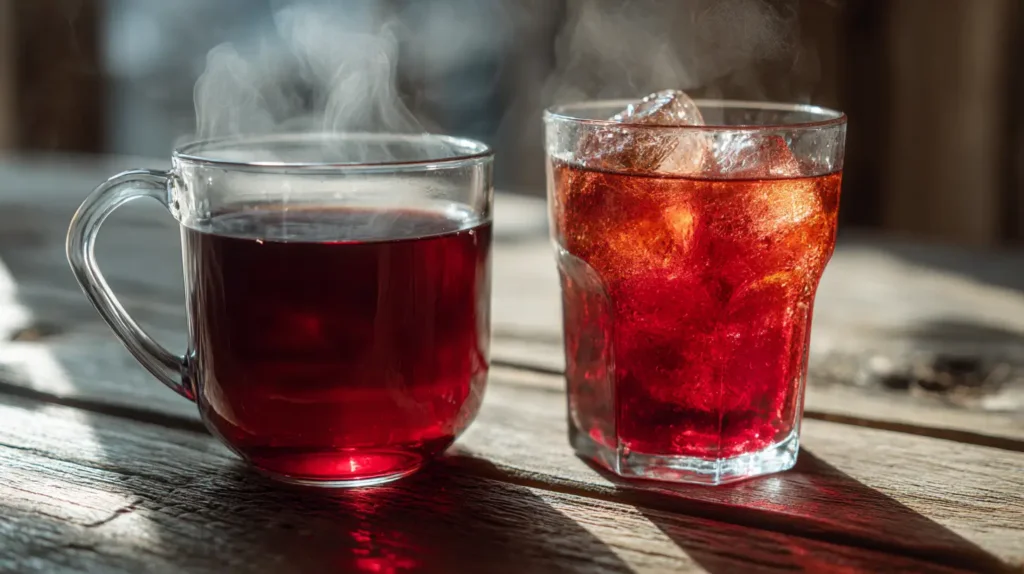
In most cases, temperature alone does not significantly change the tea’s core compounds. Instead, preparation method, concentration, and consistency matter far more. Still, comparing them side by side makes the differences easier to understand.
Side-by-Side Comparison
Below is a simple breakdown of how hot and cold hibiscus tea compare:
| Factor | Hot Hibiscus Tea | Cold Hibiscus Tea |
|---|---|---|
| Taste Intensity | Stronger, more tart | Milder, smoother |
| Convenience | Quick brew (5–10 min) | Needs several hours steeping |
| Hydration Feel | Moderate | High, refreshing |
| Core Compounds | Similar | Similar |
| Aroma | More pronounced | Subtle |
| Ideal Season | Cooler weather | Warm climates |
As you can see, the antioxidant profile remains similar in both versions. Therefore, when evaluating hibiscus tea blood pressure hot or cold, the difference is more about experience than effectiveness.
Taste, Convenience, and Hydration Differences
Hot tea extracts quickly, which makes it convenient if you want an immediate cup. On the other hand, cold brew requires planning ahead. However, once prepared, it’s ready anytime.
Additionally, cold hibiscus tea may encourage higher fluid intake. Because it’s refreshing, people often drink larger quantities throughout the day. In contrast, hot tea may feel more suitable for slower, mindful sipping.
So while the chemical composition stays comparable, hydration patterns may shift based on temperature preference.
Why Consistency Matters More Than Temperature
Here’s the key takeaway: consistency outweighs temperature.
If you enjoy hot tea and drink it daily, that habit may support steady routines. Conversely, if cold hibiscus tea helps you stay hydrated and avoid sugary drinks, that option becomes more beneficial for you.
When discussing hibiscus tea blood pressure hot or cold, many overlook this simple truth: the best version is the one you’ll actually drink regularly.
In fact, understanding overall timing may help even more than debating temperature. For example, you can learn more about the best time to drink hibiscus tea to align it with your daily schedule.
What Research Suggests About Preparation
Available research typically focuses on hibiscus tea consumption in general rather than hot versus cold comparisons. Most studies use brewed infusions without emphasizing serving temperature.
Therefore, there’s no strong evidence suggesting that hot hibiscus tea dramatically outperforms cold brew — or vice versa. Instead, preparation strength and consistent intake appear to matter more.
Ultimately, hibiscus tea blood pressure hot or cold becomes a personal preference decision. Both forms deliver similar plant compounds. Both can fit into a heart-conscious routine. And both can support hydration when consumed regularly.
How Often Should You Drink Hibiscus Tea for Blood Pressure?
Once you’ve decided between hibiscus tea blood pressure hot or cold, the next logical question is frequency. After all, drinking it once won’t do much. Instead, consistency over time is what may support steady results.
However, moderation still matters.
General Daily Intake: 1–3 Cups
Most people who include hibiscus tea in their routine drink between 1 and 3 cups per day. This range is commonly discussed in relation to natural wellness habits.
That said, more is not always better. Drinking excessive amounts does not necessarily increase benefits. In fact, overconsumption could cause unwanted effects in sensitive individuals.
When evaluating hibiscus tea blood pressure hot or cold, remember that strength also plays a role. A very concentrated brew counts differently than a light infusion.
Consistency and Lifestyle Habits
Daily consistency often matters more than quantity. For example, one cup every day may be more supportive than three cups once a week.
Additionally, pairing hibiscus tea with healthy habits amplifies its role in your routine. These habits may include:
- Balanced meals
- Reduced sodium intake
- Regular movement
- Proper hydration
- Stress management
If you’re focusing on hydration as part of cardiovascular wellness, you might also revisit how much water you should drink daily to maintain a balanced intake.
Because hibiscus tea blood pressure hot or cold works as part of a broader lifestyle, it should complement — not replace — other healthy choices.
Individual Tolerance and Sensitivity
Everyone responds differently. Some people feel perfectly fine drinking hibiscus tea daily, while others may prefer smaller amounts.
For example:
- Individuals with naturally low blood pressure should be cautious.
- Some people may feel mild digestive sensitivity.
- Taste preference may influence how strong you brew it.
Therefore, start gradually and observe how your body responds. A moderate, steady approach is usually best.
Avoiding Excess Consumption
Although hibiscus tea is herbal, that does not mean unlimited intake is ideal. Drinking large quantities every day without medical guidance isn’t recommended — especially if you have health conditions or take medication.
Again, the debate around hibiscus tea blood pressure hot or cold should not distract from the bigger picture: balance, moderation, and consistency.
Who Should Be Careful with Hibiscus Tea?
Although hibiscus tea is widely enjoyed, it isn’t ideal for everyone. So while discussing hibiscus tea blood pressure hot or cold, it’s equally important to understand who should approach it with caution.
After all, natural doesn’t automatically mean risk-free.
People with Naturally Low Blood Pressure
Because hibiscus tea is often associated with supporting healthy blood pressure levels, individuals who already have low blood pressure should be mindful.
If your baseline numbers run on the lower side, drinking hibiscus tea regularly — whether hot or cold — could potentially make you feel lightheaded or fatigued. Therefore, moderation and monitoring matter.
In these cases, it’s smart to speak with a healthcare provider before making hibiscus tea a daily habit.
Pregnancy and Special Considerations
Pregnant individuals should exercise caution with herbal teas in general. While hibiscus tea is popular worldwide, some sources recommend limiting intake during pregnancy due to its potential effects on blood pressure and hormonal balance.
Because research in this area is still limited, it’s best to consult a medical professional before consuming hibiscus tea regularly during pregnancy.
So again, whether you choose hibiscus tea blood pressure hot or cold is secondary. Safety and personalized advice come first.
Medication Interactions
This point is especially important.
Hibiscus tea may interact with certain medications, including:
- Blood pressure medications
- Diuretics
- Some heart-related prescriptions
If you are currently taking medication for hypertension or cardiovascular conditions, do not replace prescribed treatment with hibiscus tea.
In fact, hibiscus tea should never substitute medical care. Instead, it can be part of a broader lifestyle strategy when approved by your healthcare provider.
When to Talk to a Healthcare Professional
You should consider professional guidance if:
- You take prescription medication
- You have a chronic heart condition
- You experience dizziness after drinking hibiscus tea
- You are pregnant or breastfeeding
While hibiscus tea blood pressure hot or cold can fit into a balanced routine for many adults, personalization is key.
Frequently Asked Questions About Hibiscus Tea Blood Pressure Hot or Cold
Below are the most common questions people ask when researching hibiscus tea blood pressure hot or cold. Let’s clear up the confusion with simple, practical answers.
Is Cold Hibiscus Tea Better for Blood Pressure?
Cold hibiscus tea is not necessarily better than hot tea for blood pressure. Temperature alone does not drastically change its core antioxidant compounds.
However, cold brew may produce a slightly milder flavor, which can encourage people to drink it more consistently. And consistency matters more than serving temperature.
So when comparing hibiscus tea blood pressure hot or cold, choose the version you’ll drink regularly.
Does Hot Hibiscus Tea Lose Its Benefits?
No, hot hibiscus tea does not lose its main properties when brewed properly.
In fact, moderate steeping preserves its natural antioxidants. Extremely prolonged boiling could potentially affect delicate compounds, but standard infusion methods maintain the tea’s core benefits.
Therefore, both hot and cold hibiscus tea contain similar plant compounds when prepared correctly.
How Many Cups of Hibiscus Tea Should I Drink for Blood Pressure?
Most people consume between 1 and 3 cups per day, depending on tolerance and personal routine.
Still, more is not always better. A moderate daily intake tends to be the most practical approach. Additionally, strength of brew matters — a concentrated infusion differs from a light cup.
If you’re unsure about quantity, especially if you take medication, consult a healthcare professional first.
Can Hibiscus Tea Replace Blood Pressure Medication?
No. Hibiscus tea should never replace prescribed blood pressure medication.
While many people explore hibiscus tea blood pressure hot or cold as part of a wellness routine, it is not a substitute for medical treatment. Always follow your doctor’s recommendations.
In conclusion, the debate over hibiscus tea blood pressure hot or cold often overshadows what truly matters. Both versions contain similar core compounds. Both can fit into a healthy lifestyle. And ultimately, the best choice is the one that supports consistent, moderate use within a balanced routine.
If you want a broader overview of its properties, you can also learn more about hibiscus tea benefits to better understand how it fits into overall wellness.