
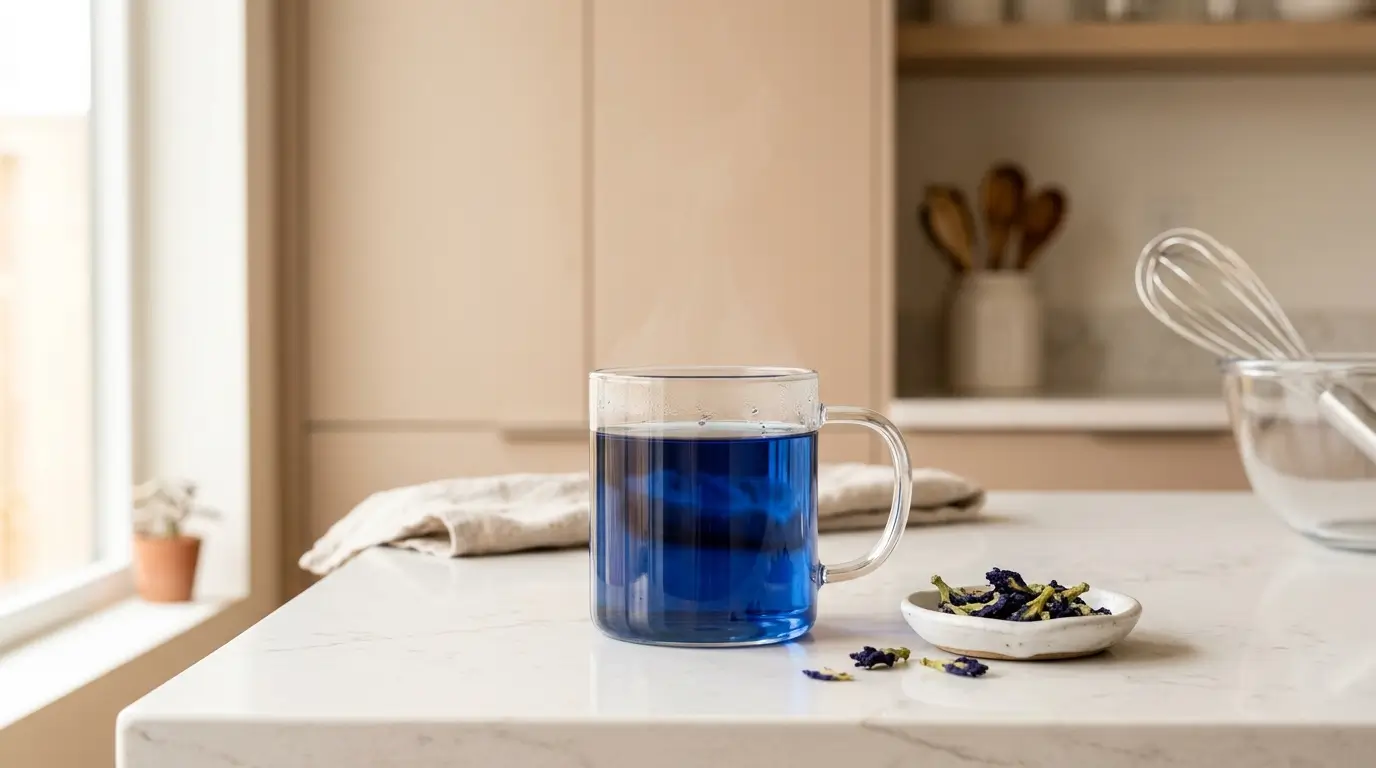
Butterfly pea tea is a caffeine-free herbal infusion made from the dried flowers of Clitoria ternatea, a plant native to Southeast Asia. What makes it instantly recognizable is its vivid cobalt-blue color — and its remarkable ability to change from blue to purple or pink when citrus juice is added. This color shift is not a trick or an additive: it is pure chemistry, driven by the same class of antioxidants responsible for the health benefits that have made butterfly pea tea one of the fastest-growing wellness drinks of 2025. This guide covers what butterfly pea tea is, what the science supports, how to make it, and how it compares to hibiscus and other herbal teas.
What Is Butterfly Pea Tea?
Butterfly pea tea — also called blue tea, blue pea tea, or Asian pigeonwings tea — is brewed from the dried petals of Clitoria ternatea, a flowering vine that grows across Southeast Asia, South Asia, and parts of Africa. The plant has been used for centuries in Thai cuisine (to color rice and desserts), in Ayurvedic medicine (for cognitive and nervous system support), and in traditional Malay and Indonesian cooking.
The tea is made by steeping dried flowers in hot water, producing a deep, brilliant blue infusion with a mild, earthy flavor and very low natural acidity — quite different from the sharp, tart profile of hibiscus tea.
What makes it famous: when you add an acidic ingredient — lemon juice, lime juice, or apple cider vinegar — to blue butterfly pea tea, it transforms color dramatically:
- Plain brew: vivid cobalt blue
- With a little lemon: deep purple
- With more lemon/lime: bright magenta or pink
This visual transformation has made butterfly pea tea a social media phenomenon and a staple in cocktail bars, spas, and wellness cafes worldwide. But the same chemistry that creates the color change is also what gives the tea its health benefits.
Why Does Butterfly Pea Tea Change Color?
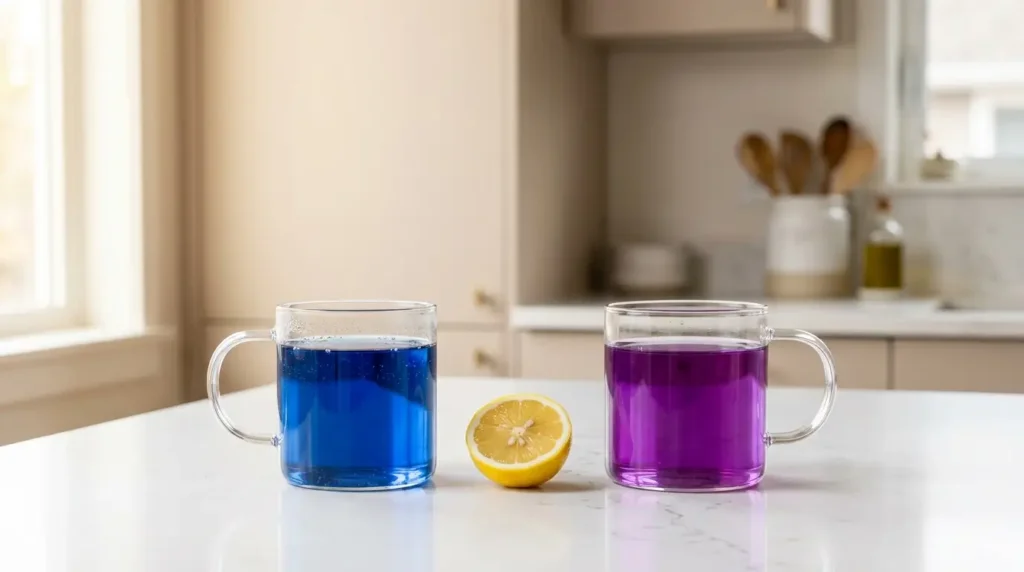
The color change is caused by ternatins — a specific group of anthocyanin pigments unique to Clitoria ternatea. Anthocyanins are natural pH indicators: their molecular structure changes when exposed to acidic or alkaline environments, which alters how they absorb and reflect light.
In neutral or alkaline conditions (higher pH), the ternatins absorb red wavelengths and reflect blue — producing the signature cobalt color. When citrus juice is added and the pH drops, the ternatins restructure and shift to absorbing blue wavelengths while reflecting red and purple — producing the striking color transformation you see in the cup.
This is the same principle used in chemistry classes with red cabbage juice as a natural pH indicator. Butterfly pea tea is, in effect, a beautiful and drinkable natural litmus test.
Understanding this also matters for is hibiscus tea acidic or alkaline — hibiscus anthocyanins undergo a similar color shift, which is why hibiscus tea changes from red to blue-green when baking soda is added.
Butterfly Pea Tea Benefits: What the Science Says
The research on butterfly pea tea is promising but still developing. Most studies have used concentrated flower extract rather than brewed tea — which means the effects in actual tea consumption may be more modest than extract-based research suggests. Here is an honest breakdown of what is and is not supported:
1. Powerful Antioxidant Activity — Well Supported
The most consistently documented benefit of butterfly pea tea is its antioxidant density. The ternatins and other anthocyanins in Clitoria ternatea are potent free radical scavengers — compounds that neutralize the oxidative damage that drives cellular aging, inflammation, and chronic disease risk.
The deep blue color is a direct indicator of anthocyanin concentration — a principle similar to how deep red hibiscus tea signals high anthocyanin content. Regular consumption of antioxidant-rich beverages like butterfly pea tea contributes to reducing systemic oxidative stress over time. This is the most broadly applicable and evidence-supported benefit of the tea.
2. Cognitive Support — Promising but Preliminary
Butterfly pea tea has a long history of use in Ayurvedic medicine for memory and mental clarity. Modern research is beginning to provide some scientific basis for this traditional use.
Clitoria ternatea extract has shown activity related to acetylcholine — the neurotransmitter involved in memory formation and learning. Animal studies have demonstrated that butterfly pea extract improved memory and showed potential neuroprotective effects against oxidative damage in brain tissue.
Human clinical evidence is still limited. The honest position: butterfly pea tea is one of the most interesting herbal beverages for cognitive health currently being researched, but it should not yet be described as a proven cognitive enhancer in the way that, say, lion’s mane mushroom has been studied. For people interested in evidence-backed cognitive support from a daily drink, our wellness drinks guide covers the full range of options.
3. Blood Sugar Regulation — Mixed Evidence
Several studies have found that butterfly pea extract reduces the activity of alpha-glucosidase — an enzyme involved in carbohydrate digestion, similar to the amylase inhibition seen with hibiscus. This could theoretically reduce post-meal blood sugar spikes.
However, a small study in 16 men with overweight or obesity found no significant differences in blood sugar levels after a high-fat meal supplemented with butterfly pea extract. The evidence is inconsistent and further human trials are needed before definitive claims can be made.
4. Skin and Hair Health — Topical Evidence Strong, Oral Evidence Preliminary
Butterfly pea flower is widely used in cosmetic products — skin serums, hair mists, shampoos, and face masks. In these topical applications, the anthocyanins and cyclotides have demonstrated skin hydration improvement and potential anti-aging effects in studies.
When consumed as tea, the antioxidants circulate systemically and may contribute to the same skin-protective mechanisms — reducing oxidative damage to skin cells, supporting collagen integrity, and reducing inflammation. The oral evidence is more preliminary than the topical evidence, but the mechanism is plausible and consistent with what is known about dietary antioxidants and skin health.
5. Anti-Inflammatory Properties — Consistent Across Studies
Multiple studies have found significant anti-inflammatory activity from Clitoria ternatea extracts. The compounds inhibit the production of key pro-inflammatory markers including interleukin-6 and other inflammatory cytokines. While most evidence comes from animal and in vitro studies, the anti-inflammatory mechanism is consistent and plausible for daily herbal tea consumption.
6. Low Acidity — Gentle on the Digestive System
One practical advantage butterfly pea tea has over many herbal teas — including hibiscus — is its low natural acidity. Butterfly pea tea is closer to neutral in pH, making it much gentler on the stomach than hibiscus (pH 2.5–3.5) or black tea. It is a good option for people who want the benefits of herbal antioxidants without the digestive sensitivity that comes with highly acidic drinks.
Butterfly Pea Tea vs. Hibiscus Tea: Key Differences
Both are caffeine-free, anthocyanin-rich herbal teas with antioxidant and anti-inflammatory properties. Here is how they compare:
| Butterfly Pea Tea | Hibiscus Tea | |
|---|---|---|
| Color | Vivid blue | Deep ruby-red |
| pH / Acidity | Near-neutral (low acid) | Very acidic (pH 2.5–3.5) |
| Flavor | Mild, earthy, slightly vegetal | Tart, bold, cranberry-like |
| Caffeine | Zero | Zero |
| Best documented benefit | Antioxidants, cognition (preliminary) | Blood pressure reduction |
| Acid reflux friendly | ✅ Yes | ❌ No (cold brew only) |
| Color-changing | ✅ Blue → purple with citrus | ⚠️ Red → blue-green with baking soda |
| Research depth | Growing, mostly extracts | Extensive, human trials |
For the full profile of hibiscus tea including all its benefits and safety information, see our guide on hibiscus tea benefits.
How to Make Butterfly Pea Tea
Butterfly pea tea is simple to brew and highly versatile. Here are the main preparation methods:
Hot brew (standard):
- Add 1 teaspoon (4g) of dried butterfly pea flowers to 240ml (8 oz) of hot water
- Steep for 10–15 minutes — longer steeping = deeper blue color
- Strain and enjoy plain, or add honey to sweeten
- Add lemon or lime juice to trigger the color change to purple
Cold brew:
- Add 2 tablespoons of dried flowers to 1 liter of cold water
- Refrigerate for 8–12 hours
- Strain and serve over ice
- Squeeze in fresh lime just before serving for the purple effect
Cold brew produces a slightly less intense blue and a smoother flavor. For more cold brew techniques using other herbal teas, our cold brew herbal tea recipes guide has a full collection.
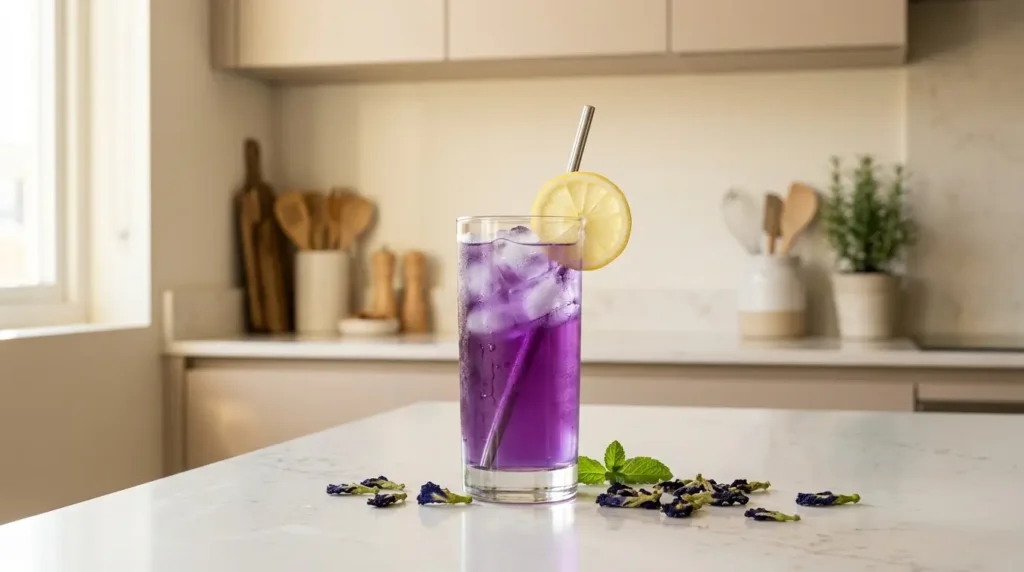
Butterfly Pea Lemonade (the most popular recipe):
- Brew a strong batch of butterfly pea tea (hot or cold)
- Allow to cool
- Pour over ice in a tall glass
- Squeeze in fresh lemon or lime juice — watch it turn purple
- Add honey or agave syrup to taste
- Serve immediately — the color is most vivid right after adding citrus
This is one of the most shareable wellness drinks you can make at home and an excellent base for functional mocktail recipes.
Butterfly Pea Tea Side Effects and Who Should Be Cautious
Butterfly pea tea is generally considered safe for most healthy adults. Reported side effects are rare and typically associated with large amounts:
- Nausea or stomach discomfort at very high doses
- Blood-thinning effect — butterfly pea has mild antiplatelet activity. People on blood thinners (warfarin, aspirin therapy) should consult their doctor
- Surgery: discontinue use at least 2 weeks before scheduled surgery due to the antiplatelet effect
- Pregnancy and breastfeeding: insufficient safety data — avoid as a precaution
- Allergies: rare but possible if you have sensitivity to plants in the legume family (Clitoria ternatea is a legume)
For a broader reference on herbal tea safety profiles, our hibiscus tea side effects guide covers the general principles of herbal tea safety that apply across most functional teas.
When to Drink Butterfly Pea Tea
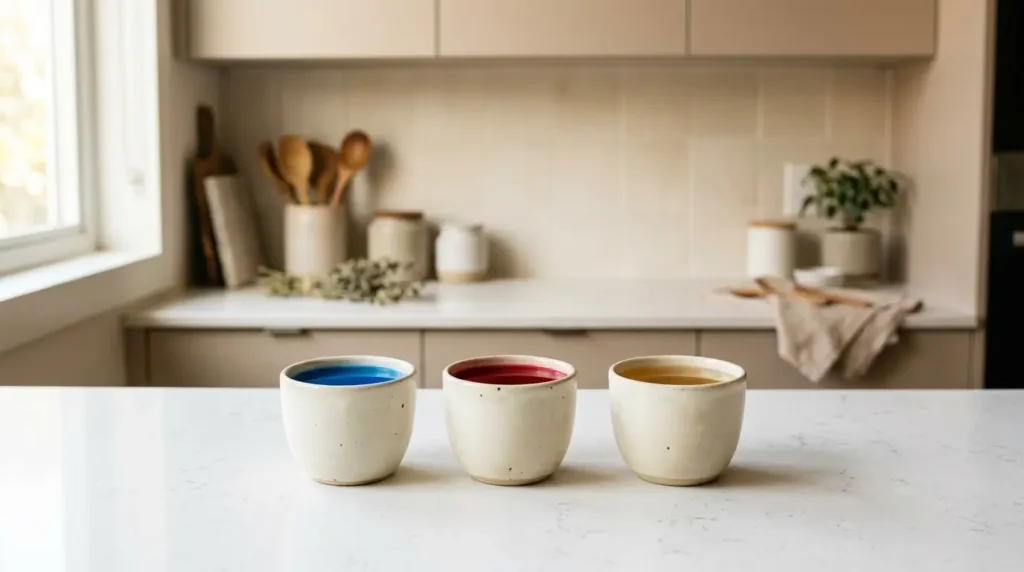
Because butterfly pea tea is caffeine-free, near-neutral in pH, and has mild calming properties, it is one of the most flexible herbal teas for timing:
Morning: A cup of butterfly pea tea is a beautiful, visually engaging way to start a caffeine-free morning. Its mild cognitive support properties make it a reasonable pre-work or pre-study ritual.
Afternoon: As a cold brew butterfly pea lemonade, it is one of the most refreshing and striking afternoon drinks available — far more interesting than plain water or iced tea.
Evening: Its low acidity and mild calming flavonoid content make it a good evening beverage. Less specific sleep-promoting evidence than chamomile, but a pleasant and gentle option. For more dedicated sleep-supporting drinks, our best drinks for better sleep guide covers the strongest options.
As a base for mocktails: The color-changing property makes butterfly pea tea one of the most visually spectacular bases for alcohol-free cocktails. See our functional mocktail recipes for ideas.
Frequently Asked Questions
What is butterfly pea tea?
Butterfly pea tea is a caffeine-free herbal infusion made from the dried flowers of Clitoria ternatea, a plant native to Southeast Asia. It brews a vivid cobalt blue and changes to purple or pink when citrus juice is added. It has been used in Thai, Malay, and Ayurvedic traditions for centuries.
What are the benefits of butterfly pea tea?
The main documented benefits include potent antioxidant protection from its unique ternatin anthocyanins, preliminary cognitive support through acetylcholine-related activity, mild anti-inflammatory effects, potential blood sugar regulation, and low acidity making it gentle on the digestive system. Most human research is still developing — the antioxidant benefits are the most consistently supported.
Why does butterfly pea tea change color?
The color change is caused by ternatins — anthocyanin pigments that are natural pH indicators. In neutral conditions they appear blue. When an acidic ingredient like lemon juice is added, the pH drops and the pigments restructure, shifting from blue to purple or pink. It is pure chemistry — no artificial dyes or additives.
Is butterfly pea tea safe to drink every day?
Yes, for most healthy adults in moderate amounts (1–3 cups per day). People on blood thinners, those scheduled for surgery, pregnant or breastfeeding women, and anyone with legume allergies should consult a doctor before drinking it regularly.
Does butterfly pea tea have caffeine?
No. Butterfly pea tea is completely caffeine-free and can be consumed at any time of day.
What does butterfly pea tea taste like?
Butterfly pea tea has a mild, earthy, slightly vegetal flavor with subtle floral notes. It is much less tart than hibiscus and less bitter than green tea. Many people find it very neutral and easy to drink, making it highly customizable with sweeteners and citrus.
How do you make butterfly pea tea change color?
Add any acidic ingredient — lemon juice, lime juice, orange juice, or apple cider vinegar. Even a small squeeze of lemon will shift the blue to vivid purple. More acid produces a deeper pink or magenta. The color change is instant and completely reversible if you add an alkaline ingredient.
Is butterfly pea tea better than hibiscus tea?
They serve different purposes. Hibiscus tea has more extensive human clinical evidence, particularly for blood pressure reduction. Butterfly pea tea is gentler on the stomach (much lower acidity), has a milder flavor, and offers a unique visual experience. For digestive sensitivity or acid reflux, butterfly pea tea is the better choice. For documented cardiovascular benefits, hibiscus has the stronger evidence base.
Key Takeaways
- Butterfly pea tea is a caffeine-free herbal tea from Clitoria ternatea, brewed into vivid cobalt blue
- The color changes to purple or pink when citrus is added — caused by pH-sensitive ternatin anthocyanins
- Its most consistently supported benefit is antioxidant protection; cognitive and blood sugar benefits are promising but need more human research
- Near-neutral pH makes it significantly gentler on the stomach than hibiscus or black tea
- Safe for most healthy adults — caution for people on blood thinners, pregnant women, and those with legume allergies
- Most versatile preparation: hot, cold brew, lemonade, or as a mocktail base
- One of the most visually striking and shareable wellness drinks available