
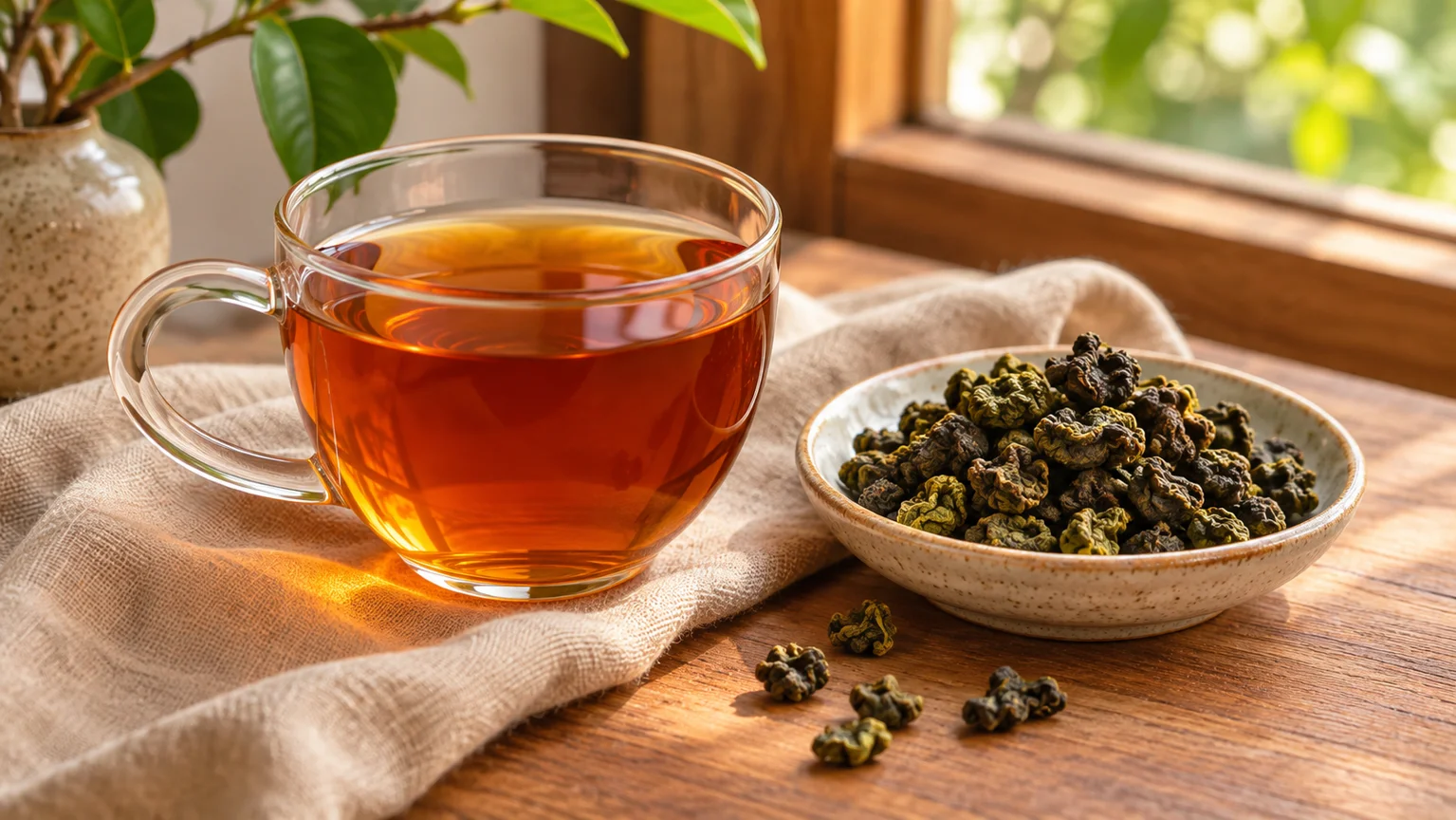
Pipi Oolong Tea is the brand’s Ruby Oolong product, which its help center describes as 100% organic oolong tea leaves. It contains caffeine and is different from Pipi Hibiscus Tea. Before buying, check the actual label, caffeine information and checkout terms rather than relying on wellness promises.
This ingredient and buying guide draws on published product information. It explains what the company says, what those statements do not establish and which details are worth confirming. Product information was checked on November 8, 2026.
Pipi Oolong Tea at a Glance
| Question | Answer |
|---|---|
| Which product? | PiPi Ruby Oolong Tea. |
| Listed ingredient | 100% organic oolong tea leaves, according to the brand. |
| Caffeine-free? | No. The brand confirms that its oolong contains caffeine. |
| Verified caffeine amount? | No product-specific milligram figure is established by the help page reviewed here. |
| Same as the hibiscus tea? | No. The ingredient and caffeine profile differ. |
| Proven weight-loss treatment? | The materials reviewed do not establish that conclusion. |
What Is Pipi Ruby Oolong Tea?
The official ingredient breakdown lists Ruby Oolong as a single-ingredient tea made from organic oolong leaves. That is a manufacturer description, not an independent laboratory verification by ChefYuma.
This distinction matters when reading reviews. A comment about the brand’s hibiscus flowers does not describe the same drink as Ruby Oolong. Before comparing prices or experiences, match the product name on the package, receipt and review.
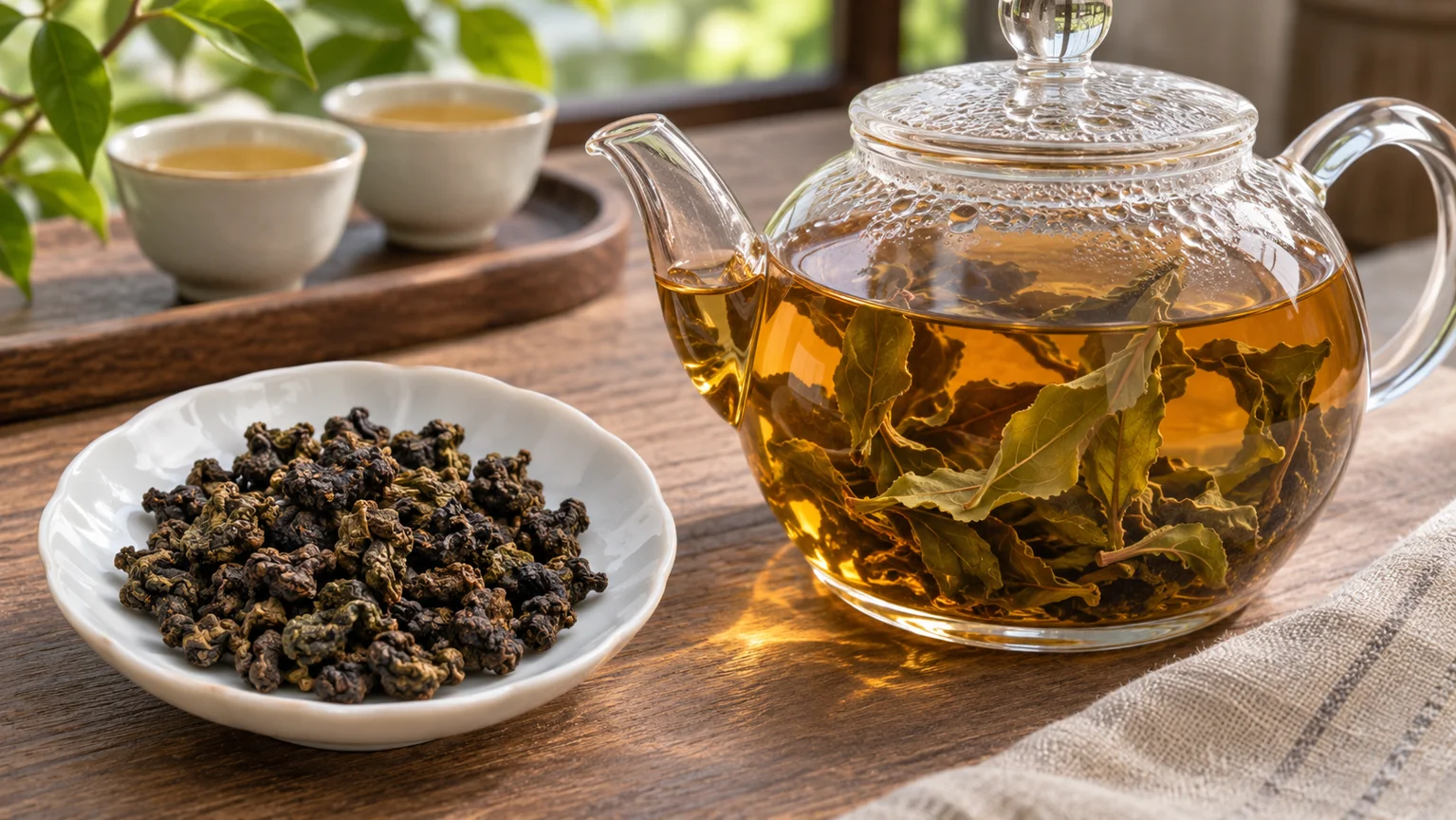
Pipi Oolong Tea Ingredients: What to Check
Start with the ingredient panel on the package you receive. If it matches the company description, the tea itself should not be a multi-herb blend. Added sweeteners, milk, syrups or lemon in a recipe are separate from the packaged tea’s ingredient list.
If certifications or contaminant testing are central to your decision, ask for documents that identify the exact product and relevant batch. A statement on a sales page is not the same as a batch-specific test report. This guide has not independently authenticated certification or testing claims.
Also check the tea bag count and net weight. A low price per box does not necessarily mean a low price per serving. Compare equivalent quantities, shipping charges and whether the offer requires recurring orders.
Does Pipi Oolong Tea Have Caffeine?
Yes. The brand’s caffeine help page says Oolong and Matcha naturally contain caffeine, while its Hibiscus is caffeine-free. It does not provide a milligram amount for a brewed Ruby Oolong serving.
Do not borrow a caffeine number from an unrelated oolong brand and present it as a measurement for this product. If you need a specific amount, ask the company for product-specific information and the brewing conditions used to obtain it.
For context on the other product, read hibiscus tea caffeine: pure tea versus blends. The words “Pipi Tea” alone do not tell you whether your chosen drink contains caffeine.
Pipi Oolong Tea Reviews: How to Read Them
A useful review identifies Ruby Oolong, explains whether the reviewer purchased it and separates personal taste from measurable facts. A statement that someone enjoyed a cup is a taste observation. A statement that it corrected a hormone problem would require a different level of evidence.
Look for recent details about the product received, packaging, brewing method and customer service. Repeated wording or a dramatic before-and-after story should not carry more weight than clear, verifiable information. Neither a positive testimonial nor a negative comment predicts every buyer’s experience.
The tea images illustrate ingredients and preparation rather than branded packaging. Use the label on your own product when checking its contents.
Does Pipi Oolong Tea Work for Weight Loss or Cortisol?
Do not treat general research on tea ingredients as proof that this branded product produces a particular weight-loss or hormone result. A relevant clinical claim needs evidence that matches the actual product, preparation, dose, population and outcome.
The manufacturer materials reviewed here are not enough to establish predictable weight loss or a treatment effect on cortisol. Customer stories cannot resolve that gap. A promise of results after a set number of days should not be treated as a guarantee for you.
If you want a cup of tea, judge it as a beverage: ingredients, flavor, caffeine, price and convenience. If your reason for buying is persistent symptoms, suspected hormonal problems or a medical weight concern, discuss that goal with a qualified health professional rather than choosing a tea on marketing alone.
How to Brew Pipi Ruby Oolong Tea
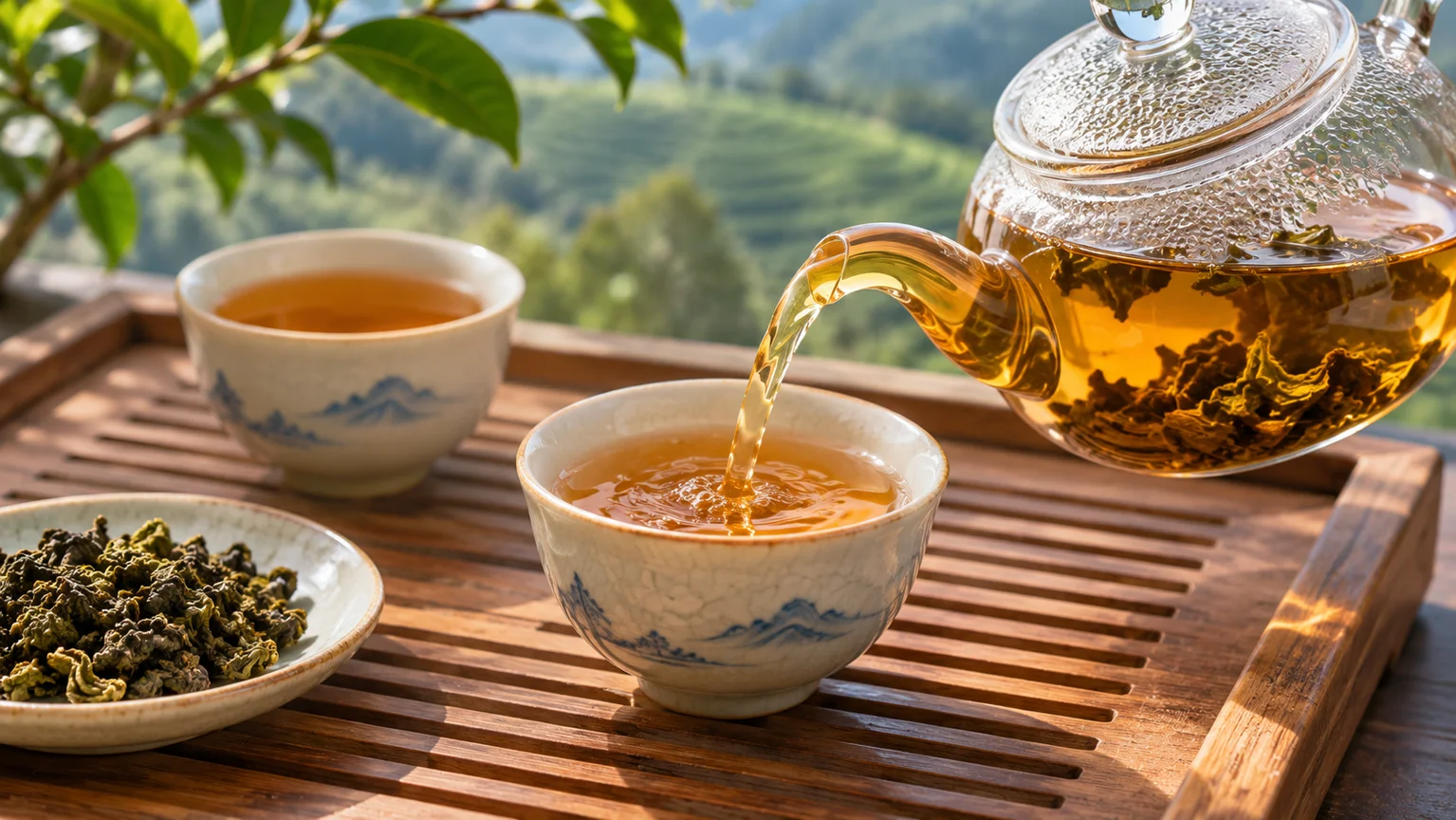
The Ruby Oolong product page reviewed for this guide recommends one tea bag in hot water at 185 to 200°F, steeped for 2 to 3 minutes. These are the manufacturer’s preparation directions, not a medically established schedule for benefits.
Check your current package and follow its directions if they differ. Use a clean cup and drink the tea at a comfortable temperature. Do not assume stronger brewing or extra cups will make a health claim more likely to come true.
If you want a fair taste comparison, try the tea plain before adding other ingredients. Keep your notes about flavor separate from conclusions about medical effects.
Side Effects and Who Should Ask for Advice
Because this product contains caffeine, consider your total intake from coffee, tea and other sources. The FDA caffeine guide explains that sensitivity varies and too much caffeine can cause symptoms such as sleep problems, anxiety, digestive upset and palpitations.
If you are pregnant, breastfeeding, taking medicines or managing a condition that affects your caffeine choices, ask a health professional what suits you. Stop using a drink that causes unwanted symptoms. A wellness label does not remove the need to consider individual tolerance.
Pipi Oolong Tea vs. Pipi Hibiscus Tea
| Point to compare | Ruby Oolong | Hibiscus |
|---|---|---|
| Ingredient listed by the brand | Oolong tea leaves | Hibiscus flowers |
| Caffeine statement | Naturally contains caffeine | Described by the brand as caffeine-free |
| Buying decision | Check the exact oolong product and serving information | Check the exact hibiscus product and label |
| What reviews should identify | Ruby Oolong specifically | Hibiscus specifically |
For company-level reviews, complaints and purchase checks, use the broader Pipi Tea review and buying guide. Keeping the product identity clear helps avoid applying hibiscus information to a caffeinated oolong.
Is Pipi Oolong Tea Legit? Checks Before You Buy
The company has publicly accessible product and support pages. That establishes an online sales presence; it does not independently prove every advertising statement, review or future delivery experience.
Before paying, confirm the seller’s website, exact product, full delivered price and whether you selected a one-time purchase or recurring order. Read the current cancellation and refund conditions and save a copy of the order confirmation. Policies and offers can change, so check them on the day you buy.
If something is unclear, ask support a specific question before ordering. For example: What is the caffeine amount per serving? Does this checkout create repeat shipments? Which conditions apply to a refund? Clear answers are more useful than a broad claim that the tea is a must-have.
FAQS
What is Pipi Oolong Tea?
Pipi Oolong Tea refers to the brand’s Ruby Oolong product. Its help center describes it as 100% organic oolong tea leaves. Check the current package for the product you buy.
Does Pipi Oolong Tea have caffeine?
Yes. The manufacturer confirms that its oolong contains caffeine. The help page reviewed here does not give a verified milligram amount per brewed serving.
Is Pipi Oolong the same as Pipi Hibiscus Tea?
No. They are different products. The brand lists oolong tea leaves for Ruby Oolong and hibiscus flowers for Hibiscus. It describes its hibiscus product as caffeine-free.
Does Pipi Oolong Tea help with weight loss?
Do not treat the product as a proven weight-loss treatment. General tea research and customer testimonials do not establish a predictable weight-loss result from this particular branded tea.
Is Pipi Oolong Tea legit?
The company has product and support pages, but their existence does not independently verify every claim, review or purchase experience. Check the seller, product label, payment terms and current refund policy before ordering.
How do you brew Pipi Ruby Oolong Tea?
The product page reviewed recommends one tea bag in water at 185 to 200 degrees Fahrenheit for 2 to 3 minutes. Follow the directions on your current package if they differ.
Can you drink Pipi Oolong Tea before bed?
It contains caffeine, so it may not suit a bedtime routine, particularly if you are caffeine-sensitive. Do not assume that sleep-related marketing means the tea is caffeine-free.
Where can I find Pipi Oolong Tea reviews and complaints?
Look for recent reviews that identify Ruby Oolong specifically, and separate delivery or billing complaints from taste and product observations. The broader ChefYuma Pipi Tea guide discusses brand-level purchase checks.
1 thought on “Pipi Oolong Tea: Ingredients, Caffeine & What to Check”