
Earl Grey Tea Benefits: What the Bergamot and Black Tea Combination Actually Does
Earl grey tea benefits come from two entirely distinct sources — and most people only … Keep reading

Hibiscus Tea for Weight Loss: What the Science Actually Shows
Hibiscus tea for weight loss produces real but modest effects through specific mechanisms — and … Keep reading
Raspberry Leaf Tea Benefits: What It Does for Pregnancy, Periods, and Women’s Health
Raspberry leaf tea benefits are most specific and consistently documented in women’s reproductive health — … Keep reading
Lemon Balm Tea Benefits: What Science Says About Sleep, Anxiety, and Digestion
Lemon balm tea benefits center on one of the most consistent findings in herbal medicine … Keep reading
Does Hibiscus Tea Affect Testosterone? The Evidence-Based Answer
Hibiscus tea testosterone is a topic with a nuanced answer — and most wellness articles … Keep reading
Hibiscus Tea for Menopause: What It Helps With and What It Doesn’t
Hibiscus tea for menopause is not a phytoestrogen and does not address hot flashes the … Keep reading
Red Clover Tea Benefits: What Science Says About Hormones, Menopause, and Bone Health
Red clover tea benefits are among the most specifically studied herbal benefits for women’s health. … Keep reading
Peppermint Tea Benefits: What Science Says About Digestion, Sleep, and More
Peppermint tea benefits are primarily driven by one compound: menthol. The menthol in peppermint (Mentha … Keep reading
Hibiscus Tea for High Blood Pressure: What the Clinical Research Shows
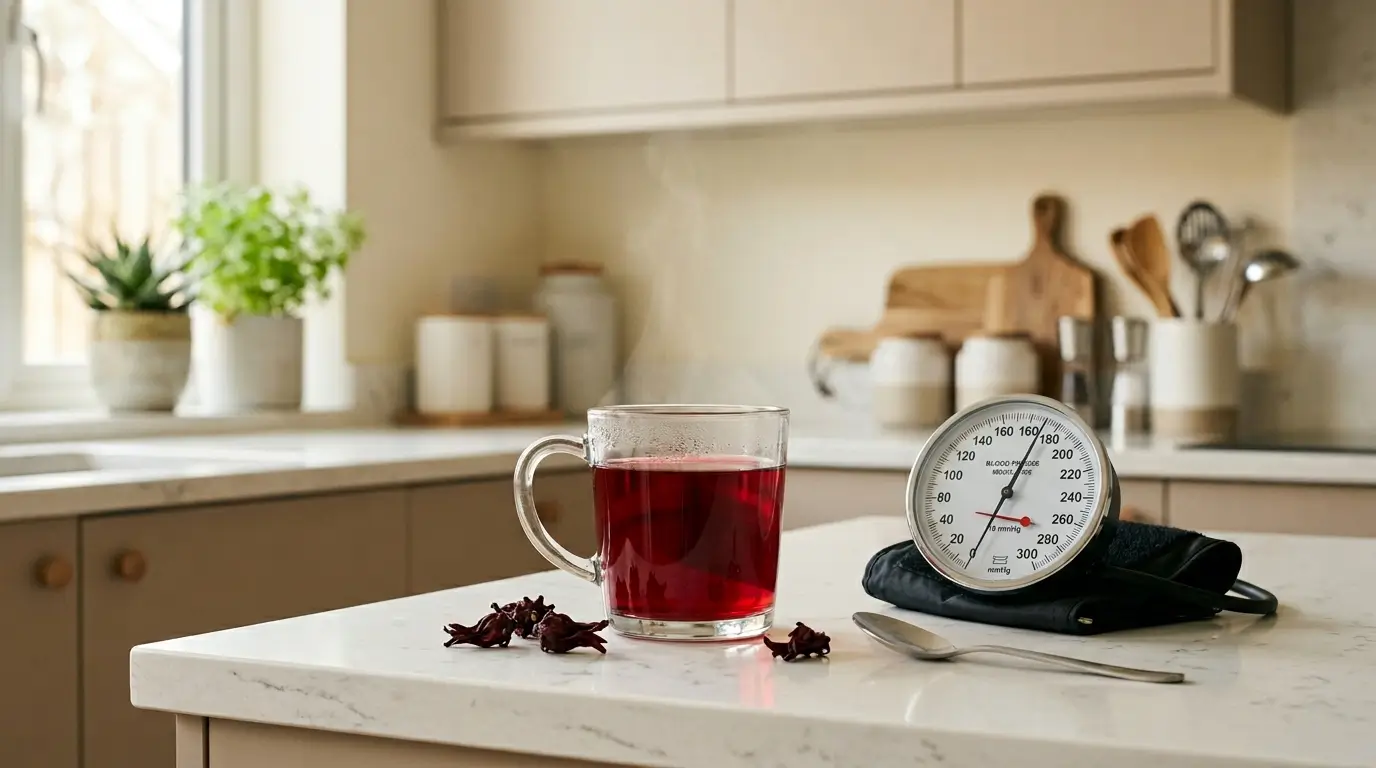
Hibiscus tea for high blood pressure is one of the most clinically supported uses of … Keep reading
How Much Hibiscus Tea to Lower Blood Pressure: The Evidence-Based Answer
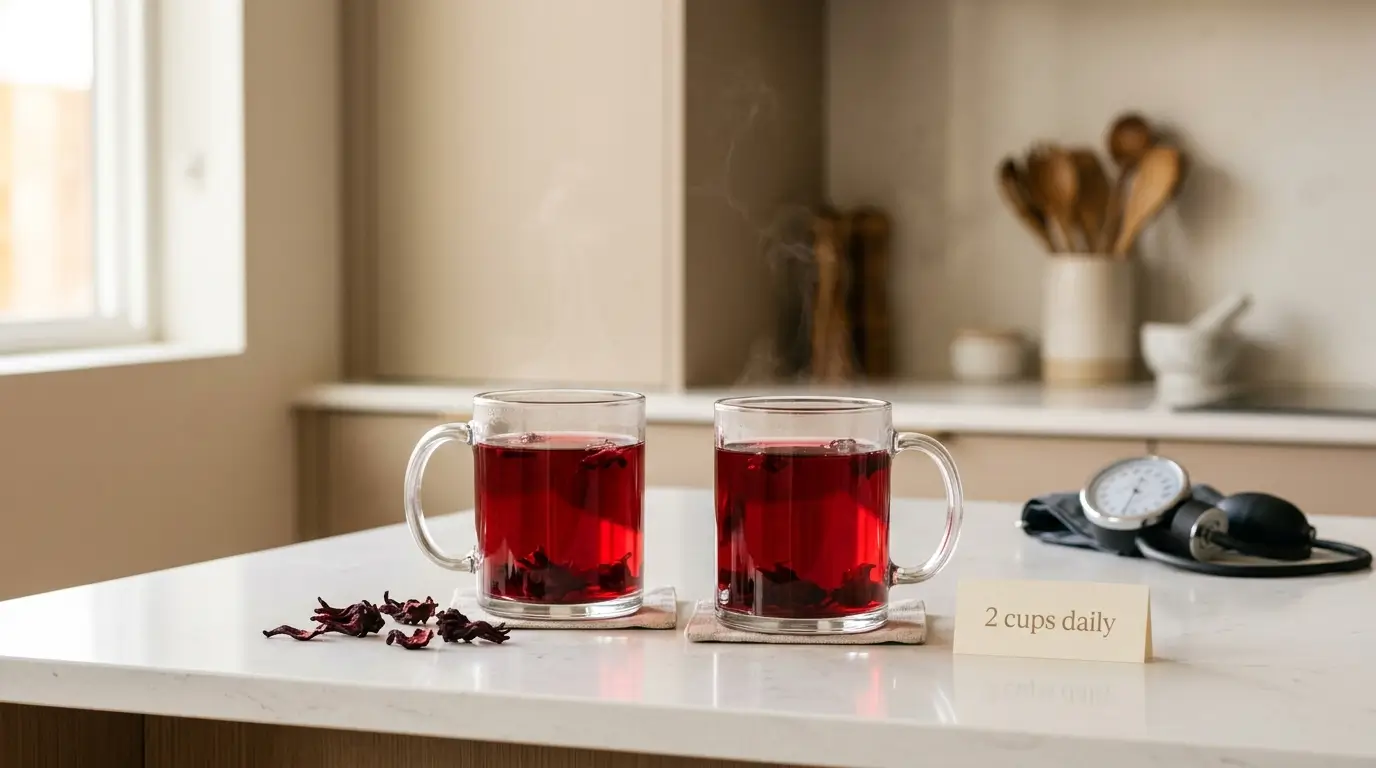
The evidence-based answer: 2 cups of hibiscus tea per day, brewed at standard strength (2 … Keep reading