
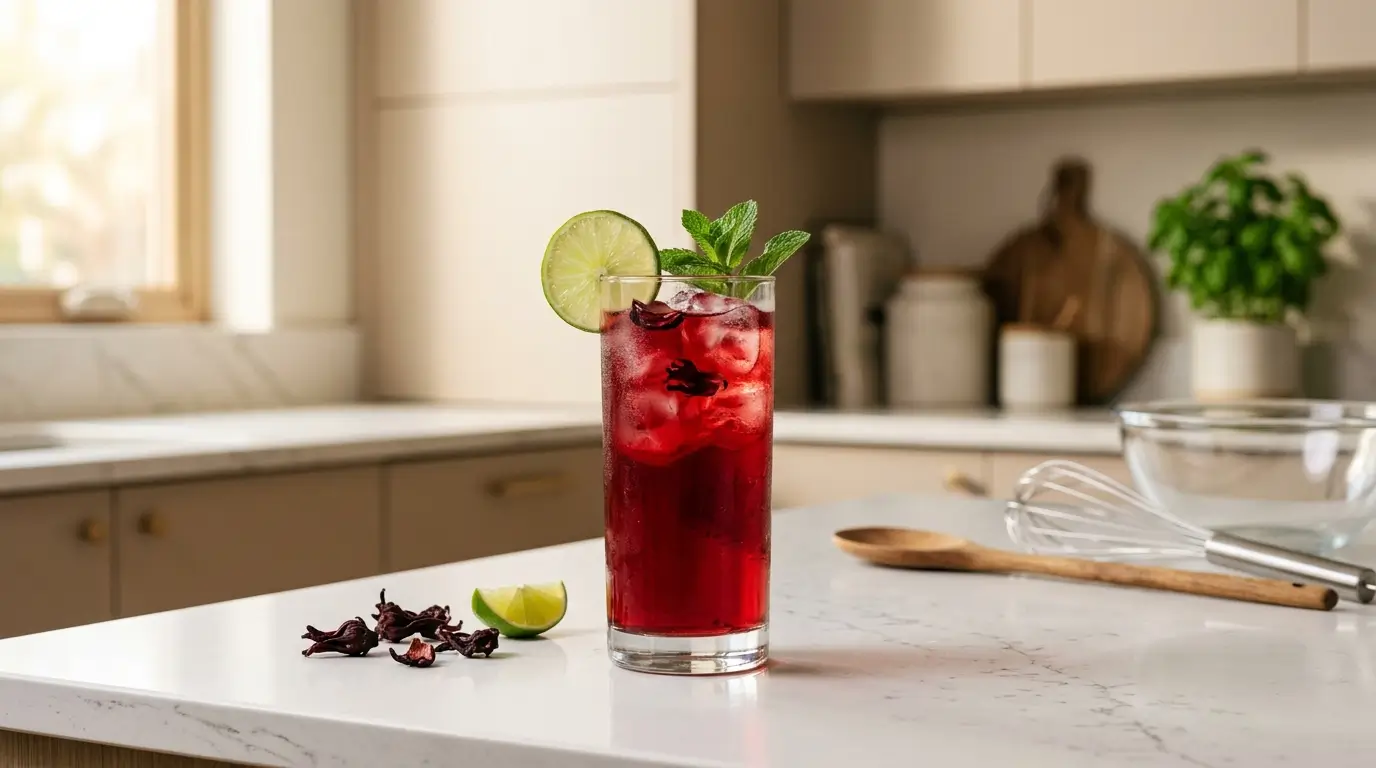
Hibiscus tea for weight loss works — but not in the way most wellness content claims. It is not a fat burner, it will not suppress your appetite dramatically, and drinking a cup a day will not offset a poor diet. What hibiscus tea does offer is a set of three evidence-supported metabolic mechanisms that make it a genuinely useful tool for weight management when used correctly. This guide covers what the science actually shows, how much to drink, the best timing, and what you should realistically expect.
Does Hibiscus Tea Help With Weight Loss?
Yes — but modestly and indirectly. The research on hibiscus tea and weight management is promising but not dramatic. Here is what the evidence actually supports:
A 12-week randomized controlled trial published in Food & Function found that participants who consumed hibiscus extract experienced significant reductions in body weight, BMI, body fat percentage, and waist-to-hip ratio compared to placebo. The hibiscus group also showed reduced triglycerides and LDL cholesterol.
A separate study found that hibiscus extract inhibited the accumulation of fat in adipose tissue in animal models, with the effect attributed primarily to its anthocyanin content.
The honest summary: hibiscus tea has real, documented metabolic effects. The weight loss results in human studies are modest — we are not talking about dramatic fat loss. But for people using hibiscus tea as part of a broader healthy lifestyle, the cumulative benefit is meaningful.
3 Mechanisms Behind Hibiscus Tea and Weight Loss
1. Amylase Inhibition — Slowing Carbohydrate Absorption
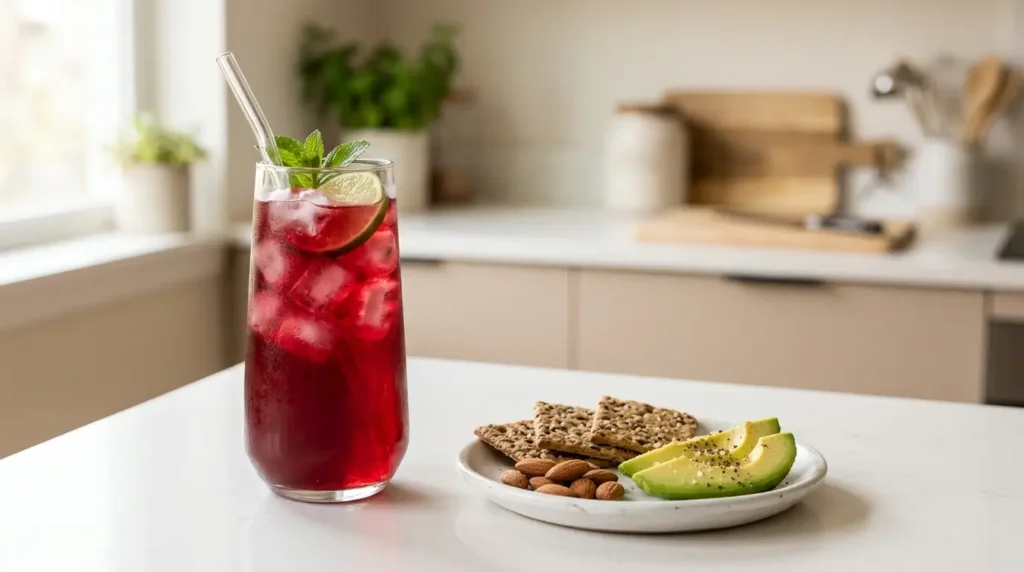
This is the most specific and well-documented mechanism. Hibiscus extract has been shown to inhibit pancreatic alpha-amylase — an enzyme that breaks down dietary starches into glucose in the small intestine.
When amylase activity is reduced, carbohydrates are absorbed more slowly. This produces two weight-relevant effects:
- Lower post-meal blood sugar spikes — reducing the insulin response that drives fat storage
- Reduced net calorie absorption from starchy foods when hibiscus tea is consumed before a carbohydrate-heavy meal
This mechanism is most effective when hibiscus tea is consumed 20–30 minutes before a meal, giving the active compounds time to reach the digestive tract before food arrives. Cold brew works better for this purpose — it is less acidic and more comfortable to drink before eating.
2. Anti-Adipogenic Effect — Reducing Fat Cell Formation
Several in vitro and animal studies have found that hibiscus polyphenols — particularly the anthocyanins that give hibiscus its deep red color — reduce the differentiation of pre-adipocytes into mature fat cells. This process is called adipogenesis.
In practical terms: regular consumption of hibiscus tea may help slow the formation of new fat cells, particularly in visceral (abdominal) fat tissue — the metabolically active fat that is most closely linked to cardiovascular and metabolic disease risk.
This effect is cumulative and long-term. It is not visible in the short term but becomes measurable over weeks and months of consistent consumption.
3. Mild Diuretic Effect — Reducing Water Retention
Hibiscus tea has a well-documented mild diuretic effect. It increases urinary output, which reduces water retention and the associated temporary weight gain from bloating.
This is particularly relevant for women during the luteal phase of the menstrual cycle, when water retention peaks. A cup of hibiscus tea during this period can reduce noticeable bloating and fluid-related scale weight.
It is important to be clear: the diuretic effect reduces water weight, not fat. It does not cause fat loss on its own. But for people tracking their weight daily, reducing water retention makes the trend line smoother and more accurately reflects actual fat loss progress.
How Many Calories Does Hibiscus Tea Have?
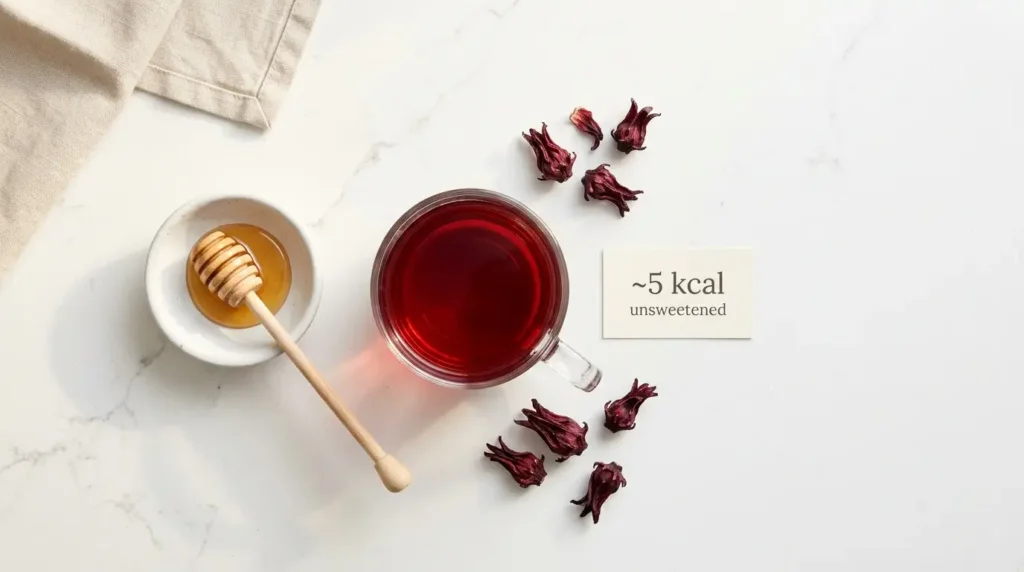
Unsweetened hibiscus tea contains approximately 3–5 calories per cup — essentially zero. This is one of its most underrated advantages for weight management.
The deep, tart flavor of hibiscus tea is intensely satisfying — far more so than plain water. This makes it an excellent replacement for:
- Sweetened beverages (sodas, juices, sweetened teas): 100–200 calories per serving eliminated
- Flavored coffees and lattes: 150–400 calories per serving eliminated
- Fruit juices: 100–150 calories per serving eliminated
If you replace just one sweetened drink per day with unsweetened hibiscus tea, that single substitution saves 500–1400 calories per week — the equivalent of 0.15–0.4 lbs of fat per week from that one change alone.
The calorie equation changes dramatically if you sweeten it:
| Preparation | Calories per cup |
|---|---|
| Unsweetened hibiscus tea | ~5 kcal |
| With 1 tsp honey | ~25 kcal |
| With 1 tbsp sugar | ~45 kcal |
| With 2 tbsp sugar (standard sweet tea) | ~90 kcal |
| Store-bought sweetened hibiscus | ~80–120 kcal |
For weight management, always drink hibiscus tea unsweetened or with a minimal amount of raw honey. The active compounds that support weight loss are present regardless of sweetness — the sweetener only adds calories without adding benefit.
If you struggle with sugar cravings, our homemade electrolyte drink without sugar guide has additional unsweetened drink strategies.
Best Time to Drink Hibiscus Tea for Weight Loss
Timing affects which weight management mechanism you’re activating most strongly:
20–30 minutes before your largest meal: This is the most targeted timing for the amylase inhibition effect. Drink a cold, unsweetened hibiscus tea before your lunch or dinner — especially before carbohydrate-heavy meals like pasta, rice, or bread. The active compounds arrive in the digestive tract before the starch and slow its breakdown.
Morning after breakfast: One cup after breakfast as your daily consistency anchor. This timing supports blood sugar regulation throughout the day and establishes the habit that makes all other benefits accessible. Never on an empty stomach — hibiscus tea is acidic and can cause discomfort without food. For more detail, see our guide on the best time to drink hibiscus tea.
Instead of an afternoon sweetened drink: The afternoon craving for something sweet — around 3–4pm — is one of the most common sources of unnecessary daily calories. Replacing this with a cold hibiscus iced tea eliminates the craving and the calories simultaneously.
What to avoid: Drinking sweetened hibiscus tea. A sweetened tea after a meal adds calories without adding the amylase benefit. If you need to sweeten, use a minimal amount of raw honey and drink it before the meal, not after.
How Much Hibiscus Tea Per Day for Weight Loss?
Based on the studies showing metabolic benefits, the optimal intake for weight management is:
- 1–2 cups per day for general metabolic support and beverage replacement
- 1 cup 20–30 minutes before your main meal for maximum amylase inhibition
- Cold brew, unsweetened as the preferred preparation
More than 3 cups per day does not produce additional weight loss benefit and increases the risk of the side effects associated with high hibiscus consumption. Our full dosage guide on how much hibiscus tea per day covers safe intake for all populations.
What to Realistically Expect
Hibiscus tea is not a weight loss supplement. It will not produce dramatic results on its own. Here is a realistic expectation framework:
What hibiscus tea CAN do for weight management:
- Reduce post-meal blood sugar spikes through amylase inhibition
- Support slower fat cell accumulation through anti-adipogenic activity
- Eliminate calories from the sweetened beverages it replaces
- Reduce water retention and bloating
- Improve lipid profile (LDL and triglycerides) as a secondary metabolic benefit
What hibiscus tea CANNOT do:
- Burn existing stored fat directly
- Override a caloric surplus
- Replace exercise or a balanced diet
- Produce rapid or dramatic weight loss on its own
The people who get the most from hibiscus tea for weight management are those who use it as a daily beverage replacement for sweetened drinks, consume it before their main meals, and pair it with a broadly healthy eating pattern. In that context, the cumulative benefit over months is real and measurable.
Your Daily Hibiscus Tea Weight Loss Routine
The simplest effective routine:
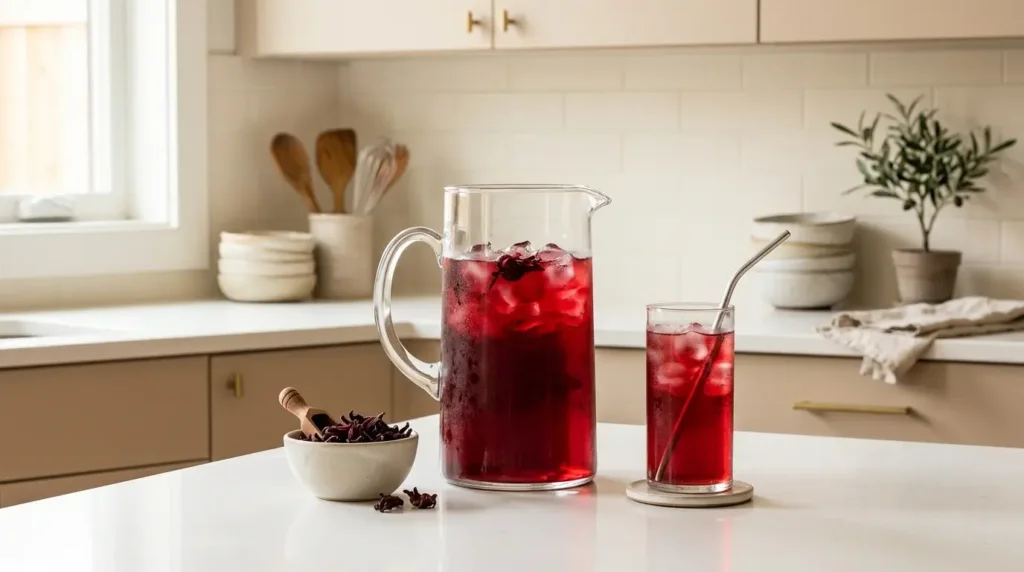
Sunday: Brew a 1.5-liter cold brew pitcher (3 tbsp dried hibiscus in cold water, overnight). Refrigerate.
Every day:
- Morning — 1 cup after breakfast (hot or cold, unsweetened)
- Before lunch — 1 cup cold brew 20–30 minutes before eating
That is it. Two cups per day, consistently, for at least 4–6 weeks before evaluating results.
For the full cold brew preparation guide and herbal combinations that pair well with hibiscus, our cold brew herbal tea recipes guide covers everything you need.
Hibiscus Tea and Acid Reflux: A Note for Weight Loss Dieters
Many people trying to lose weight are simultaneously managing digestive issues — particularly acid reflux, which is worsened by excess body weight. Hibiscus tea is highly acidic (pH 2.5–3.5), which can be problematic for reflux sufferers.
If you have acid reflux, use cold brew (higher pH, less acidic) and always drink it after eating — never on an empty stomach. Our full guide on hibiscus tea and acid reflux covers this in detail. For the full acidity profile, see is hibiscus tea acidic or alkaline.
Frequently Asked Questions
Does hibiscus tea help with weight loss?
Yes — modestly and through specific mechanisms. Hibiscus tea inhibits amylase (slowing carb absorption), may reduce fat cell formation, provides mild diuretic effects that reduce water retention, and replaces high-calorie sweetened beverages. It is a supportive tool for weight management, not a standalone fat loss solution.
How much weight can you lose with hibiscus tea?
Clinical studies show modest but real results — reduced BMI, body fat percentage, and waist circumference after 12 weeks of consistent daily consumption. The most significant weight loss impact in most people comes from the caloric savings of replacing sweetened beverages with unsweetened hibiscus tea.
When should I drink hibiscus tea for weight loss?
The most effective timing is 20–30 minutes before your largest, most carbohydrate-heavy meal. This maximizes the amylase inhibition effect. A second cup in the morning after breakfast helps establish the daily habit needed for cumulative benefits.
How many calories does hibiscus tea have?
Unsweetened hibiscus tea contains approximately 3–5 calories per cup. Adding sugar significantly increases the calorie count — 1 tablespoon of sugar adds 45 calories. For weight management, always drink it unsweetened or with a tiny amount of raw honey only.
Is hibiscus tea good for belly fat?
Some research suggests hibiscus polyphenols reduce adipogenesis (fat cell formation) particularly in visceral fat tissue. This is a long-term, cumulative effect — not a rapid belly fat reduction. Combined with consistent caloric deficit and regular movement, hibiscus tea may support more favorable fat distribution over time.
Does hibiscus tea boost metabolism?
Hibiscus tea has mild metabolic effects through amylase inhibition and potential improvements in insulin sensitivity. It does not significantly increase metabolic rate (thermogenesis) the way caffeine does. Think of it as a metabolic support tool rather than a metabolism booster.
Is cold brew or hot hibiscus tea better for weight loss?
Cold brew is preferred for weight management purposes — lower acidity makes it more comfortable to drink before meals (the optimal timing for amylase inhibition), and it is easier to consume throughout the day as a beverage replacement strategy.
Can I drink hibiscus tea every day for weight loss?
Yes — 1–2 cups per day consistently is both safe for most healthy adults and the protocol used in the metabolic research. Daily consistency over weeks is more important than any single day’s dose.
Key Takeaways
- Hibiscus tea for weight loss works through three mechanisms: amylase inhibition, anti-adipogenic activity, and beverage calorie replacement
- Unsweetened hibiscus tea contains ~5 calories per cup — replacing one sweetened drink per day can save 500–1400 calories per week
- The best timing for weight management is 20–30 minutes before a carbohydrate-heavy meal
- Cold brew is the preferred preparation — less acidic, more comfortable before meals, easier to drink throughout the day
- Realistic expectations: modest but real metabolic benefits over 4–12 weeks of consistent daily use
- Hibiscus tea cannot override a caloric surplus or replace diet and exercise
- 1–2 cups per day unsweetened is the optimal dose — more does not accelerate results