
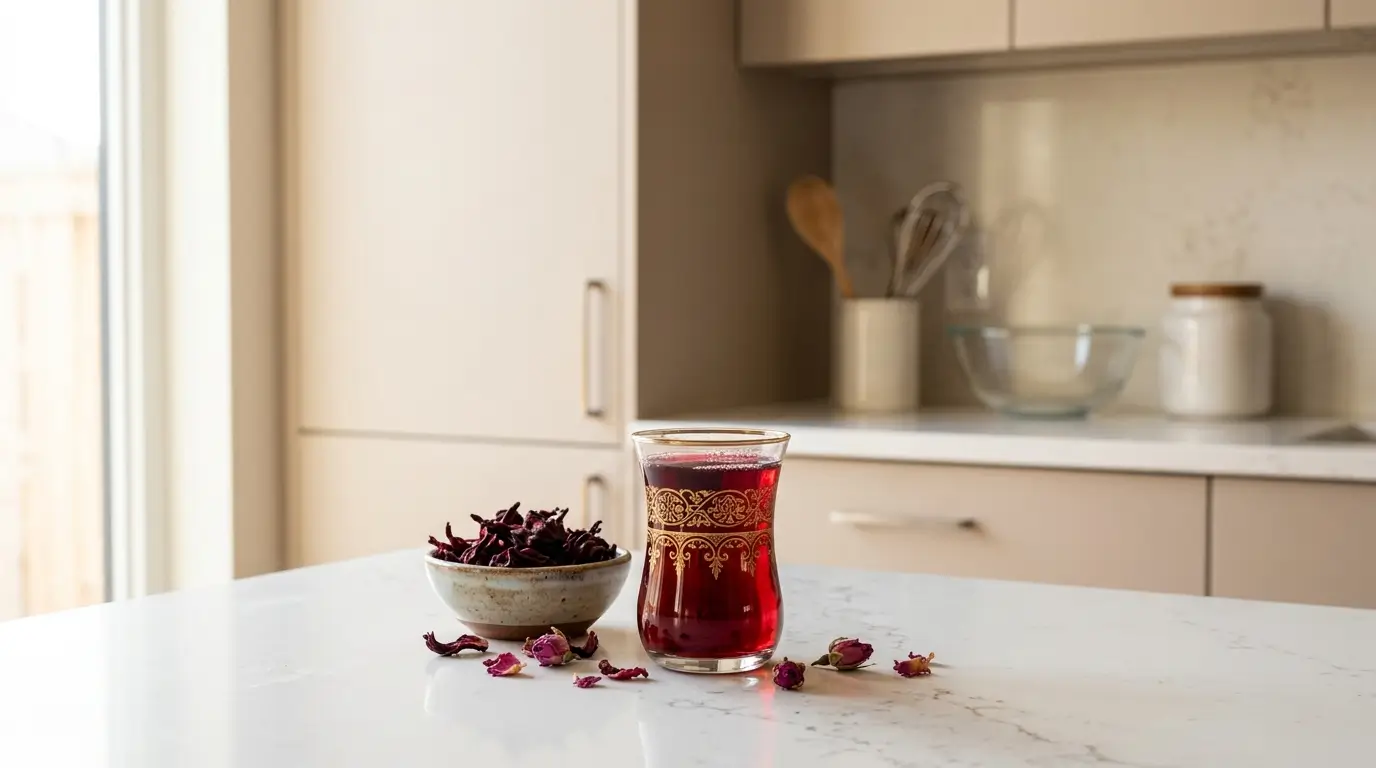
Karkade tea benefits have been recognized across Egypt, Sudan, and the broader Arab world for over a thousand years — long before Western science began confirming what traditional medicine had always claimed. Karkade (كركديه) is simply the Arabic name for hibiscus tea, made from the dried calyces of Hibiscus sabdariffa, the same plant known as flor de jamaica in Latin America, bissap in West Africa, and roselle in Southeast Asia. One plant, one drink, many names — and a remarkably consistent set of scientifically validated health benefits regardless of what you call it. This guide covers what makes karkade tea unique, its proven benefits, traditional preparation, and exactly how to use it for best results.
What Is Karkade Tea?
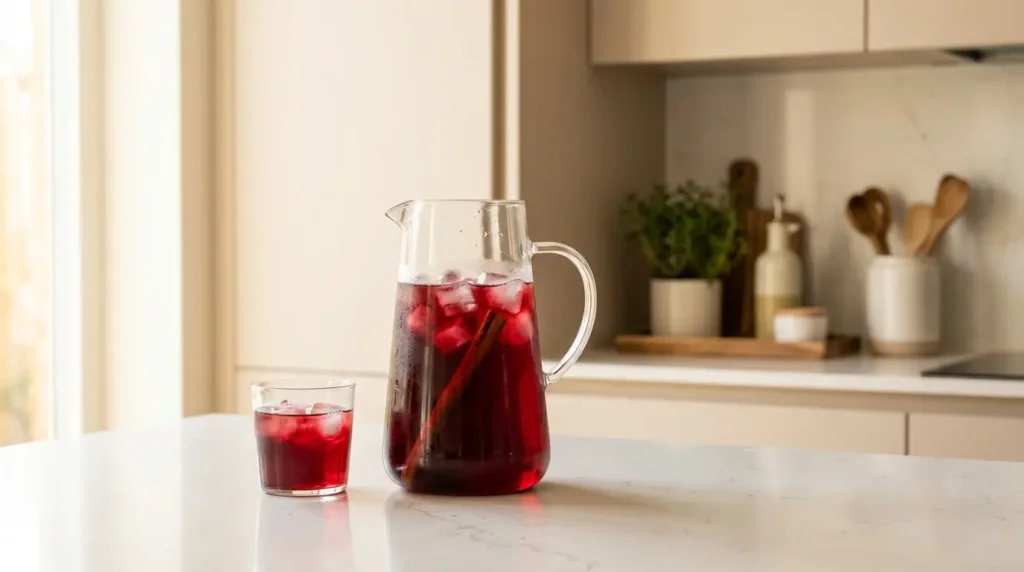
Karkade is made by steeping dried calyces — the fleshy red structures that surround the hibiscus flower’s seed pod — in hot water. The result is a deep ruby-red drink with a bold, tart flavor reminiscent of cranberry or pomegranate, naturally sweetened with sugar or honey in the traditional Egyptian preparation.
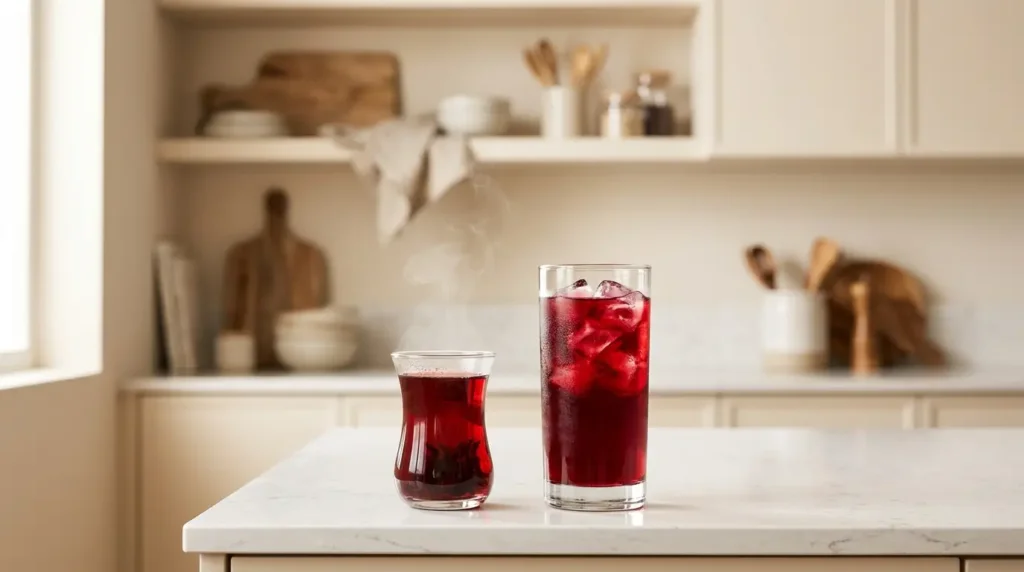
The word karkade (also spelled karkaday, karkadeh, or carcade) derives from the Nubian language and spread through trade routes across North Africa and the Middle East. In Egypt, karkade holds a similar cultural status to tea in Britain — it is the drink of hospitality, celebration, and everyday life, served hot in winter and cold in summer.
Karkade by any other name:
| Region | Name | Notes |
|---|---|---|
| Egypt, Sudan, Arab world | Karkade / كركديه | Hot in winter, cold in summer |
| Mexico, Central America | Agua de Jamaica | Cold, lightly sweetened, with lime |
| West Africa (Senegal) | Bissap | Often flavored with mint or vanilla |
| Jamaica & Caribbean | Sorrel | Spiced, consumed especially at Christmas |
| Southeast Asia | Roselle drink | Sometimes mixed with ginger |
| Western countries | Hibiscus tea | Often unsweetened, consumed as wellness drink |
All of these are the same botanical ingredient — Hibiscus sabdariffa dried calyces — with different cultural preparation styles. The agua de jamaica version and karkade share the same plant and the same benefits, differentiated primarily by sweetness level, serving temperature, and the spices added.
Karkade Tea Benefits: What the Science Confirms
1. Blood Pressure Reduction
This is karkade’s most robustly studied benefit and the one most embedded in traditional use — Egyptian physicians have recommended karkade for high blood pressure for generations, and modern research consistently validates this recommendation.
Multiple randomized controlled trials have demonstrated that consuming 2 cups of hibiscus/karkade tea daily over 4–6 weeks reduces systolic blood pressure by 7–13 mmHg and diastolic pressure by 3–7 mmHg in people with mild to moderate hypertension. The mechanism involves two pathways: inhibition of angiotensin-converting enzyme (ACE) — the same target as widely prescribed antihypertensive drugs — and direct vasodilation through hibiscus acid and anthocyanin activity.
This is not a mild or theoretical effect. The magnitude of blood pressure reduction seen in these trials is comparable to low-dose first-line antihypertensive medication, making karkade one of the most credible herbal alternatives for cardiovascular support.
For detailed guidance on how serving temperature affects this benefit, see our guide on hibiscus tea and blood pressure.
2. Rich in Antioxidants — Among the Highest of Any Herbal Tea
The deep red color of karkade is a direct indicator of its anthocyanin concentration — the same class of antioxidants responsible for the health benefits of blueberries, red wine, and pomegranate. Hibiscus calyces rank among the highest plant sources of anthocyanins measured per gram of dry weight.
These compounds neutralize free radicals, reduce oxidative stress, and have demonstrated anti-inflammatory effects at the cellular level. Chronic oxidative stress and inflammation are the underlying mechanisms behind cardiovascular disease, type 2 diabetes, neurodegenerative conditions, and accelerated aging — making karkade’s antioxidant density a genuinely significant health asset.
3. Liver Protection
Traditional Egyptian and Sudanese medicine has long used karkade preparations to support liver function. Modern research is beginning to validate this use through a specific mechanism: hibiscus extract has been shown to significantly reduce hepatic fat accumulation, lower liver enzyme markers (ALT and AST) associated with liver stress, and reduce lipid peroxidation in liver tissue.
The hepatoprotective effect is particularly relevant for people with non-alcoholic fatty liver disease (NAFLD), those who consume alcohol regularly, or anyone taking medications that place metabolic stress on the liver. While karkade tea at normal consumption levels is not a liver disease treatment, its regular consumption may meaningfully contribute to liver health maintenance over time.
4. Digestive and Kidney Support
Karkade’s organic acids — primarily citric acid, malic acid, and hibiscus acid — stimulate digestive enzyme activity and have mild laxative properties at higher concentrations. Traditional use for constipation relief is consistent with this mechanism.
The mild diuretic effect of karkade increases urinary output and flow, which supports kidney flushing and may reduce the risk of urinary tract infections through increased bacterial clearance. People with existing kidney disease, however, should read our guide on hibiscus tea and kidneys before making karkade a daily habit, as the potassium content and oxalate load require careful management in CKD patients.
5. Cholesterol and Triglyceride Management
Several clinical studies have found that regular karkade/hibiscus tea consumption modestly but consistently reduces LDL cholesterol (by 8–22% in subjects with elevated baseline levels) and triglycerides (by 10–15%), while preserving or slightly improving HDL cholesterol levels.
The mechanism involves hibiscus polyphenols inhibiting the liver’s fat production pathways and enhancing LDL clearance from the bloodstream. For people managing cardiovascular risk through diet and lifestyle, this lipid-lowering effect adds meaningful value to daily karkade consumption.
6. Blood Sugar Regulation
Hibiscus extract has demonstrated significant inhibition of alpha-amylase and alpha-glucosidase — two digestive enzymes that break down dietary carbohydrates into glucose. Slowing this breakdown reduces the speed and magnitude of post-meal blood sugar spikes.
Studies in people with type 2 diabetes have shown hibiscus tea consumption reduces fasting blood glucose and improves overall glycemic markers with consistent use. This blood sugar-regulating effect is relevant not only for diabetics but for anyone managing insulin sensitivity or metabolic health.
7. Anti-Inflammatory and Immune Support
Karkade’s flavonoids — particularly quercetin, kaempferol, and hibiscetin — have demonstrated potent anti-inflammatory activity in multiple laboratory and animal studies. These compounds reduce the production of pro-inflammatory cytokines including interleukin-6 (IL-6) and tumor necrosis factor-alpha (TNF-α).
The vitamin C content of karkade also contributes to immune function — supporting white blood cell production, enhancing iron absorption, and acting as a direct antioxidant in immune cells under oxidative stress.
8. Weight Management
Karkade supports weight management through three complementary mechanisms: amylase inhibition (slowing carbohydrate absorption), mild diuretic effect (reducing water retention), and near-zero calorie hydration when consumed unsweetened. The traditional Egyptian preparation uses significant amounts of sugar — adjusting sweetness downward, or eliminating it entirely, unlocks the metabolic benefits without the caloric cost.
Traditional Karkade Tea Recipe
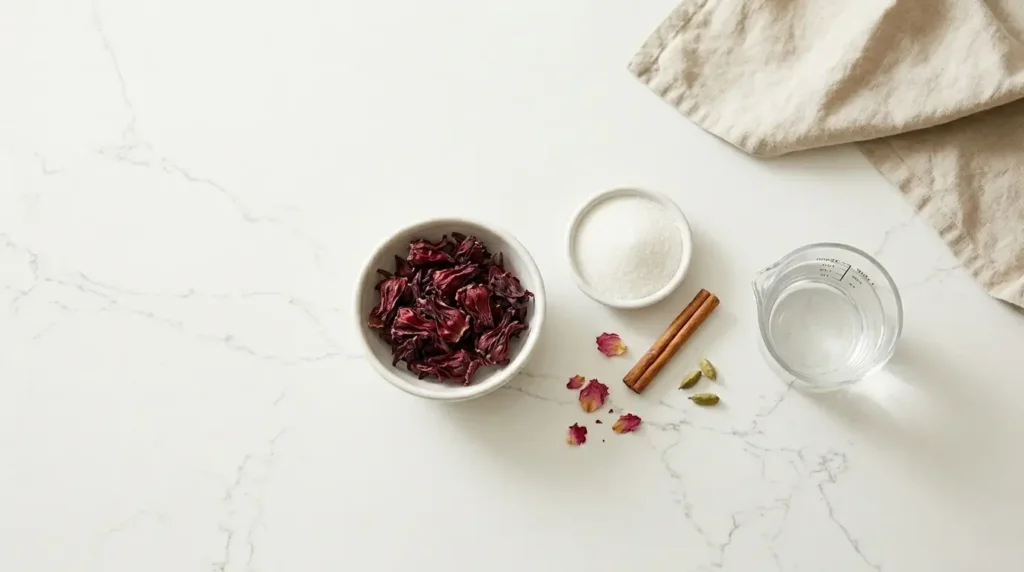
The authentic Egyptian preparation is simple, fragrant, and naturally rich in flavor. It is traditionally served concentrated and sweet — adjust sweetness to your preference.
Ingredients (serves 4):
- 4 tablespoons dried hibiscus calyces (karkade)
- 4 cups (1 liter) water
- 3–4 tablespoons sugar or honey (adjust to taste)
- 1 cinnamon stick (optional but traditional)
- 2–3 cardamom pods, lightly crushed (optional)
Karkade Tea Benefits: What It Is, Where It Comes From, and Why It Works
Karkade tea is the traditional Egyptian hibiscus drink — deep ruby-red, naturally tart, and packed with antioxidants. This classic recipe uses dried hibiscus calyces with cinnamon and cardamom, served hot in winter or cold over ice in summer.
- Total Time: 20 minutes
- Yield: 4 glasses 1x
Ingredients
- 4 tablespoons dried hibiscus calyces (karkade)
- 1 liter water (4 cups)
- 3 tablespoons sugar or honey (adjust to taste)
- 1 cinnamon stick
- 3 cardamom pods, lightly crushed
- Ice cubes (for cold serving)
Instructions
- Bring 1 liter of water to a boil in a saucepan
- Add dried hibiscus calyces, cinnamon stick, and crushed cardamom pods
- Reduce heat and simmer for 10 to 15 minutes until deep ruby-red
- Remove from heat and add sugar or honey — stir until fully dissolved
- Strain through a fine mesh strainer into a pitcher
- Serve hot in small glasses, or allow to cool and serve over ice
Notes
For a lower-acidity version, use the cold brew method: combine dried karkade with 1 liter of cold water, refrigerate overnight (8–12 hours), strain and sweeten. This is the best option for people with acid reflux or a sensitive stomach. Unsweetened karkade is near-zero calorie and suitable for diabetics.
- Prep Time: 5 minutes
- Cook Time: 15 minutes
- Category: Drinks
- Method: Simmering
- Cuisine: Egyptian
Nutrition
- Serving Size: 1 glass (250ml)
- Calories: 45 kcal
- Sugar: 9g
- Sodium: 5mg
- Fat: 0g
- Saturated Fat: 0g
- Unsaturated Fat: 0g
- Trans Fat: 0g
- Carbohydrates: 11g
- Fiber: 0g
- Protein: 0g
- Cholesterol: 0mg
Keywords: karkade tea, hibiscus tea, agua de jamaica, roselle tea, flor de jamaica, Egyptian hibiscus drink
Hot preparation (traditional Egyptian method):
- Bring water to a boil in a saucepan
- Add dried hibiscus calyces, cinnamon stick, and cardamom if using
- Reduce heat and simmer for 10–15 minutes until the color is deep ruby-red
- Remove from heat and sweeten while hot — stir until dissolved
- Strain through a fine mesh and serve immediately in small glasses
Cold preparation (summer karkade):
- Follow the hot preparation above
- Allow to cool to room temperature, then refrigerate
- Serve over ice — add a slice of lemon or a sprig of mint if desired
Cold brew method (lowest acidity, gentlest preparation):
- Add 4 tablespoons of dried karkade to 1 liter of cold water
- Refrigerate for 8–12 hours
- Strain, sweeten to taste, serve over ice
The cold brew method produces a smoother, slightly less acidic drink — the best option for people with acid reflux or a sensitive stomach. Our hibiscus tea and acid reflux guide covers this in full detail.
Karkade Tea vs. Hibiscus Tea: Is There Any Difference?
Botanically and chemically: none. Both are made from dried Hibiscus sabdariffa calyces and contain identical compounds — anthocyanins, organic acids, quercetin, vitamin C, and minerals.
The differences are entirely cultural and in preparation style:
| Karkade | Hibiscus Tea (Western) | |
|---|---|---|
| Preparation | Simmered, often longer | Steeped, shorter time |
| Sweetness | Traditionally sweet | Often unsweetened |
| Spices | Cinnamon, cardamom common | Usually none |
| Temperature | Hot in winter, cold in summer | Hot or iced |
| Concentration | Often more concentrated | Standard steep |
| Context | Cultural, social, festive | Wellness, functional |
A longer simmering time extracts more anthocyanins and acids from the calyces — meaning traditional hot karkade may have a slightly higher concentration of active compounds than a shorter Western-style steep, but the same plant material and the same health benefits apply. The full breakdown of hibiscus tea benefits applies equally to karkade.
How Much Karkade Tea per Day?
The clinical research on blood pressure benefits used 2 cups (approximately 480ml) of hibiscus/karkade tea per day over 4–6 weeks. This is the evidence-based target for cardiovascular benefits.
For general wellness, 1–2 cups per day is both safe and effective for most healthy adults. Our detailed guide on how much hibiscus tea per day covers the full dosage framework including specific guidelines for people with health conditions.
People who should adjust their intake or consult a doctor first:
- Those on blood pressure medication (additive hypotensive effect)
- Pregnant women (avoid entirely — uterine stimulation risk)
- People with CKD stage 3+ (potassium accumulation risk)
- People with a history of calcium oxalate kidney stones (oxalate load)
A complete overview of who should avoid or limit karkade is in our hibiscus tea side effects guide.
When Is the Best Time to Drink Karkade?
The optimal timing for karkade depends on your primary health goal:
- For blood pressure benefits: morning and/or early afternoon, consistently every day
- For digestive support: 20–30 minutes before a meal or with a meal
- For antioxidant benefits: any time — antioxidant activity is not time-dependent
- For weight management: before or with meals to inhibit amylase activity
- As an evening drink: karkade is caffeine-free and can be consumed in the evening, but allow 2–3 hours before lying down due to its mild acidity and diuretic effect
Our full guide on the best time to drink hibiscus tea covers every timing scenario in detail, and applies equally to karkade.
Karkade in the Ramadan and Eid Tradition
Karkade holds special cultural significance in Egyptian and Sudanese Islamic tradition. It is one of the most popular drinks for breaking the fast (iftar) during Ramadan, valued for its refreshing tartness after a day of fasting, its rapid hydration effect, and its antioxidant-rich profile that helps restore depleted nutrient stores.
During Eid celebrations, cold karkade served in decorated glasses is a gesture of hospitality and celebration — culturally equivalent to offering champagne in Western contexts. This deep cultural embedding across generations speaks to the trust that millions of people across the Arab world have placed in this drink long before clinical trials existed.
Frequently Asked Questions
What is karkade tea?
Karkade tea (كركديه) is the Arabic and Egyptian name for hibiscus tea — a deep ruby-red drink made from dried Hibiscus sabdariffa calyces steeped or simmered in water. It is botanically identical to agua de jamaica, bissap, and roselle tea — the same plant prepared differently across cultures.
What are the benefits of karkade tea?
The main karkade tea benefits include blood pressure reduction, powerful antioxidant protection, liver health support, cholesterol and triglyceride lowering, blood sugar regulation, digestive support, anti-inflammatory activity, and weight management support.
Is karkade the same as hibiscus tea?
Yes — botanically and chemically identical. Karkade is simply the Arabic name for the same drink. The differences are in preparation: karkade is traditionally simmered longer, sweetened more, and often spiced with cinnamon or cardamom.
Is karkade tea good for blood pressure?
Yes — this is its most clinically validated benefit. Multiple trials show 2 cups per day reduces systolic blood pressure by 7–13 mmHg over 4–6 weeks. People on antihypertensive medication should consult their doctor before adding karkade to their daily routine.
Can you drink karkade every day?
Yes, for most healthy adults. One to two cups per day is both safe and sufficient to access its health benefits. Pregnant women, people with CKD, and those on certain medications should follow the guidelines in our side effects guide.
Is karkade hot or cold?
Both — traditionally, Egyptians drink it hot in winter and cold in summer. Cold karkade has a slightly higher pH and may be gentler on the stomach. Hot karkade extracts more anthocyanins and active compounds due to longer simmering time.
Does karkade tea have caffeine?
No. Karkade tea is completely caffeine-free, making it suitable for all times of day and for people who are caffeine-sensitive or avoiding stimulants.
What does karkade tea taste like?
Karkade has a bold, tart, cranberry-like flavor with floral notes and a vivid ruby-red color. It is naturally sour — the traditional sweetening with sugar or honey balances this tartness. Unsweetened, it is intensely tart and refreshing, especially cold.
Key Takeaways
- Karkade tea benefits are identical to hibiscus tea benefits — it is the same plant, simply known by a different name across Arabic-speaking cultures
- The most evidence-backed benefit is blood pressure reduction — 2 cups per day over 4–6 weeks produces clinically significant results
- Additional proven benefits include antioxidant protection, liver support, cholesterol and triglyceride lowering, blood sugar regulation, and digestive support
- Traditional karkade is sweetened and sometimes spiced with cinnamon and cardamom — reducing or eliminating sugar unlocks metabolic benefits without caloric cost
- Karkade is completely caffeine-free and culturally consumed both hot and cold
- People on blood pressure medication, pregnant women, and CKD patients should follow specific guidelines before making karkade a daily habit
- One to two cups per day consistently delivers the full range of documented health benefits